

NPR News Now reports: Vice President Debate tonight, Stimulus Bill update, health care needs in rural America, and other top news.
When the coronavirus hit, why were countless Americans left unprotected amid a desperate shortage of PPE and other critical medical equipment?
FRONTLINE, The Associated Press and the Global Reporting Centre investigate.
In the wake of President Donald Trump’s COVID-positive diagnosis, and as cases spike in parts of the country, “America’s Medical Supply Crisis” examines why the United States was left vulnerable to key equipment shortages — and why problems persist, months into the coronavirus crisis.
NPR News Now: Trump Covid-19 condition, Supreme Court convenes, Senate Judiciary Committee, and other top news.
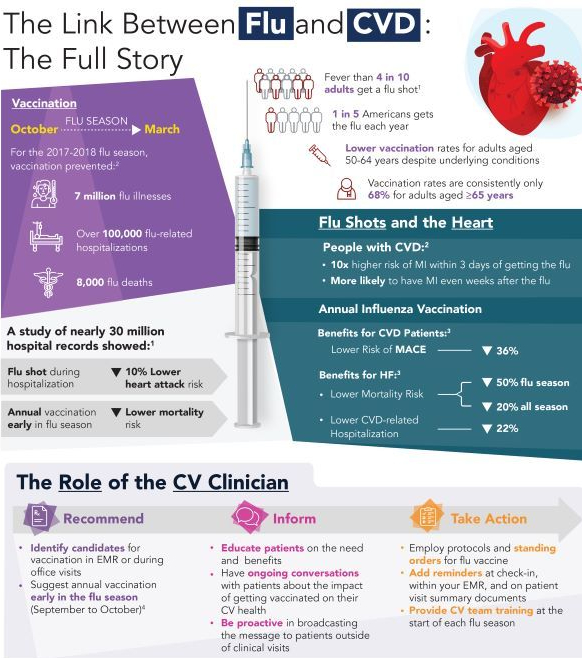
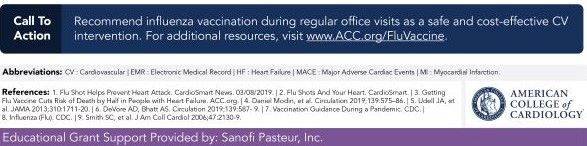


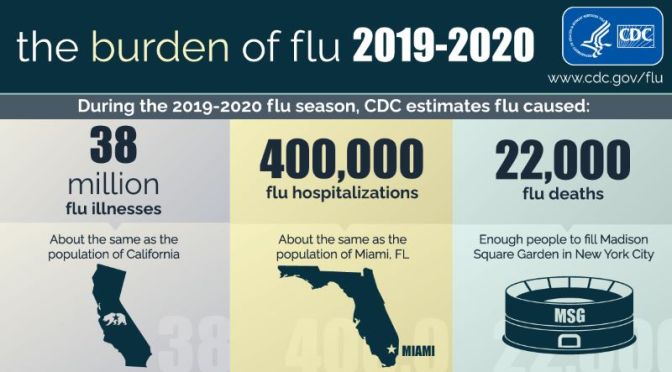
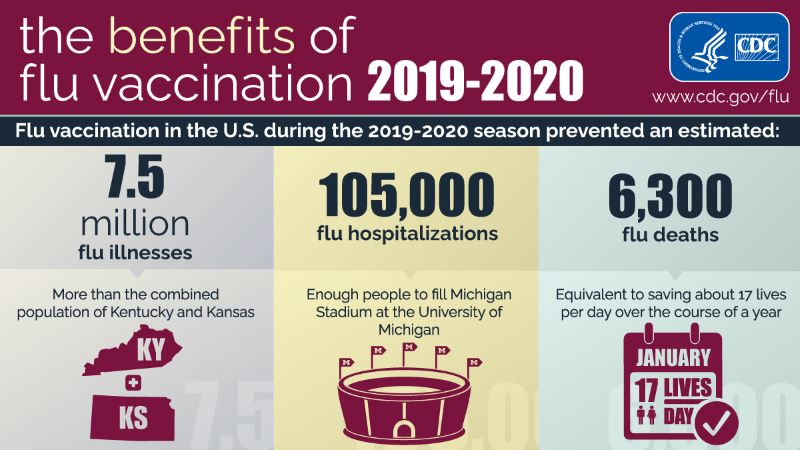
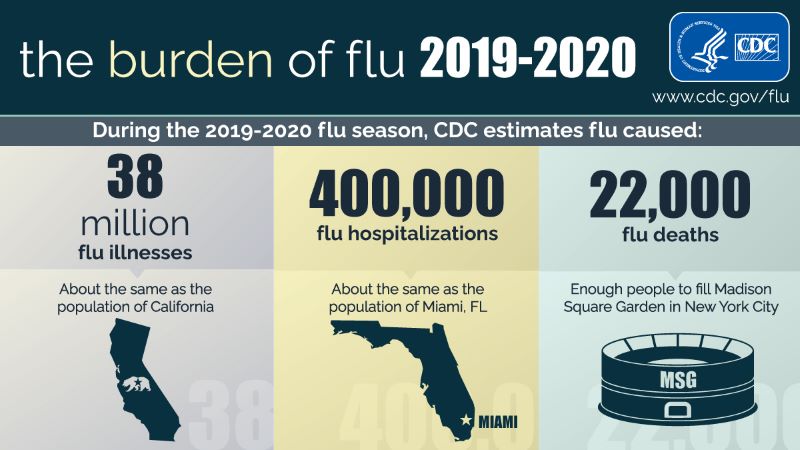
With the annual flu season looming, GPs are anticipating a frenzy of vaccinations, perhaps more so than ever this year. As so many ‘flu and respiratory viruses circulate every year, and as the ‘flu vaccine is for one strain of influenza only, is the vaccine worth getting, and what are the risks associated with vaccinating vs. not vaccinating?
In this week’s episode, we discuss the high vaccine uptake in New Zealand, and the role that social distancing for COVID-19 may have played in their low numbers of seasonal flu. We also talk about whether or not the message we give to patients about the benefits and risks of vaccination is transparent enough, and how we might communicate better with them to allow them to make an informed decision. We feel pressure to increase vaccination rates, because we believe we are protecting people, but does the evidence support that?
Our guests: Nikki Turner is the director of the Immunisation Advisory Centre (IMAC) at the university of Auckland. She is an academic general practitioner, and a professor at the university. Jeff Kwong is a professor at the University of Toronto, and the interim director of the Centre for Vaccine Preventable Diseases at the university’s Dalla Lana School of Public Health. Newest Oldest Longest Shortest Random


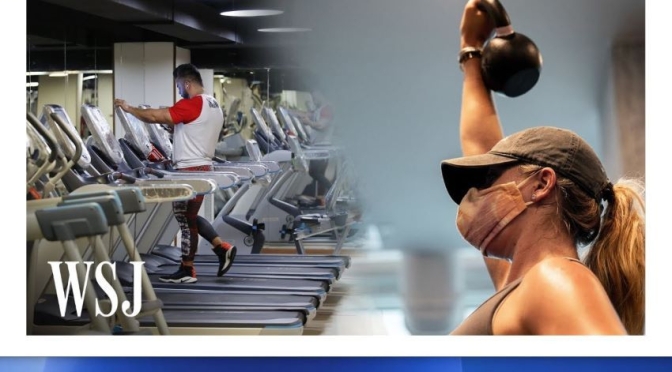
How might the coronavirus pandemic transform the fitness industry? To find out, WSJ spoke with the CEO of Planet Fitness, an independent gym owner, and an industry analyst to learn about what we can expect for the future of fitness.




 Boomers Daily