
From a Harvard Heart Health online article:
 For the study, nearly 8,300 people at risk for heart disease had fasting and nonfasting lipid profile tests done at least four weeks apart. (Fasting means they had nothing to eat or drink except water for at least eight hours before the test.) The differences in their total, LDL, and HDL cholesterol values were negligible. Triglyceride levels were modestly higher in the nonfasting samples.
Don’t want to skip breakfast before your cholesterol test? You probably don’t need to. A study published online May 28 by JAMA Internal Medicine adds to the evidence that fasting isn’t necessary before this common blood test, often referred to as a lipid profile.
To read more click on following link: https://www.health.harvard.edu/newsletter_article/farewell-to-fasting-before-a-cholesterol-test
 In people having lack of Vitamin D, the muscle strength of waist, back, neck decreases. Decreased muscle strength can cause herniated disc and cervical discal hernia. All of this is reflected in the patient’s pain. We wanted to pay attention to the necessity of considering the lack of Vitamin D in low back pain (LBP) which is one of the common complaints of our patients.
 Antibiotic resistance is a global threat for public health. It is widely acknowledged that antibiotics at sub-inhibitory concentrations are important in disseminating antibiotic resistance via horizontal gene transfer. While there is high use of non-antibiotic human-targeted pharmaceuticals in our societies, the potential contribution of these on the spread of antibiotic resistance has been overlooked so far. Here, we report that commonly consumed non-antibiotic pharmaceuticals, including nonsteroidal anti-inflammatories (ibuprofen, naproxen, diclofenac), a lipid-lowering drug (gemfibrozil), and a β-blocker (propanolol), at clinically and environmentally relevant concentrations, significantly accelerated the conjugation of plasmid-borne antibiotic resistance genes.
 This study, combined with the results of previous studies, supports the hypothesis that engaging in morning exercise may result in more weight loss compared to engaging in a similar amount of exercise later in the day. Furthermore, we observed individuals who performed most of their exercise sessions in the afternoon or evening tended to have slightly higher levels of EI and reduced NEPA and NEEx, suggesting that there are potentially important differences in the components of energy balance based on time of day exercise is performed.
 “A healthy diet and lifestyle are generally recognized as good for health, but this study is the first large randomized controlled trial to look at whether lifestyle changes actually influence Alzheimer’s disease-related brain changes,” said Susan Landau, a research neuroscientist at Berkeley’s Helen Wills Neuroscience Institute, and principal investigator of the add-on study.
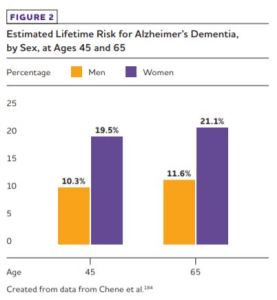 Scientists are beginning to understand why Alzheimer’s disease affects more women than men and why the disease seems to progress more quickly in women’s brains.

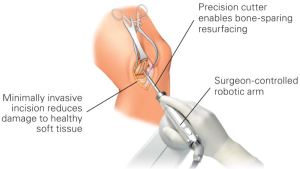 “Knee replacement is increasing in frequency, and it has an associated substantial cost implication to any health-care provider. It is also essential that patients receive the most efficacious operation for this condition. Before our study, and despite several cohort-based reports, knowledge of whether one operation type is superior, remained uncertain. Our 5-year study has indicated that both TKR and PKR are beneficial interventions but, based on our combined clinical and cost-effectiveness data and providing the operation is performed by those with adequate experience, we recommend that PKR should be offered as the treatment of choice for late-stage isolated medial compartment osteoarthritis of the knee.
 “Living a healthy lifestyle may help offset a person’s genetic risk of dementia, according to new research.
 Boomers Daily