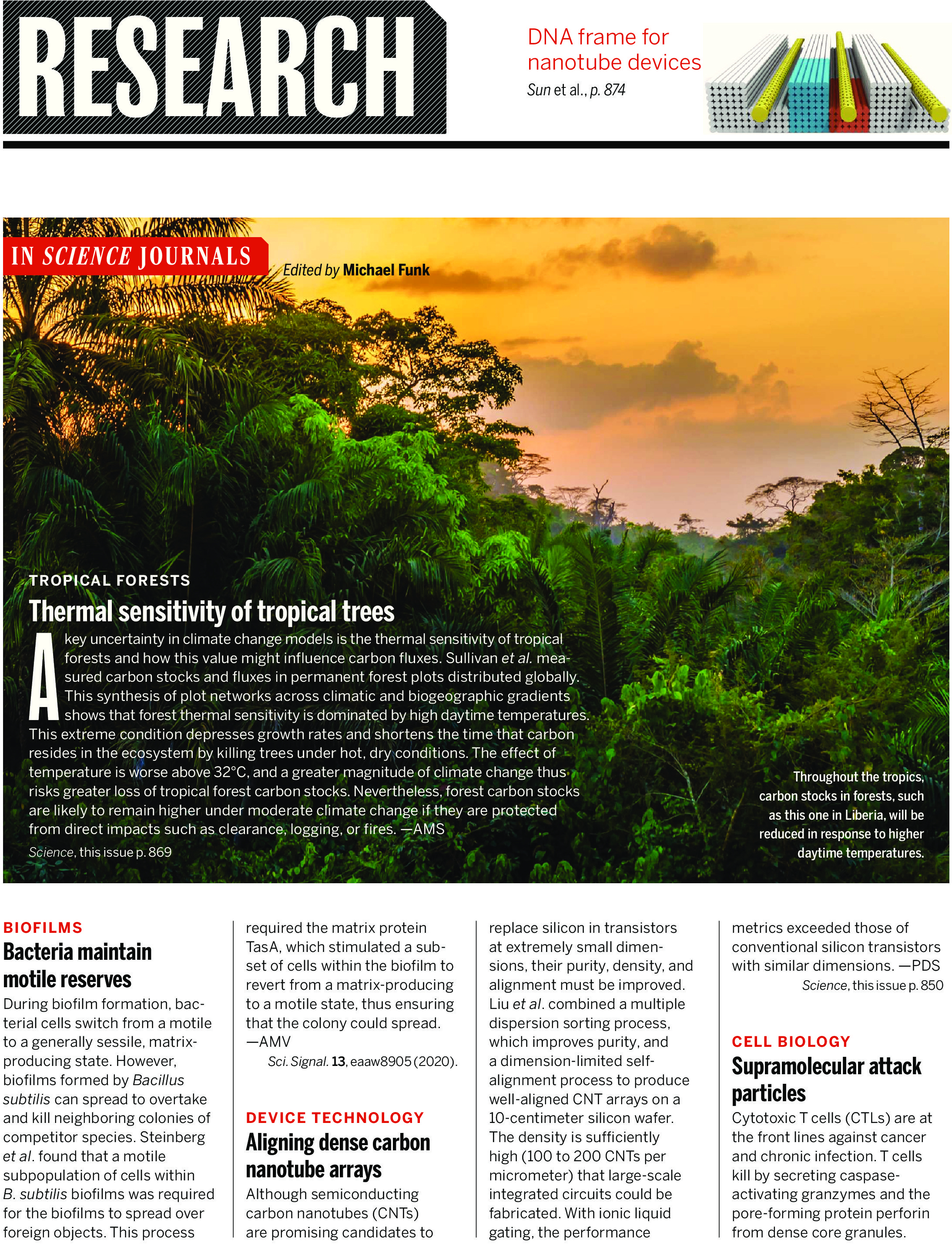
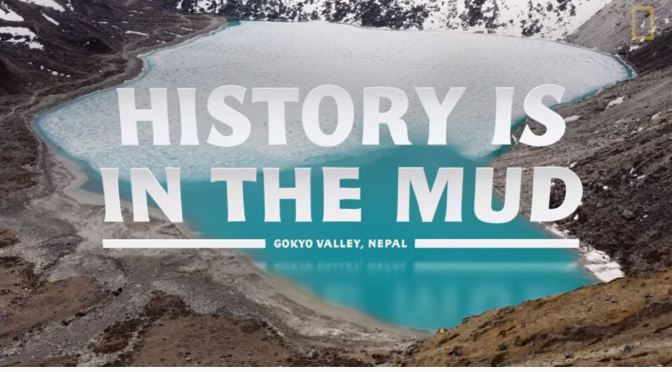
As part of the National Geographic and Rolex Perpetual Planet Everest Expedition, a team of scientists and Sherpa guides sets out to collect information about glacial change in the Himalayas. By extracting ice cores from the highest glacier in the world, the team has begun to uncover details about climate change that have – until now – been hidden in this hard-to-reach ice. The National Geographic Society uses the power of science, exploration, education, and storytelling to illuminate and protect the wonder of our world.
Nature looks at: Keeping electronics from overheating, Covid-19 changes, and how to include minority populations in genetic analyses.
In this episode:
00:46 Cool computers
Keeping components cool is a major hurdle when it comes to increasing electronic power. This week, we find out about a new way to integrate tiny microfluidic channels directly into circuits, to help keep them cool. Research Article: van Erp et al.
06:57 Coronapod
By comparing coronavirus genomes taken from people around the world, researchers are getting an idea of how SARS-CoV-2 is changing as it spreads. We discuss a particular genetic mutation that rapidly became dominant early in the pandemic, and the effect it may have had on the outbreak. News: The coronavirus is mutating — does it matter?
Minority populations are often underrepresented in genetic study recruitment. However, even when data about them is collected it may go unused. We find out why, and what can be done about it. Comment: Don’t ignore genetic data from minority populations
National Geographic Explorer M Jackson is fascinated by glaciers. That fascination takes her to Iceland where she tromps through ever-shifting ice tunnels and leads local students to see their country’s largest and most endangered glacier. The National Geographic Society uses the power of science, exploration, education, and storytelling to illuminate and protect the wonder of our world.
First up this week, Staff Writer Jennifer Couzin-Frankel talks with host Sarah Crespi about a rare inflammatory response in children that has appeared in a number of COVID-19 hot spots.
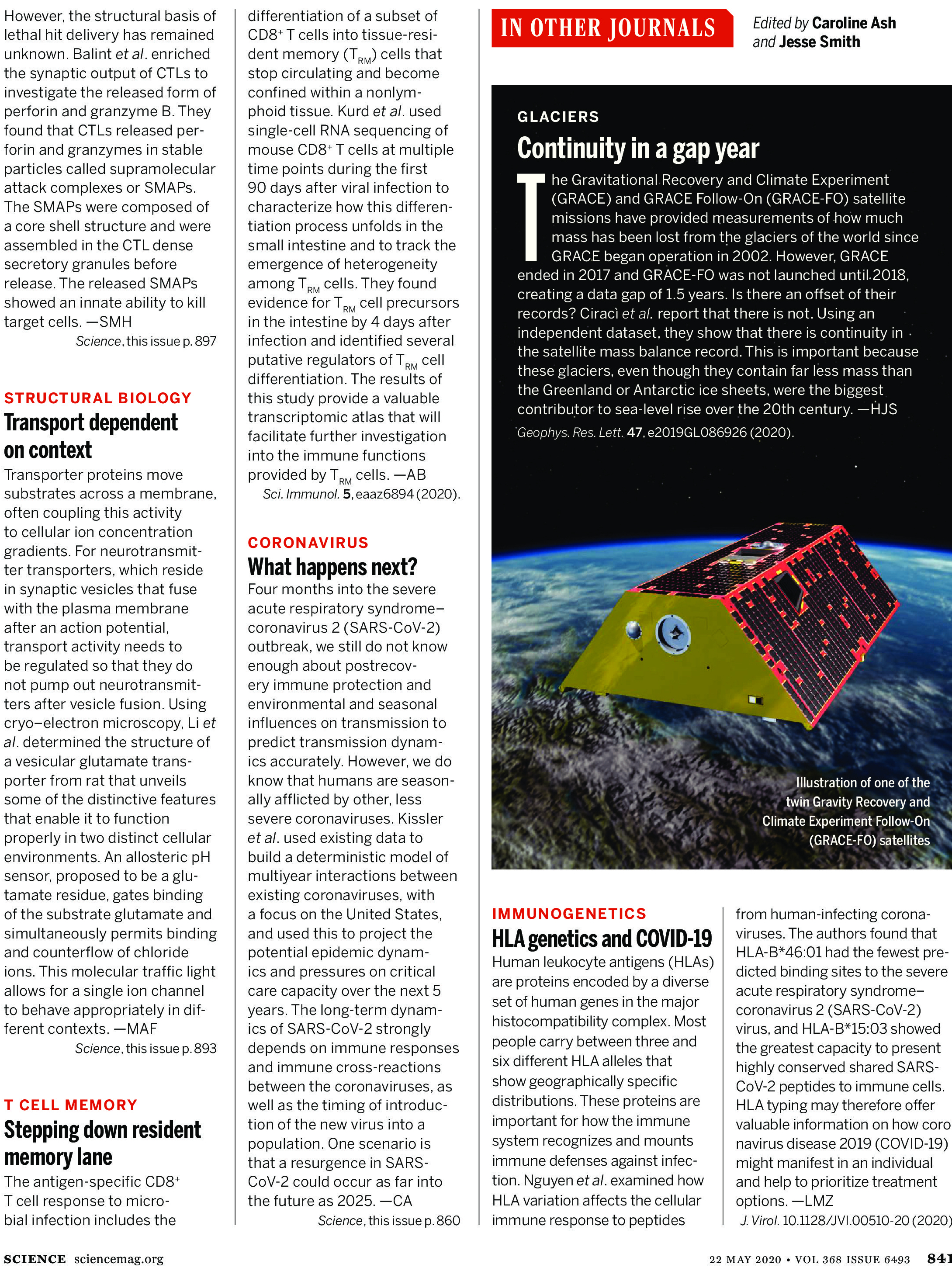
Next, Julian Dowdeswell, director of the Scott Polar Research Institute and professor of physical geography at the University of Cambridge, talks with producer Meagan Cantwell about tracing the retreat of Antarctica’s glaciers by examining the ocean floor. Finally, Kiki Sanford interviews author Danny Dorling about his new book, Slowdown: The End of the Great Acceleration―and Why It’s Good for the Planet, the Economy, and Our Lives.
Researchers have developed an ultra-fast electrical switch that they hope can be used in communication and imaging applications.
In this episode:
01:57 Speedy switches
Researchers have developed an ultra-fast electrical switch that they hope can be used in communication and imaging applications. Research Article: Nikoo et al.
“Iceland’s glacial rivers are nature’s abstract paintings. It seems obvious that rivers this wild and stunning are protected, yet the harsh reality is that many have been dammed, mainly to provide power for aluminum plants.
A massive conservation movement is underway to preserve these rivers, but will it succeed? At Glacier’s End gives a voice to Iceland’s glacial rivers – providing both a cultural and environmental perspective – on the journey from glacier to sea.”






 First up this week, Staff Writer Jennifer Couzin-Frankel talks with host Sarah Crespi about a rare inflammatory response in children that has appeared in a number of COVID-19 hot spots.




 Researchers have developed an ultra-fast electrical switch that they hope can be used in communication and imaging applications.
 “Iceland’s glacial rivers are nature’s abstract paintings. It seems obvious that rivers this wild and stunning are protected, yet the harsh reality is that many have been dammed, mainly to provide power for aluminum plants.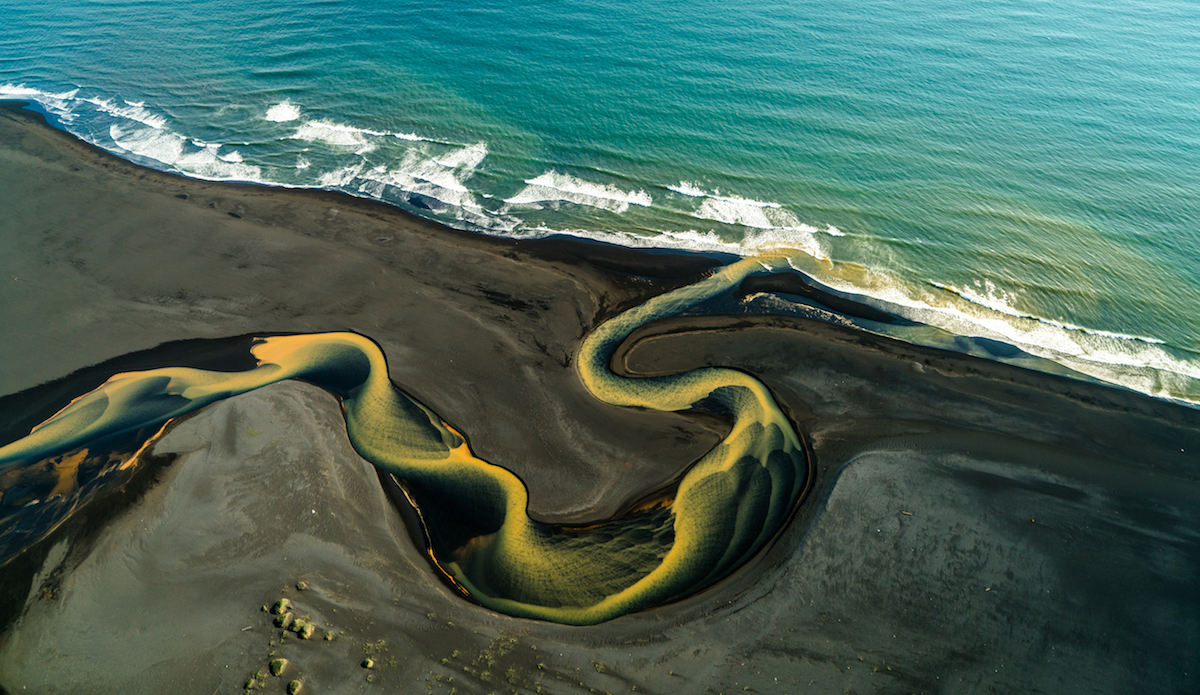
 Boomers Daily