
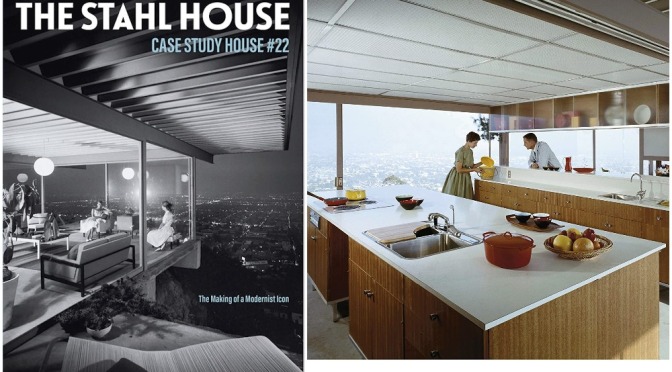
“Buck wanted to stand in every room from his house, turn his head, and see every view. Even the bathroom. And so that was kind of what inspired the design of the house.”
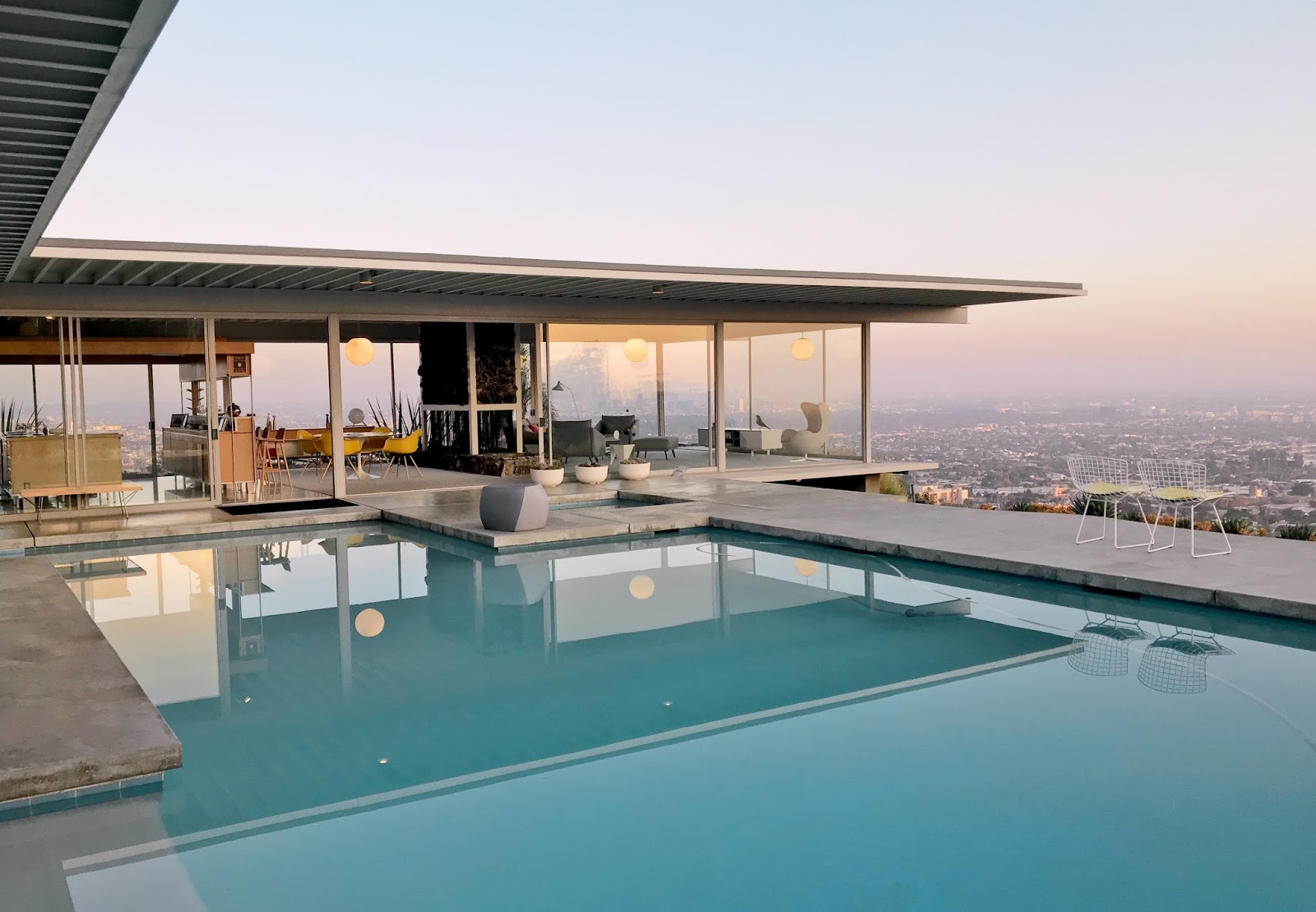
Among the most famous photographs of modern architecture is Julius Shulman’s picture of Case Study House #22, also known as the Stahl House after the family that commissioned it. Two girls in white dresses sit inside a glass cube that seems to float atop a cliff over the illuminated grid of Los Angeles at night. Built by a family with a “beer budget and champagne tastes,” the two-bedroom home designed by architect Pierre Koenig changed residential design in LA. While Shulman’s image and others of the building have appeared in countless publications, advertisements, films, and TV shows, the story of how the house came to be and what it was like to live there is less well known.
In this episode, Bruce Stahl and Shari Stahl Gronwald and writer Kim Cross discuss the story of how Case Study House #22 came to be and share personal stories about what it was like to grow up and live in the home, from roller skating across the concrete floors to diving off the roof into the pool. Stahl, Gronwald, and Cross are co-authors of the recent book The Stahl House: Case Study House #22; The Making of a Modernist Icon.
To buy the book The Stahl House: Case Study House #22; The Making of a Modernist Icon.

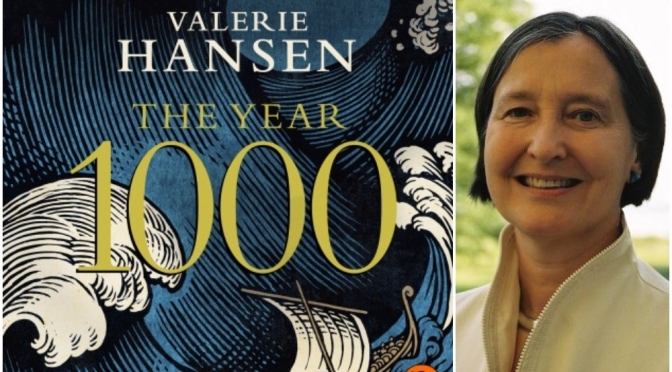
 Valerie Hansen explores these early economic and cultural exchanges and their long-term impact in her new book “The Year 1000: When Explorers Connected the World―and Globalization Began”, which originated as a college course co-taught with Mary Miller, director of the Getty Research Institute. In this episode, Hansen and Miller discuss the state of the world around the year 1000.
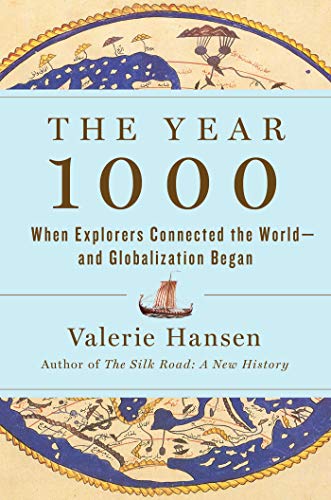 From celebrated Yale professor Valerie Hansen, a groundbreaking work of history showing that bold explorations and daring trade missions connected all of the world’s great societies for the first time at the end of the first millennium.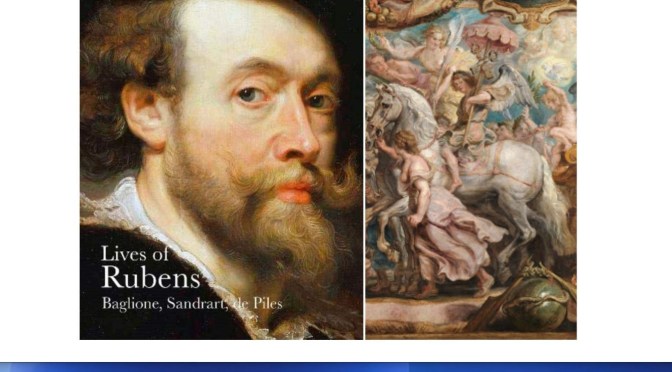
 Peter Paul Rubens was among the most influential artists in 17th-century Europe. Despite a childhood marred by a scandal that landed his father in prison, Rubens rose to become not only a prominent court painter in the Spanish Netherlands but also a lauded diplomat who worked across Western Europe.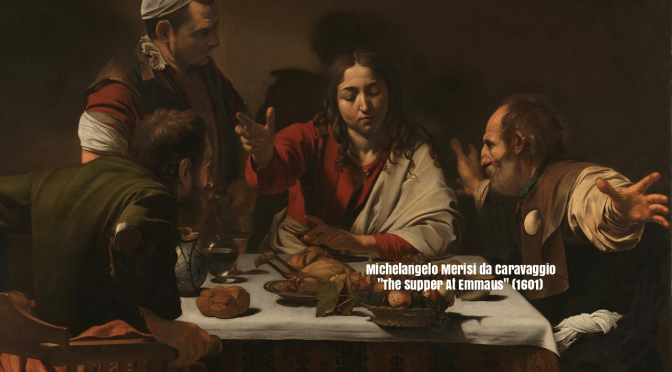
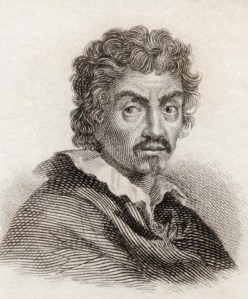 Caravaggio was also notorious for his wild life and shocking temper. After being sentenced to death for murder, he fled Rome and died in exile at age 38 . Three biographies written in the decades after his death constitute nearly all that is known about the enigmatic artist.
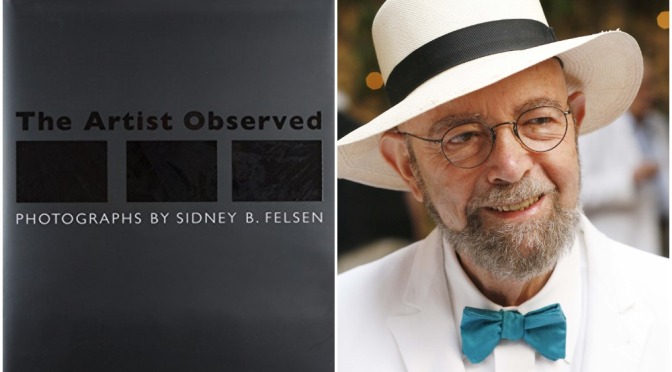
 In this episode, Sidney talks about how Gemini GEL got started and grew into the organization it is today, sharing stories about the artists he’s worked with along the way.
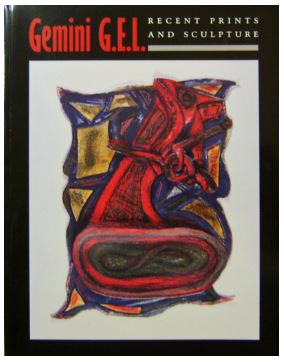 In 1966, at the age of forty-one, Sidney Felsen moved from the world of accounting to that of art, founding the artists’ workshop and fine-art print publisher Gemini GEL in Los Angeles. With Gemini GEL, Sidney quickly got to work with some of the biggest artists of the twentieth century: Man Ray, Josef Albers, Jasper Johns, and Robert Rauschenberg, to name a few. And Gemini GEL continues its work with new generations of artists, including Julie Mehretu, Tacita Dean, and David Hammons.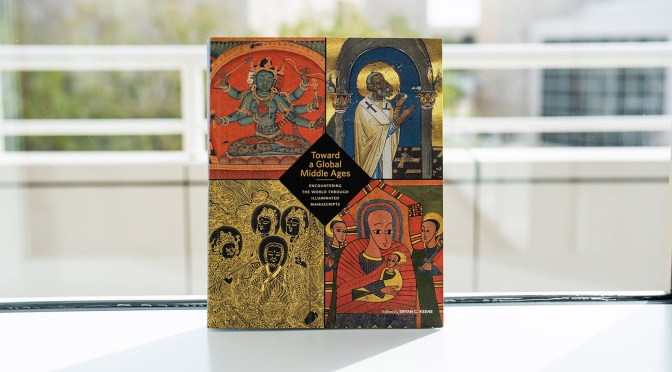
 What was the world like from 500 to 1500 CE? This period, often called medieval or the Middle Ages in European history, saw the rise and fall of empires and the expansion of cross-cultural exchange.
  Boomers Daily