The Japanese cherry blossom, or sakura, has long been adored by people across the globe. It is regarded as a symbol of renewal, vitality, and beauty. During the spring season of each year, thousands travel to Japan to view the wondrous spectacle of these white or pink flowers blooming en masse.
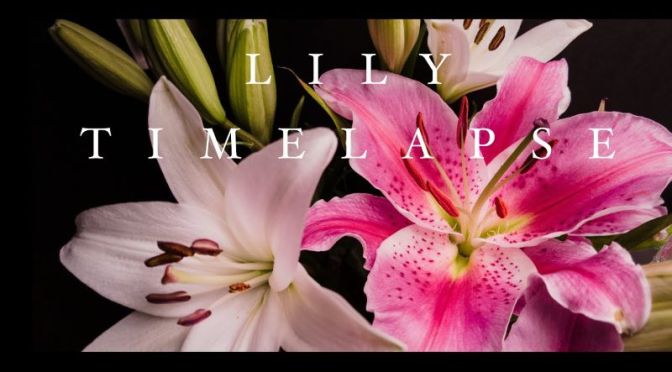
A short video of pink and white lilies blooming over the course of a week. The video is comprised of roughly 1,300 photos, compiled at 24 frames per second. Hope you enjoy it. Music is “Overlook” by Roary (via Musicbed)
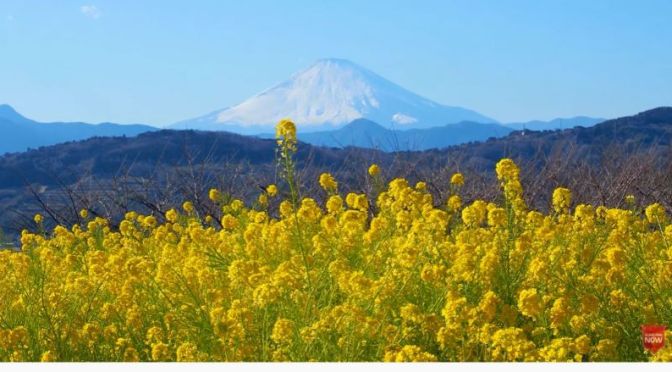
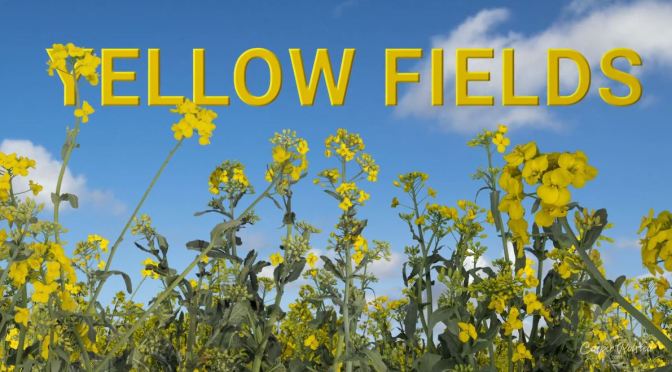
Every spring bright yellow fields occur for a few weeks all over the world. These beautiful carpets of yellow are the Rapeseed crop blooming. Many may be familiar with this crop under its other name of Canola.
The crop grows to 100 cm (39 in) in height and the flowers are about 17 mm (0.67 in) across.
Crops from the genus Brassica, including Rapeseed, were among the earliest plants to be widely cultivated by mankind as early as 10,000 years ago.
Today Rapeseed is used for production of animal feed, edible vegetable oils, and biodiesel.
From a The Economist online article (March 23, 2020):
In this year of coronavirus contagion, however, the prospect of cheek-by-jowl hanami parties has alarmed the authorities. Tokyo’s government has urged people to steer clear of gatherings “that involve food and drink” to slow the spread of infection. To little effect.
EVERY MARCH and April trees along the banks of the Meguro river in Tokyo fleetingly erupt with fat pink and white cherry blossoms, heralding the arrival of spring. For a few glorious weeks, millions of people across the city flee the drudgery of the office and factory to spend an hour or two in places like this, eating and drinking under falling sakura petals. It is a ritual with ancient roots, with a chapter devoted to it in “The Tale of Genji”, a tenth-century work that is perhaps the world’s first novel.
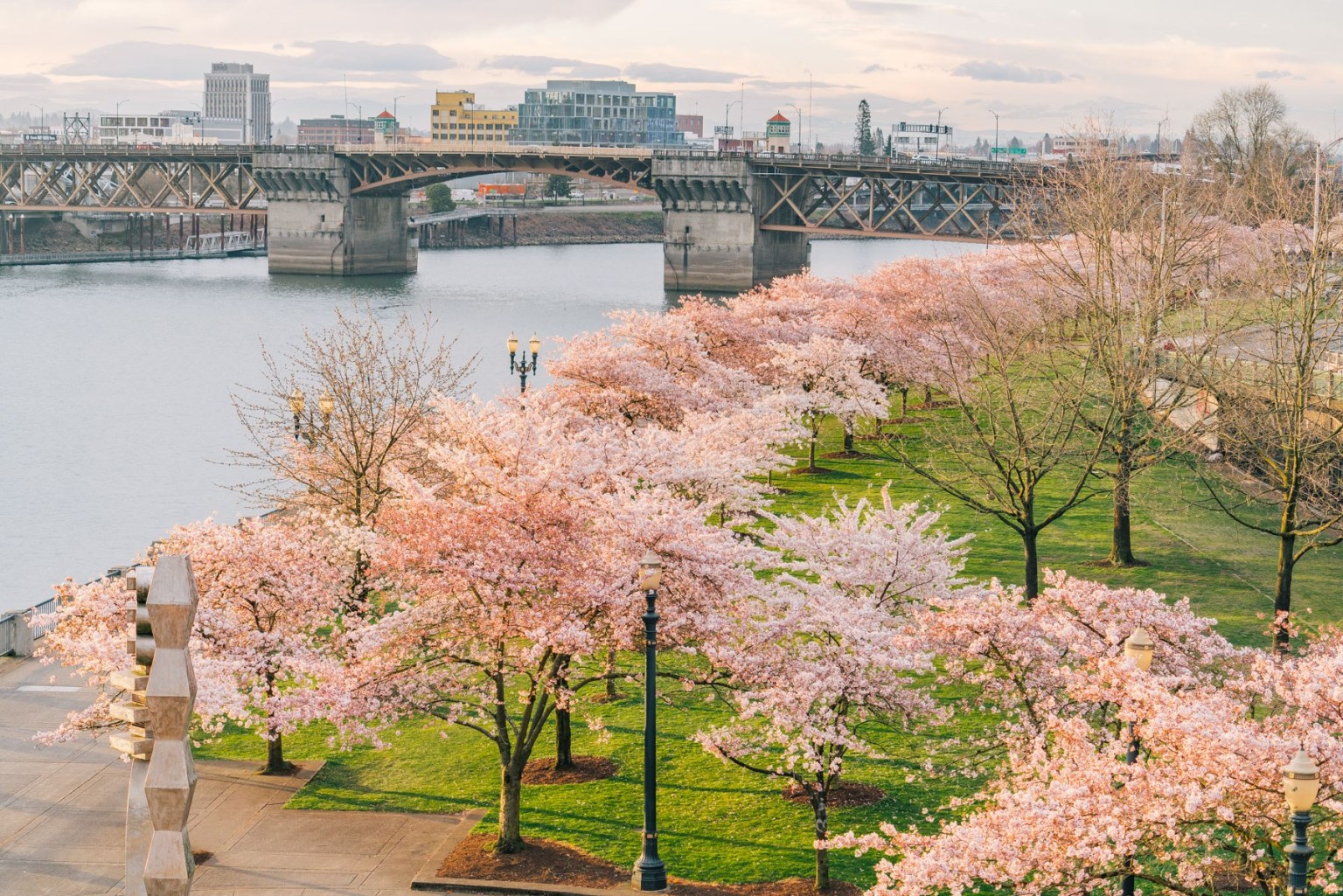
This video shows you exactly why you NEED to see the cherry blossoms at Tom McCall Waterfront Park in Portland, Oregon. Peak bloom varies from year to year but tends to occur around the first day of spring.
It’s springtime at the Central Garden. Birds are singing, the azaleas are glowing, and burgundy tulips and blue irises line the paths. However, the crowds are gone—the Getty Center has closed temporarily to minimize the spread of coronavirus.
A view back toward the Getty Center from the furthest point of the Central Garden. Photo by Sarah Waldorf
The quiet comes at a time of transition for the garden. Spring always brings change and renewal, but this year Getty’s new horticulturist, Jackie Flor, has been trying to channel the vision of the garden’s creator, artist Bob Irwin, as she brings the garden back to his original intent
Does the new Golden Celebration rose with its rich, sweet scent honor Irwin’s intentions for that spot? How about the trio of new Redbuds ready to pop? And how would he feel about her attempts to curtail the wildly proliferating Madeira Island Geranium? Yes, they were his favorite plant, but they have run rampant.
“I’m not heartless,” she said a few weeks ago about the robust plants with pink flowers. “But they need to be tucked back into their proper place.”


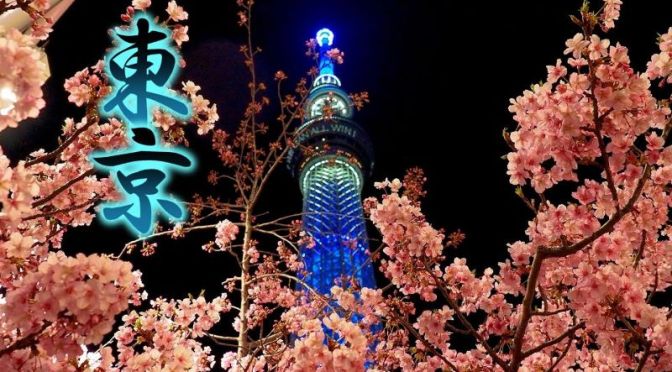

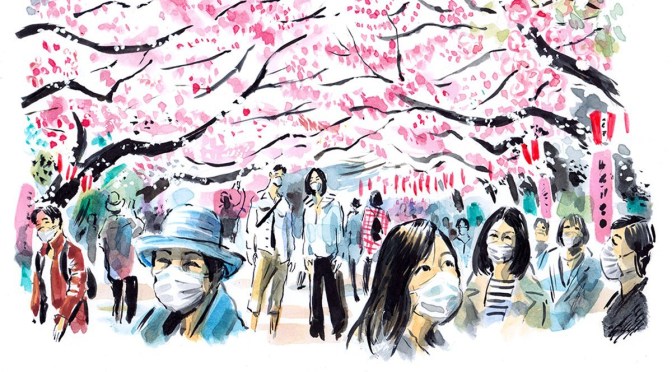

 EVERY MARCH and April trees along the banks of the Meguro river in Tokyo fleetingly erupt with fat pink and white cherry blossoms, heralding the arrival of spring. For a few glorious weeks, millions of people across the city flee the drudgery of the office and factory to spend an hour or two in places like this, eating and drinking under falling sakura petals. It is a ritual with ancient roots, with a chapter devoted to it in “The Tale of Genji”, a tenth-century work that is perhaps the world’s first novel.
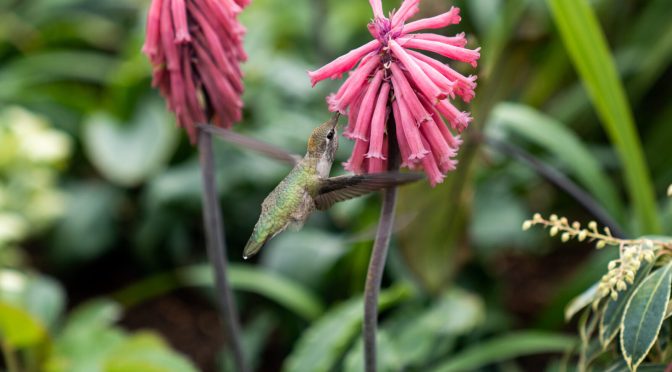

 The quiet comes at a time of transition for the garden. Spring always brings change and renewal, but this year Getty’s new horticulturist, Jackie Flor, has been trying to channel the vision of the garden’s creator, artist Bob Irwin, as she brings the garden back to his original intent
 Boomers Daily