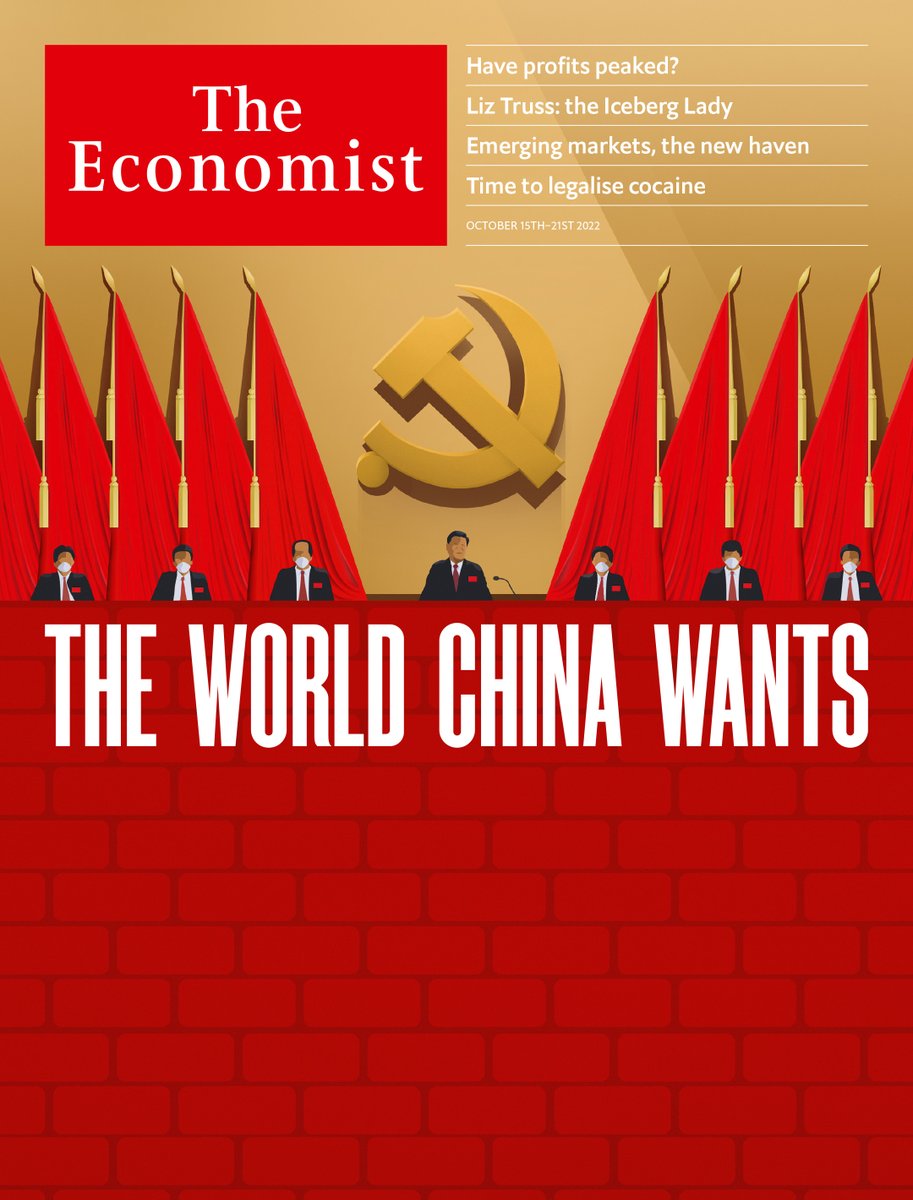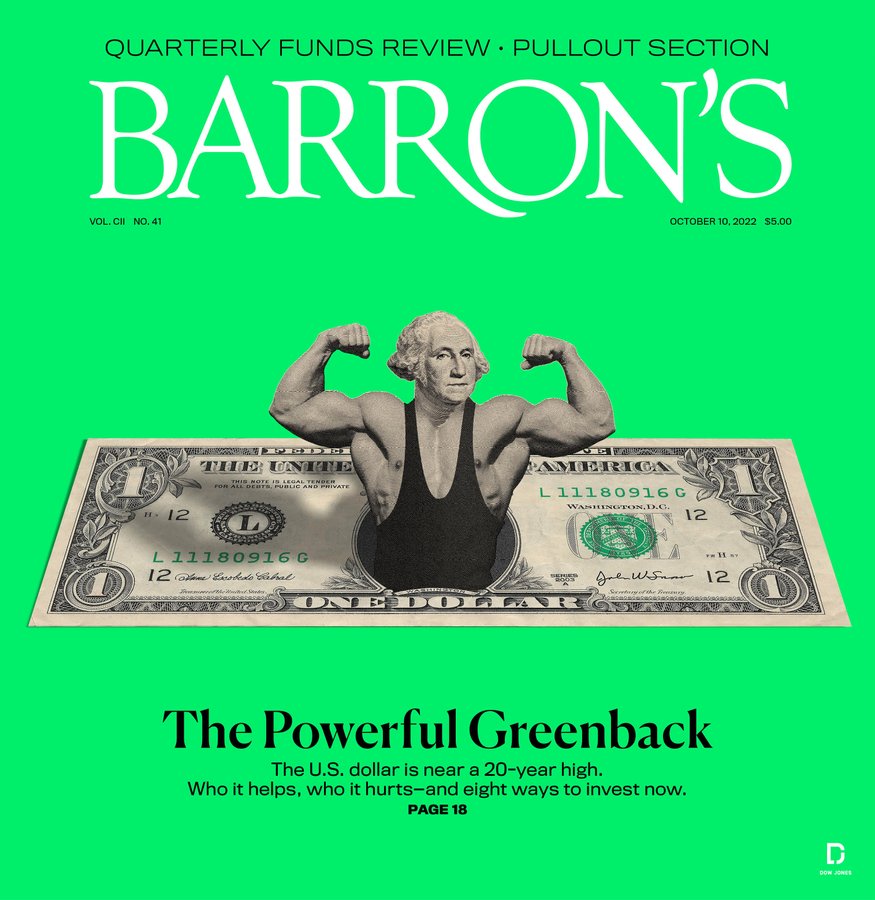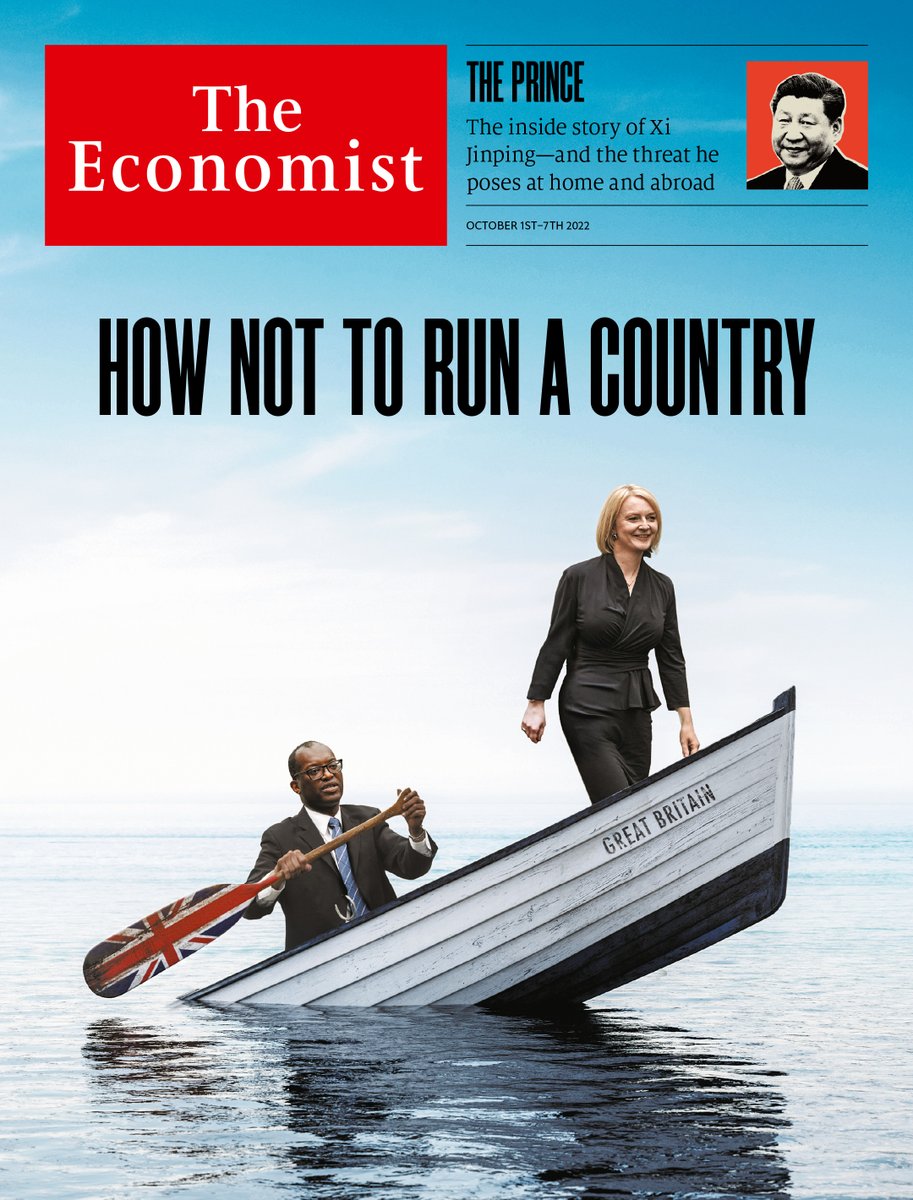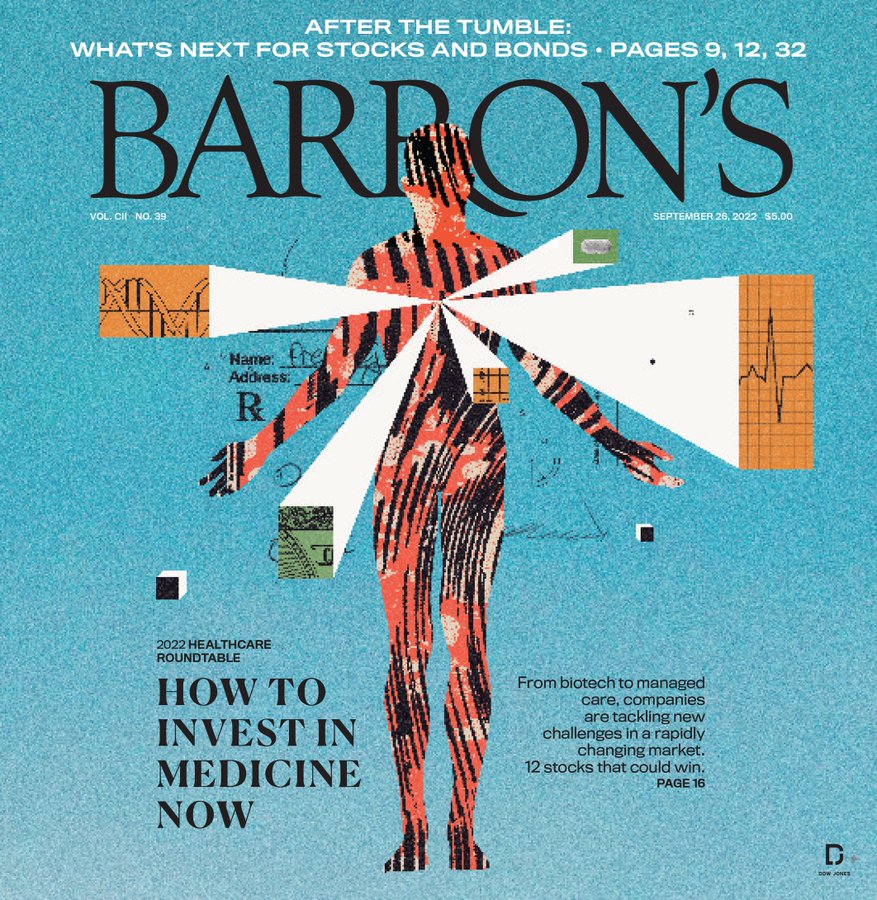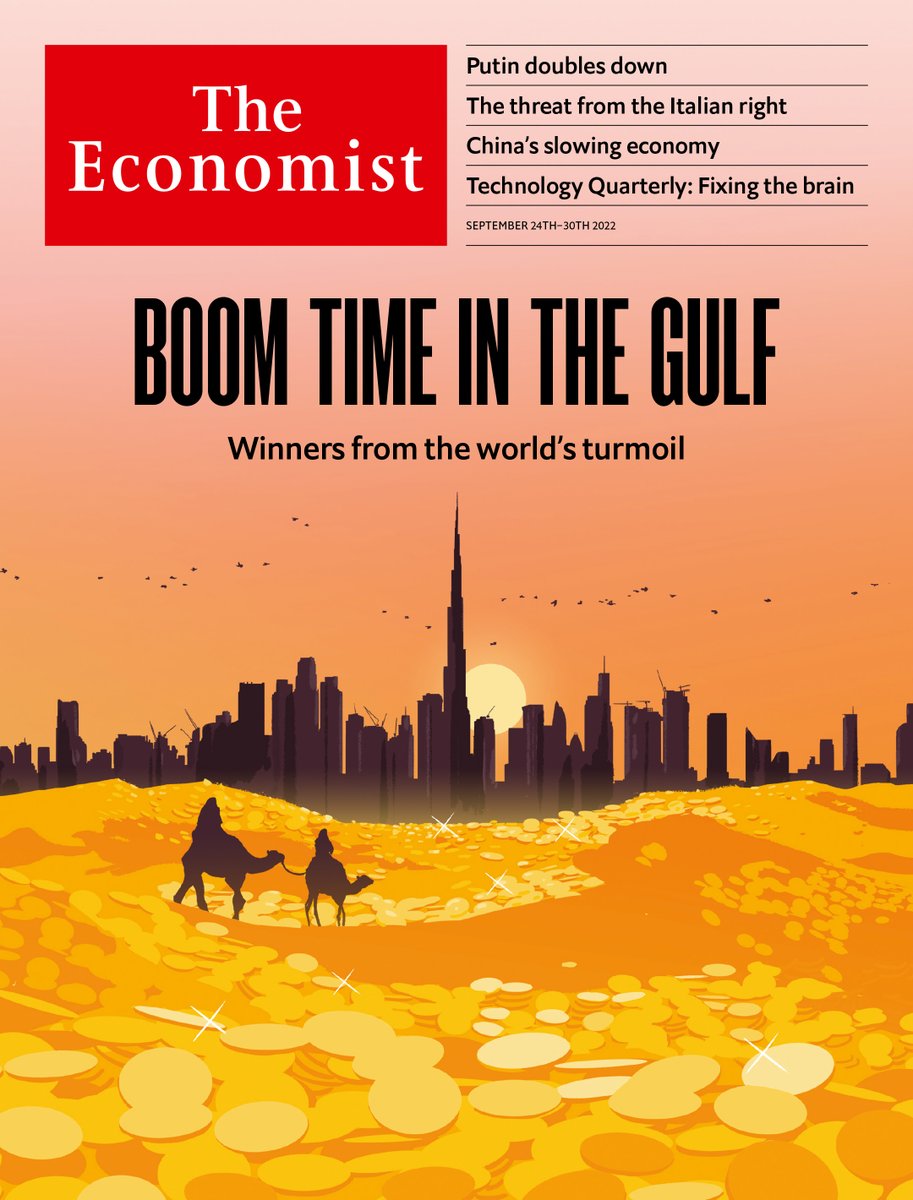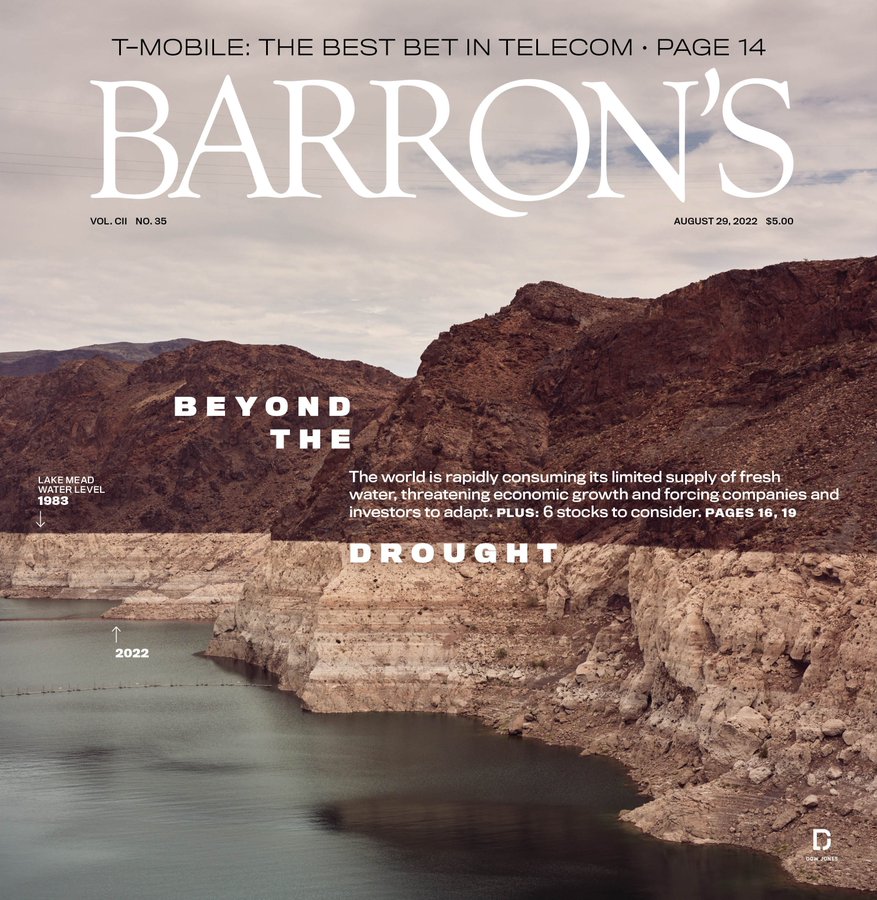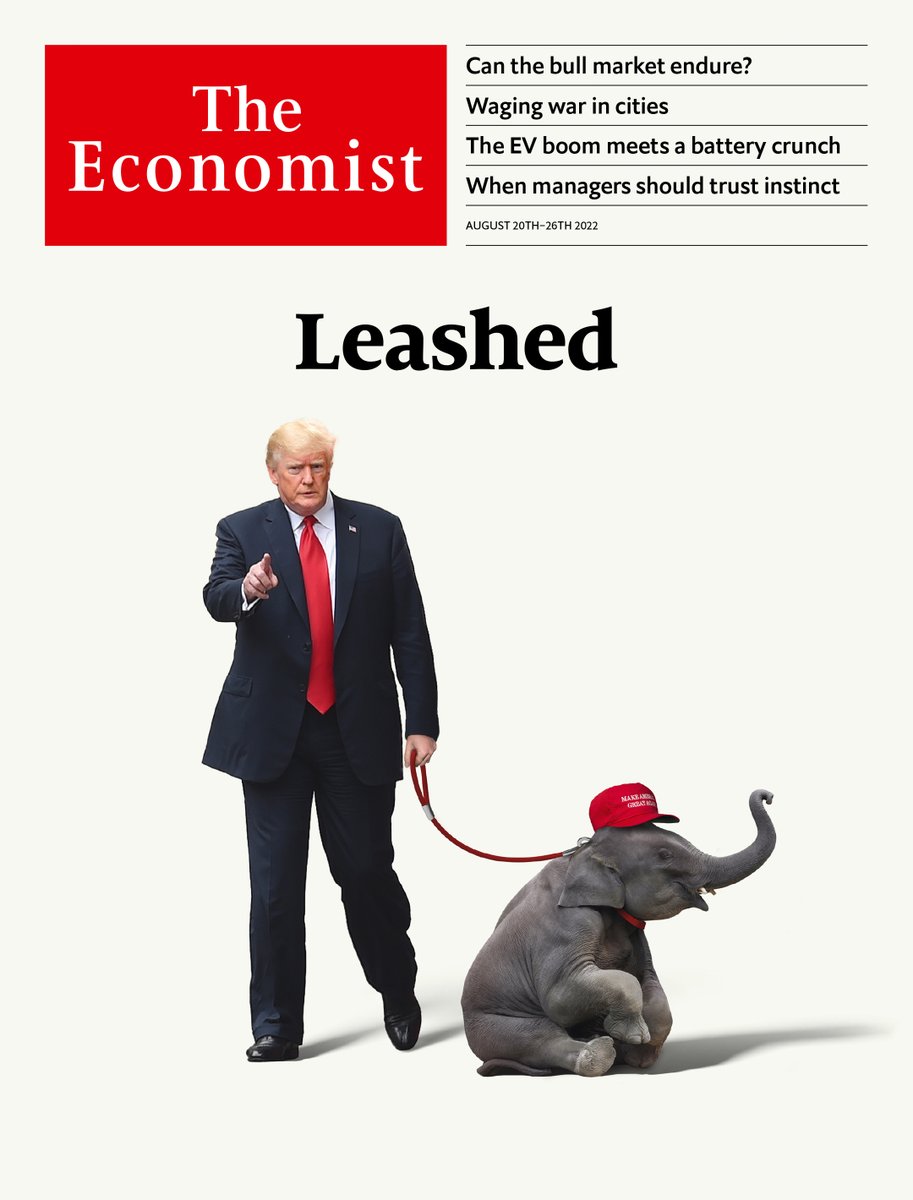
Commodities sit at the crossroads of some of today’s biggest investment themes—but not all will do well. In this issue: pic.twitter.com/TSJZ4YtZCA
— Barron's (@barronsonline) January 8, 2022
Tag Archives: Finance
Cover Previews: Barron’s Magazine – December 20
Analysis: Why Airlines Aren’t More Profitable
Passenger airlines are a crucial industry in the global economy, but the sector is also extremely volatile. Running a passenger airline is an asset-intensive industry with narrow profit margins.
Despite the risks, the industry has experienced some periods of consistent growth, which can lull investors into a false sense of security. Watch the video above to learn whether investors should steer clear of the sector and why passenger airlines struggle to stay profitable.
Video timeline: 0:00 – Introduction 1:35 – Industry shocks 6:16 – Business models 8:28 – Deregulation and consolidation 12:55 – Industry outlook
Billionaire investor Warren Buffett once called himself an “air-o-holic” because of how tempted he is to invest in commercial airlines. But he learned the hard way, twice, that the industry can be a risky bet. Airline stocks have been on a wild ride since the beginning of the pandemic, which shows just how volatile the sector can be. “It seems that airlines once or twice a decade are hit with these really hard-to-process exogenous shocks, whether it’s something like 9/11 or the Great Recession,” said Adam Gordon, managing director and partner at Boston Consulting Group’s Airline Practice. The passenger airline industry is already asset-intensive, with narrow profit margins. Despite the risks, the industry has experienced some periods of consistent growth. Airlines saw big growth in profits for about a decade prior to Covid, which analysts attribute to the airlines restructuring post-9/11. These periods can lull investors into a false sense of security. In 2017, the CEO of American Airlines said he was confident the business was never going to lose money again. Airline stocks may be appealing to investors because the industry is crucial to the global economy. “If you just step back and you think about what service airlines are offering, they’re putting you in a metal tube, taking you up to 40,000 feet, and transporting you in relative or absolute comfort at hundreds of miles an hour to get from point A to point B. And if you think about the substitutes for that service, like, there really aren’t any,” said Gordon. “So it’s kind of surprising to me that an industry that delivers that kind of a service and does it with an absolutely impeccable operational and safety record is able to come under such pressure,” he added.
Front Page Views: The ‘Financial Times’ (July 26)
Stock Trading: The Rise Of Robinhood (WSJ Video)
The twists and turns of the online brokerage’s path to a public offering The brokerage app Robinhood has transformed retail trading. WSJ explains its rise amidst a series of legal investigations and regulatory challenges as it looks forward to its IPO. Photo illustration: Jacob Reynolds/WSJ
Finance: Why The Fed Will Create A Digital Dollar
The Federal Reserve is trying to figure out how to keep cash relevant in a cashless world. It’s considering digitizing the U.S. dollar, giving people money they can access on their phone and bypassing electronic payments that can be slow and costly for businesses. Illustration: Jacob Reynolds/WSJ
Economics: Is Inflation Making A Comeback? (WSJ)
Recently, the U.S. inflation rate reached a 13-year high, triggering a debate about whether the country is entering an inflationary period similar to the 1970s. WSJ’s Jon Hilsenrath looks at what consumers can expect next. Photo: Alexander Hotz
Money & Investments: Bitcoin – Explained (Video)
Bitcoin and other cryptocurrencies set out to upend the financial order and replace conventional money. Bitcoin has certainly disrupted the global financial system, but can it ever live up to the hype? Read our latest report on cryptocurrency: https://econ.st/3wnYfRr
Finance: The $1 Trillion Market For ‘Green Bonds’
So-called green bonds have become more popular in recent years, and this fast-growing segment of the $128.3 trillion global bond market could grow even more. When an issuer sells a green bond, they’re making a nonbinding commitment to earmark the sale’s proceeds for environmentally friendly projects. That could include renewable energy projects, constructing energy efficient buildings or making investments in clean water or transportation. Green bonds fall under the wider umbrella of sustainable bonds, which include fixed-income instruments whose proceeds are set aside for social or sustainability projects. Big household names such as Apple and PepsiCo are diving into this space. A handful of massive banks and governments around the world are also issuing sustainable bonds, including China, Russia and the European Union. This may be contributing to the space’s rapid growth. A report from Moody’s said new sustainable bond issuance may top $650 billion in 2021. That would represent a 32% jump from 2020.
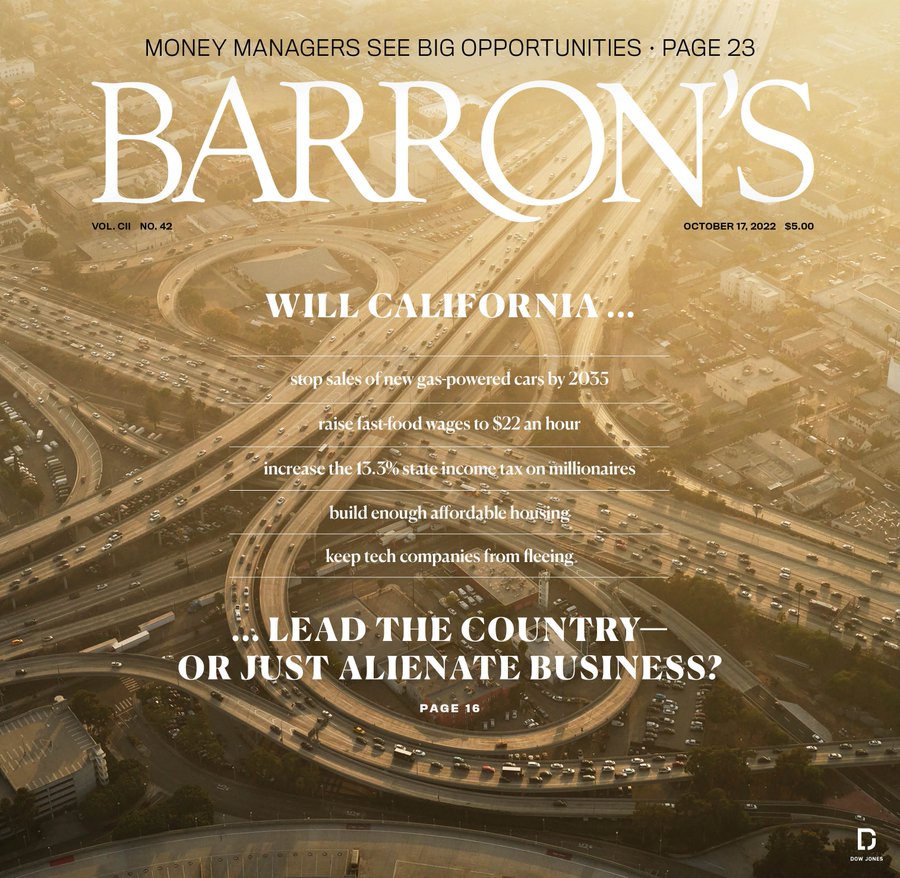
Analysis: Do The Wealthy Flee Higher Tax States?
To balance their budgets during the coronavirus pandemic, states including New Jersey and New York have raised taxes on the wealthy. Conservatives warn that it will cause many of those who left at the onset of the pandemic make those moves permanent since they’re no longer bound to the physical locations of their offices or their children’s schools. But available data from 2020 show that the so-called exodus wasn’t as pronounced as initially projected, and the urban exit that did happen, was to suburbs rather than low tax states.