
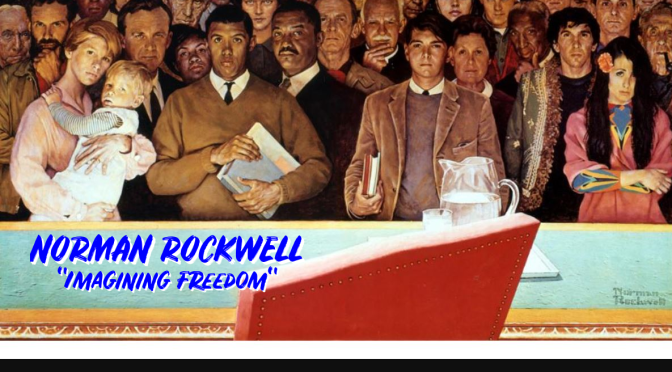
Norman Rockwell: Imagining Freedom explores themes and events in American history that still resonate today. (On View through September 7, 2020)

Four Freedoms
In the 1940s, Franklin D. Roosevelt developed a concept called the Four Freedoms—Freedom of Speech, Freedom of Worship, Freedom from Want, and Freedom from Fear—to persuade Americans to support the war effort. Not immediately embraced by the American public, the administration turned to the arts to help Americans understand and rally behind these enduring ideals. Artists, writers, actors, designers, and musicians were encouraged to take on the challenge of advancing the Four Freedoms as the U.S. prepared to enter World War II, moving away from its policy of neutrality.
Norman Rockwell, a renowned illustrator, was among those who took on the challenge to communicate visually the notions of freedom in support of the war efforts. The results were Rockwell’s popular Four Freedoms illustrations that depicted everyday community and domestic life that helped Americans rally for the defense of public freedom.
Civil Rights
The exhibition also showcases his post-war artworks from the 1960s, which address civil rights, human rights, and equality for all. One of the most powerful artworks on view in this section is the 1961 Golden Rule, which features people of different religions, races, and ethnicities with the inscription “Do Unto Others as You Would Have Them Do Unto You.” One of Rockwell’s most iconic images of the Civil Rights Movement, The Problem We All Live With, is also on display.
Contemporary Artwork
The exhibition concludes with a section of artworks and social commentary by contemporary artists responding to themes of freedom and American identity. The 2015 painting, Freedom from What? (I Can’t Breathe) by artist Maurice “Pops” Peterson will likely prompt discourse due to its relevance today. Peterson’s take on Rockwell’s Freedom from Fear, explores the idea that not all American families enjoy the privilege of safety, and depicts a newspaper headline with the words “I Can’t Breathe,” spoken by Eric Garner, a Black man killed during an interaction with New York police in 2014.
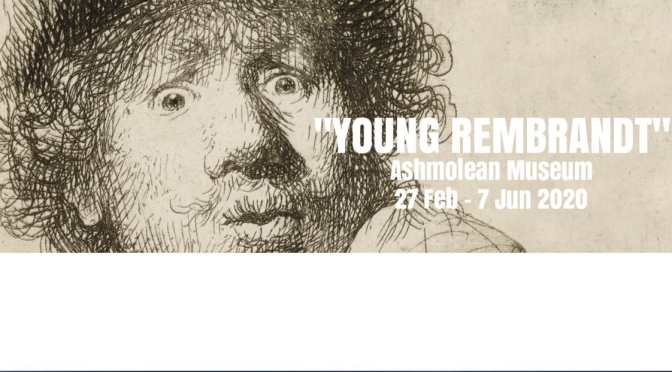
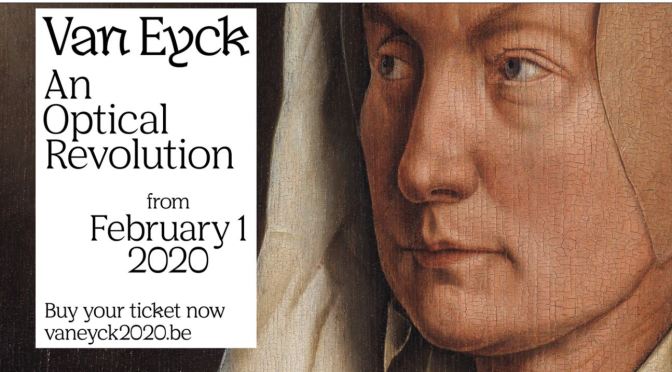
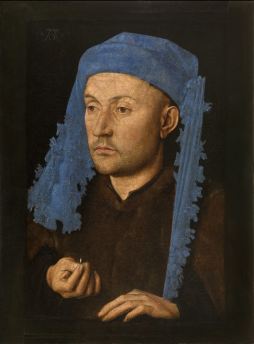
 In dialogue with Van Eyck’s contemporaries
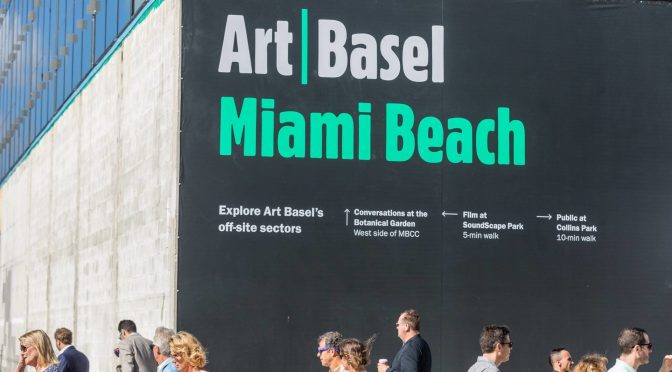
 Over 200 of the world’s leading international Modern and contemporary art galleries display artworks by over 4,000 artists, including paintings, sculptures, installations, photography, film, video, and digital art. Visitors can find works ranging from editioned pieces by young artists to museum-caliber masterpieces.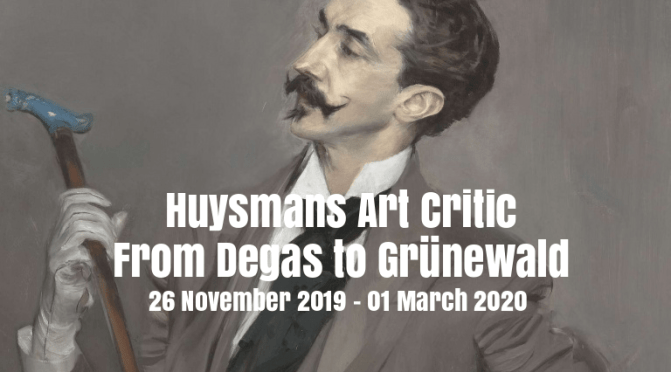
 A key writer of the late 19th century, Joris-Karl Huysmans (1848-1907) was an art critic who is still little known or little understood by the general public. However, his contribution to the artistic press and the aesthetic debate was as decisive as the impact of his novel
 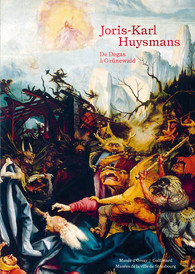 More passionate about Hals and Rembrandt until his discovery of Degas in 1876-1879, Huysmans admitted that this was a defining moment. And yet, his art criticism immediately accepted the possibility of a double modernity. The modernity of the painters of modern life and that of the explorers of dreams were not mutually exclusive. Here, Manet coexists with Rops and Redon. The desire Huysmans showed very early on to escape from the logic of church doctrine no doubt blurred the perception of his aesthetic choices.
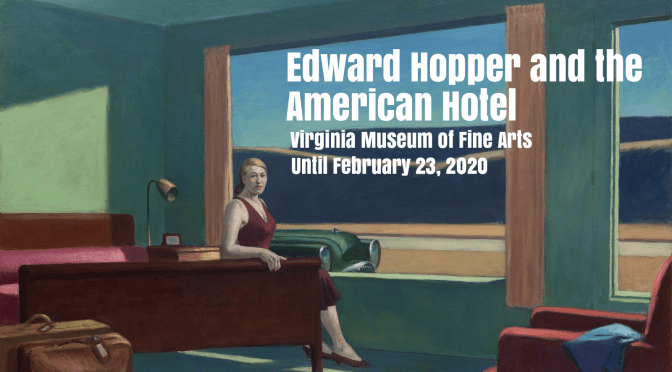
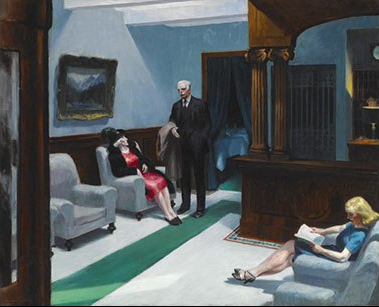 Isolation was a persistent theme in Hopper’s art and life. Was he dogged by isolation or did he pursue it? ‘Did anybody really know this silent, non-communicative man?’ asked Raphael Soyer in a 1981 interview, 14 years after Hopper’s death. His friends recollected a cynical and taciturn artist, self-doubting, introspective and distrustful of fame. But before Hopper became the painter of lonely figures in all-night diners, he was the illustrator of raucous party scenes and smiling couples waltzing together at summer fêtes.
 The artist incorporates an array of art historical scenes such as John Martin’s English-Romantic apocalypses and Edouard Manet’s Luncheon on the Grass with ubiquitous imagery sourced from the Internet. The highly rendered areas in her paintings resemble a cascade of Google image search results where cellphone photos of skylines and gardens slide past gestural marks.
  Shulamit Nazarian is pleased to present Strange Little Beast, a solo exhibition of new works by Los Angeles-based painter Annie Lapin. This will be the artist’s first solo exhibition with the gallery.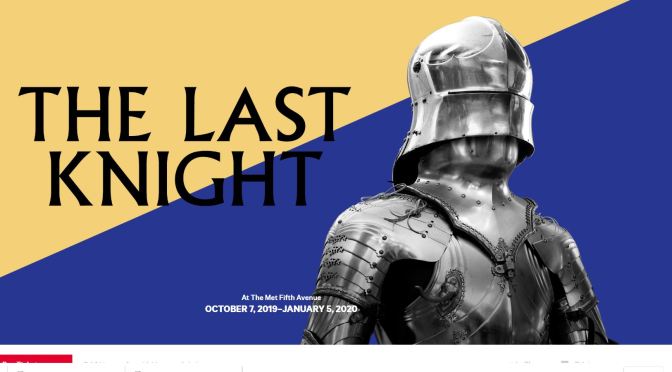
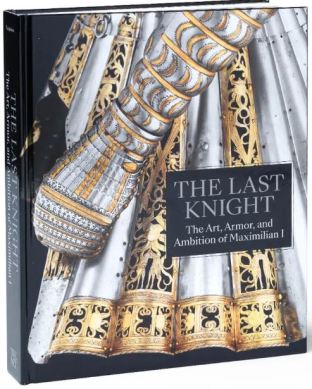 The Last Knight: The Art, Armor, and Ambition of Maximilian I examines the profound significance of European armor at the dawn of the Renaissance, through the lens of Emperor Maximilian I’s (1459–1519) remarkable life. On view only at The Met, The Last Knight coincides with the five-hundredth anniversary of Maximilian’s death, and is the most ambitious North American loan exhibition of European arms and armor in decades. Including 180 objects selected from some thirty public and private collections in Europe, the Middle East, and the United States, The Last Knight will explore how Maximilian’s unparalleled passion for the trappings and ideals of knighthood served his boundless worldly ambitions, imaginative stratagems, and resolute efforts to forge a lasting personal and family legacy.
 Boomers Daily