From a NextAvenue.org online review:
 Am I Still a Man?
Masculinity is not a natural collection of individual traits but, rather, a cultural story, a plot or a script by which men are judged and judge themselves. One problem is that this script for masculinity stops at midlife. For most old men in American society, there are no landmarks of achievement or value; no lighthouse guiding one’s moral compass; no employment office with the sign “old men wanted.” There is only the province of retirement — a barren place often marked by an absence of wealth, prestige and personal meaning.
Do I Still Matter?
At least since the institutionalization of retirement in the mid-20th century, old men have often felt marginalized, useless or invisible. Retirement is a primary source of depression for those whose identities and self-esteem have depended on being productive, earning a living and being engaged with others in the workplace. Employment and volunteer work are often less possible for men who have reached their 80s.
What Is the Meaning of My Life?
Because our society provides old people with no widely shared meanings or norms by which to live, the task of finding significance in later life falls to individuals in their relationships with family and community.
Meaning is partly a matter of love and of relevance. If I love and am loved, my life has significance. Meaning is also a moral question: Have I lived a good life by my own lights? Did I, and do I, measure up to my own expectations and to the standards of my family, religion, community and nation?
Am I Still Loved?
Love, of course, means many things. There is love of God. There is love that comes from God or a Divine Being or Beings — love that carries existential meaning. It is the kind of love Ram Dass received from his guru Neem Karoli Baba, who inspired him to live a life of loving service on the path toward merging with Brahman, the ultimate reality in Hinduism.
To read more: https://www.nextavenue.org/questions-older-men-ask-themselves/?hide_newsletter=true&utm_source=Next+Avenue+Email+Newsletter&utm_campaign=1eb08d4dfa-12.10.2019_Tuesday_Newsletter&utm_medium=email&utm_term=0_056a405b5a-1eb08d4dfa-166479103&mc_cid=1eb08d4dfa&mc_eid=6cab05fae0

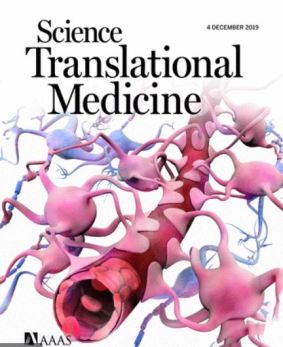 “Amyloid is important in initiating disease, but the actual damage in the brain is probably due to the accumulation of tau,” Holtzman told MedPage Today. “Normally, tau protein is inside cells, but there is more and more evidence suggesting that its spread to different parts of the brain is responsible for the progression of Alzheimer’s disease.”
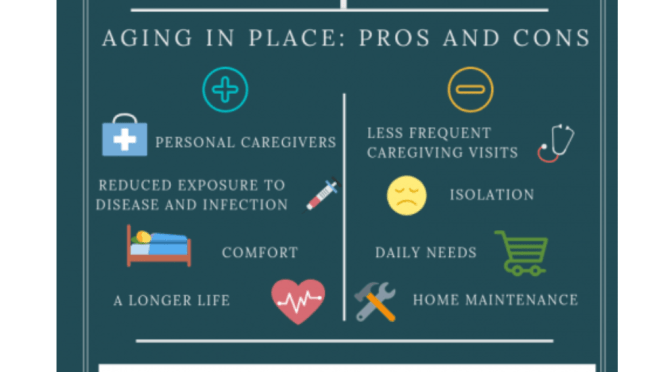
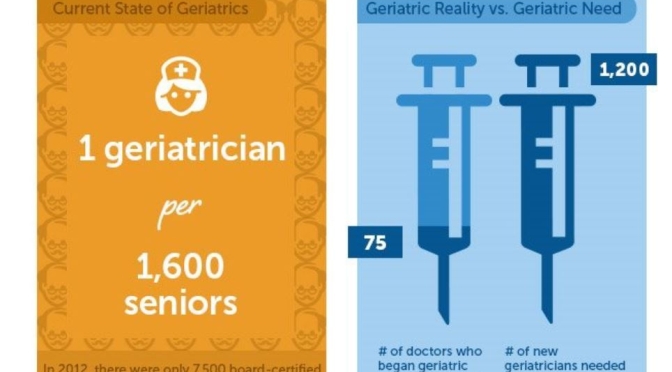
 If one geriatrician can care for 700 patients with complicated medical needs,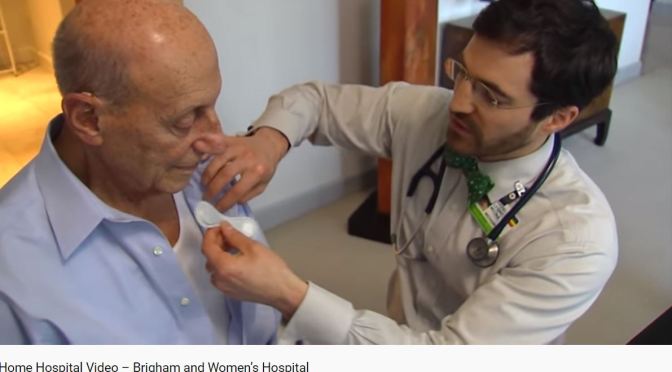

 The Social Security Administration (SSA) scam is the
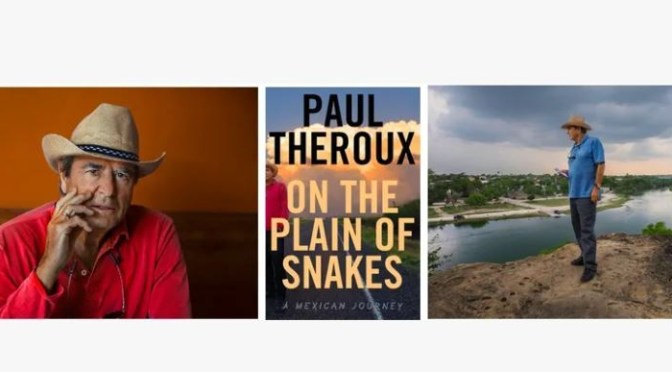
 I think of myself in the Mexican way, not as an old man but as most Mexicans regard a senior, an hombre de juicio, a man of judgment; not ruco, worn out, beneath notice, someone to be patronised, but owed the respect traditionally accorded to an elder, someone (in the Mexican euphemism) of La Tercera Edad, the Third Age, who might be called Don Pablo or tío (uncle) in deference. Mexican youths are required by custom to surrender their seat to anyone older. They know the saying: Más sabe el diablo por viejo, que por diablo – The devil is wise because he’s old, not because he’s the devil.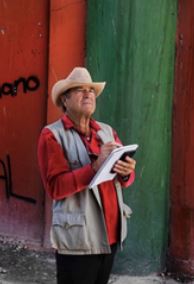
 The Grand Challenge Prize is looking for bold, audacious innovations, ideas that can really change aging. We’re looking in science, in technology and engineering, in policy, social sciences, behavioral sciences, economic policy, in traditional medical science and health care, and in work focused on specific diseases. It’s really very broad. We’re looking for innovative thinking that can have global impact. The prizes are going to roll out on three levels. There will be 450 Catalyst Prizes awarded over a three-year period. The first of the three yearly calls will be in January 2020. Once it’s announced, there will be six weeks to submit your idea — just the idea, it doesn’t require any pilot work — and a two-page application. They’ll be reviewed within four months and prizes announced by July. The Catalyst Award is intended as seed funding to get the idea into its earliest stages of development. They’re relatively small in dollar amount, about $50,000 each, but they will give access to an annual meeting bringing together world experts in these fields.
 Boomers Daily