
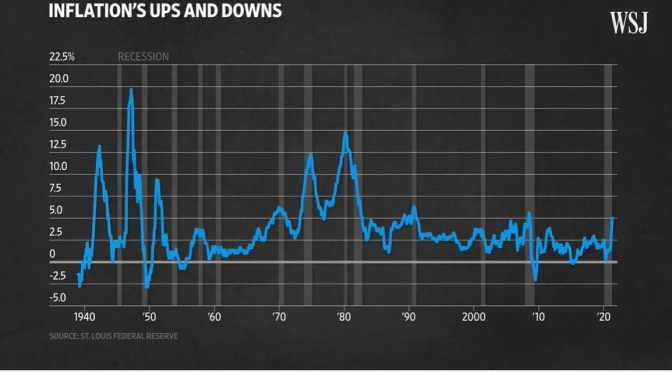
Recently, the U.S. inflation rate reached a 13-year high, triggering a debate about whether the country is entering an inflationary period similar to the 1970s. WSJ’s Jon Hilsenrath looks at what consumers can expect next. Photo: Alexander Hotz
Tag Archives: Economics
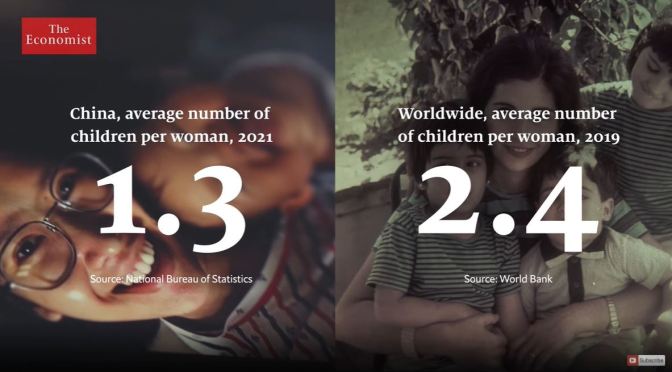
Analysis: China’s Shrinking Working-Age Population
The number of working-age people in China is shrinking. Could this threaten the country’s rise as an economic superpower? Read more here: https://econ.st/3dgzqz0

Money & Investments: Bitcoin – Explained (Video)
Bitcoin and other cryptocurrencies set out to upend the financial order and replace conventional money. Bitcoin has certainly disrupted the global financial system, but can it ever live up to the hype? Read our latest report on cryptocurrency: https://econ.st/3wnYfRr

Analysis: How Will Fossil Watches Survive? (Video)
The global watchmaking industry has changed since the introduction of the smartphone and as demand for fitness trackers and smartwatches grow. Legacy watchmakers, like Fossil, have had to adapt and give customers new reasons to keep timepieces on their wrists. The company has been planning for the future by bringing its own smartwatches to market, initiating a multi-year turnaround plan and focusing on growing markets in China and India. But will that be enough?

Economics: Breakfast Food Prices & Inflation
Rising costs for everyday foods like bacon and fruit have raised concerns about inflation. Here’s why you may be paying more for breakfast, and what that says about where prices might be heading in the future. Photo: Carter McCall/WSJ
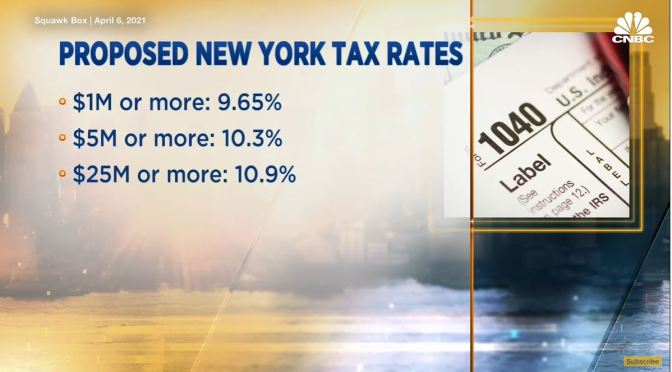
Analysis: Do The Wealthy Flee Higher Tax States?
To balance their budgets during the coronavirus pandemic, states including New Jersey and New York have raised taxes on the wealthy. Conservatives warn that it will cause many of those who left at the onset of the pandemic make those moves permanent since they’re no longer bound to the physical locations of their offices or their children’s schools. But available data from 2020 show that the so-called exodus wasn’t as pronounced as initially projected, and the urban exit that did happen, was to suburbs rather than low tax states.

Analysis: The Global Race To Produce ‘Lithium’ (WSJ)
Demand for lithium is expected to outpace global supply as consumers switch to battery-powered vehicles. With China currently leading in processing of the vital raw material, the U.S. government is looking to boost domestic production. Photo illustration: Carlos Waters/WSJ

Analysis: Is New York City At Risk Of Bankruptcy?
Mass unemployment, colossal bankruptcies, and a shattered tourism industry have ravaged New York City during the coronavirus pandemic. In January 2021, Governor Andrew Cuomo proposed raising taxes on the wealthy, while cutting Medicaid and school spending to balance the multi-billion dollar budget deficit. Opponents say tax hikes could lead to a mass exodus of the wealthy New Yorkers who fund a large portion of the city’s revenue. Others say that the crisis has exasperated existing inequalities and cutting social services will only hurt those most affected.

Video Analysis: How Vaccine Passports Can Kick-Start The Economy
Vaccine passports are likely to become a feature of everyday life as lockdowns are lifted across the world. But as “green passes” kick-start economies, what are the potential drawbacks? Read more of our coverage on coronavirus : https://econ.st/397Mkxq
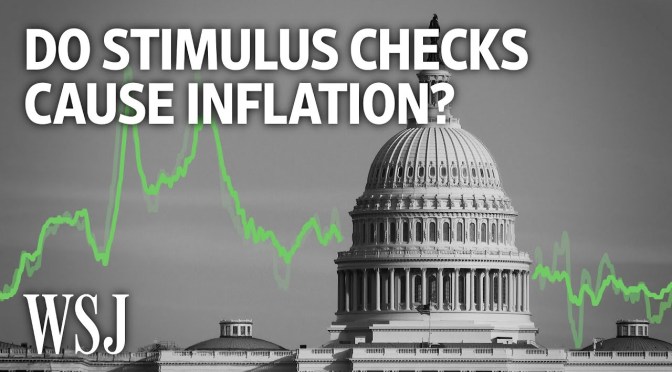
Analysis: Will U.S. Stimulus Checks Cause Inflation?
The IRS sent roughly 90 million stimulus checks to Americans in March. WSJ’s chief economics commentator Greg Ip explains why stimulus checks alone are unlikely to spur inflation. Photo Illustration: Carlos Waters
 Boomers Daily