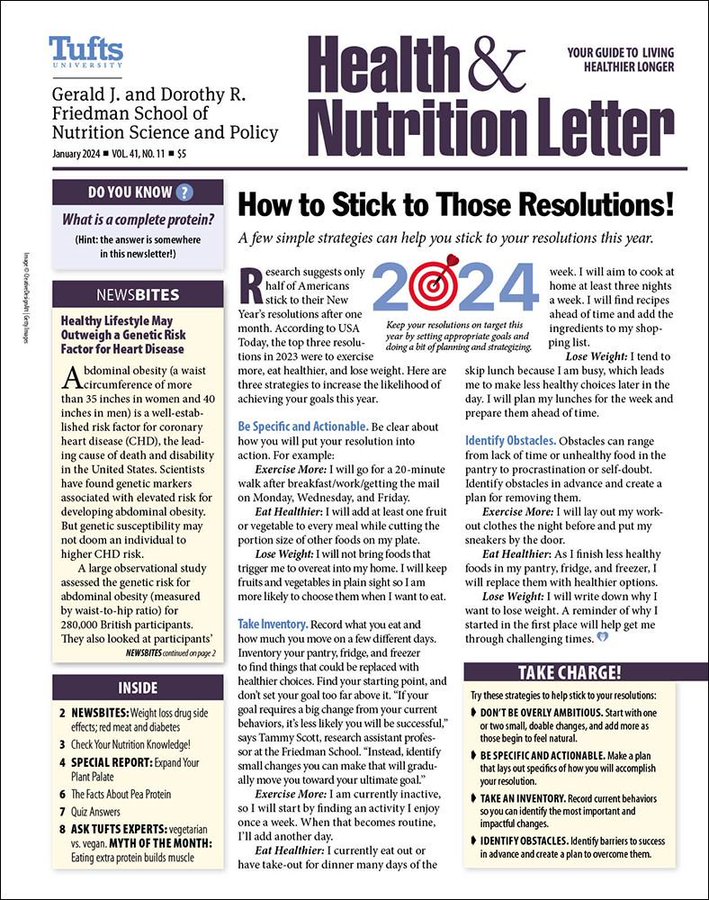
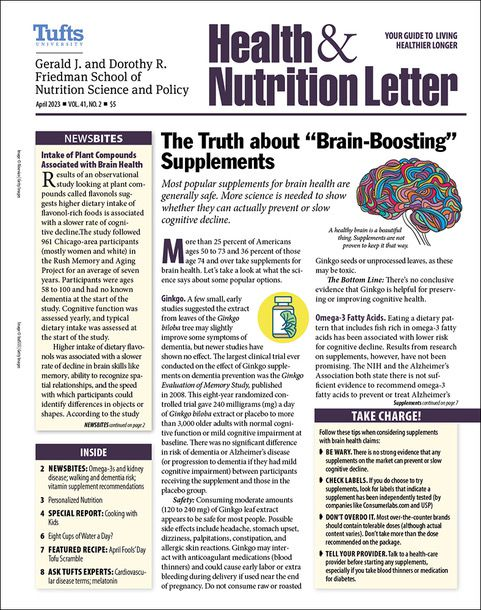
Tufts Health & Nutrition Letter (JANUARY 2024): The new issue features ‘Healthy Lifestyle May Outweigh a Genetic Risk Factor for Heart Disease; How to Stick to Those Resolutions!; Check Your Nutrition Knowledge; Special Report – Expand Your Plant Palate; The Facts About Pea Protein; and more…
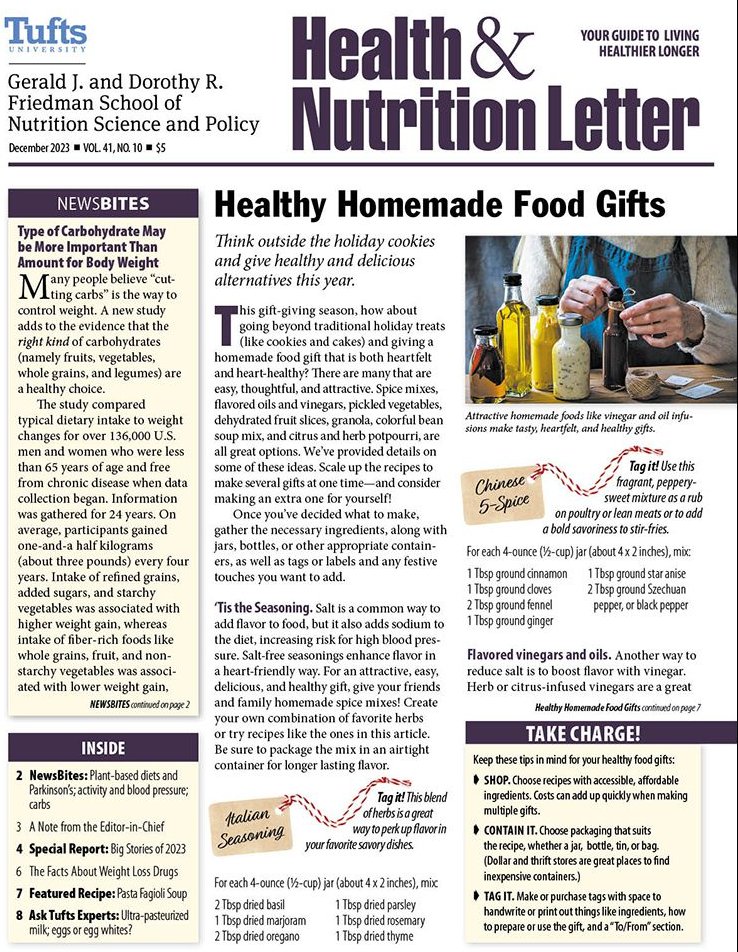
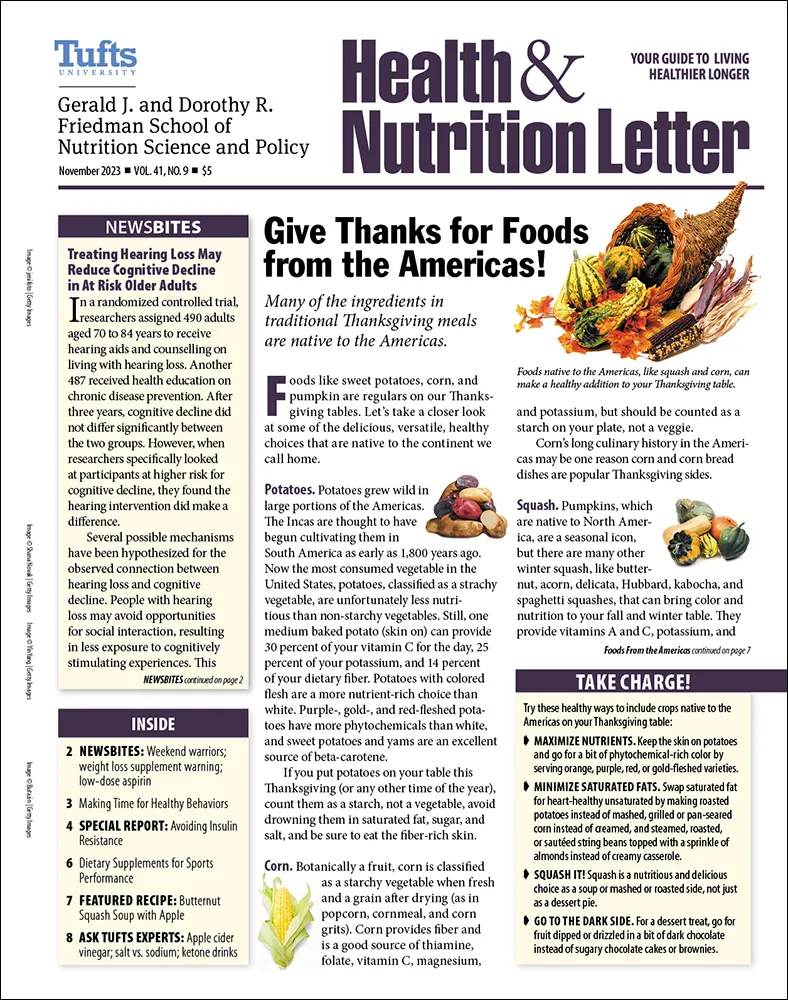
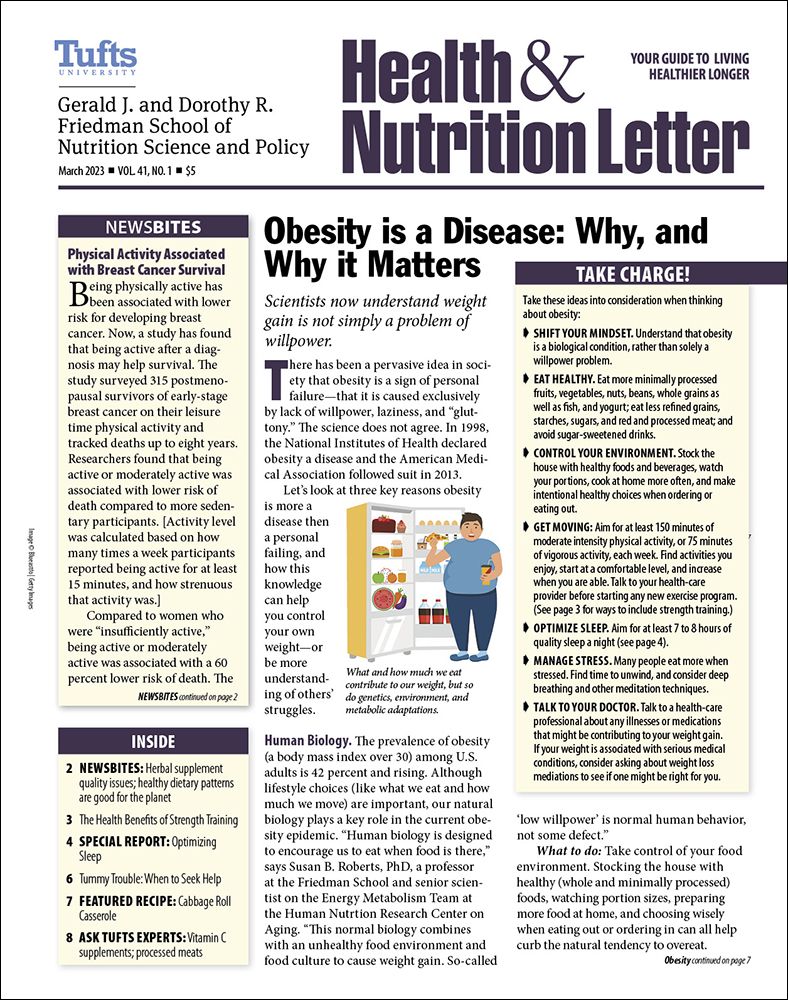
Tufts Health & Nutrition Letter (DECEMBER 2023): The new issue features Type of Carbohydrate May be More Important Than Amount for Body Weight; Beware of “Health-Washing” – Front package health claims can be misleading; Sweetened Beverages and Risk of Adverse Liver Outcomes…
Front-of-package health claims can be helpful—but they can also be misleading. Learn how to tell the difference.
Some health claims on packages or in advertising may be inappropriate or even misleading. This is sometimes referred to as “health-washing.”
Common Claims. Even FDA-approved claims (like organic, “non” or “free,” reduced, light, natural, and naturally raised) don’t guarantee the food or beverage is an overall healthy choice. Here are some red flags to look out for:
Organic, gluten-free. Desserts, breads, and cereals made with organic ingredients and/or gluten-free flour can still be full of refined carbohydrates, sugar, or salt, and not much better for your health than the regular versions.
Type of Carbohydrate May be More Important Than Amount for Body Weight
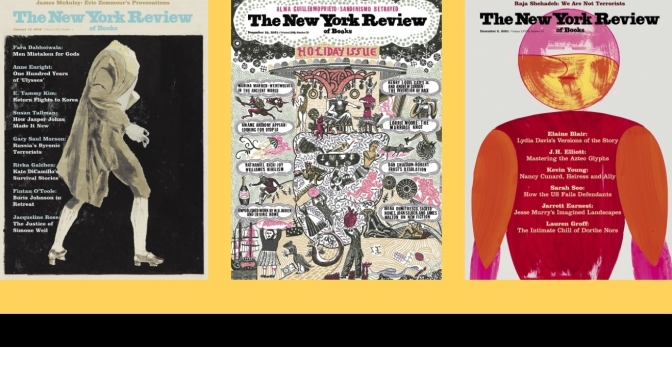
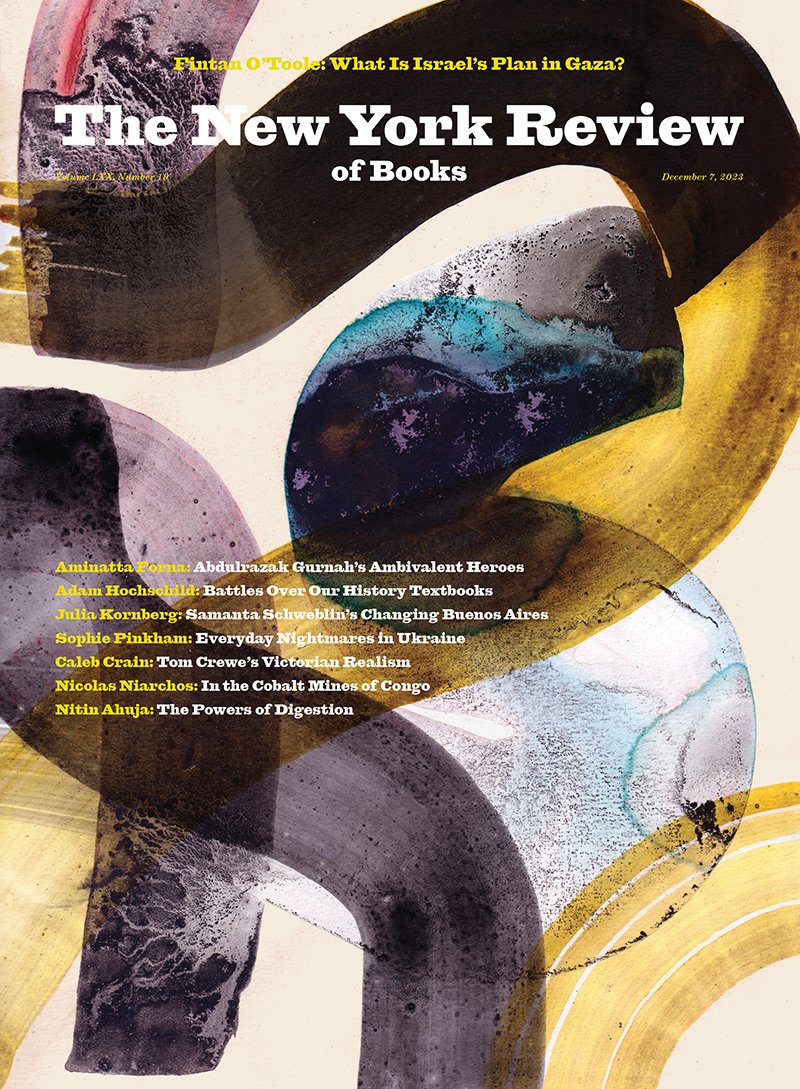
The New York Review of Books (December 7, 2023 Issue) – The latest featuresA Fallen Artist in Mao’s China – Ha Jin’s The Woman Back from Moscow; Gut Instincts – Recent books about the importance of the microbiome have driven many patients to fixate on the idea of “gut health.” Are they right to do so?; Prelude to Empire – Abdulrazak Gurnah’s novels, whether set in German East Africa or the United Kingdom, never cease to demonstrate how the minutiae of people’s lives have been affected by European colonialism…
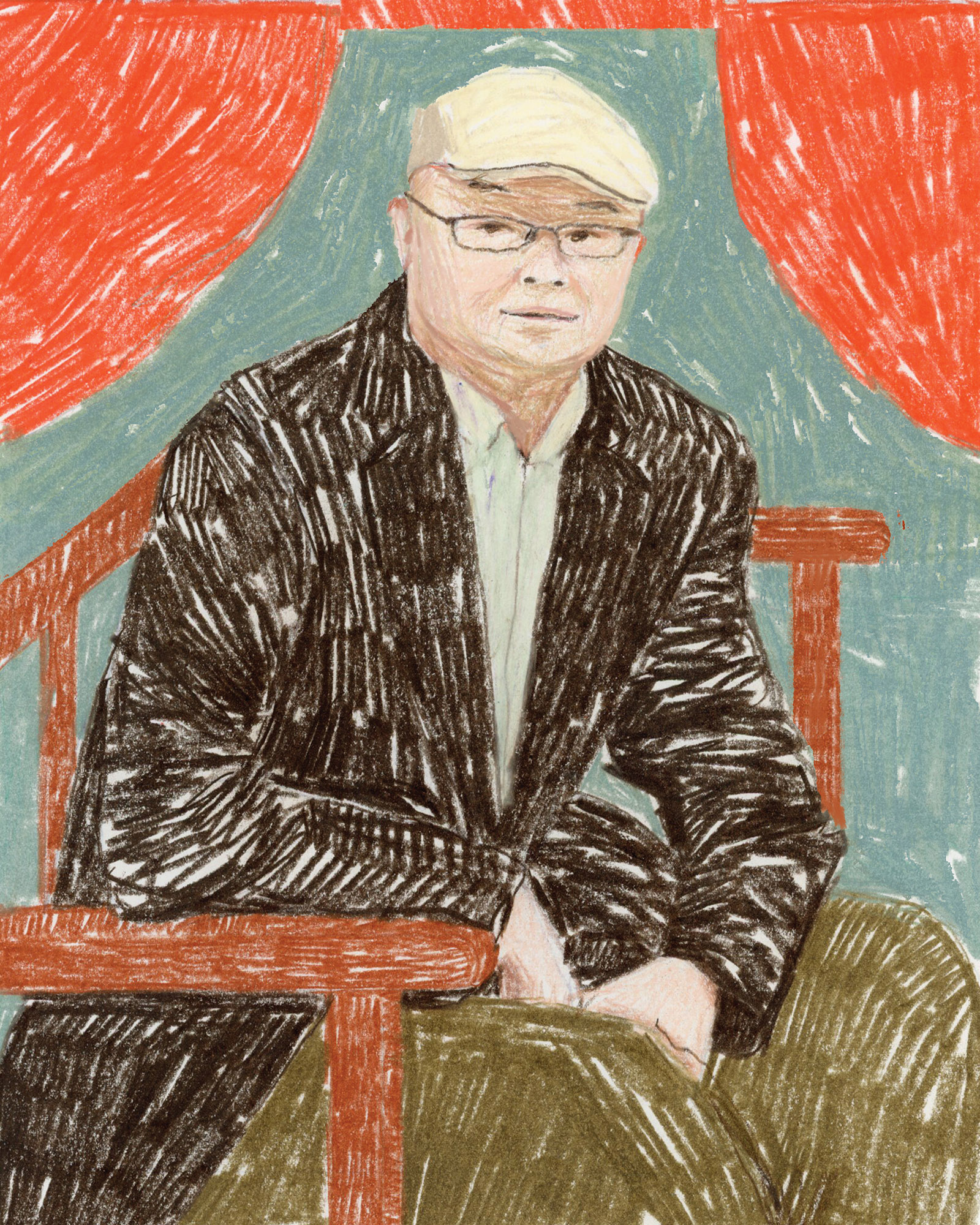
Ha Jin’s The Woman Back from Moscow, a fictionalized account of the life of the actress Sun Weishi, depicts the hypocrisy of the Communist elites and the fate of those who embraced new ideals after the revolution.
The Woman Back from Moscow: In Pursuit of Beauty by Ha Jin
This book will be denounced in Beijing. Ha Jin’s The Woman Back from Moscow is a novel based on the life of Sun Weishi, an adopted daughter of Chinese premier Zhou Enlai, whose brilliant mind and intensive study in Moscow of the Stanislavski acting method brought her to the pinnacle of China’s theatrical world during the Mao years. Her beauty and effervescent personality attracted powerful men—not only Zhou, who doted on her, but also Lin Biao, the Chinese Communist Party’s leading general, who divorced his wife in order to propose marriage to her (unsuccessfully), and Mao, who apparently raped her during a long rail trip. She had several other suitors and eventually married the film star Jin Shan.
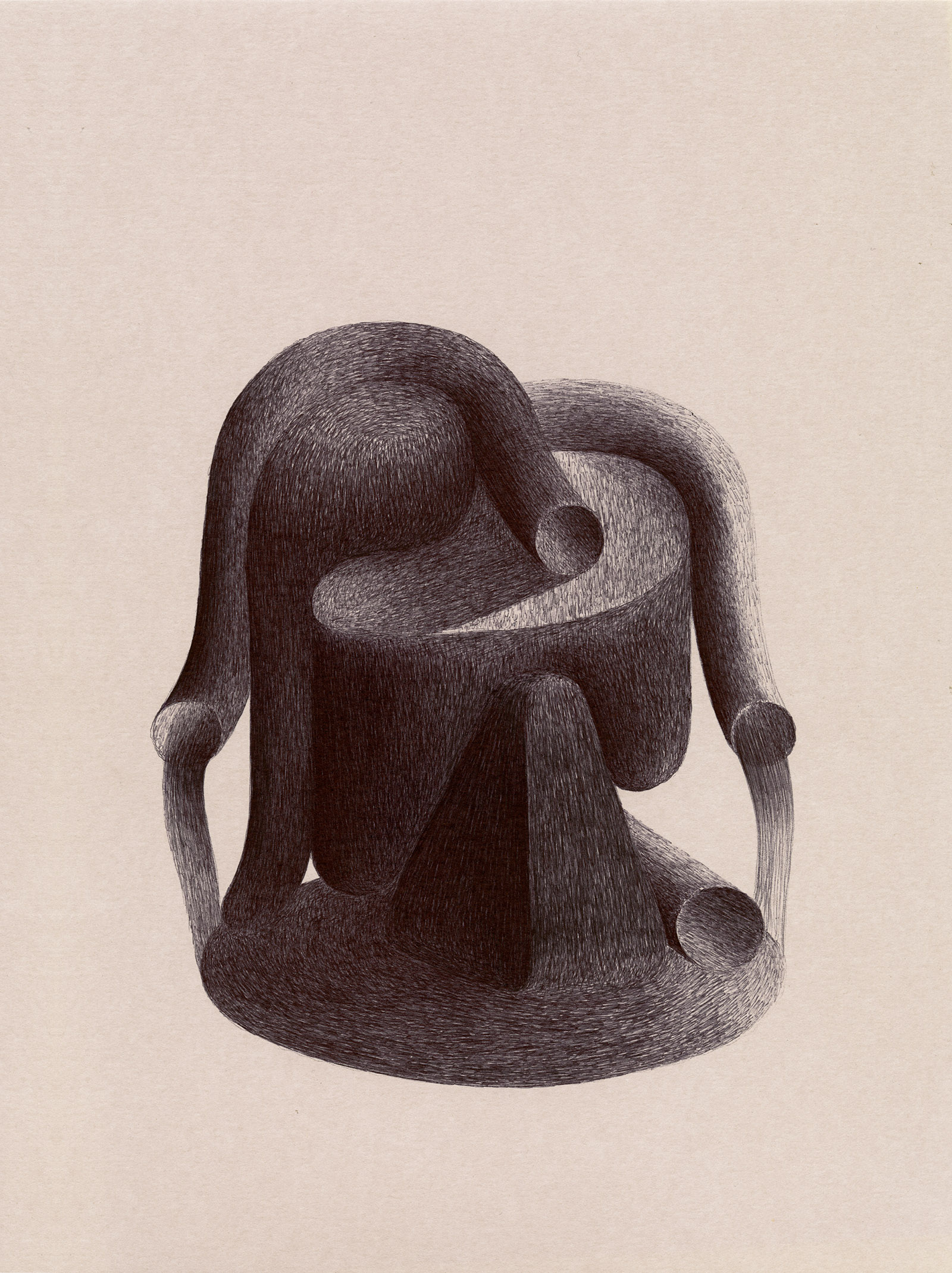
Right before their colonoscopies, with the stress of a bowel prep still rumbling in their bellies and a mental image of the procedure beginning to sharpen, some patients will ask me why I chose a career in gastroenterology: “What made you interested in this?” The reason I usually give is that you could go all your life without a heart problem, or a lung problem, or a kidney problem, but not without a bit of nausea, constipation, or abdominal pain. The work of digestion is part of the rhythm of our daily lives, I tell them, which helps my work feel similarly immediate.
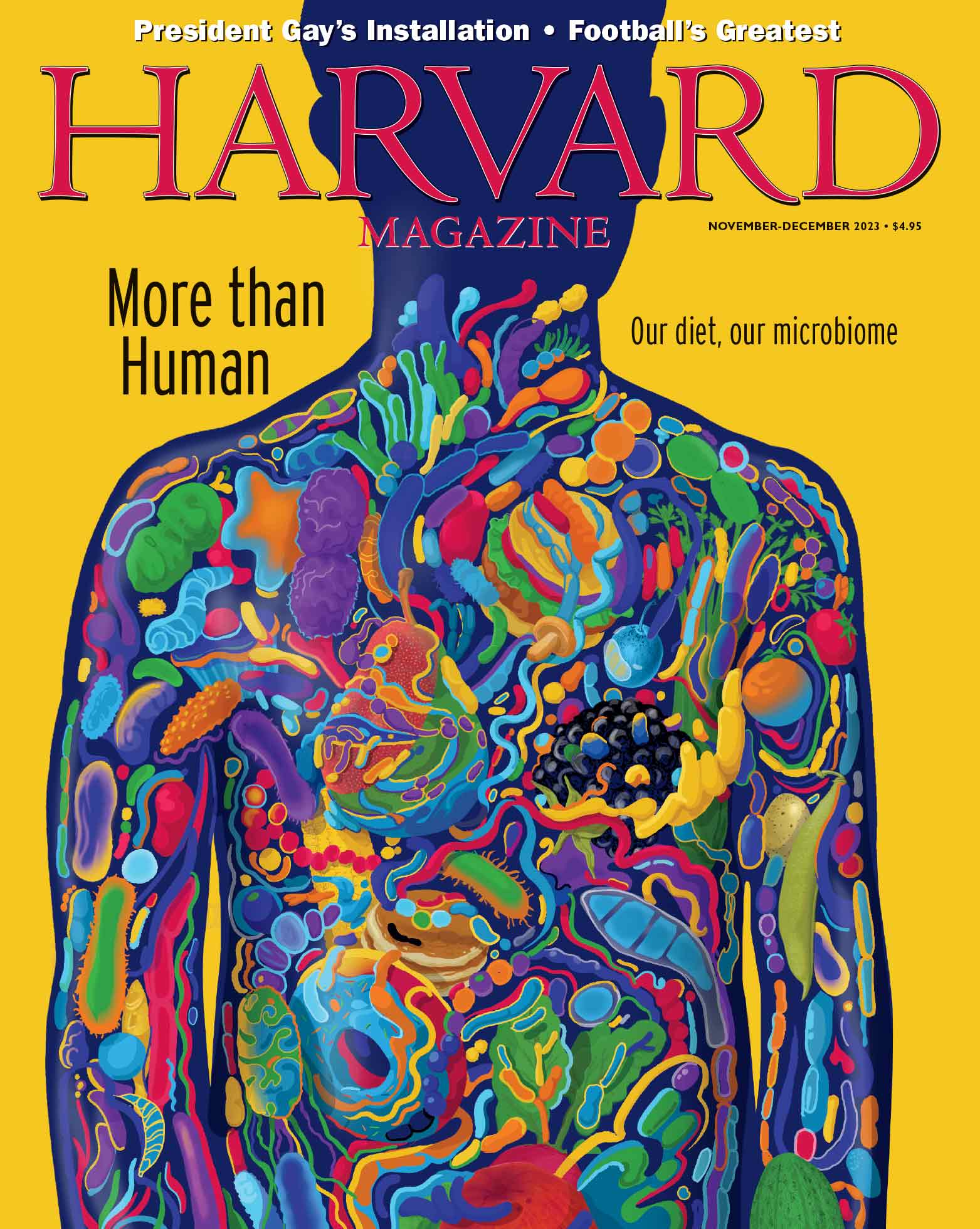
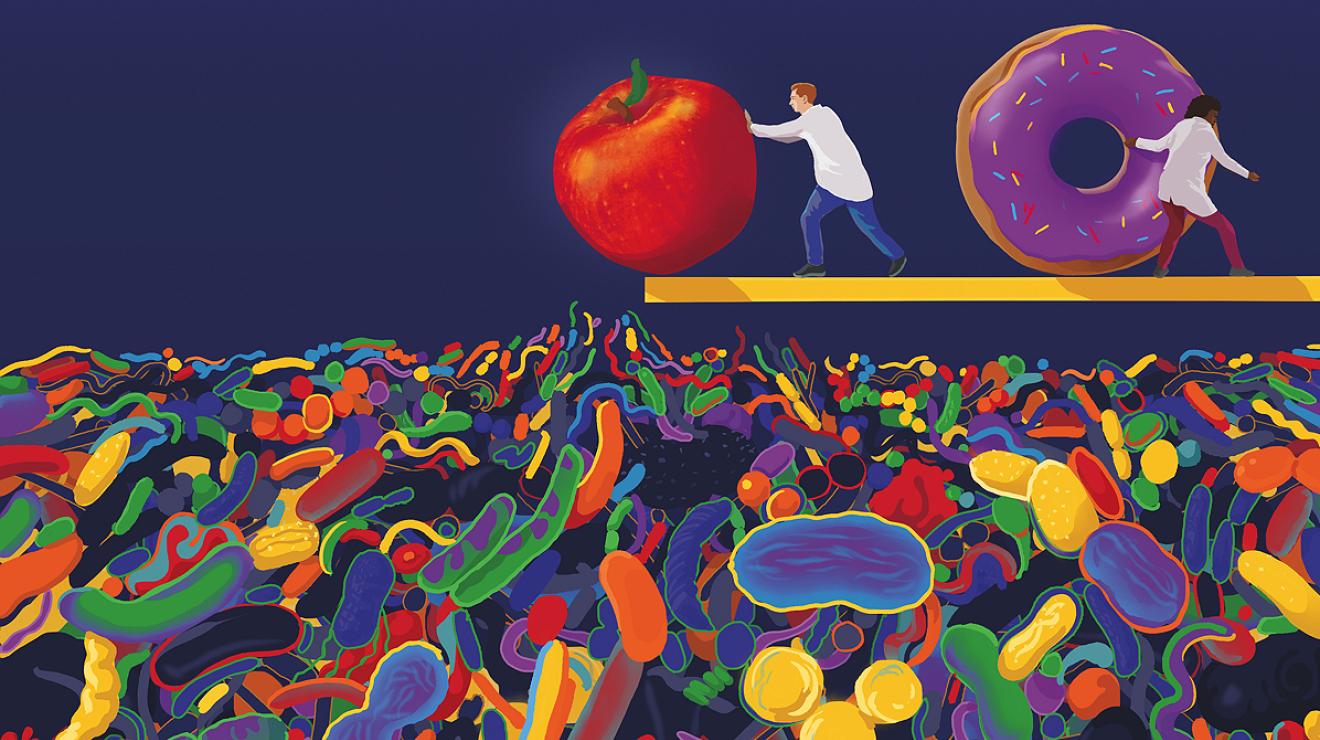
IN THE LATE 2000s, Rachel Carmody was spending a lot of time counting calories. An anthropology graduate student at Harvard, she was studying whether cooking changed the number of calories the gut can extract from food. When humans invented cooking thousands of years ago, she and her advisor Richard Wrangham wondered, had they opened the door to a new source of energy?
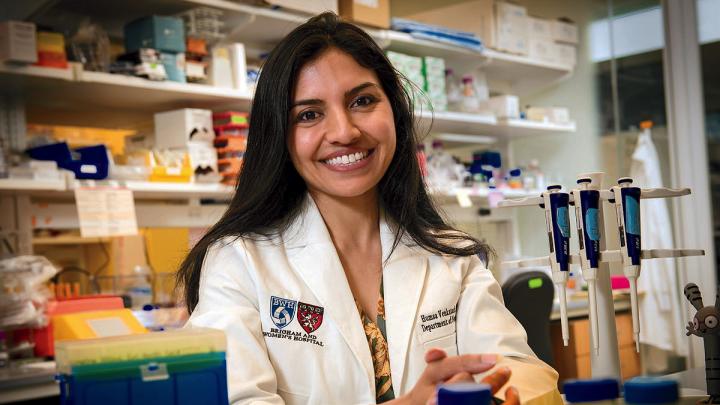
DURING THE past two decades, the number of annual cancer deaths in the United States has fallen by 27 percent, a remarkable improvement driven by new precision diagnoses and treatments tailored to individual patients. Today, oncologists can detect cancer in its earliest stages and deliver drugs that enlist the patient’s own immune system to improve their odds of survival. Yet cancer remains the second deadliest disease in the United States, claiming more than 600,000 lives every year. Its persistence underscores the urgent need for a deeper understanding of how cancer interacts with the body. Assistant professor of neurology Humsa Venkatesh believes she may have found a promising new pathway for highly effective cancer treatments in the most unexpected of places: the human brain.
There’s nothing like an icy drink or frozen treat to help tame summer swelter, keep you hydrated, quench thirst, and satisfy a sweet tooth. Unfortunately, cool treats are often over-processed and packed with added sugars. Keep your cool with less processed, fruit-forward icy drinks and treats that are as healthy …
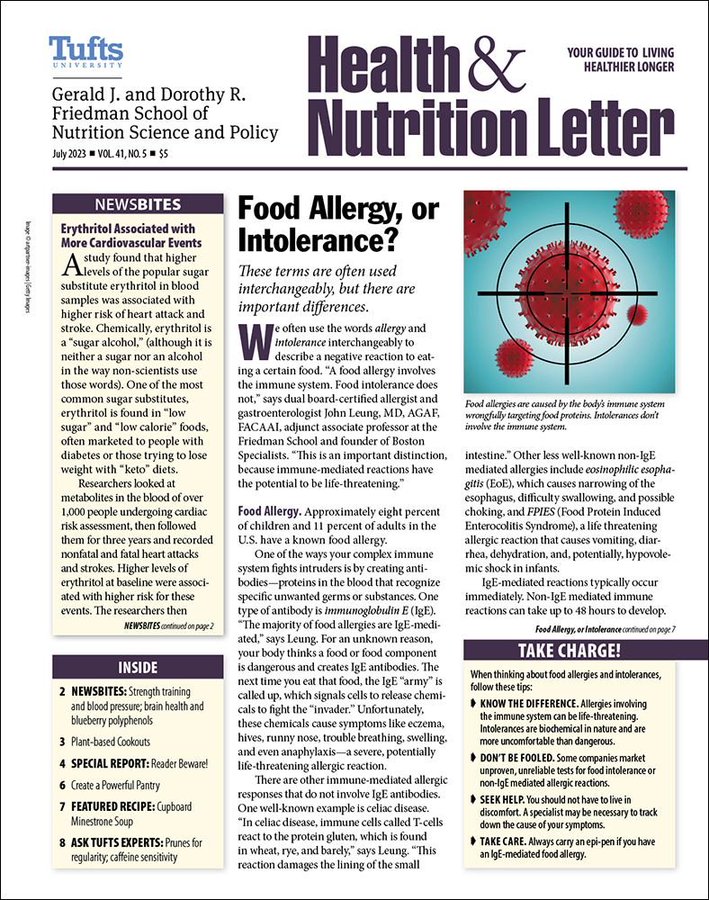
Tufts Health & Nutrition Letter (July 2023): Food Allergy, or Intolerance?; Sugar substitute Erythritol associated with higher heart attack and stroke risks; Plant-based Cookouts; Create a Powerful Pantry, and more…
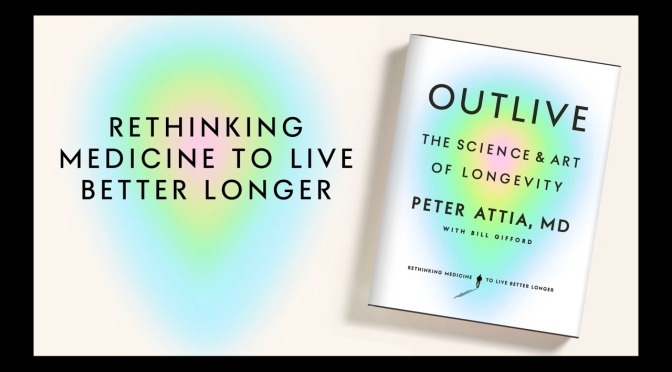
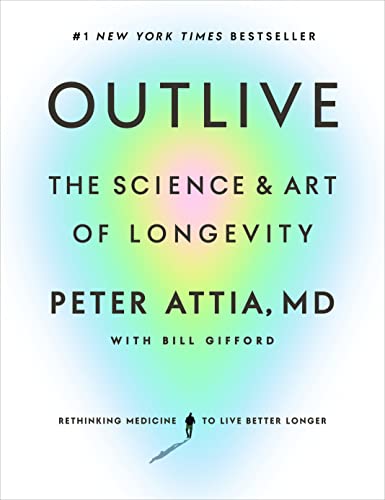
Trained as an oncological surgeon, Attia became interested in longevity because he saw that the “Four Horsemen” worked against it: diabetes, heart disease, cancer, and Alzheimer’s disease. All play a role in an unhealthy system, and all interrelate.
A data- and anecdote-rich invitation to live better, and perhaps a little longer, by making scientifically smart choices.
If you have Type 2 diabetes, then your chances of developing heart disease, cancer, and neurological disorders increases, and if your goal is to live well in old age, then it behooves you to change your ways in order to keep your insulin reception levels in the clear. How to do so?







 Boomers Daily