
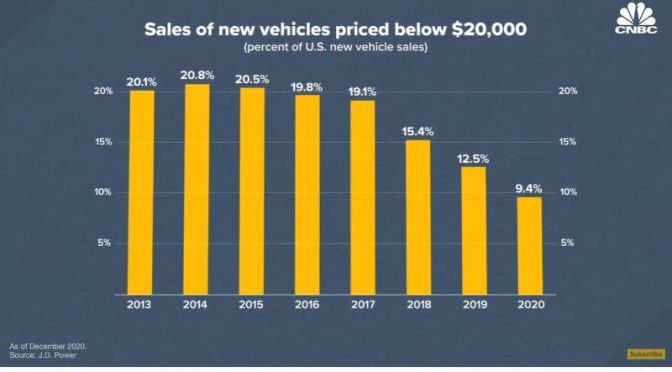
There are about 40 different car brands in the United States, but one kind of car that appears to be disappearing is the cheap car. Historically, about 20 percent of vehicle sales would have transacted below $20,000; however, they have completely dried up in the last few years. New cars are becoming more expensive, and it is unlikely those cheap cars will ever be back.
Tag Archives: CNBC
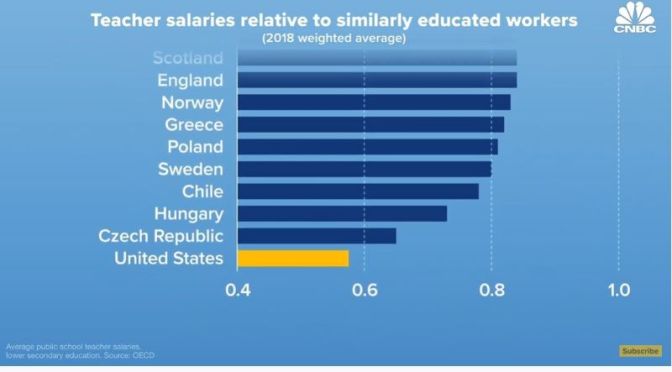
Salaries: Why American Teachers Earn Much Less Than Other Professions
Teachers earn nearly 20% less than other professionals with similar education and experience, according to the Economic Policy Institute. In many states, their wages are below the living wage, forcing teachers to seek secondary jobs to supplement their income or leave the profession all together.
Since the outbreak of the coronavirus pandemic and the rise of remote learning, the challenges faced by educators has become increasingly demanding. Some organizations are trying to redesign teacher pay structures in some of the 13,500 public school districts nationwide. Watch the video above to learn more about why teachers are paid so little and how to fix that.
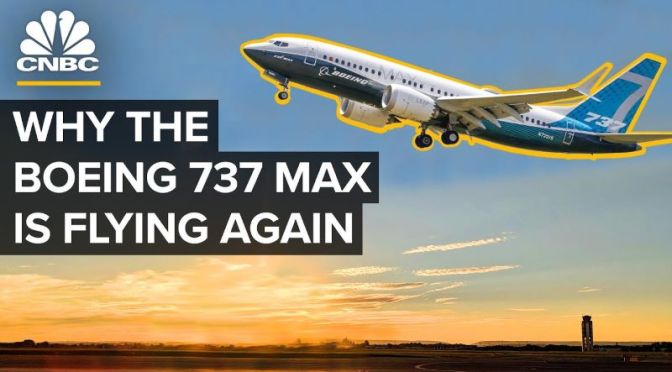
Aviation: ‘Why Boeing’s 737 Max Is Flying Again’ (Video)
After two deadly crashes that killed 346 people and a worldwide grounding that lasted almost two years, the FAA is giving the Boeing 737 Max jets the green light to fly again. However, many are worried that the changes to the plane are not enough. Can the U.S. trust the revisions made to the jet and the software updates to the MCAS system?

Commerce: ‘Will Digital Payments Replace Cash?’
Is cash still king? The coronavirus pandemic may cause a drastic decline in cash usage due to the risk of contamination. The unprecedented surge in the demand for contactless payment has also shown outstanding performances for major companies offering cashless payment methods, like Apple, Square and Paypal. Could covid-19 signal the end of cash in the United States and can the U.S. really function without physical currency?
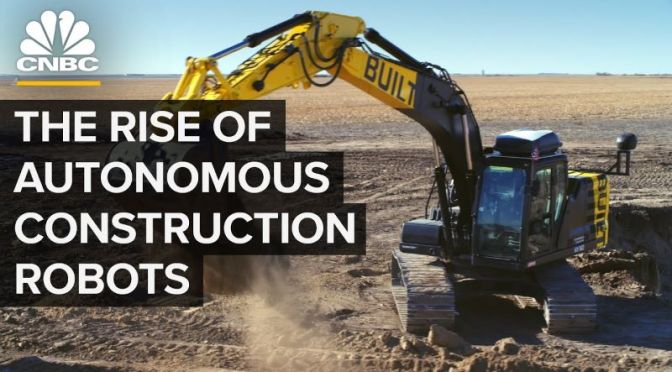
Building Industry: ‘The Rise Of Autonomous Construction Robots’
There’s a lot of buzz around self-driving cars, but autonomous-driving technology could revolutionize a different industry first — construction. That industry hasn’t changed much over the last several decades, according to some experts, making it an ideal candidate for automation.
“The way we build today is largely unchanged from the way we used to build 50 years ago,” said Gaurav Kikani, vice president of Built Robotics. “Within two years, I think we’re really going to turn the corner, and you’re going to see an explosion of robotics being used on construction sites.”
The industry is also faced with a labor shortage that the Covid-19 pandemic has further complicated. “Covid is making people step back and say, ‘hey, the way we’ve been doing things for a long time is just not sustainable,’” said Kevin Albert, founder and CEO of Canvas. “It is just a wake-up call for the industry.”
Canvas is one of several companies working on autonomous construction technology. Big players like Caterpillar and Komatsu, and start-ups like SafeAI and Built Robotics, see value in using autonomous machines to accelerate construction projects. The mining industry was one of the first to employ the use of self-driving tech.
Caterpillar began its first autonomy program more than 30 years ago. The company now has the largest fleet of autonomous haul trucks. Caterpillar says it’s hauled 2 billion metric tons in just over six years. Built Robotics is a San Francisco-based start-up founded by an ex-Google engineer that already has machinery out in the field. It’s automated several pieces of equipment, such as bulldozers and excavators.
“You can now collapse your construction timeline so you can knock out work overnight so that it’s ready for your human workers in the morning to speed them along,” Kikani said. SafeAI is another Silicon Valley start-up. It recently teamed up with Obayashi for a pilot program. It’s been retrofitting equipment like dump trucks, bulldozers and loaders. Robots are also helping inside.
San Francisco-based Canvas created an autonomous machine for finishing drywall and has worked on projects like the San Francisco International Airport and Chase Arena. Humans work alongside its robotic system. “Drywall is very hard work on the body,” Albert said. “And we’ve seen that 1 out of every 4 workers has to end their career early because of injuries. This will create longer careers for people and also enable people to join the trades that haven’t had access before.”
The construction industry is one of the largest sectors in the global economy, with about $10 trillion spent each year. That spending accounts for 13% of the world’s GDP, even though the sector’s annual productivity growth has only increased 1% over the past 20 years. According to McKinsey & Co., $1.6 trillion of additional value could be created through higher productivity, and autonomy would help the industry achieve that.
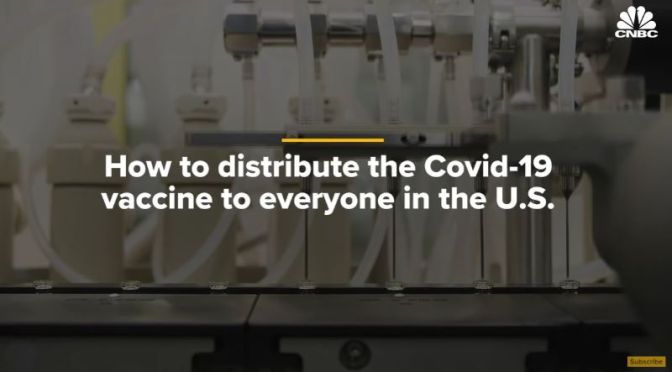
Covid-19: ‘When Will The U.S. Get The Vaccine?’
The initial doses of Pfizer and BioNTech’s Covid-19 vaccines could go out next month, if the FDA grants emergency authorization. There are also three other promising vaccine candidates in the pipeline from AstraZeneca, Moderna, and Johnson & Johnson. The process of distributing the vaccine to the 330 million people living in the U.S., however, could prove a logistical challenge. Here’s a look at how the federal government plans to do it.
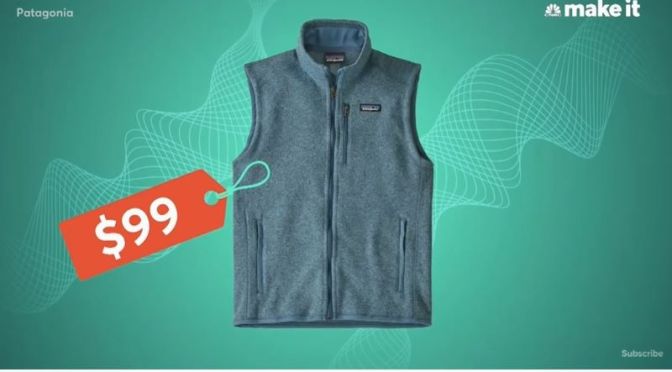
Clothing: ‘The Rise Of Patagonia’ (CNBC Video)
The Patagonia Better Sweater Fleece Vest is by far one of the brand’s most popular products. It’s also one of its most divisive. Over the last five years, the vest became a must-have accessory for Wall Street workers in Manhattan’s financial district to tech bros in Silicon Valley.
The company says at its height, it was fielding 60 requests for co branded vests, a day. But Patagonia, a private company that values environmental and political activism, never sought out to become the go-to status symbol for some of the biggest and richest corporations in the world.
The combination of hefty price tags and a professional-class of super fans earned it the nickname “Patagucci” prompting it to reevaluate which companies it allowed to put a moniker on the vest as a way to ensure their partners align with their progressive culture.
Patagonia even discouraged consumers from partaking in Black Friday sales and snuck political messages into the tags of its clothing. Here’s how Patagonia’s anti consumption philosophy helped it build a billion dollar outdoor brand.

Oil & Climate Change: ‘The Economics Of Drilling In The Arctic’ (CNBC Video)
The Arctic is not a barren, frozen wasteland. It’s home to some of the most unique ecosystems in the world. More than this: it’s home to people. Those people are at the center of the controversy over drilling for oil in the Arctic. The Trump administration is now starting the formal process of selling leases in the Arctic National Wildlife Refuge to oil companies, according to the New York Times. The move comes after the Trump administration opened the refuge for oil drilling in August 2020. There are potentially billions of dollars in untapped oil and gas reserves in the Arctic. But, there is value in keeping the region untouched, too. The Arctic provides more than $281 billion per year in fishing, oil, mineral extraction, tourism and climate stabilization services, according to a preliminary assessment done in 2016 by environmental economist Tanya O’Garra, who worked at the Center for Research on Environmental Decisions at Columbia University at the time the research was conducted.
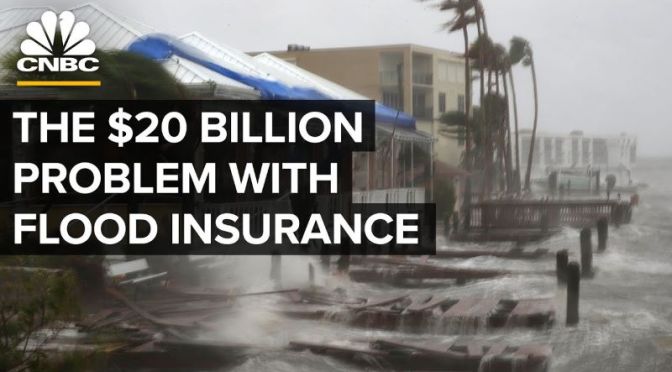
Housing: Flood Insurance Is Spurring Buyers To Live In Dangerous Areas (CNBC)
2020 is officially the busiest hurricane season on record and flooding is one of a storm’s most devastating consequences. FEMA estimates one inch of flood water can cause up to $25,000 in damage. The U.S. began offering nationalize flood insurance in 1968 but the program, called the NFIP, is now over $20 billion in debt. Private companies are starting to offer flood insurance as well. However, flood insurance is more complicated than it may appear. Watch the video to better understand how flood insurance works, and doesn’t work, in the U.S.

Retirement: ‘How Social Security Works’ (Video)
Since 2010, Social Security’s cash flow has been negative, meaning that the agency does not collect enough money through taxes to cover what it is paying out. Even though there was still this vast trust fund behind Social Security, they started tapping that fund’s interest.
Starting in 2021, they will have to dip into the trust fund itself to cover those benefit payments, and even that pool of cash has an expiration date. Trustees of the fund expect that by 2035 it will not be enough to cover full benefit payments. Due to COVID-19, that date may come years sooner than expected, which has some retirees seriously worried about their future.
 Boomers Daily