The blockbuster medications that reduce body weight also reduce inflammation in organs such as the brain, raising hopes that they can treat Parkinson’s and Alzheimer’s diseases.
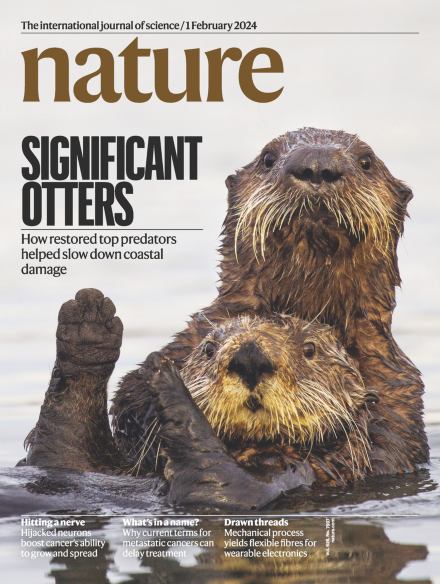
Nature Magazine – January 31, 2024: The latest issue cover features ‘Significant Otters’ – How restored top predators helped slow down coastal damage; Hijacked neurons boost cancer’s ability to grow and spread; Mechanical process yields flexible fibers for wearable electronics…
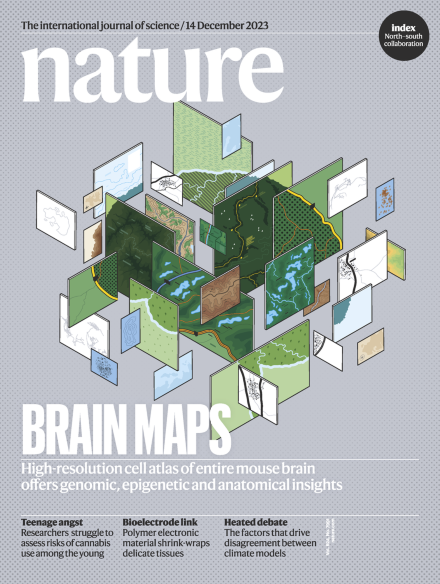
Nature Magazine – December 13, 2023:The latest issue cover features the BRAIN Initiative Cell Census Network (BICCN), which presented nine papers that map the entire mouse brain in unprecedented detail.
The extravagantly feathered Seychelles paradise flycatcher lacks genetic diversity, which might hamper its resilience to climate change and other threats.
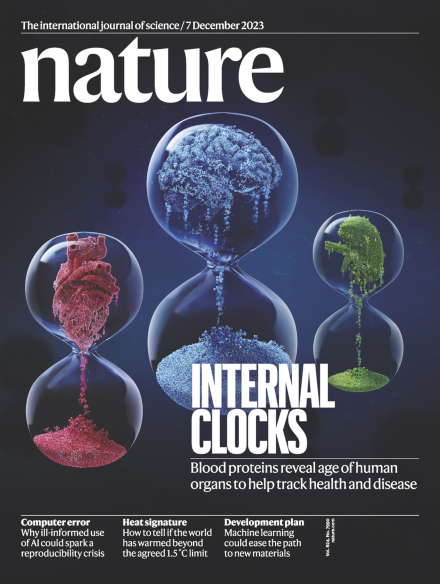
Nature Magazine – December 6, 2023:The latest issue cover features Internal Clocks – Blood proteins reveal age of human organs to help track health and disease…
The massive buried structures at Gunung Padang in Indonesia would be much older than Egypt’s great pyramids — if they’re even human constructions at all.
Ancient humans painted scenes in Indonesian caves more than 45,000 years ago, but their art is disappearing rapidly. Researchers are trying to discover what’s causing the damage and how to stop it — before the murals are gone forever.
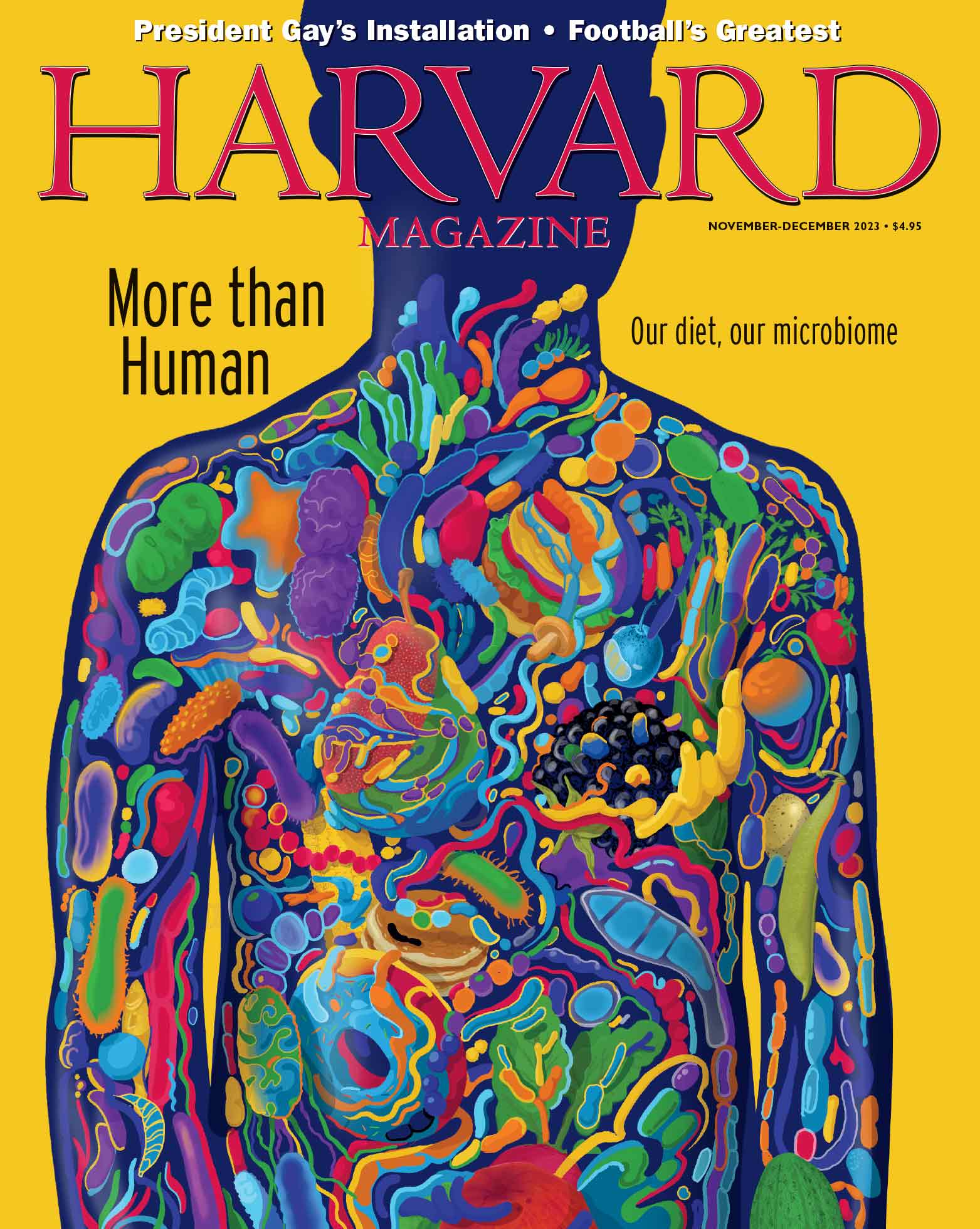
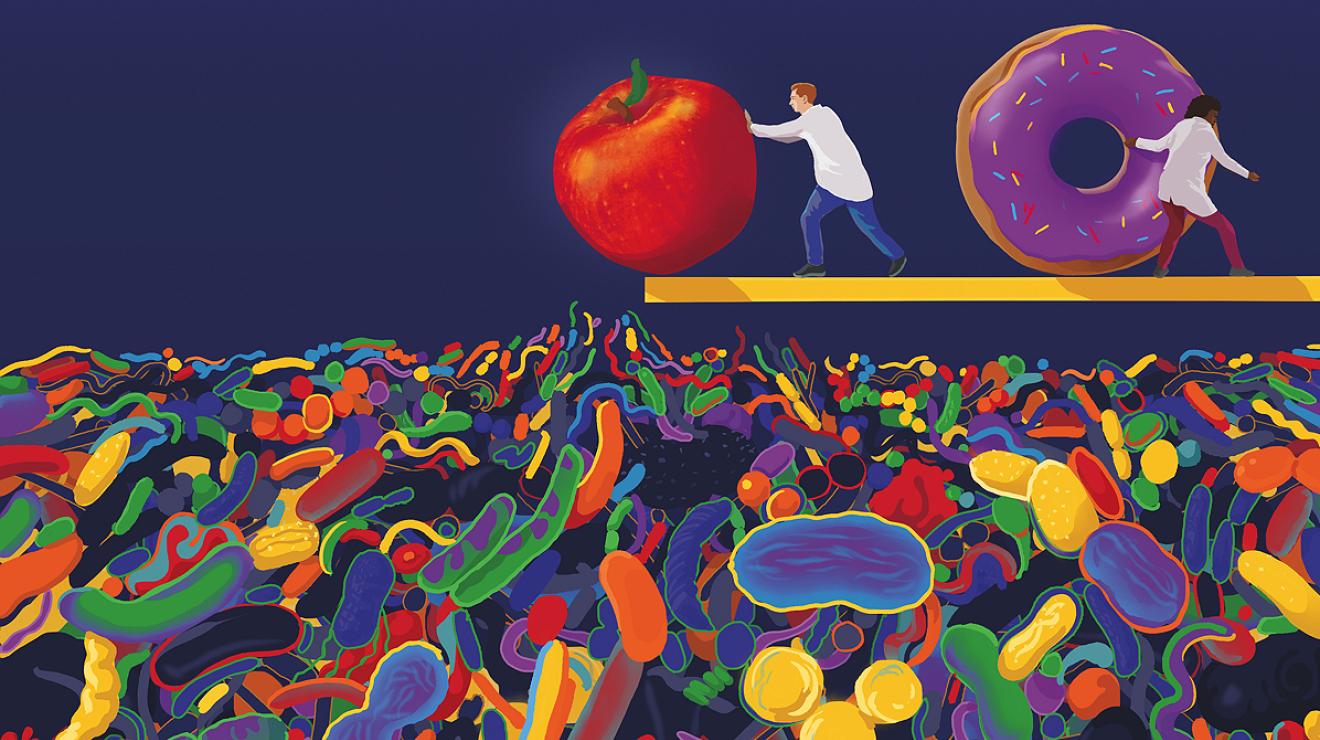
IN THE LATE 2000s, Rachel Carmody was spending a lot of time counting calories. An anthropology graduate student at Harvard, she was studying whether cooking changed the number of calories the gut can extract from food. When humans invented cooking thousands of years ago, she and her advisor Richard Wrangham wondered, had they opened the door to a new source of energy?
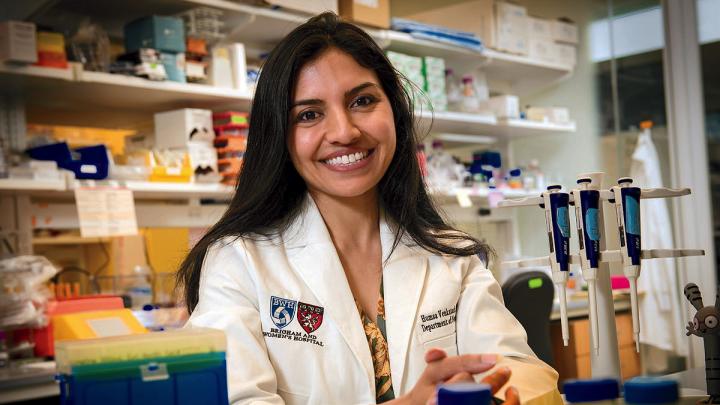
DURING THE past two decades, the number of annual cancer deaths in the United States has fallen by 27 percent, a remarkable improvement driven by new precision diagnoses and treatments tailored to individual patients. Today, oncologists can detect cancer in its earliest stages and deliver drugs that enlist the patient’s own immune system to improve their odds of survival. Yet cancer remains the second deadliest disease in the United States, claiming more than 600,000 lives every year. Its persistence underscores the urgent need for a deeper understanding of how cancer interacts with the body. Assistant professor of neurology Humsa Venkatesh believes she may have found a promising new pathway for highly effective cancer treatments in the most unexpected of places: the human brain.
World Economic Forum (July 1, 2023) – This week’s top stories of the week include:
0:15New blood test can detect 50 kinds of cancer – Experts say it could revolutionize cancer care. It’s called the Galleri test and it can identify cancers before symptoms appear. The UK National Health Service is testing it on 142,000 people. If successful, this trial will be extended to 1 million people next year. Doctors hope 5,000 cases could be detected early as a result. The Galleri test works by identifying changes in bits of free-floating DNA that leak from tumours into the bloodstream. #cancer#bloodtest#nhs#dna
1:36 5 exciting emerging technologies – The World Economic Forum has published its Top 10 Emerging Technologies of 2023 Report. It draws on the expertise of more than 90 academics, industry leaders and futurists to discover the technologies most likely to impact people and the planet in the next 3-5 years. Which emerging technology are you most excited about?
3:17This tablet is an innovation for the visually impaired – The Dot Pad lets visually impaired users play games and browse the web on the world’s first smart tactile graphics display. It uses AI to analyse images and split them into segments. Reproducing them on a tactile screen so blind people can read and interact with them.
4:58 Feminist economist dissects gender-neutral policies – Economic policies can either reinforce gender inequality, says Valeria Esquivel or help end it.
_____________________________________________
The World Economic Forum is the International Organization for Public-Private Cooperation. The Forum engages the foremost political, business, cultural and other leaders of society to shape global, regional and industry agendas. We believe that progress happens by bringing together people from all walks of life who have the drive and the influence to make positive change.
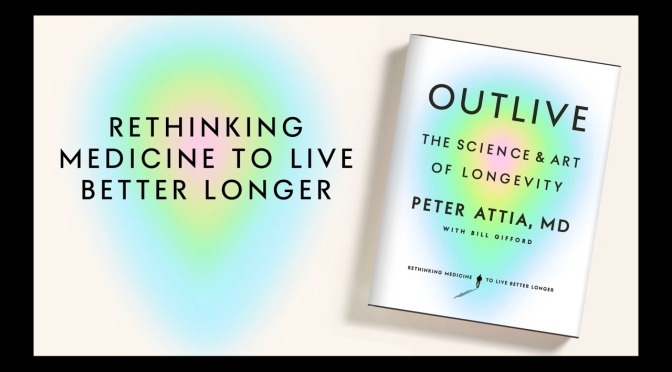
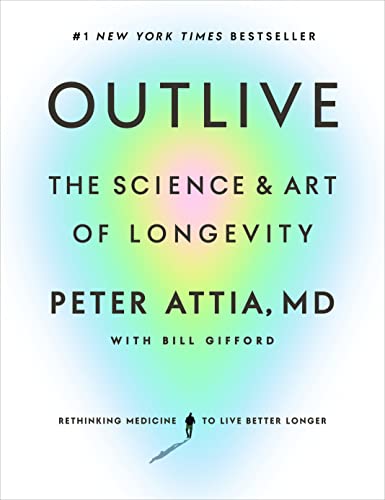
Trained as an oncological surgeon, Attia became interested in longevity because he saw that the “Four Horsemen” worked against it: diabetes, heart disease, cancer, and Alzheimer’s disease. All play a role in an unhealthy system, and all interrelate.
A data- and anecdote-rich invitation to live better, and perhaps a little longer, by making scientifically smart choices.
If you have Type 2 diabetes, then your chances of developing heart disease, cancer, and neurological disorders increases, and if your goal is to live well in old age, then it behooves you to change your ways in order to keep your insulin reception levels in the clear. How to do so?
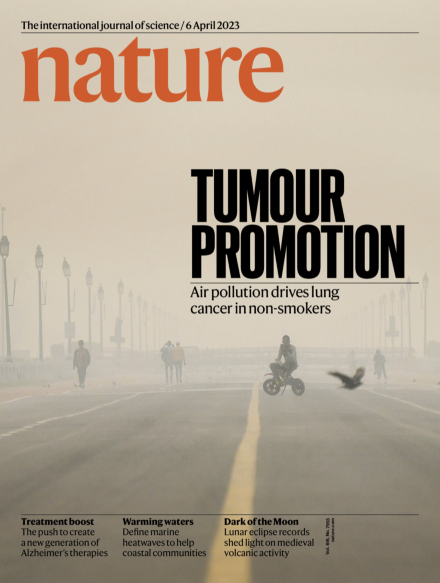
nature Magazine – April 6, 2023 issue: In 1947, Isaac Berenblum proposed that the development of cancer was a two-stage process: the first step introduces mutations into healthy cells, the second then promotes tumour growth through tissue inflammation. In this week’s issue, Charles Swanton and his colleagues investigate the role of particulate matter in prompting the development of non-small-cell lung cancers and find that cancer initiation in response to pollution conforms to Berenblum’s model.
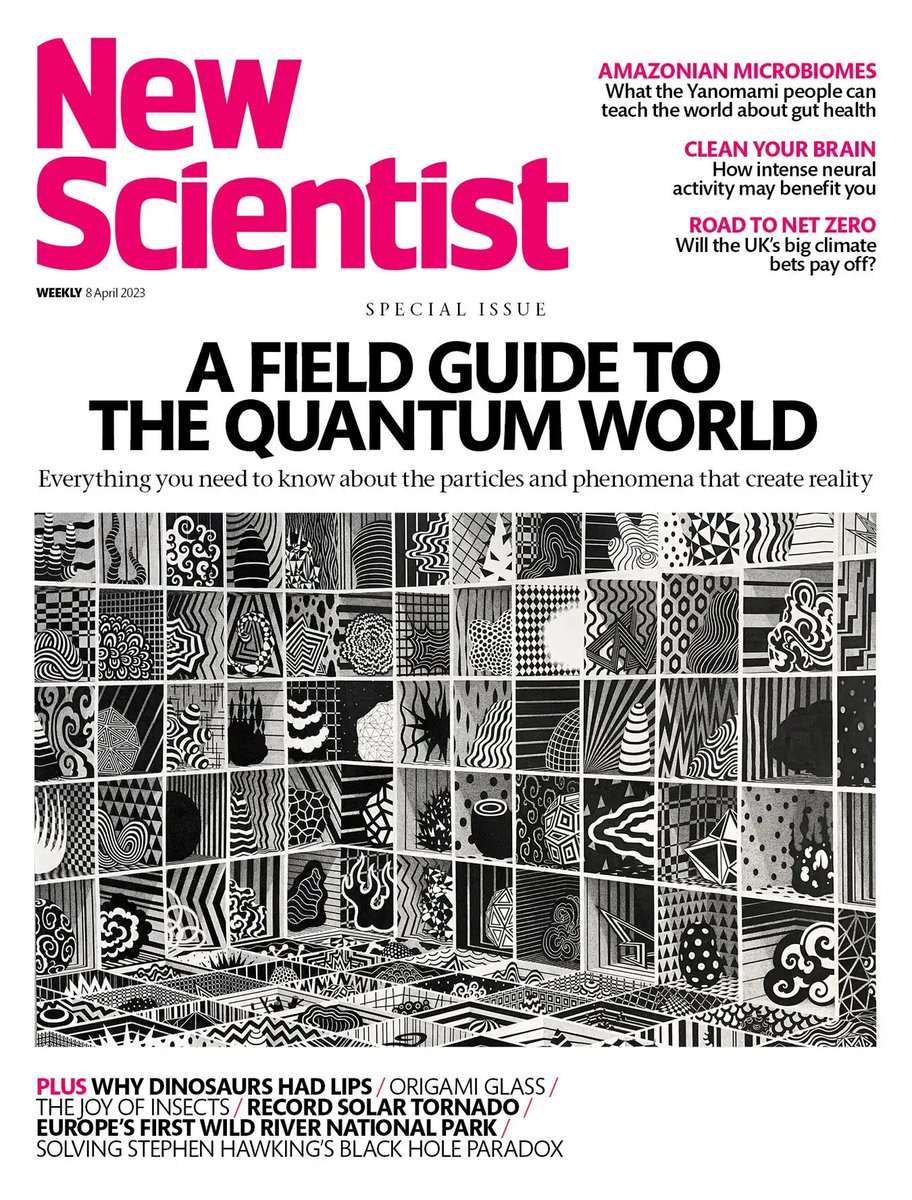
Quantum theory, and the world of subatomic particles and forces it describes, has a daunting reputation for strangeness. And yet, with the right guidance, anyone can enjoy its many wonders






 Boomers Daily