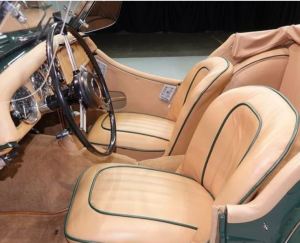
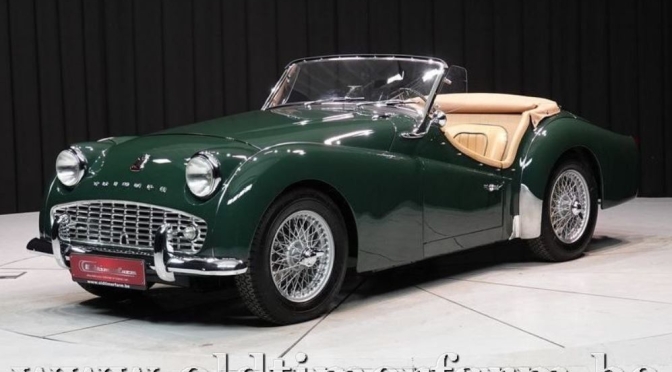
 The Triumph TR3 is a British sports car produced between 1955 and 1962 by the Standard-Triumph Motor Company of Coventry, England. A traditional roadster, the TR3 is an evolution of the company’s earlier TR2 model, with greater power and improved braking. Updated variants, popularly but unofficially known as the “TR3A” and “TR3B”, entered production in 1957 and 1962 respectively. The TR3 was succeeded by the Michelotti-styled, mechanically similar Triumph TR4.
The rugged ‘sidescreen’ TR, so named for its employment of removable plexiglass side curtains, was a sales and motorsport success. With approximately 74,800 TR3s sold across all variants, the model was the company’s third best seller in the TR range, behind the TR7 (111,500 units) and TR6 (94,500 units) models.[7] The Triumph was campaigned in races, hill climbs, and rallies across Europe and North America, with several outright, team, and class victories to its credit.
See more photos
From Wikipedia

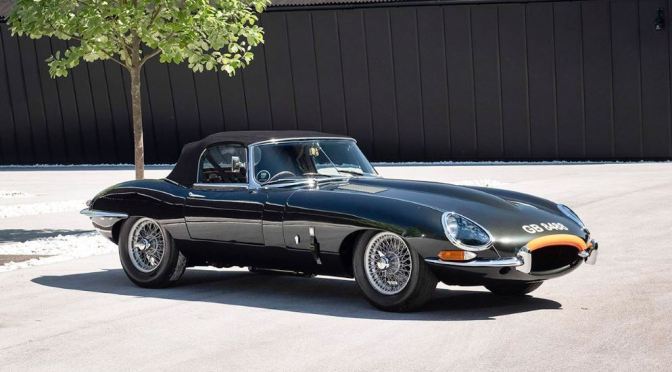
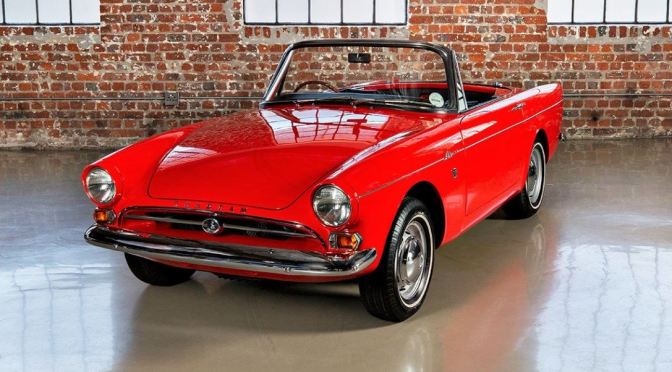
 The Sunbeam Tiger is a high-performance V8 version of the British Rootes Group’s Sunbeam Alpine roadster, designed in part by American car designer and racing driver Carroll Shelby and produced from 1964 until 1967. Shelby had carried out a similar V8 conversion on the AC Cobra, and hoped to be offered the contract to produce the Tiger at his facility in the United States. Rootes decided instead to contract the assembly work to Jensen at West Bromwich in England, and pay Shelby a royalty on every car produced.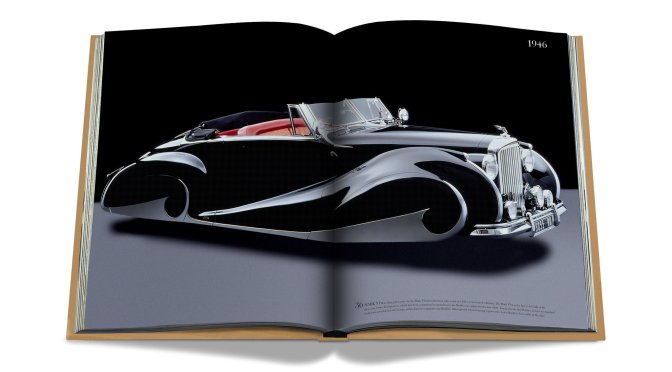
 Assouline presents yet another fascinating volume dedicated to the preeminent British car brand—Bentley: 100. Housed in a hand-stitched leather bound, limited edition case, this all-inclusive work presents an exhaustive list of the one hundred single most important and groundbreaking Bentley models, with detailed critiques and explanations relating to each automobile’s unique engineering excellence and the various creative avenues Bentley may have taken during the manufacturing process.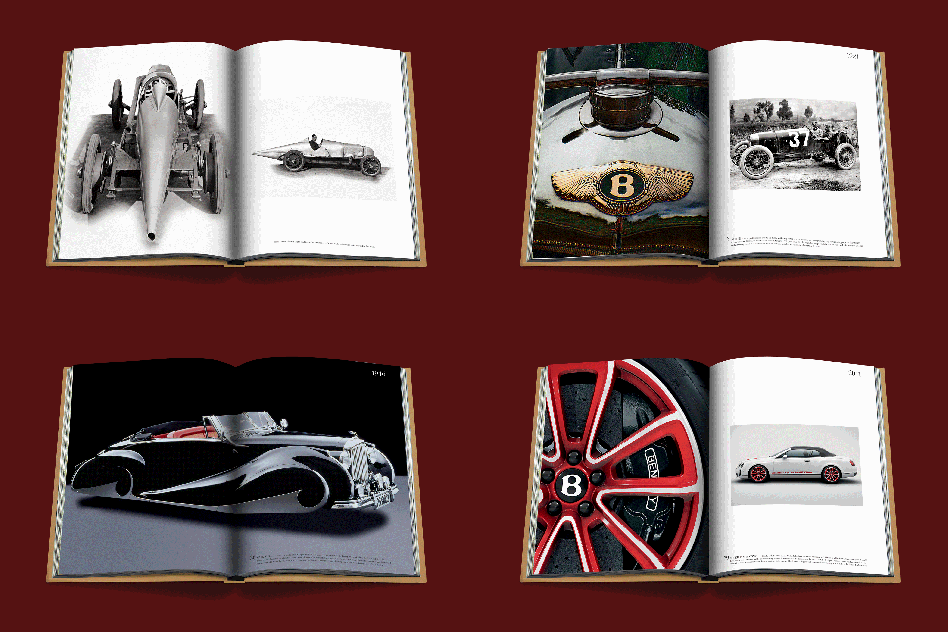

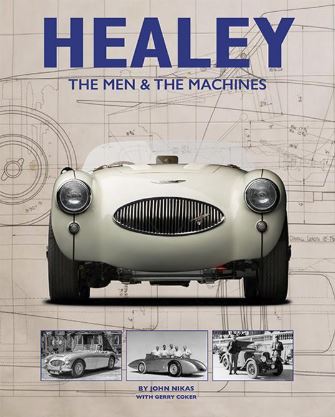 “Nikas combines extensive research into a previously unavailable and highly detailed archive of Donald Healey’s personal records with the author’s masterful ability to weave together an amazing level of detail while making it an eminently readable story. The result is a book that both seasoned automotive historians and anyone with an interest in the story of a life well lived will enjoy. Until you’ve read this book, you don’t know the true story of Donald Healey and his cars”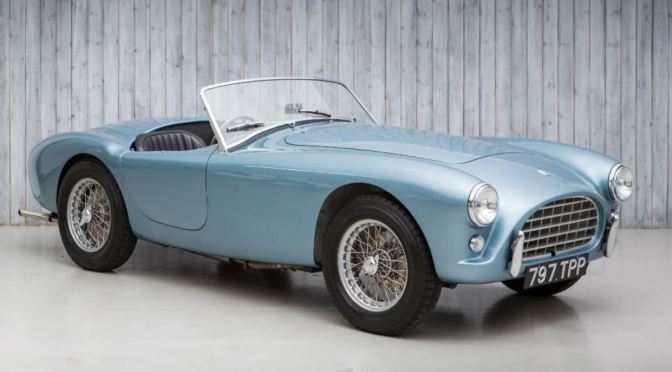
 In 1961 a new 2.6-litre (2,553 cc (155.8 cu in)) straight-six ‘Ruddspeed’ option was available, adapted by Ken Rudd from the unit used in the Ford Zephyr. It used three Weber or SU carburettors and either a ‘Mays’ or an iron cast head. This setup boosted the car’s performance further, with some versions tuned to 170 bhp (127 kW), providing a top speed of 130 mph (209 km/h) and 0–60 mph (0–100 km/h) in 8.1 seconds. However, it was not long before Carroll Shelby drew AC’s attention to the Cobra, so only 37 of the 2.6 models were made. These Ford engined models had a smaller grille which was carried over to the Cobra.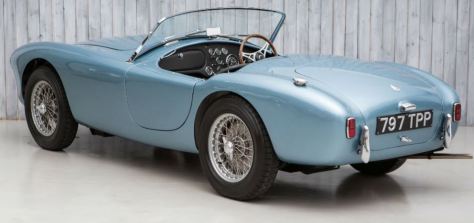
 Boomers Daily