
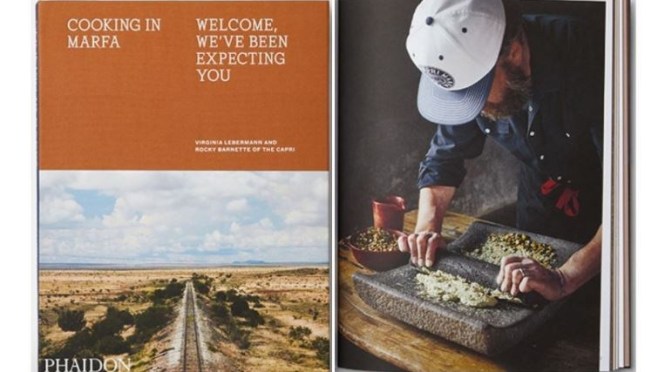
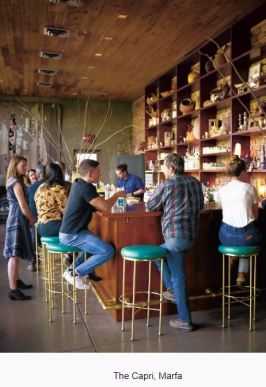
 Cooking in Marfa introduces an unusual small town in the West Texas desert and, within it, a fine-dining oasis in a most unlikely place. The Capri excels at serving the spectrum of guests that Marfa draws, from locals and ranchers to artists, museum-board members, and discerning tourists.
Featuring more than 80 recipes inspired by local products, this is the story of this unique community told through the lens of food, sharing the cuisine and characters that make The Capri a destination unto itself.

Marfa, the remote desert town in West Texas, might be small, but its cultural capital is far greater than its city limits suggest. “There are multigenerational families that were here when this was still Mexico, ranchers of European descent, artists, patrons, collectors, railroad workers, border patrol, fashion designers, builders, social workers, photographers, tomato factory workers, cultural travelers, intrepid travelers, and transient hipsters all existing in 1.6 square miles, at ‘about a mile high’ [elevation] with a population of 1,800 people, more or less,” writes the entrepreneur, philanthropist, restaurateur and Texas native Virginia Lebermann in our new book, Cooking in Marfa: Welcome, We’ve Been Expecting You.
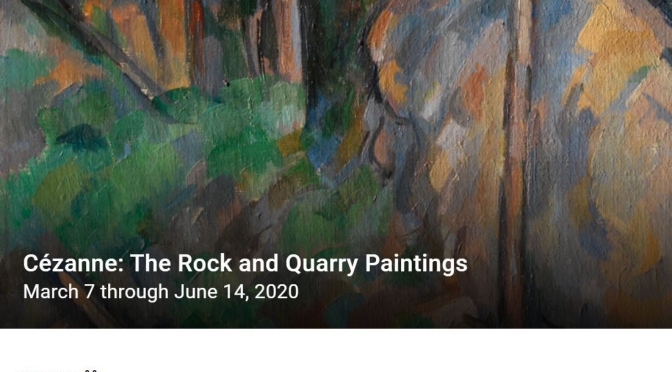
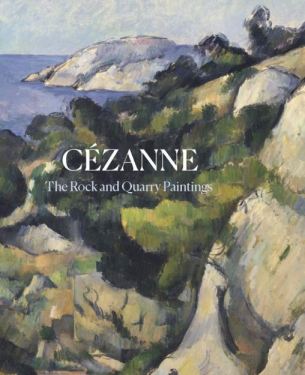 Cézanne: The Rock and Quarry Paintings is the first major exhibition to examine an essential but understudied aspect of the revolutionary French painter’s work: his profound interest in rock and geological formations.
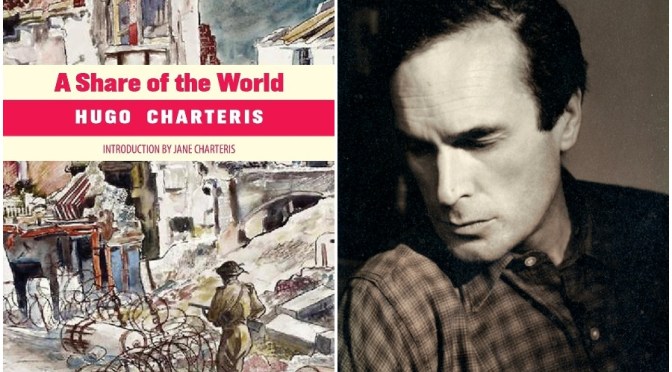
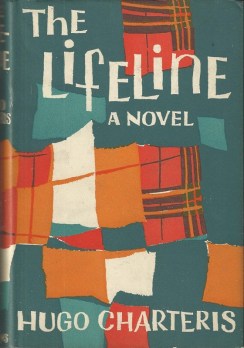 Alan Ross, for forty years
  almost five decades since his death of cancer in 1970, aged only forty-seven.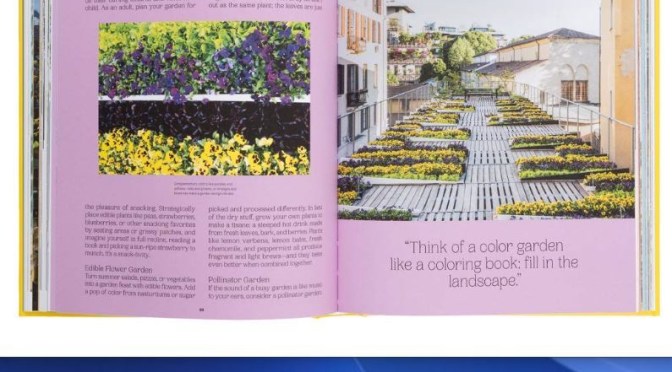
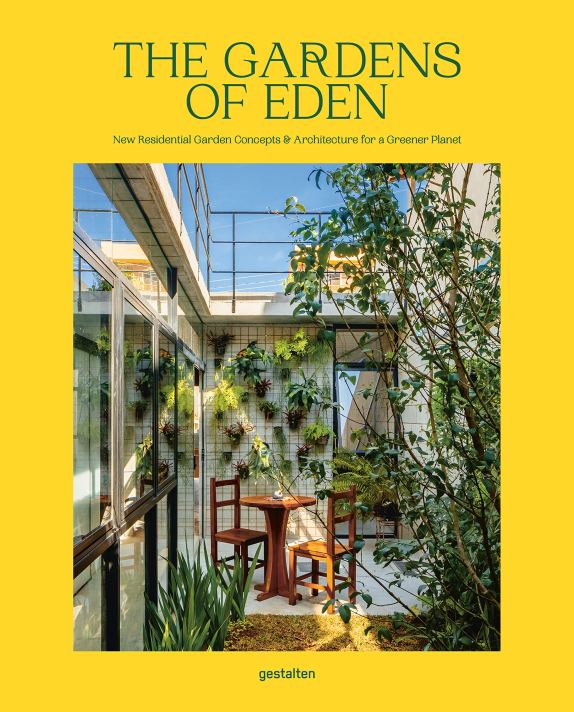 Step into innovative little gardens of Eden created on small terraces and city rooftops, as well as out in the suburbs and countryside.
 greener corners within urban areas. The Gardens of Eden looks at fascinating examples around the world, teaching what you can do for nature while revealing what a garden can do for you.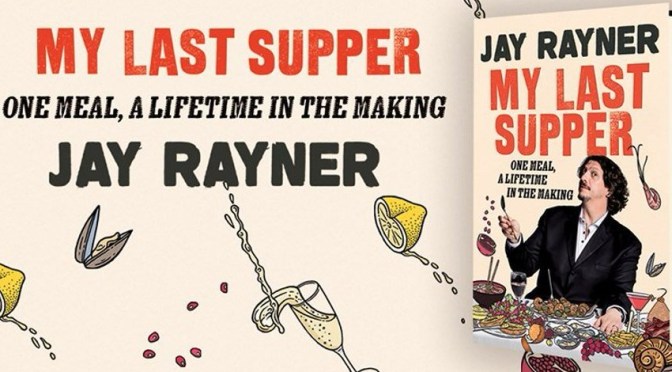
 The plan was simple: he would embark on a journey through his life in food in pursuit of the meal to end all meals. It’s a quest that takes him from necking oysters on the Louisiana shoreline to forking away the finest French pastries in Tokyo, and from his earliest memories of snails in garlic butter, through multiple pig-based banquets, to the unforgettable final meal itself.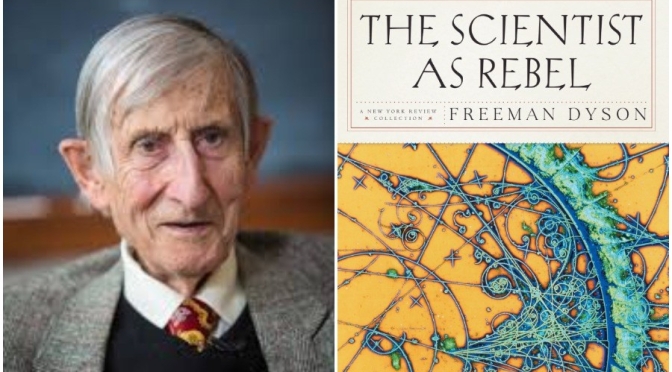
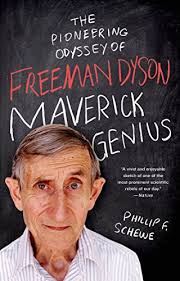 “Life begins at 55, the age at which I published my first book,” he wrote in “From Eros to Gaia,” one of the collections of his writings that appeared while he was a professor of physics at the Institute for Advanced Study — an august position for someone who finished school without a Ph.D. The lack of a doctorate was a badge of honor, he said. With his slew of honorary degrees and a fellowship in the Royal Society, people called him Dr. Dyson anyway.
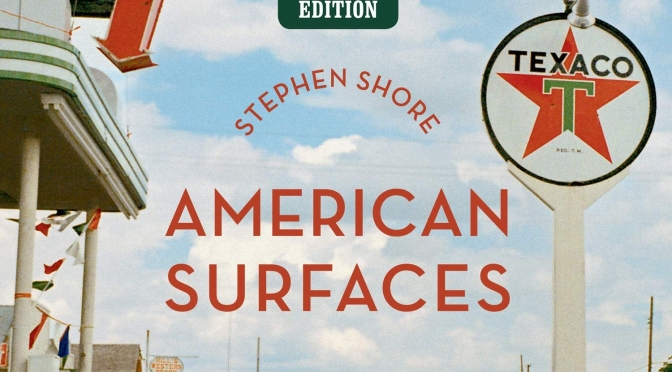
 Stephen Shore’s images from his travels across America in 1972-73 are considered the benchmark for documenting the extraordinary in the ordinary and continue to influence photographers today.
 Boomers Daily