
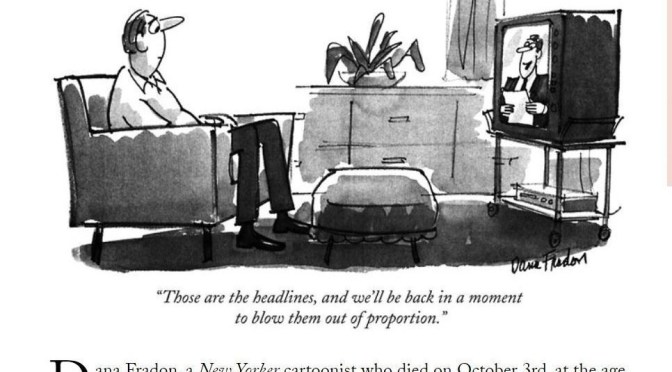
From a New Yorker online posting:
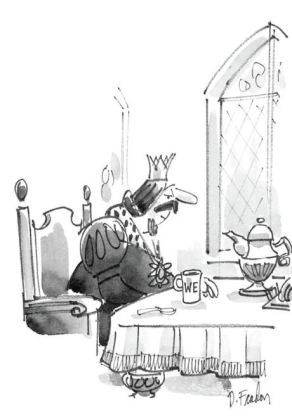 Fradon’s elaborate drawings were generous masterpieces of compressed fun. One carefully detailed illustration, published in 1987, depicts a chauffeured convertible making its way up a manicured, tree-lined drive, toward an extravagant hilltop mansion. The self-satisfied owner, seated in the rear seat, says to his companion, “It’s my one indulgence.”
Dana Fradon, a New Yorker cartoonist who died on October 3rd, at the age of ninety-seven, was the last of the magazine’s legendary artists who were brought to its pages by Harold Ross. Fradon, starting in 1948, contributed almost fourteen hundred finely honed drawings of mirth and satire. The surprising stories and frozen moments in his work entertained and delighted readers for decades.
To read more: https://www.newyorker.com/culture/postscript/the-timeless-cartoons-of-dana-fradon
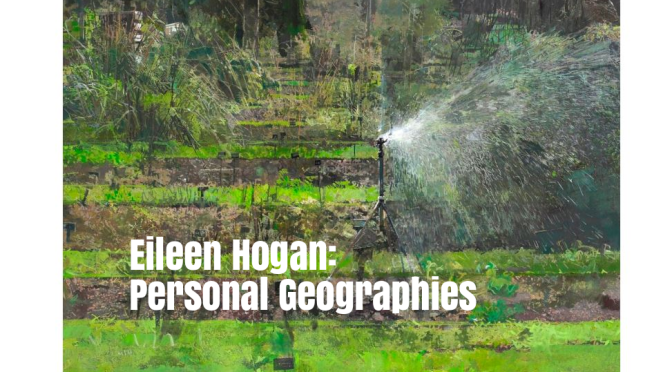
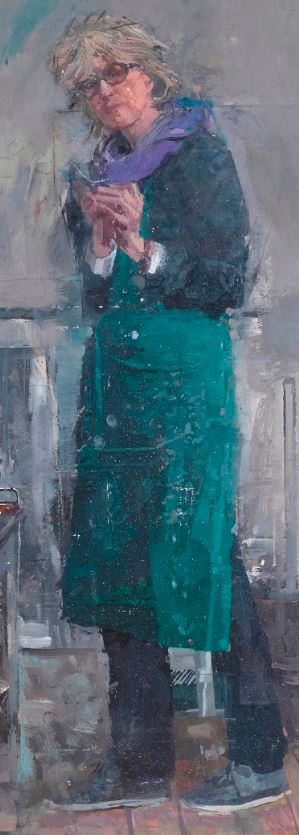 I describe myself as an urban-based painter who is interested in green spaces. Painting and drawing have been seen as profoundly unfashionable for most of my working life, and I have felt sometimes that it was quite eccentric to be a figurative painter with conventional subject matter. Looking back, my insistence on maintaining my practice as a figurative painter now seems more radical than conventional.
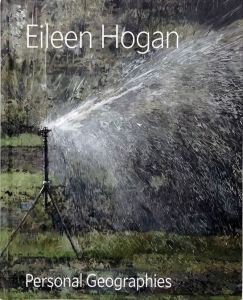 I was very blessed to have the opportunity to catch up with Hogan ahead of her Mayfair exhibition. I find myself entranced by her vibrant paintings that are dense with detail, filling the canvas from edge to edge with layers upon layers of paint. She has also established portraiture practice, her commissions including HRH The Prince of Wales. In a unique style, Hogan paints her sitters whilst they are deep in conversation, capturing unguarded gestures and expressions to create intricate portraits of both honesty and intimacy.
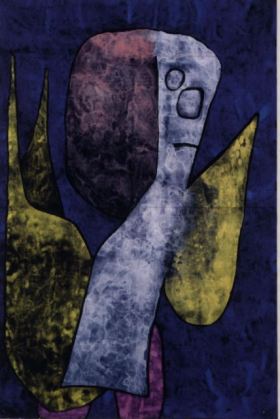 The works on view illustrate how Klee responded to his personal difficulties and the broader social realities of the time through imagery that is at turns political, solemn, playful, humorous, and poetic. Ranging in subject matter, the works all testify to Klee’s restless drive to experiment with his forms and materials, which include adhesive, grease, oil, chalk, and watercolor, among others, resulting in surfaces that are not only visually striking, but also highly tactile and original. The novelty and ingenuity of Klee’s late works informed the art of the generation of artists that emerged after World War II, and they continue to hold relevance and allure for artists and viewers alike today.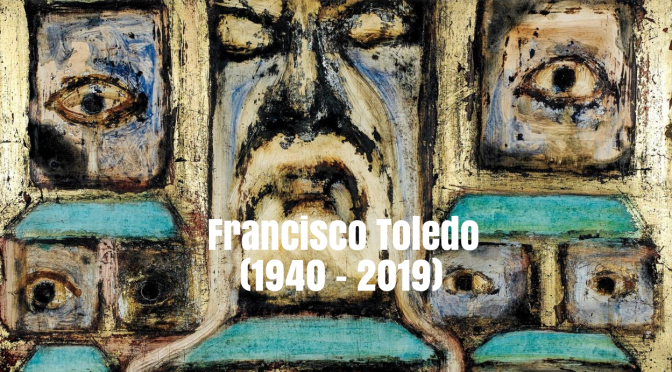
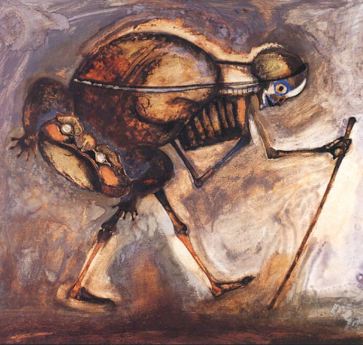 Though his paintings and sculptures sell all over the world for fabulous prices, he has not enriched himself. He lives simply, with his wife, Trine Ellitsgaard Lopez, an accomplished weaver, in a traditional house in the middle of Oaxaca, and has used his considerable profits to found art centers and museums, an ethnobotanical garden and at least three libraries.
 Toledo, whose origins were obscure and inauspicious, was the son of a leatherworker—shoemaker and tanner. He was born in Mexico City, but the family soon after moved to their ancestral village near Juchitán de Zaragoza in the Isthmus of Tehuantepec, nearer to Guatemala than to Mexico City—and being ethnically Zapotec, nearer culturally to the ancient pieties of the hinterland too.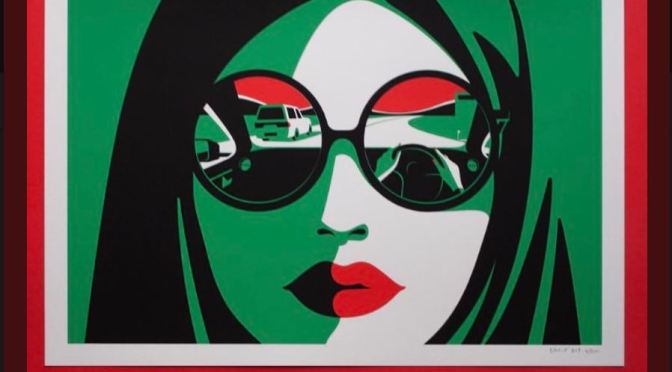
 From the top floor of a 1920s building in Hackney, in the East End of London, Favre’s confidence is at a peak. The bold, graphic style she has developed over the last fifteen years attracts prestigious projects. When she was invited to design the poster for this year’s Montreux Jazz Festival, held every summer in Switzerland since 1967, she became part of a group that includes Milton Glaser, Andy Warhol and Keith Haring. Her poster is full of female silhouettes dancing, the negative spaces between them forming instruments.
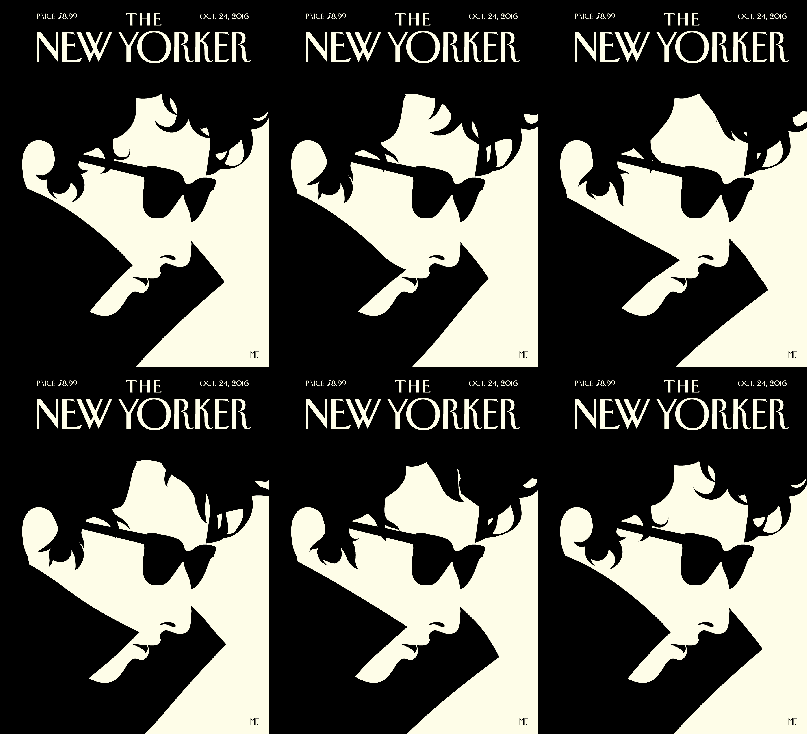 Favre is a French artist based in London.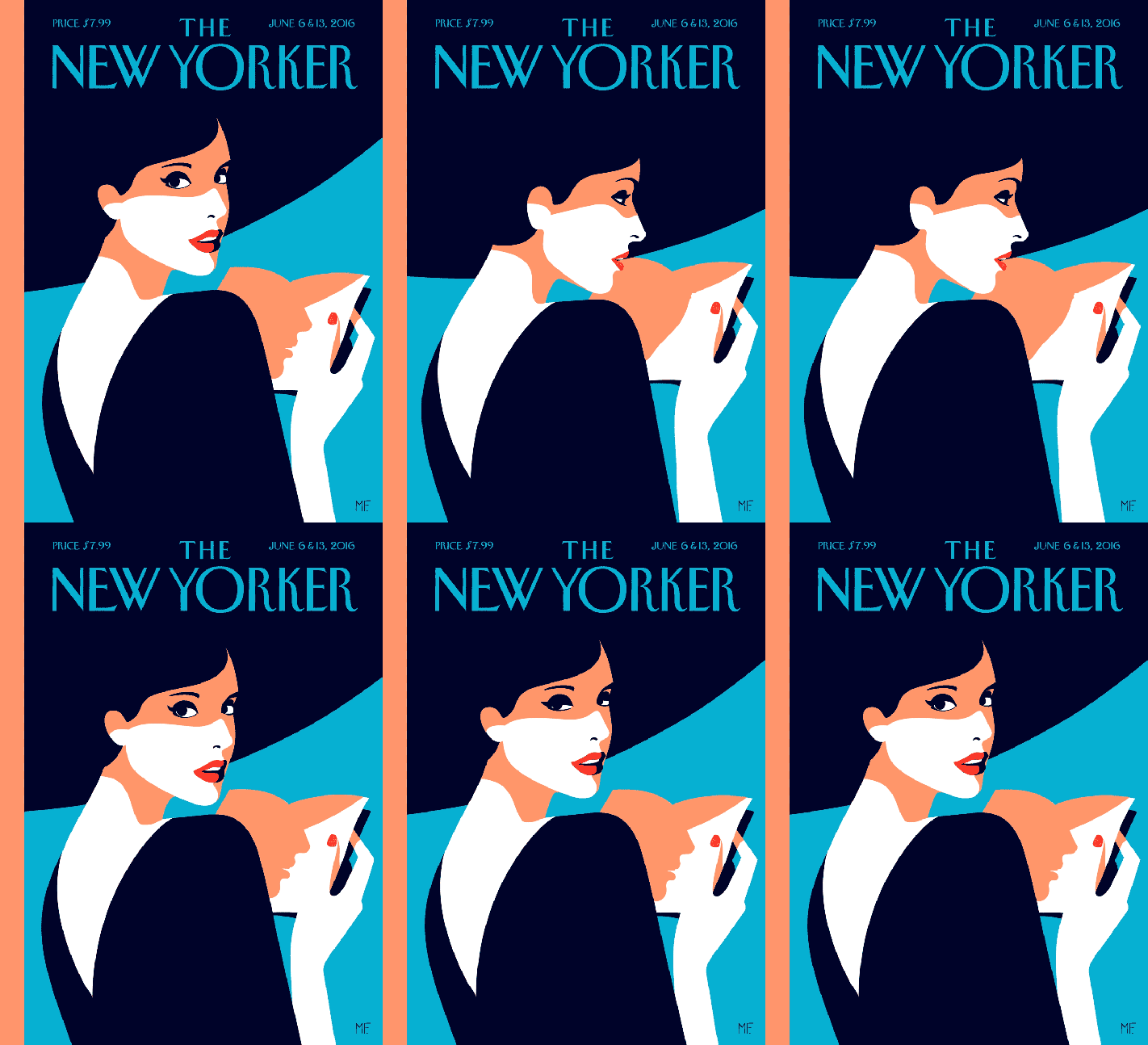
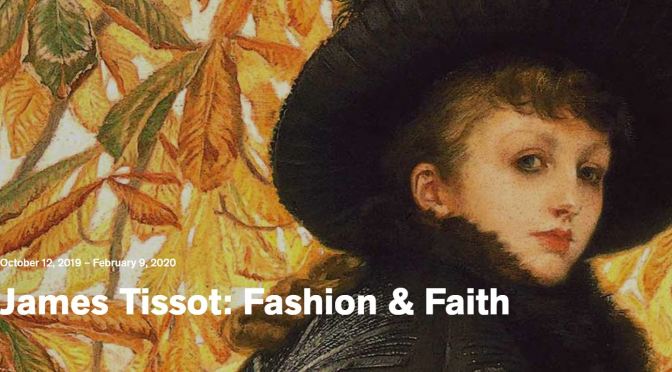
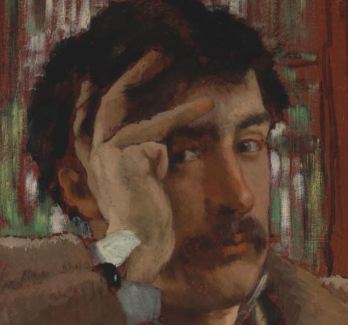 Tissot consistently defied convention in both his professional and personal life. His contributions to the academy and the avant-garde are documented by participation at diverse venues such as the Paris Salon as well as London’s Royal Academy and the Grosvenor and Dudley Galleries. This exhibition explores his multifaceted career with a fresh perspective and original scholarship and will also question where and how Tissot should be situated in narratives of the nineteenth-century canon.
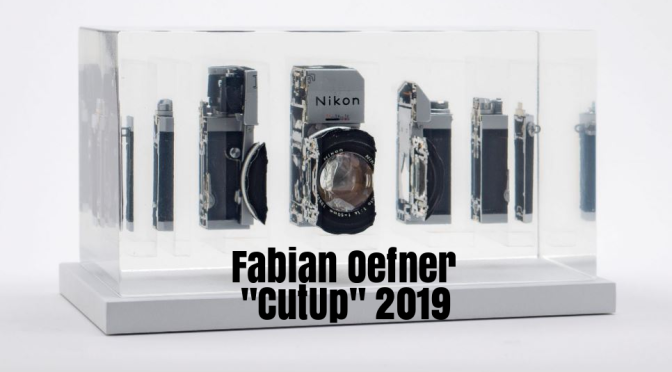
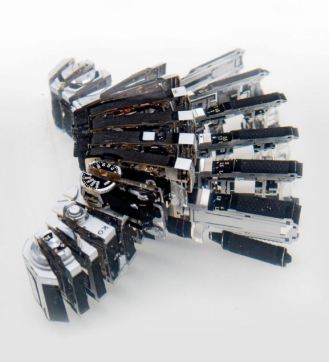 CutUp is closely linked to Oefner`s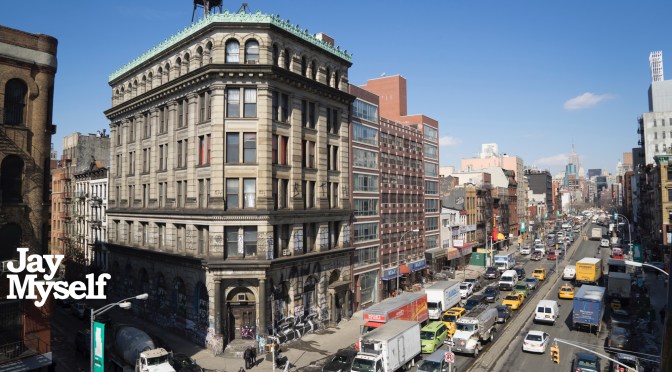
 JAY MYSELF documents the monumental move of renowned photographer and artist, Jay Maisel, who, in February 2015 after forty-eight years, begrudgingly sold his home—the 36,000 square-foot, 100-year-old landmark building in Manhattan known simply as “The Bank.” Through the intimate lens of filmmaker and Jay’s protégé, noted artist and photographer Stephen Wilkes, the viewer is taken on a remarkable journey through Jay’s life as an artist, mentor, and man; a man grappling with time, life, change, and the end of an era in New York City.
 Boomers Daily