Monocle on Sunday, April 14, 2024: Emma Nelson, Dimi Reider, Tessa Szyszkowitz and Kat Hanna on drone strikes on Israel by Iran overnight, as well as more of weekend’s biggest talking points.
We also speak to Monocle’s editorial director, Tyler Brûlé, in Geneva and we check-in with Monocle’s correspondent in Marseille, Mary Fitzgerald, for the latest headlines from the regions.
Richard Goodwin, an adviser to presidents, “was more interested in shaping history,” she says, “and I in figuring out how history was shaped.” Their bond is at the heart of her new book, “An Unfinished Love Story: A Personal History of the 1960s.”
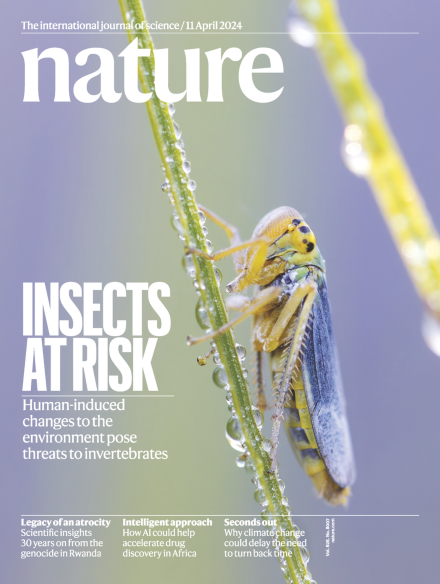
Nature Magazine – April 11, 2024: The latest issue cover features the environmental challenges now facing insect populations, with climate change emerging as a key factor whose influence has potentially been underestimated…
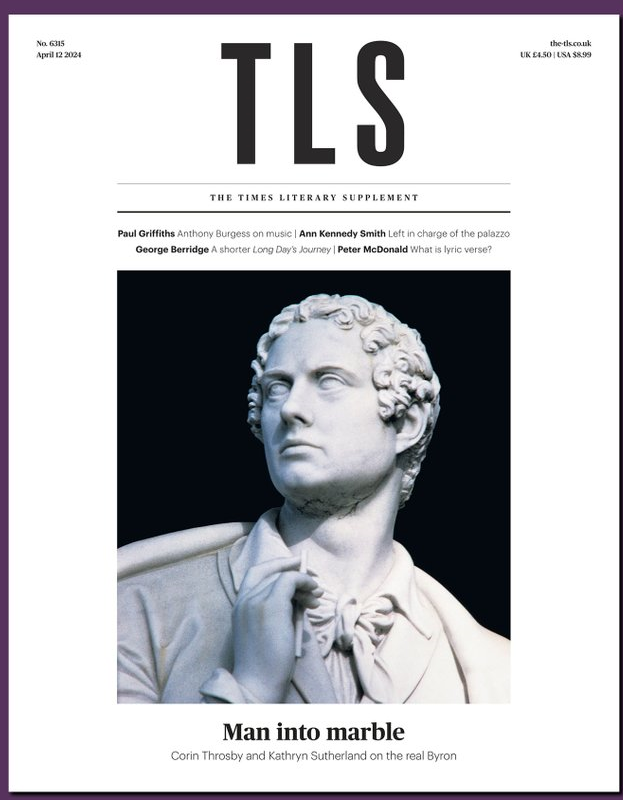
Times Literary Supplement (April 10, 2024): The latest issue features ‘Man Into Marble’ – Corin Throsby and Kathryn Sutherland on the real Byron; Anthony Burgess on music; Left in charge at the palazzo; Revolutionary Russia; A shorter Long Day’s Journey and What is lyric verse?…
This week’s @TheTLS marks the bicentenary of Byron’s death, including two newly published letters. Also: Stephen Lovell on revolutionary Russia; me on Long Day’s Journey into Night; @Tiny_Camels on Jennifer Croft; @akennedysmith on 1950s Venice; @rinireg on eclipses – and more pic.twitter.com/nx02ouQKFO
Insider(April 6, 2024): From the $13 billion USS Gerald R. Ford to the Chinese Fujian carrier, a high stakes race is underway between the US and China for aircraft carriers. We compare the two superpowers’ fleets, their capabilities and missions.
Monocle on Saturday Podcast (April 6, 2024): Terry Stiastny updates Georgina Godwin on the Wirecard fugitive case and discusses the honeytrap scandal that has rattled Westminster this week.
We examine the history of honeytrap scandals and look back at the lives of two extraordinary people: journalist Hella Pick and author Lynne Reid Banks. Plus: twins Dina and Rosabella Gregory take us through their new opera, ‘The Haberdasher Prince’, and Louise Doughty joins to talk about her guest edition of Writers Mosaic, ‘Blood and belonging: Traveller Writers’.
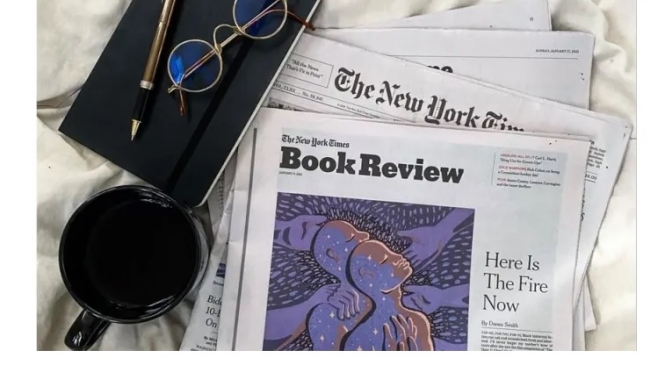
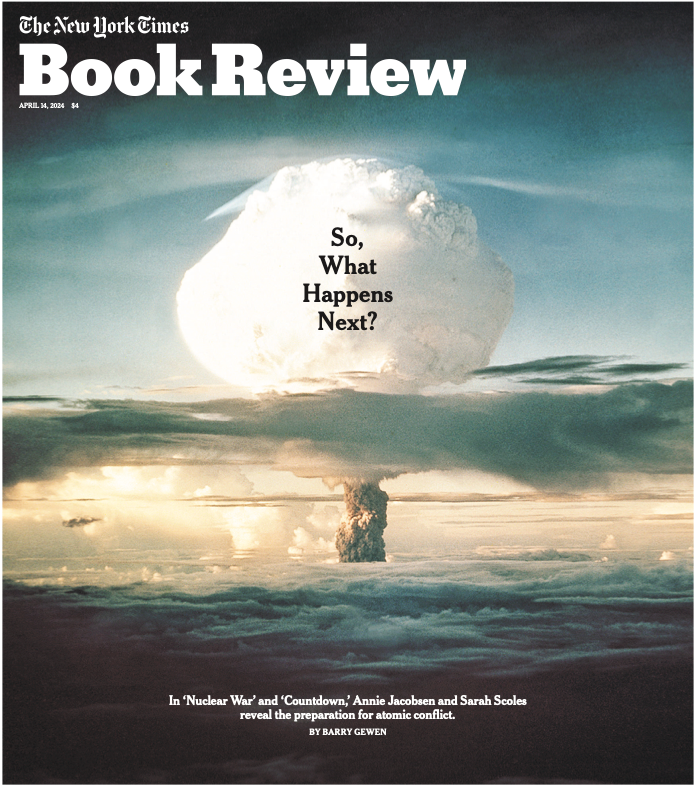
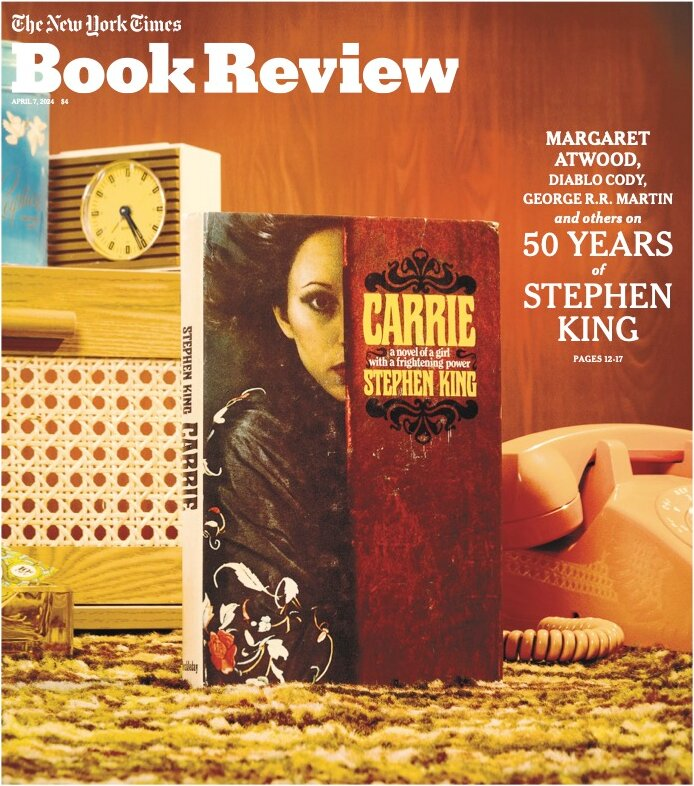
THE NEW YORK TIMES BOOK REVIEW (April 5, 2024): The latest issue features Stephen King’s first novel, “Carrie,” published 50 years ago. The Book Review editors weren’t sure what to do with it, so they handed it to their mystery columnist, Newgate Callendar. He called it “brilliant” but conceded, “Maybe, strictly speaking, it is not a mystery.” Still, he added, “That this is a first novel is amazing. King writes with the kind of surety normally associated only with veteran writers.”
“Carrie” was published in 1974. Margaret Atwood explains its enduring appeal.
By Margaret Atwood
Stephen King’s “Carrie” burst upon an astonished world in 1974. It made King’s career. It has sold millions, made millions, inspired four films and passed from generation to generation. It was, and continues to be, a phenomenon.
“Carrie” was King’s first published novel. He started it as a men’s magazine piece, which was peculiar in itself: What made him think that a bunch of guys intent (as King puts it) on looking at pictures of cheerleaders who had somehow forgotten to put their underpants on would be riveted by an opening scene featuring gobs of menstrual blood? This is, to put it mildly, not the world’s sexiest topic, and especially not for young men. Failing to convince himself, King scrunched up the few pages he’d written and tossed them into the garbage.
As “Carrie” turns 50, George R.R. Martin, Sissy Spacek, Tom Hanks, the Archbishop of Canterbury and others recall the powerful impact the writer’s work has had on their lives.
Tom Hanks
Actor, “The Green Mile”
In the late ’70s the image of Carrie covered in blood at the high school dance was already part of the national narrative — in a fun way. Struggling to afford the rent and the diapers while navigating those first years of a creative journey in the big city, I had not seen the movie nor read the book. Then a copy of “The Stand” was being gobbled up by our gang — read in a fever pitch on every subway ride and first thing in the morning. Once done, the copy was passed along to the next pair of eyes and promptly devoured.
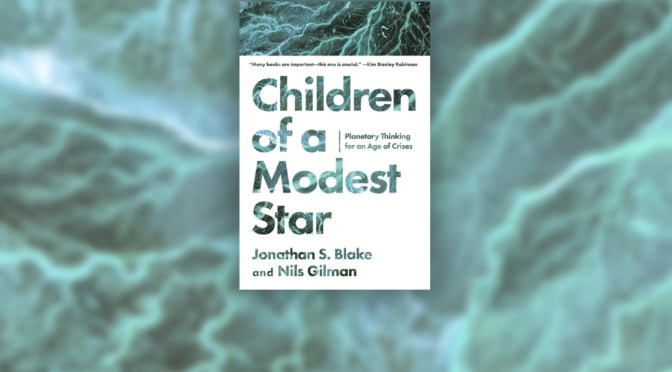
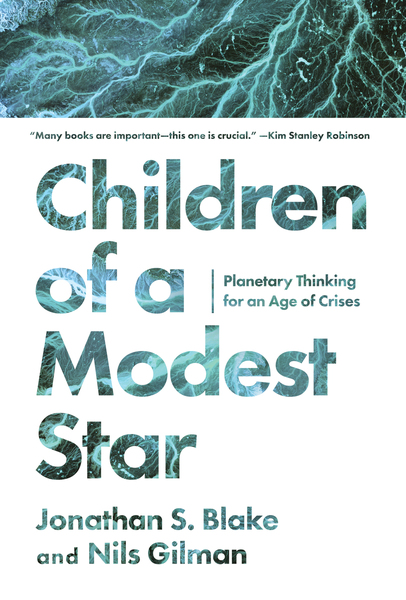
Stanford University Press (April 5, 2024): Jonathan S. Blake and Nils Gilman introduce their new book Children of a Modest Star: Planetary Thinking for an Age of Crises.
A clear-eyed and urgent vision for a new system of political governance to manage planetary issues and their local consequences.
Deadly viruses, climate-changing carbon molecules, and harmful pollutants cross the globe unimpeded by national borders. While the consequences of these flows range across scales, from the planetary to the local, the authority and resources to manage them are concentrated mainly at one level: the nation-state. This profound mismatch between the scale of planetary challenges and the institutions tasked with governing them is leading to cascading systemic failures.
The Globalist (April 5, 2024): Benjamin Netanyahu’s main rival and member of the war cabinet, Benny Gantz, calls for early elections, Myanmar’s opposition carries out a drone attack on junta-controlled Naypyidaw, Moscow declares that Russia and Nato are now in “direct confrontation” and we celebrate the life and legacy of Gaetano Pesce.
Plus: Andrew Mueller takes a look at what we learned this week.
News, Views and Reviews For The Intellectually Curious






 Insider







 Boomers Daily