
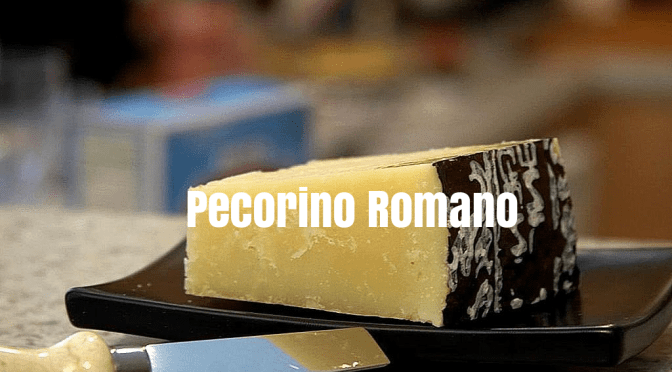
From an ItalyMagazine.com online article:
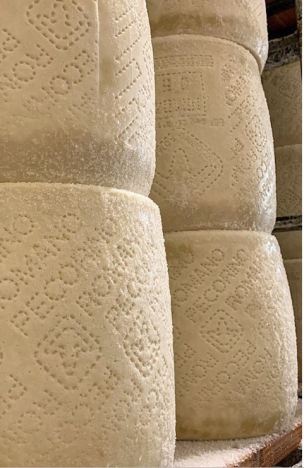 Pecorino Romano today is still made from rich sheep’s milk (pecorino comes from the Italian word for sheep, pecora) and the cheesemaking process closely follows the traditions of the ancient Romans. But most of it is now produced on the island of Sardinia, rather than in the countryside around Rome and Lazio. So why the shift?
Millennia before cacio e pepe became one of the Eternal City’s trendiest pasta dishes and a social media sensation, its starring ingredient graced the tables of Roman emperors. Cacio refers to Pecorino Romano in Roman dialect, and its origins go back to the aged sheep’s milk cheese that was prized by the ancient Romans. They depended on it as an important source of nourishment for legionnaires—its nutritional value and ability to endure on extended marches made it an ideal food for the soldiers, who were allotted a daily ration of 27 grams.
To read more: https://www.italymagazine.com/featured-story/pecorino-romano-story-behind-one-italys-oldest-and-most-famous-formaggi

 Health care is a big business, and our system reimburses hospitals and health care workers for caring for the sickest people rather than healthiest ones. This process depletes healers’ energy and often causes them to become exhausted and sick. That means all of us who work in or study to work in health care are at risk. To break this vicious cycle, we need self-scrutiny and willingness to change.
 James Wood: These Etonians
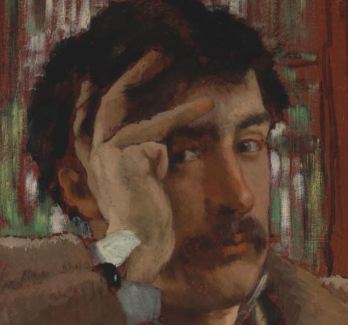 Tissot consistently defied convention in both his professional and personal life. His contributions to the academy and the avant-garde are documented by participation at diverse venues such as the Paris Salon as well as London’s Royal Academy and the Grosvenor and Dudley Galleries. This exhibition explores his multifaceted career with a fresh perspective and original scholarship and will also question where and how Tissot should be situated in narratives of the nineteenth-century canon.




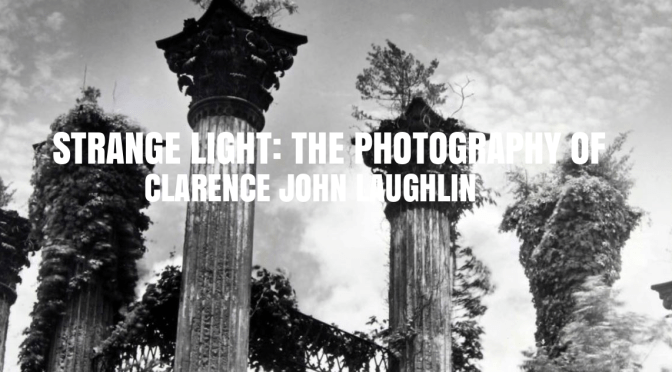
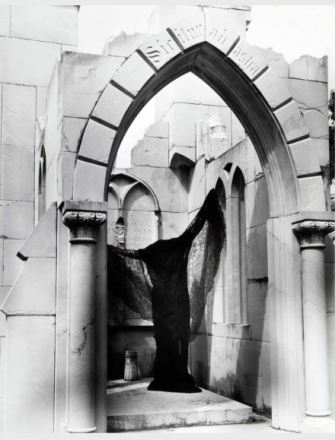 Dubbed “The Father of American Surrealism,” Clarence John Laughlin (American, 1905-1985) was the most important Southern photographer of his time and a singular figure within the burgeoning American school of photography. Known primarily for his atmospheric depictions of decaying antebellum architecture that proliferated his hometown of New Orleans, Laughlin approached photography with a romantic, experimental eye that diverged heavily from his peers who championed realism and social documentary.
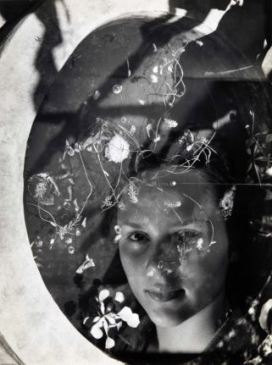 The exhibition surveys Laughlin’s signature bodies of work made between 1935 and 1965, emphasizing his inventiveness, artistic influences, and deep connection to the written word. The High began collecting Laughlin’s work in 1974 and Strange Light: The Photography of Clarence John Laughlin is the first major presentation of Laughlin’s photographs by the High Museum following a landmark acquisition of his work in 2015.
 The Breckenridge Wine Classic is a premier destination event where master winemakers, culinary greats, and our distinguished guests gather to play, wine, and dine in beautiful Breckenridge, CO. Experience more than 100 food artisans, wineries, breweries, distilleries, epicurean purveyors, and locally-made products at this ultimate food and wine experience. Whether you are a full-fledged foodie or an emerging gourmand, you are sure to find more than one event to whet your appetite at the Wine Classic. There is something for everyone – from food and wine tastings, to seminars and luncheons, to outdoor adventures with food & wine influences, there are tastes and temptations at every turn.
 “What is memory without forgetting?” asks Oliver Hardt, a cognitive psychologist studying the neurobiology of memory at McGill University in Montreal, Canada. “It’s impossible,” he says. “To have proper memory function, you have to have forgetting.”
 A nanotube microprocessor: Scientists are looking beyond silicon, by constructing a computer chip using carbon nanotubes.
 “Fans of intelligent historical fiction will be enthralled by a story so original and so fully imagined. Meek shows the era as alien, which it is, and doesn’t falsify it by assimilating it to ours. But his characters are recognisably warm and human”
 Boomers Daily