
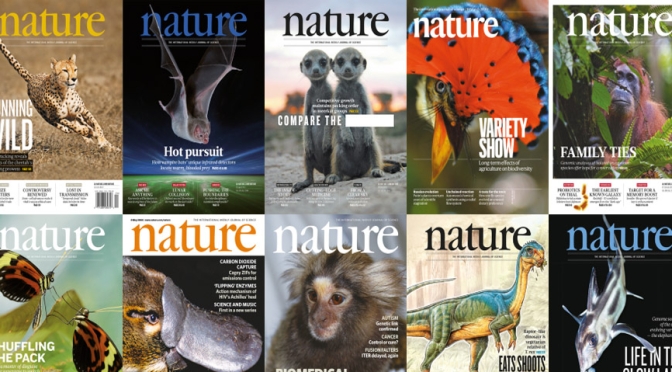
This week in Nature: Protein misfolds – Neurodegenerative diseases classified by shapes of tau filaments. Browse the issue here: https://t.co/dtJGmmppTf pic.twitter.com/wxa6ZiFmSv
— nature (@Nature) October 13, 2021
Category Archives: Science
Science: Accupuncture’s Inflammation Effect, Antibiotics & Gut Bacteria
The neurons behind acupuncture’s effect on inflammation, and how antibiotics affect gut bacteria.
In this episode:
00:54 The neuronal basis for acupuncture’s effect on inflammation
In mice, electroacupuncture has been shown to reduce inflammation, but only when certain points on the body are stimulated. Why this is has puzzled scientists, but now, researchers have identified the specific neurons that are involved. They hope that this knowledge could be used in future to help treat certain inflammatory-related diseases.
Research article: Liu et al.
News and Views: Electroacupuncture activates neurons to switch off inflammation
07:28 Research Highlights
The Aztec origins of an obsidian ‘spirit mirror’, and the damage done by a Soviet plutonium complex.
Research Highlight: A ‘spirit mirror’ used in Elizabeth I’s court had Aztec roots
Research Highlight: Cold-war spy pictures reveal a Soviet nuclear ‘cloud generator’
10:18 Assessing antibiotics’ collateral damage.
Antibiotics are known to cause damage to the communities of bacteria that live in our guts. To better understand why this happens, a team has mapped the effects that different antibiotics have on individual gut-bacteria species, which may offer new insights into preventing this collateral damage.
Research article: Maier et al.
17:32 Briefing Chat
We discuss some highlights from the Nature Briefing. This time, the latest species to be declared extinct in the US, and a potential planet that orbits three stars.
New York Times: Protected Too Late: U.S. Officials Report More Than 20 Extinctions
New York Times: This May Be the First Planet Found Orbiting 3 Stars at Once

Science: “How Tropical Forests Shaped The World” – Book Review

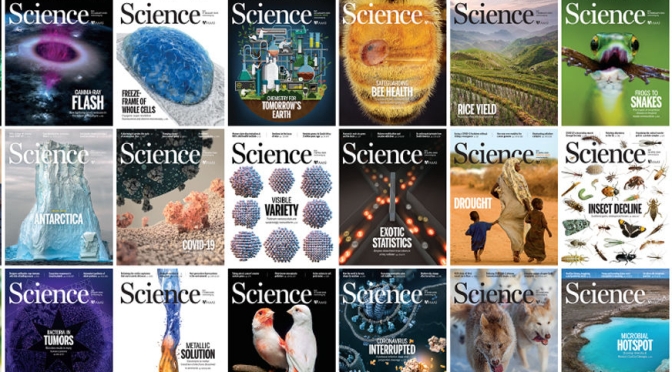
Front Covers: Science Magazine – October 8
Cover Previews: Nature Magazine – October 7, 2021
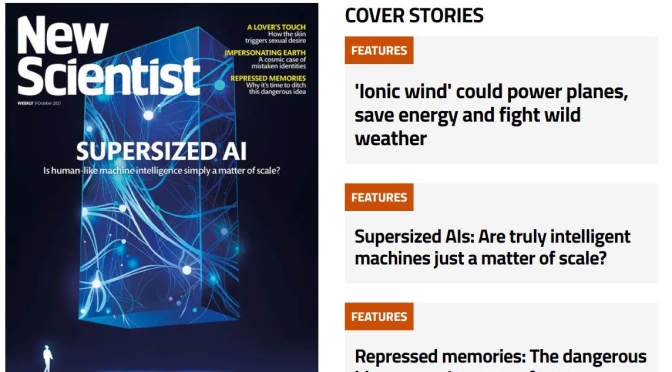
Front Cover Preview: New Scientist Magazine – OCT 9

Read issue
Science: Predicting Rain With AI, Map Of The Motor Cortex, 2021 Nobel Prizes
AI weather forecasters, mapping the human brain and the 2021 science Nobel prizes.
In this episode:
00:52 Improving the accuracy of weather forecasts with AI
Short-term rain predictions are a significant challenge for meteorologists. Now, a team of researchers have come up with an artificial-intelligence based system that weather forecasters preferred to other prediction methods.
Research article: Ravuri et al.
08:02 Research Highlights
The vaping robot that could help explain why some e-cigarettes damage lungs, and the sea-slugs that steal chloroplasts to boost egg production.
Research Highlight: This robot vapes for science
Research Highlight: Solar-powered slugs have a bright reproductive future
10:29 A map of the motor cortex
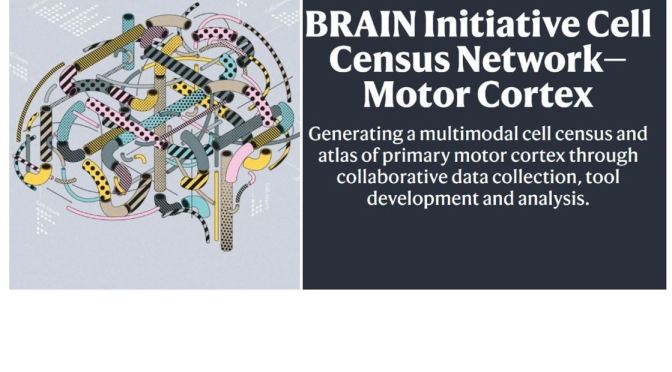
A group of researchers are undertaking an enormous task: to make a cellular atlas of the entire brain. This week, they publish a suite of papers that has accomplished this feat for one part of the brain — the motor cortex.
Research Article: BRAIN Initiative Cell Census Network
News and Views: A census of cell types in the brain’s motor cortex
Editorial: Neuroscientists make strides towards deciphering the human brain
17:58 Nobel News
Flora Graham from the Nature Briefing joins us to talk about the winners of this year’s science Nobels.
News: Medicine Nobel goes to scientists who discovered biology of senses
News: Climate modellers and theorist of complex systems share physics Nobel
News: ‘Elegant’ catalysts that tell left from right scoop chemistry Nobel

Cremation Diamonds: An Afterlife After Death

Treating Depression: Deep Brain Stimulation (UCSF)
UCSF Health physicians have successfully treated a patient with severe depression by tapping into the specific brain circuit involved in depressive brain patterns and resetting them using the equivalent of a pacemaker for the brain.
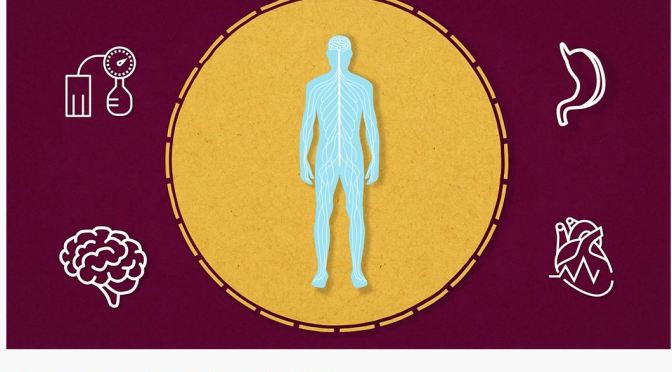
Science Of The Brain: What Is Interoception? (Scripps)
Your brain is keenly aware of what’s going on inside your body at all times. Some things are obvious – like when you feel hungry or thirsty. But some things you never notice – like how blood vessels all over your body simultaneously contract as you stand up, so you don’t lose blood flow to your brain. But how does your brain know when to send the signal to squeeze? It’s all part of concept scientists call interoception – the dialogue between your brain and the rest of your body.
Interoception is involved in everything from keeping us balanced while we walk, to keeping our blood pressure and heart rate steady. It even appears to influence our moods and emotions. And thanks to recent discoveries, we’re learning more about how interoception works. Researchers identified two special channels in neurons that react to touch and named them PIEZO1 and PIEZO2. Since first identifying these pressure sensors, researchers have found PIEZOs in internal organs like the heart, lungs, and blood vessels lining the stomach… suggesting many physiological functions involve mechanical forces that our brain and other parts of our nervous system must monitor and influence. As the study of interoception grows, scientists are hopeful the field could lead to breakthroughs in treating heart disease, controlling blood pressure, relieving anxiety and depression, and treating a number of other disorders. Learn more about Scripps Research at scripps.edu.
 Boomers Daily