
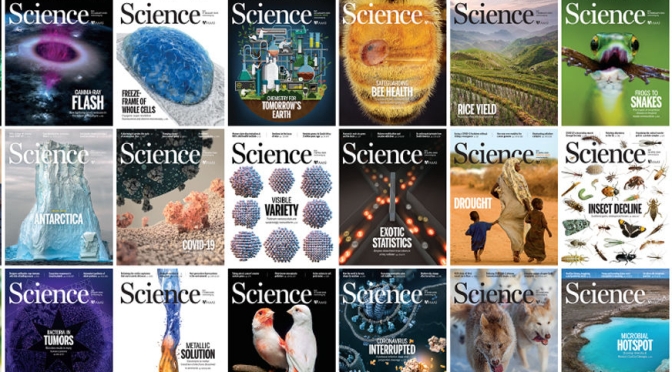
On this week’s cover: An enhanced-color optical image of Jezero crater, Mars, taken by @NASAPersevere. New research in Science shows how much water flowed into this crater about 3.7 billion years ago.
— Science Magazine (@ScienceMagazine) November 4, 2021
Read that study and more in our latest issue: https://t.co/NipDNJ97OV pic.twitter.com/8Sc443yPJI
Category Archives: Science

Front Covers: Nature Magazine – November 4

Research: Combatting Antibiotic Resistance
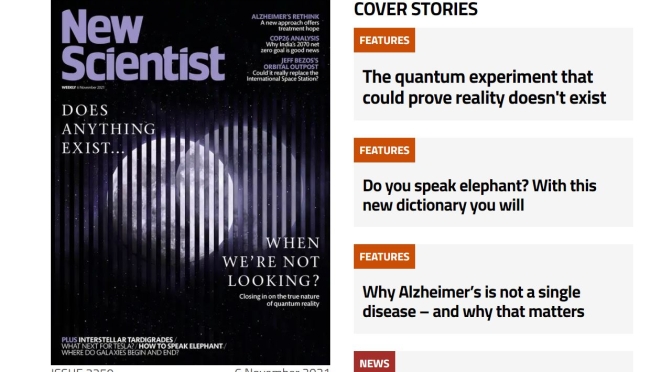
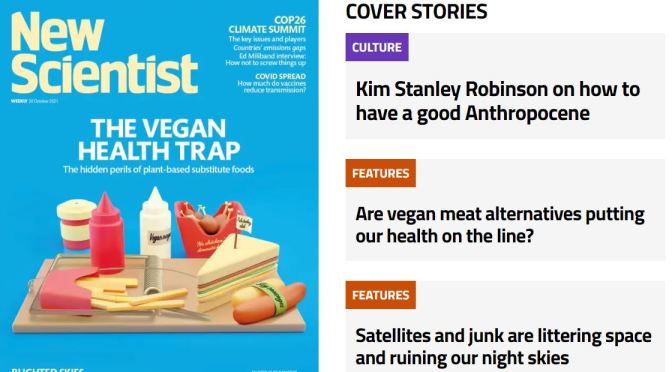
Previews: New Scientist Magazine – November 6
Climate Science: Young People Voice Concerns Onboard The COP26 Train
Last weekend, hundreds of young people boarded a specially chartered train in Amsterdam to travel to Glasgow ahead of the United Nations COP26 climate summit.
Among them were scientists, activists and policy makers. In a Nature Podcast special, we boarded the train to catch up with some of them – to talk about their science, their motivations and their message.
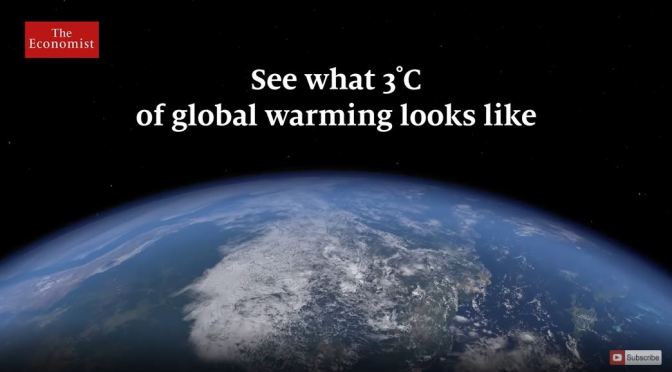
Views: What 3°C Of Global Warming Will Look Like
If global temperatures rise three degrees Celsius above pre-industrial levels, the results would be catastrophic. It’s an entirely plausible scenario, and this film shows you what it would look like.
Video timeline: 00:00 – What will a 3°C world look like? 00:57 – Climate change is already having devastating effects 02:58 – How climate modelling works 04:06 – Nowhere is safe from global warming 05:20 – The impact of prolonged droughts 08:24 – Rising sea levels, storm surges and flooding 10:27 – Extreme heat and wet-bulb temperatures 12:51 – Increased migration and conflict 14:26 – Adaptation and mitigation are crucial
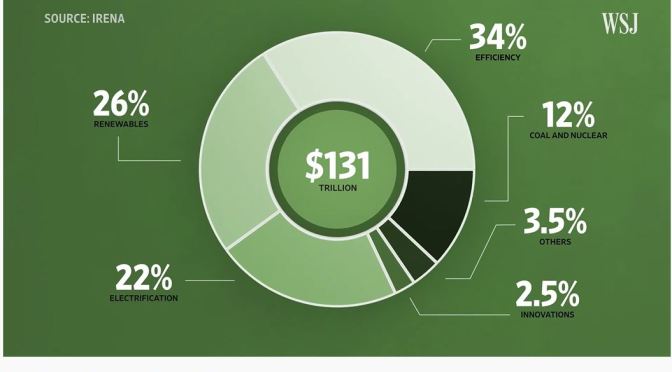
Analysis: $131 Trillion To Reduce Global Warming
Money is a sticking point in climate-change negotiations around the world. As economists warn that limiting global warming to 1.5 degrees Celsius will cost many more trillions than anticipated, WSJ looks at how the funds could be spent, and who would pay. Illustration: Preston Jessee/WSJ

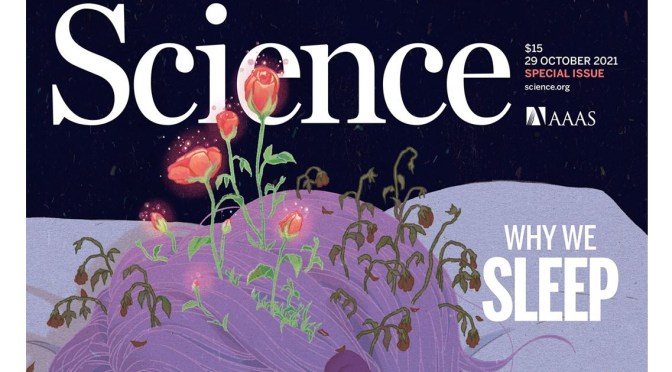
Science: Sleeping Without A Brain, Insect Invasions, Racist Search Algorithms
Simple animals like jellyfish and hydra, even roundworms, sleep. Without brains. Why do they sleep? How can we tell a jellyfish is sleeping?
Staff Writer Liz Pennisi joins host Sarah Crespi to talk about what can be learned about sleep from these simple sleepers. The feature is part of a special issue on sleep this week in Science.
Next is a look at centuries of alien invasions—or rather, invasive insects moving from place to place as humans trade across continents. Sarah talks with Matthew MacLachlan, a research economist at the U.S. Department of Agriculture’s Economic Research Service, about his Science Advances paper on why insect invasions don’t always increase when trade does.
Finally, a book on racism and the search algorithms. Books host Angela Saini for our series of interviews on race and science talks with Safiya Umoja Noble, a professor in the African American Studies and Information Studies departments at the University of California, Los Angeles, about her book: Algorithms of Oppression: How Search Engines Reinforce Racism.
 Boomers Daily