

We get the latest from Brussels as the EU ponders how to hit back at Poland, following Warsaw’s controversial court ruling. Plus: a round-up of the morning papers and the latest retail and fashion news.
Category Archives: Politics
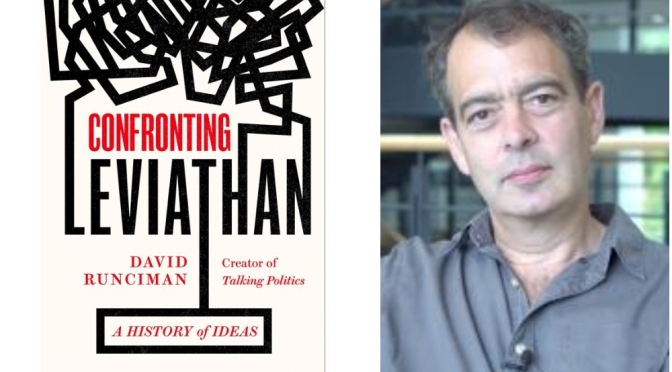
Top Podcast Interviews: ‘Confronting Leviathan’ Author David Runciman
Morning News: Crime & Crisis In Nigeria, South Korea’s Samsung, “Dune”
Criminal gangs in north-western states, jihadists in the north-east, a rebellion in the south-east: kidnappers, warlords and cattle rustlers are making the country ungovernable.
The new head of Samsung Electronics has a legacy to build—and aims to do so by breaking into the cut-throat business of processor chips. And the sci-fi classic “Dune” gets a good cinematic treatment at last.
Morning News: Taliban And Afghanistan Talks In Moscow, Life In Wales
We head to Moscow as Russia hosts talks on Afghanistan with representatives from China, Iran, Pakistan and the Taliban. Plus, we discuss what Wales could do to keep its best and brightest at home.
Morning News: Japan’s Political Debate, Climate Change Meeting, Finland
We analyse the public debate between the heads of Japan’s major political parties and look ahead to COP26 in Glasgow. Plus: the future of high-speed rail in Finland.

Previews: The New Yorker Magazine – OCT 25, 2021

Analysis: Green Era Energy Shock, From Pandemic To Endemic, Poland’s ‘Polexit’
A selection of three essential articles read aloud from the latest issue of The Economist. This week, the first big energy shock of the green era, how covid-19 will move from pandemic to endemic (11:29) and our Charlemagne columnist assesses the odds of “Polexit” versus a “dirty remain” (17:21).

Politics & Technology: China’s Surveillance State
China is building a huge digital surveillance system. The state collects massive amounts of data from willing citizens: the benefits are practical, and people who play by the rules are rewarded. Critics call it “the most ambitious Orwellian project in human history.”
China’s digital surveillance system involves massive amounts of data being gathered by the state. In the so-called “brain” of Shanghai, for example, authorities have an eye on everything. On huge screens, they can switch to any of the approximately one million cameras, to find out who’s falling asleep behind the wheel, or littering, or not following Coronavirus regulations. “We want people to feel good here, to feel that the city is very safe,” says Sheng Dandan, who helped design the “brain.” Surveys suggest that most Chinese are inclined to see benefits as opposed to risks: if algorithms can identify every citizen by their face, speech and even the way they walk, those breaking the law or behaving badly will have no chance. It’s incredibly convenient: a smartphone can be used to accomplish just about any task, and playing by the rules leads to online discounts thanks to a social rating system. That’s what makes Big Data so attractive, and not just in China. But where does the required data come from? Who owns it, and who is allowed to use it? The choice facing the Western world is whether to engage with such technology at the expense of social values, or ignore it, allowing others around the world to set the rules.

Sunday Morning: News And Stories From Zurich, Tokyo & London – OCT 17
Tyler Brûlé dissects the weekend’s biggest and most interesting news stories with panellists Benno Zogg and Eemeli Isoaho, and our friends and contributors in the UK and Japan.
Morning News: EU-China Tensions, Media Summit, Electric Lamborghinis
We discuss the tensions between the EU and China ahead of a call between Charles Michel and Xi Jinping and hear about the importance of news anchors at the Monocle 24 Media Summit. Plus, Lamborghini’s efforts to decarbonise its production.
 Boomers Daily