Western fashion brands are in Chinese consumers’ crosshairs, the victims of political wranglings over sanctions and human-rights issues—a spat that may soon consume other industries.
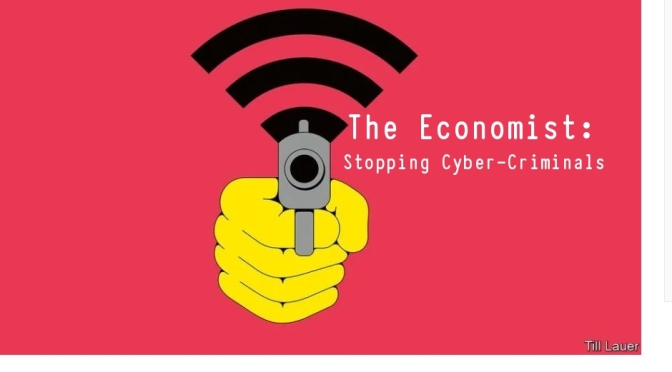
A striking number of people in the criminal-justice system have had traumatic brain injuries; our correspondent investigates how much that link has been overlooked. And why the audio app Clubhouse has stormed the Middle East.
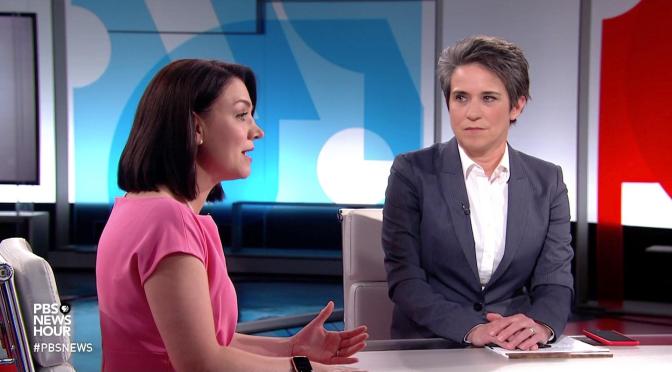
NPR’s Tamara Keith and Amy Walter of the Cook Political Report join Judy Woodruff to discuss the latest political news, including the recent mass shootings, the resulting actions towards gun control, and the latest on the government’s efforts to fight COVID-19.
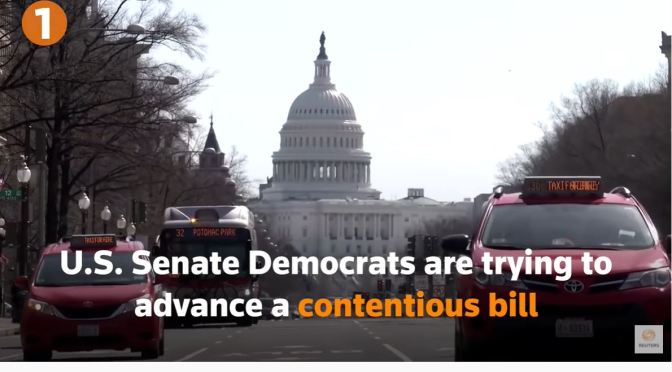
The massive cargo ship that’s been stuck in Egypt’s Suez Canal is finally moving. And, Gun control activists want the Biden administration to make the issue a priority.
A selection of three essential articles read aloud from the latest issue of The Economist. This week: science after the pandemic, Rwanda: paragon or prison? (9:10) And Herbie goes electric (33:55)
Georgina Godwin sets the tone for the weekend with our editor in chief Andrew Tuck’s weekend column, fresh newspapers and a look at what we learned this week.
New York Times columnist David Brooks and Washington Post columnist Jonathan Capehart join Judy Woodruff to discuss the week in politics, including efforts to restrict voting, gun violence legislation and Biden’s first presidential news conference.
Texas had a rough winter in 2021. In mid-February, with temperatures dropping to the single digits, demand for electricity hit a record high throughout Texas. Supply ran short, causing the state’s electric grid operator to implement rolling power outages.
At the height of the crisis, more than 4.5 million customers lost power. The freak winter storm caused neighboring states such as Louisiana, Oklahoma, Arkansas and Kansas to also impose rolling blackouts. Texas residents shivered in the cold, as outages lasted for days at a time. They lost access to water. Some resorted to turning on their cars in their garages to keep warm then died due to carbon monoxide poisoning.
The historic breakdown was a wake-up call — if the power grid in Texas was so fragile, what about the rest of the United States? The U.S. has faced a 67% increase in weather-related power outages since 2000, according to data from Climate Central. Part of the problem is an aging infrastructure. Most of today’s power grid was built in the 1950s and ’60s, with the hopes that it would last for 50 years.