
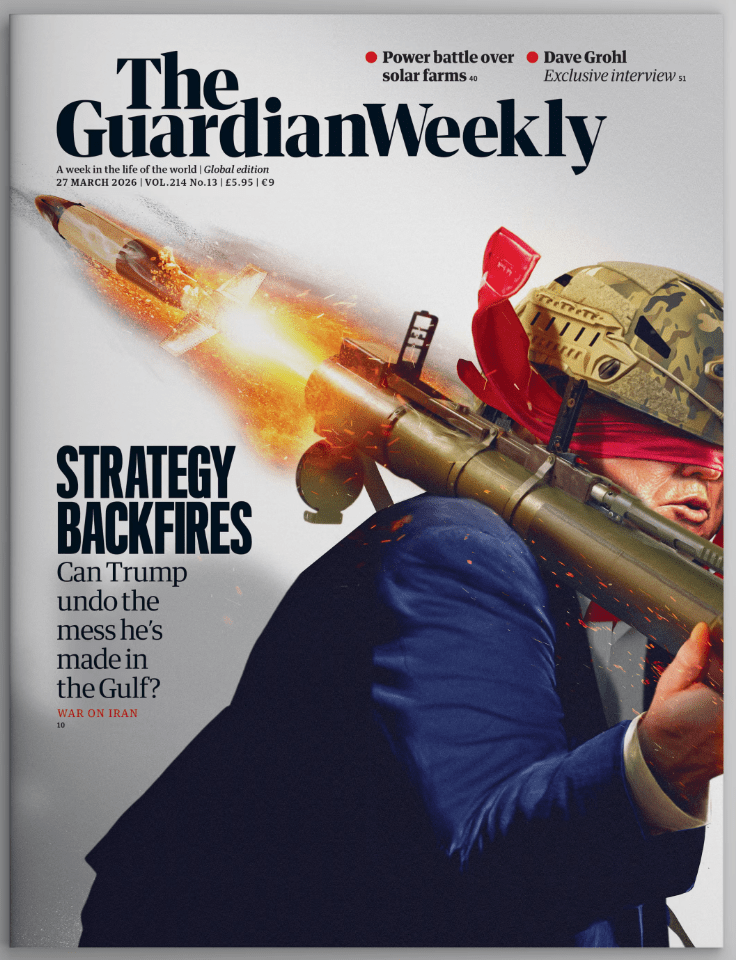
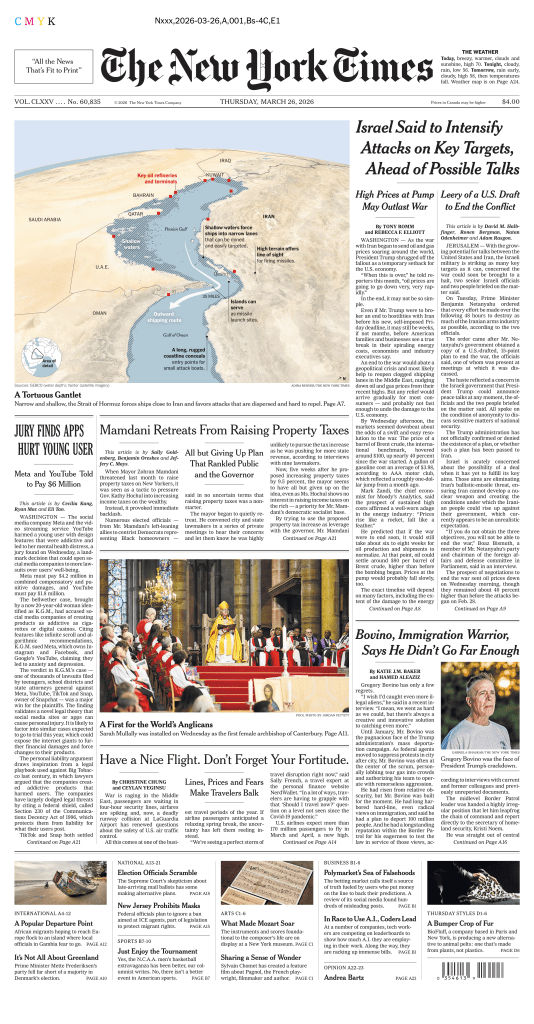
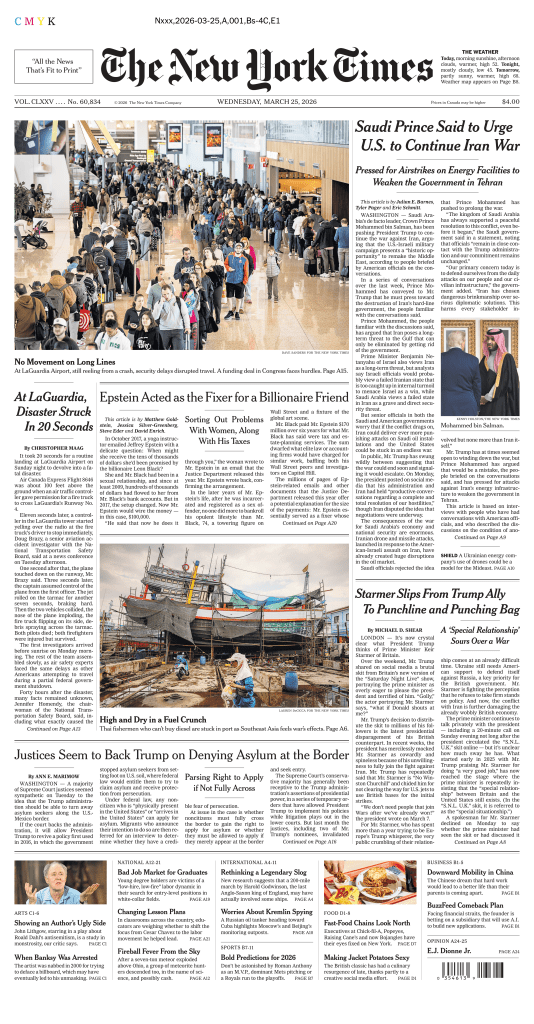
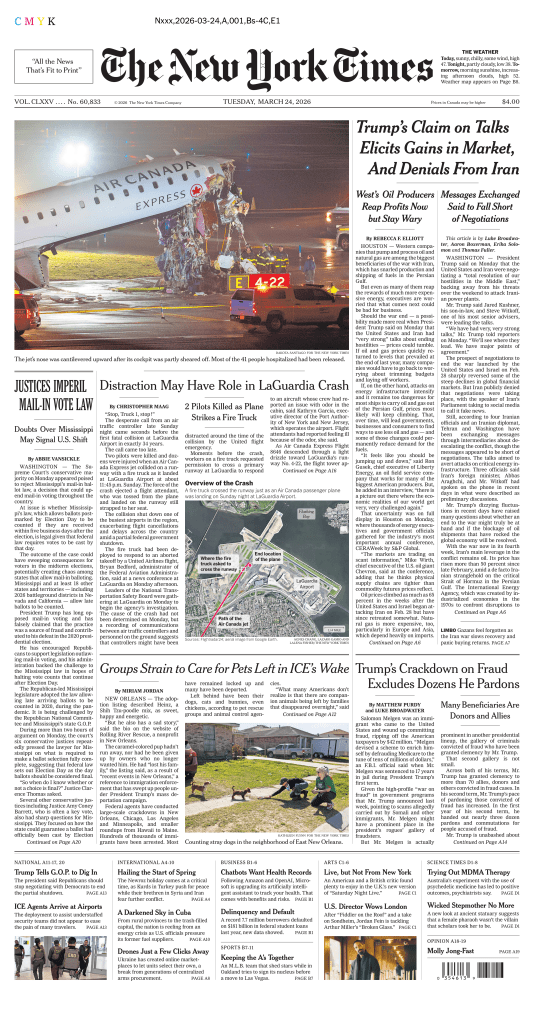
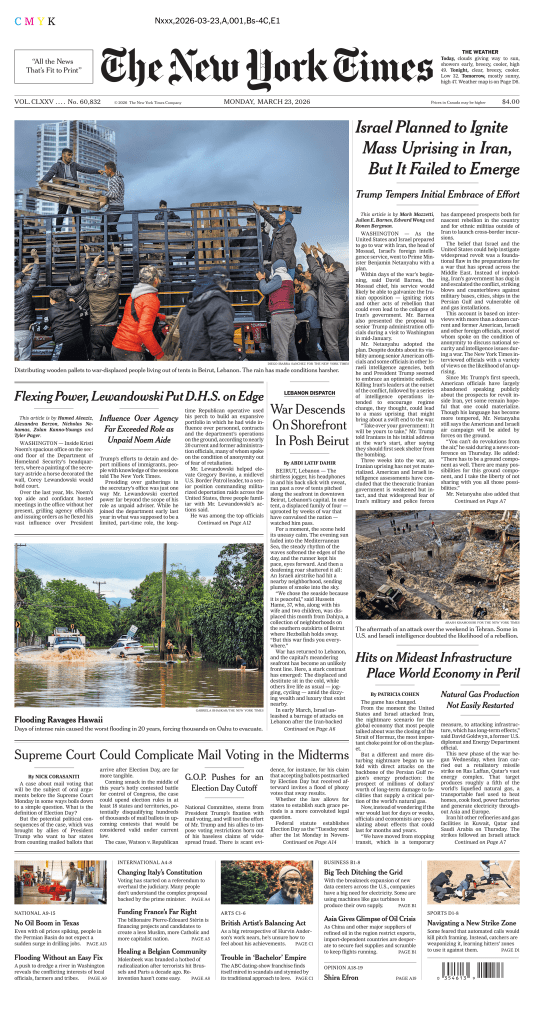
Brinkmanship, the ability to take countries to the edge of conflict, was a staple of cold war diplomacy. The remnants of that finely balanced standoff, bound by a rules-based order and spheres of influence, has given way to a world in freefall; to an ever-widening war in the Gulf where the aims are as unclear as the endpoint.
It is approaching a month since the US and Israel launched their attacks on Iran, arguing they were acting to remove the country’s nuclear threat, destroy its ballistic missile capability and free the populace of a tyrannical theocratic regime. Yet it seems it is these civilians and neighbouring Gulf countries who are bearing the brunt of the campaign while the Iranian regime’s willingness to escalate the war seems undimmed.
Spotlight | The ‘anyone but’ election
Pippa Crerar looks ahead to local elections in the UK, where voters seem more concerned with who they want to keep out of political office than who they vote in
Science | Not-so silent nights
Can a “vacuum cleaner turned the other way” become a popular solution to snoring disorders? Natasha May explores the rise of Cpap machines
Feature | Gamifying government
Steeped in gaming and rightwing culture, Elon Musk’s Doge team set out to defeat the enemy of the United States: its people, write Ben Tarnoff and Quinn Slobodian
Opinion | Collateral damage
Attacks on synagogues and Jewish shops in the UK, Europe and the US don’t hurt Benjamin Netanyahu, says Jonathan Freedland, they just hurt ordinary Jews
Culture | Rock return
“Validation was an insatiable monster”: Dave Grohl talks to Ben Beaumont-Thomas about Foo Fighters, life after his infidelity and grief for bandmate Taylor Hawkins






 Boomers Daily