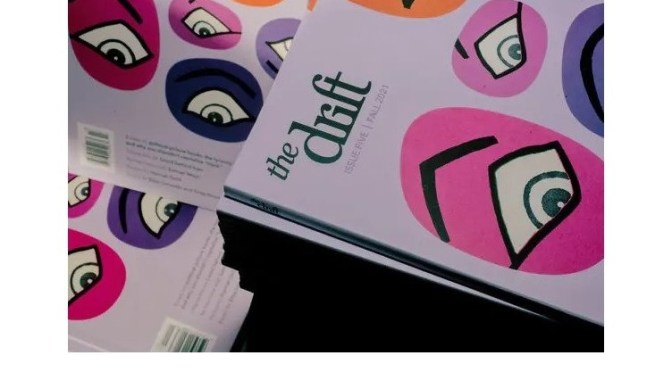

DRIFT MAGAZINE – SUMMER 2025 LITERARY PREVIEW


We’re starting to give AI agents real autonomy, and we’re not prepared for what could happen next.
In Nebraska, a publicly owned utility deftly tackles the challenges of delivering on reliability, affordability, and sustainability.
Can the vast and sparsely populated African country translate its renewable power potential into national development?

TIMES LITERARY SUPPLEMENT (June 25, 2025): In this week’s TLS , If all Russian writers are supposed to have come out of Gogol’s Overcoat, then “all American literature”, according to Ernest Hemingway, “comes from one book by Mark Twain called Huckleberry Finn”. James Marcus reviews Ron Chernow’s 1,200-page biography of Twain – the Great American Novel seems fated to be twinned with the Great American Door-Stopper.
How Stalin shaped the Soviet collective memory By Bryan Karetnyk
Mark Twain and the making of an American literary revolution By James Marcus
Jimmy Carter’s abrasive foreign policy adviser and rival to Henry Kissinger By Edward N. Luttwak

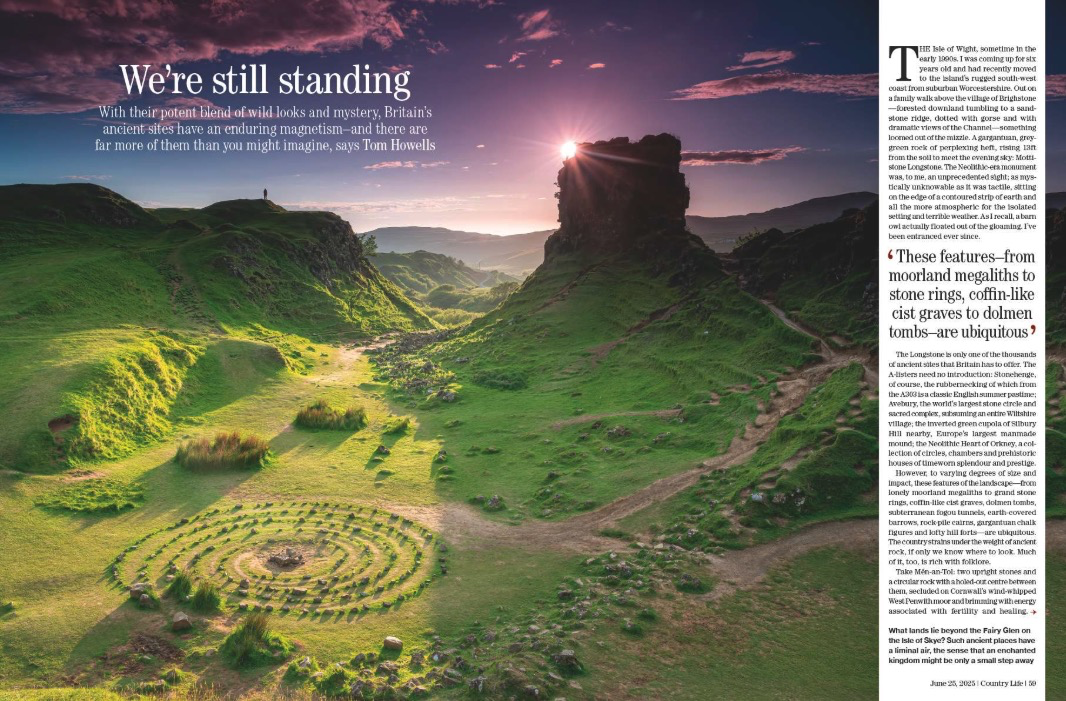
COUNTRY LIFE MAGAZINE: The latest issue features ‘Hearts of Stone’ – Why we love our ancient sites…
We’re still standing
Tom Howells explores the mystery and magnetism of the thousands of ancient British monoliths and monuments, from Cornwall to the Orkneys
Going down in a blazer of glory
It is a favourite of royalty and rowers, worn from Augusta to the Oscars — can there be a more versatile jacket than the blazer, asks Harry Pearson
Country Life International
• Russell Higham uncovers the secret society of Cascais
• Holly Kirkwood finds the age of chivalry alive and well in Valletta
• Matthew Dennison searches for traces of the Venetian Empire in Greece
• Tom Parker Bowles savours superb Spanish dishes
• Eileen Reid tracks the influence of two intellectual giants of Avignon
Winging it
Mark Cocker welcomes the renaissance of the peregrine falcon, a raptor that stoops to conquer at up to 240mph
New series: Scale model
Overfishing threatens the very existence of the cod, but Gadus morhua remains a monster of the deep for David Profumo
Dick Bird’s favourite painting
The stage designer chooses a monumental example of early-19th-century political art
The virtues of history
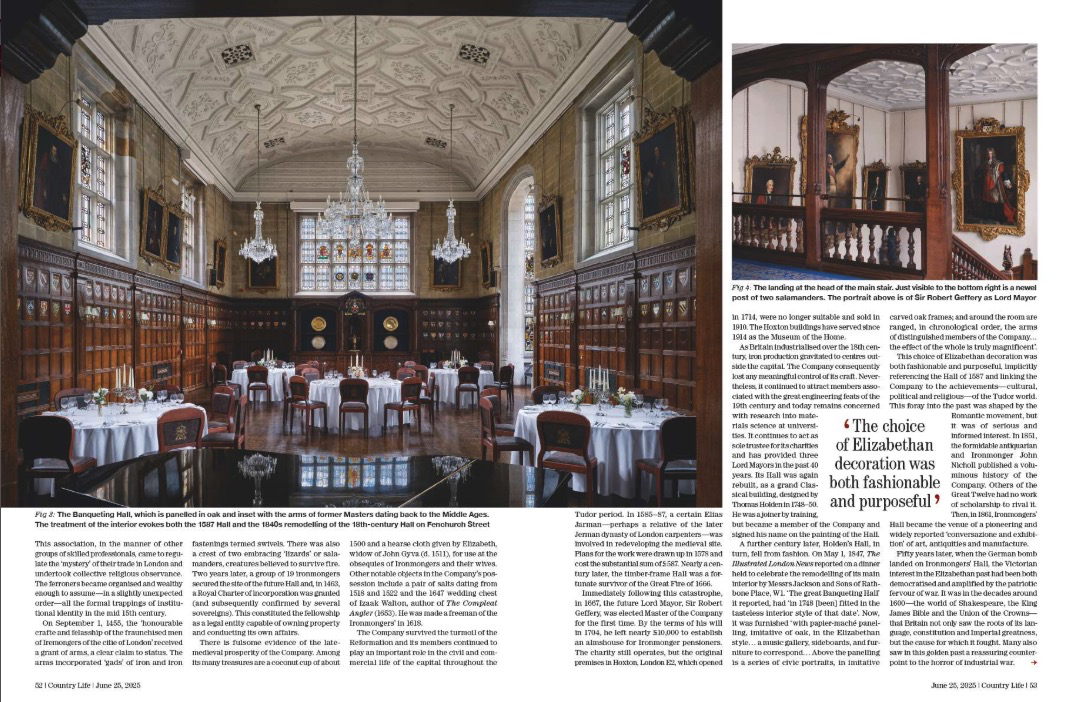
John Goodall celebrates 100 years of the headquarters of the Worshipful Company of Ironmongers, one of London’s Great Twelve City Livery Companies
The legacy
Leslie Hore-Belisha created a beacon of hope for road users everywhere, finds Kate Green
Luxury
Anniversary jewels and Art Deco delights with Hetty Lintell, plus Willow Crossley’s favourite things
Interiors
Arabella Youens admires the kitchen of a house in the Scottish Borders and considers the earthly pleasures of terracotta
Laying ghosts to rest
A spectacular garden now graces the grounds of the old Somerset-shire Coal Canal Company HQ, as Caroline Donald discovers

Water, water everywhere
John Lewis-Stempel delves into the depths of a field pond, mesmerised by the seemingly endless variety of aquatic life
Arts & antiques
A quartet of journeys with The King raised the profile of plein-air artist Warwick Fuller, who talks Royal Tours with Carla Passino
Making an impression
French Impressionism was a slow burner in Britain as Monet and Pissarro gradually influenced our art scene, reveals Caroline Bugler
And much more

FOREIGN AFFAIRS MAGAZINE (June 24, 2025): The latest issue features ‘Who Needs Allies?’….
America in a Post-American World by Kori Schake
The Downsides and Dangers of Allied Independence by Celeste A. Wallander
America Needs a New Asian Alliance to Counter China by Ely Ratner
How New Delhi’s Grand Strategy Thwarts Its Grand Ambitions by Ashley J. Tellis

THE NEW YORKER MAGAZINE (June 23, 2025): The latest issue cover features ‘Christoph Niemann’s “The Bridge”’ – Crossing over the water. By Françoise Mouly Art by Christoph Niemann
It’s not easy to trust the President to make an optimal decision. For one thing, he is suspicious of nearly every source of information save his own instincts. By David Remnick
Joe Gebbia, a RISD grad and an Airbnb billionaire, may soon lead the federal cost-cutting effort known as DOGE. Could there be clues to his methods in his art-school days? By Charles Bethea
The Administration is strong-arming European nations to do more on behalf of their own defense. Is the strategy working? By Joshua Yaffa

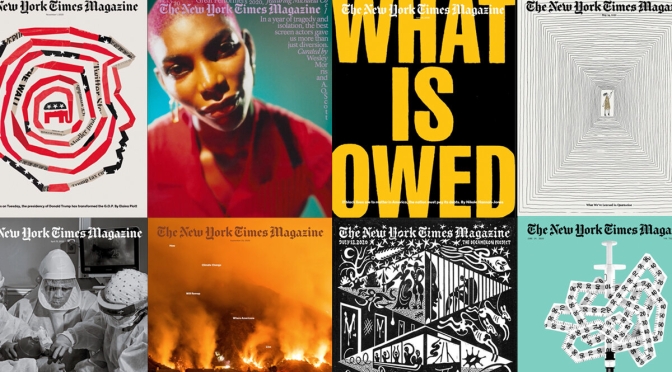
THE NEW YORK TIMES MAGAZINE: The 6.22.25 Issue features Kevin Roose and Casey Newton on everyone using A.I.; Susan Dominus on creating A.I. avatars of loved ones; Bill Wasik on how A.I. will change the way history is written; Robert Capps on the jobs for humans A.I. will create; Charley Locke on the patterns A.I. can see in human behavior; Kim Tingley on therapy chatbots; and more.
The inside story of the case that could set the movement back a generation.
A Times examination shows how a landmark case about gender-affirming care for minors was built on flawed politics and uncertain science.
By Nicholas Confessore
A number of companies are building A.I. apps for patients to talk to when human therapists aren’t available.
By Kim Tingley
Some of the technology’s most startling new abilities lie in its perception of humans.
By Charley Locke

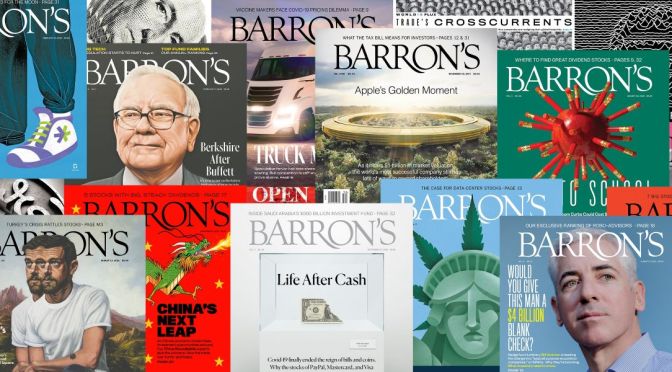
Our annual list features 26 leaders whose deft guidance has put their companies in a stronger competitive position.
Chase’s Sapphire Reserve is charging $795, topping the American Express Platinum card. We look at the slew of rewards premium credit cards offer.
A conversation with Ulrike Hoffmann-Burchardi of UBS Global Wealth Management. Where she sees the next “transformational innovations.”
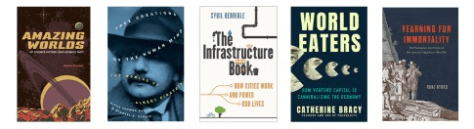
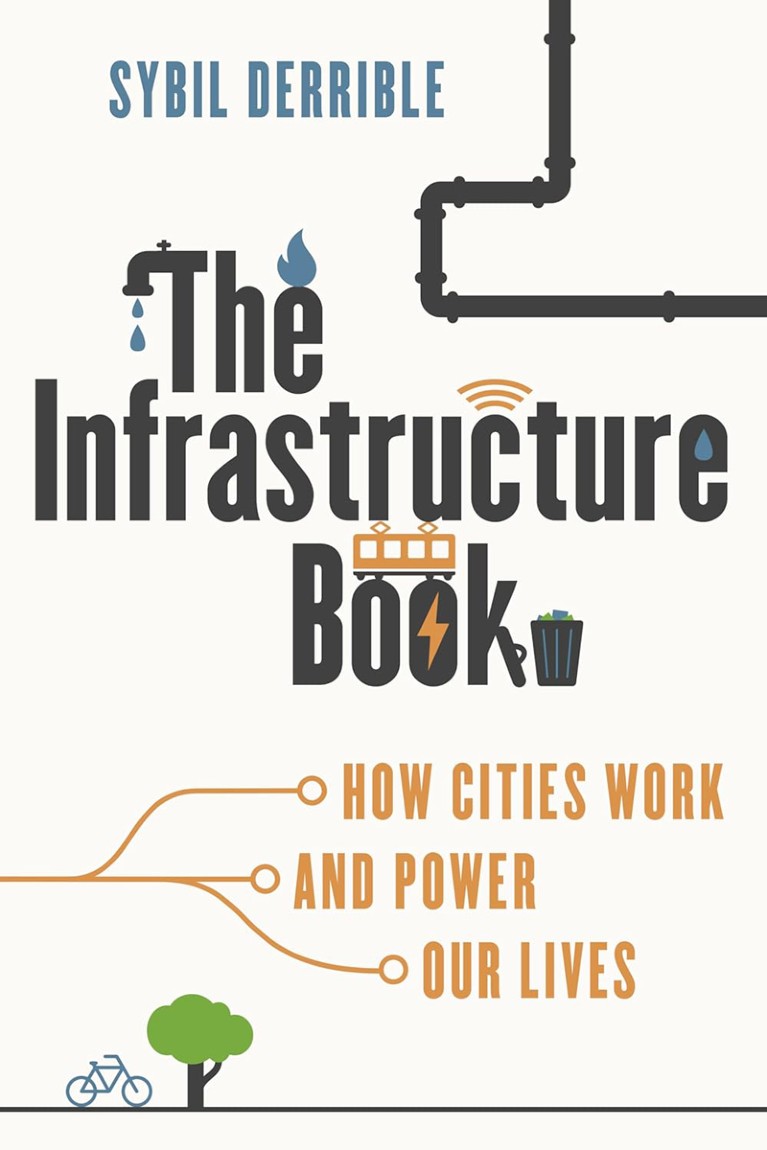
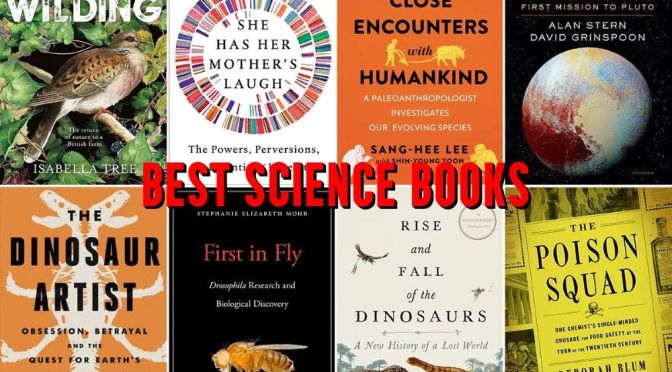
The Infrastructure Book
Sybil Derrible Prometheus (2025)
In 1995, a massive heatwave in Chicago, Illinois, took at least 739 lives. The city authorities assumed that a lack of air conditioning was responsible for most deaths, but an investigation attributed them mainly to social isolation. As Chicago-based engineer Sybil Derrible notes in his penetrating analysis of urban infrastructure: “Technology comes and goes, but infrastructure stays because infrastructure is all about people.” Surveying 16 large cities globally, he investigates water, transport, energy and telecommunications networks.
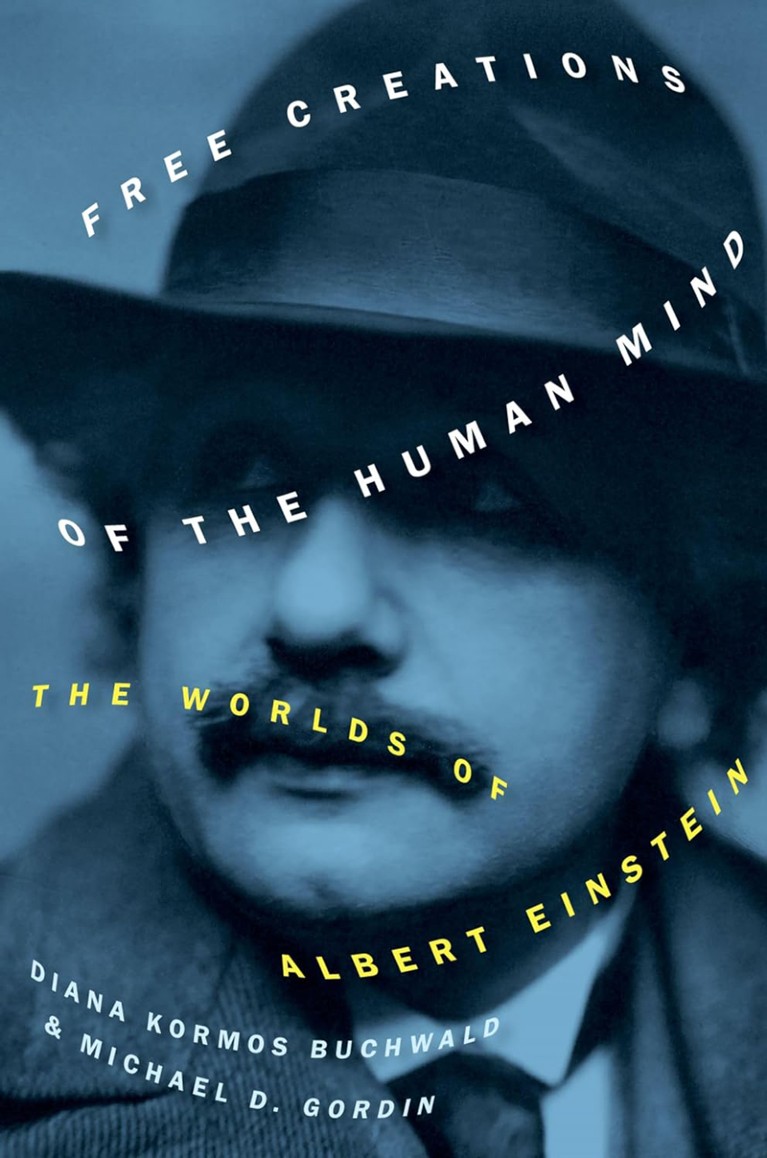
Free Creations of the Human Mind
Diana Kormos Buchwald & Michael D. Gordin Oxford Univ. Press (2025)
Of the physics Nobel prizes awarded since 2000, “no fewer than seven … stem directly from Einstein’s work in 1905 and 1915”, point out historians of science Diana Buchwald and Michael Gordin. Their brief, appealing book discusses the general theory of relativity and quantum theory, but is preoccupied mainly with Albert Einstein’s life, personality and philosophy, especially his complex relationship with war — including the design of the atomic bomb — and pacifism.
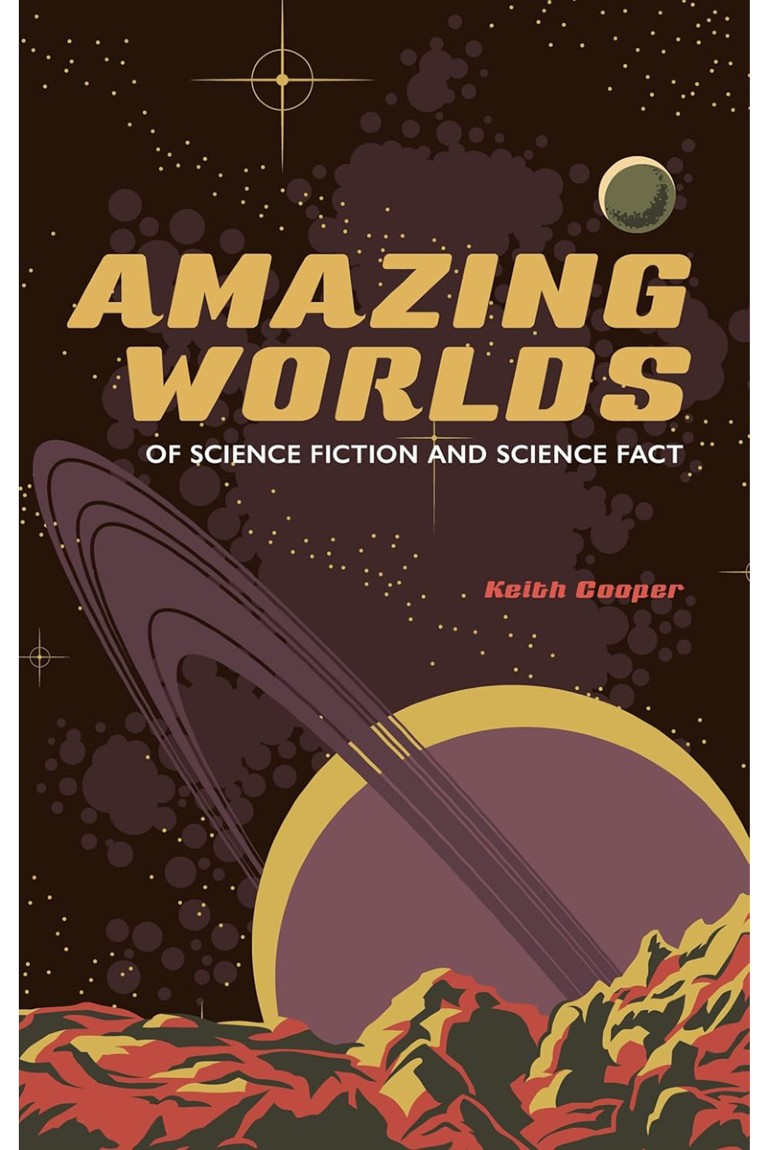
Amazing Worlds of Science Fiction and Science Fact
Keith Cooper Reaktion (2025)
Astronomers observed the first confirmed exoplanet in 1992. Some 5,900 are now known, in about 4,500 planetary systems, with around 1,000 containing several planets, according to NASA. No life has been detected yet, showing just “how rare our planet Earth still is” and how “the imagination imbued within science fiction can only carry us so far”, notes science journalist Keith Cooper. His engaging book, based on interviews with writers and researchers, examines what science fiction has got right and wrong, and what science can learn from it.
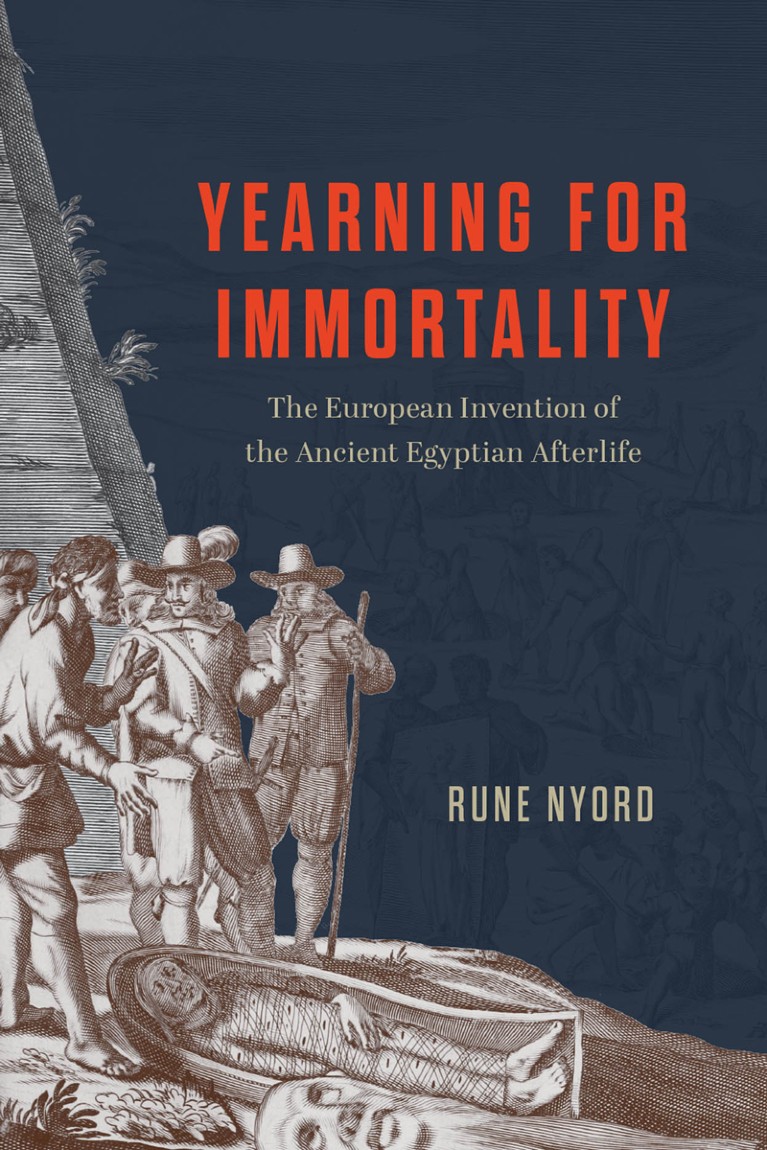
Yearning for Immortality
Rune Nyord Univ. Chicago Press (2025)

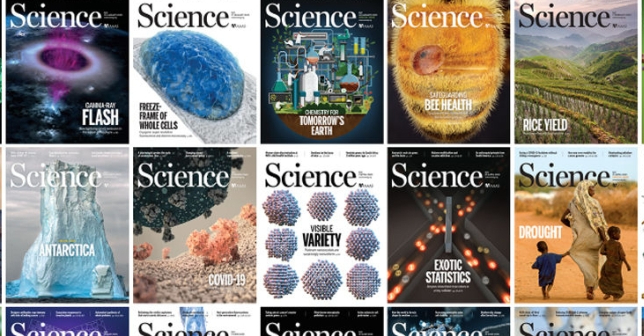
SCIENCE MAGAZINE (June 19, 2025): The latest issue features “Plants & Heat”…
Wild plant species harbor a vast but largely unknown diversity of temperature stress solutions
Rising temperatures change the structure and function of plant microbial communities


 Boomers Daily