Almost 2 billion doses of Covid-19 vaccine have been administered worldwide to date. But is it enough to wipe out Sars-CoV-2? Of course, those shots are not evenly spread across all continents. In terms of sheer numbers,
North America and Europe managed about 370 million shots each. South America with Covid-stricken countries like Brazil has a lot of catching up to do. Africa and its more than 1.3 billion people only received 34 million doses so far while Asia is storming ahead with more than 1 billion shots. But that doesn’t mean Asia is fully vaccinated. Far from it.
There are huge gaps, like in Vietnam, a country that has long been praised for its response to the pandemic. Now it is faced with new outbreaks and a new variant.
For many people, depression turns out to be one of the most disabling illnesses that we have in society. Despite the treatments that we have available, many people are not responding that well. It’s a disorder that can be very disabling in society. It’s also a disorder that has medical consequences. By understand the neurobiology of depression we hope to be able more to find the right treatment for the patient suffering from this disease. The current standard of care for the treatment of depression is based on what we call the monoamine deficiency hypothesis. Essentially, presuming that one of three neurotransmitters in the brain is deficient or underactive. But the reality is, there are more than 100 neurotransmitters in the brain. And billions of connections between neurons. So we know that that’s a limited hypothesis. Neurotransmitters can be thought of as the chemical messengers within the brain, it’s what helps one cell in the brain communicate with another, to pass that message along from one brain region to another. For decades, we thought that the primary pathology, the primary cause of depression was some abnormality in these neurotransmitters, specifically serotonin or norepinephrine. However, norepinephrine and serotonin did not seem to be able to account for this cause, or to cause the symptoms of depression in people who had major depression. Instead, the chemical messengers between the nerve cells in the higher centers of the brain, which include glutamate and GABA, were possibilities as alternative causes for the symptoms of depression. When you’re exposed to severe and chronic stress like people experience when they have depression, you lose some of the connections between the nerve cells. The communication in these circuits becomes inefficient and noisy, we think that the loss of these synaptic connections contributes to the biology of depression. There are clear differences between a healthy brain and a depressed brain. And the exciting thing is, when you treat that depression effectively, the brain goes back to looking like a healthy brain, both at the cellular level and at a global scale. It’s critical to understand the neurobiology of depression and how the brain plays a role in that for two main reasons. One, it helps us understand how the disease develops and progresses, and we can start to target treatments based on that. We are in a new era of psychiatry. This is a paradigm shift, away from a model of monoaminergic deficiency to a fuller understanding of the brain as a complex neurochemical organ. All of the research is driven by the imperative to alleviate human suffering. Depression is one of the most substantial contributors to human suffering. The opportunity to make even a tiny dent in that is an incredible opportunity.SHOW LESS
The CDC says fully vaccinated Americans can resume many normal activities but should people have to prove they have gotten those shots? Brook Silva-Braga reports on the pros and cons of so-called “vaccine passports” and the medical and legal issues raised.
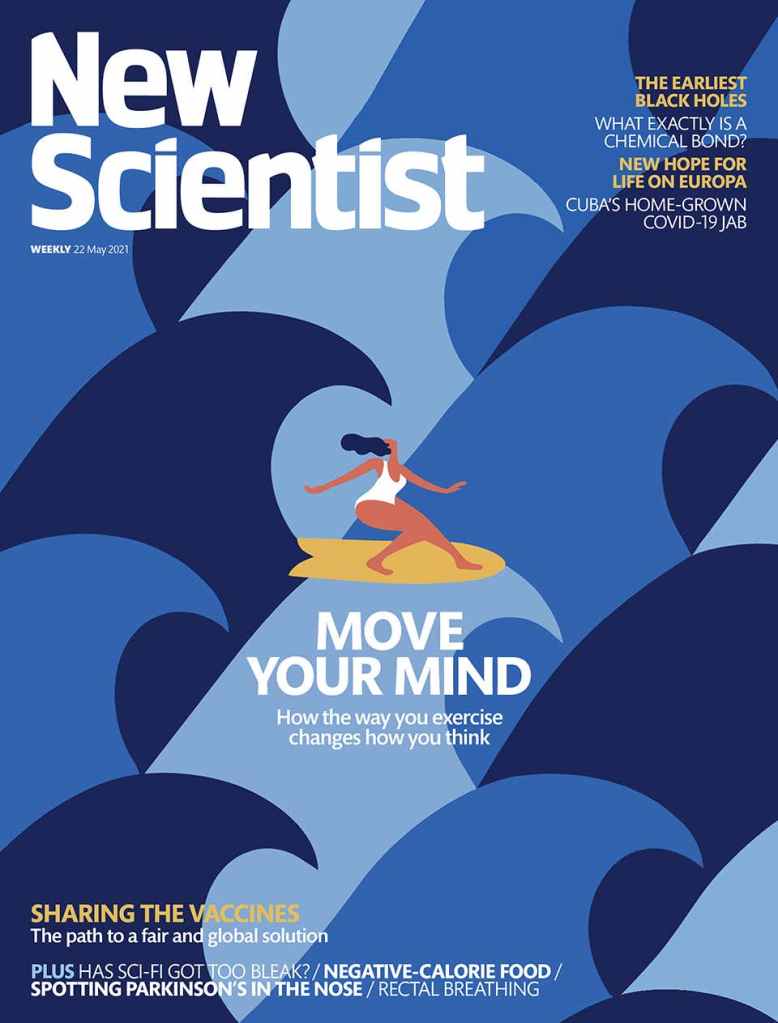
But the connection between movement and the brain goes deeper than you might think. A revolutionary new understanding of the mind-body connection is revealing how our thoughts and emotions don’t just happen inside our heads, and that the way we move has a profound influence on how our minds operate. This opens up the possibility of using our bodies as tools to change the way we think and feel.
Evidence is starting to stack up that this is indeed the case, and it isn’t all about doing more exercise. In my new book, Move! The new science of body over mind, I explore emerging research in evolutionary biology, physiology, neuroscience and cell biology to find out which body movements affect the mind and why.
Whatever it is that you want from your mind – more creativity, improved resilience or higher self-esteem – the evidence shows that there is a way of moving the body that can help. Here is my pick of the best ways to use your body to achieve a healthier, better-functioning mind.
India’s Covid-19 crisis has resulted in record numbers of cases and deaths. WSJ breaks down the chain of events that led to the fastest-growing wave of infection since the pandemic started, and what it means for the world. Photo: Samuel Rajkumar/Reuters
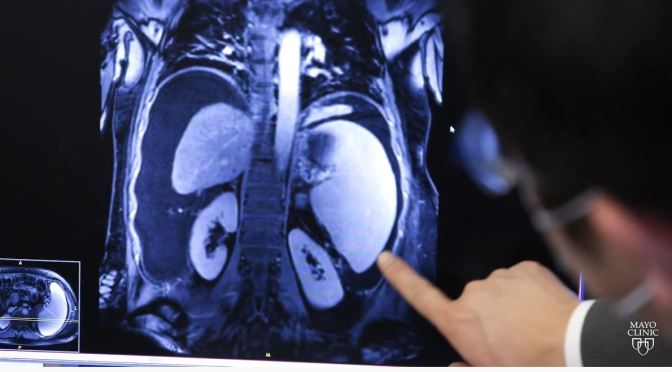
Colorectal cancer is a leading cancer among men and women around the world. Many colorectal cancers are likely to spread to other organs, with the most common site of metastases being the liver. In this Mayo Clinic Minute, Dr. Sean Cleary, a hepatobiliary and pancreas surgeon at Mayo Clinic explains what this means to patients.
The Schleiregion including Eckernförde is one of four areas that have been selected for a test project. The project is meant to find out if tourism is possible during a pandemic. DW host Nicole Frölich was in the region.














 Boomers Daily