

From a Food & Wine online review:
Currently available in what is being called a “charter period,” SommTV is billed as “a new video streaming service that loves food and wine as much as you do.” The platform promises to offer entirely new shows, films, footage, and educational masterclasses, as well as the archives of the Somm movies (including things like trailers) and additional licensed content. Access is currently priced at $9.99 per month or $74.99 per year, though that may change once the service has its full launch which is apparently slated for this coming March. Content can be streamed worldwide on the usual suspects of devices: Apple, Android, Amazon, etc.
To read more: https://www.foodandwine.com/wine/sommtv-streaming-wine-app?did=447253-20191022&utm_campaign=faw-wine-list_newsletter&utm_source=foodandwine.com&utm_medium=email&utm_content=102219&cid=447253&mid=25705137797
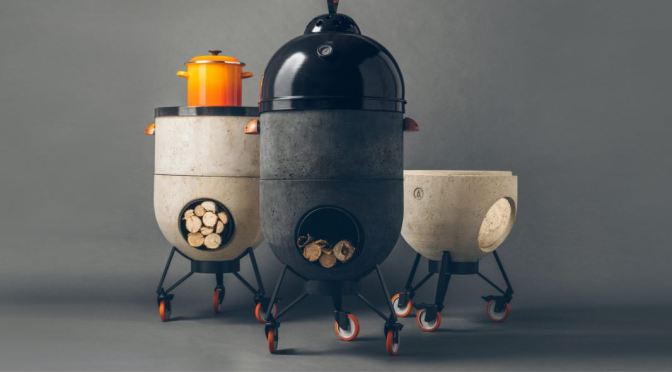
 The creators of Noori based the product on the traditional rocket stove design, which burns small-diameter wood fuel in a combustion chamber linked to an insulated vertical chimney.
 “The most important thing that we do is we never shake the martini. James Bond had it all wrong,” says Scuto. Shaking it incorporates too much ice, making for a watery drink, and, if it’s a gin martini, it potentially bruises the delicate aromatics. Instead, the drink is stirred roughly 12 times—bartenders use careful discretion—with ice, which is made with filtered water and a top-of-the-line Japanese Hoshizaki ice machine. The liquor is then carefully strained into a glass. It’s “all in the hand of the masters,” says Scuto.




 Chef de cuisine Julio-Cesar Florez, a native of Lima, served as chef de cuisine of the now-defunct Peruvian-themed Isla and has been the sous chef at Lucky Robot since mid-2017, where he began adding subtle Peruvian touches to Huang’s playful Japanese cuisine. Seeing the success of these special menu items, the two decided to take the 6-year old restaurant in this new direction.
 Many self-styled “wine educators” online claim to be certified sommeliers, but that doesn’t mean they have worked in a restaurant. Others are winemakers, adjunct professors or simply oenophiles with a pedagogical bent. Whether via video or podcast, the education they offer tends to fall into two categories: basic (grape names, how to hold a glass) or wonky (the role of tannins, grapevine blights).
 This year, the Foundation is pleased to once again partner with the Mushroom Council to host the Blended Burger Project*, which encourages chefs to create a healthier, more sustainable, and tastier burger that can be enjoyed by consumers across the country, while also educating diners about the many benefits of The Blend and the future of food.
  To read more:
 The city’s great unifier and appeal is its cuisine, especially the street-food: corner quesadillas, fast food tents outside of subway stops, stews served over hand-made tortillas, deep fried chicken tacos, tacos topped with rice served from street stands or a make-shift diner in the back of a van. In Mexico City, one can find great food everywhere at any price-point and at any time of day.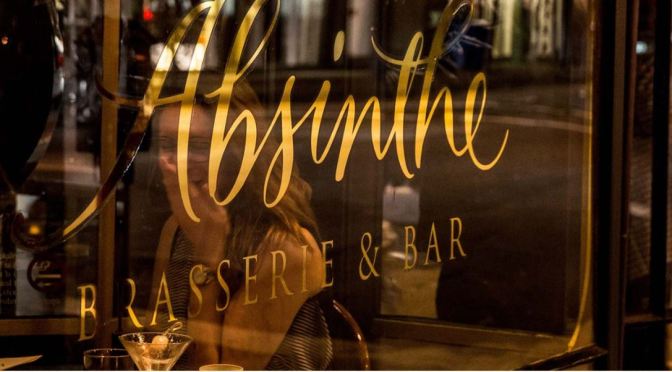
 What makes this brasserie so popular? “A culture of hospitality comes from the top down,” explains Absinthe General Manager Brian Gavin. “Bill (our owner) is very gracious and the tone he sets makes everyone feel welcome.”
 Boomers Daily