
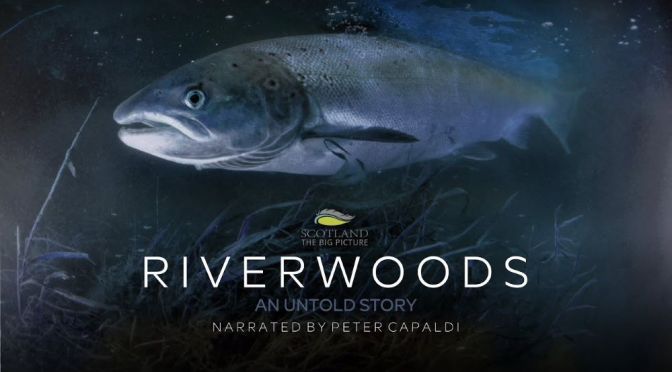
Throughout Scotland, the fractured connections between salmon and the landscapes through which their rivers flow, are gradually being repaired through the foresight and positive actions of many different people. This spring, the Riverwoods documentary will embark on a 12-venue screening tour across Scotland, bringing this untold story to life.
Category Archives: Conservation
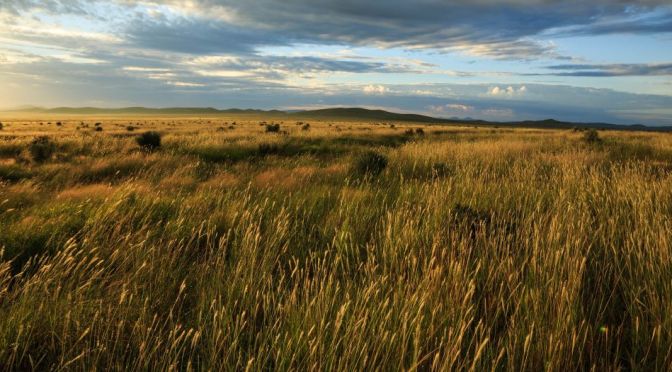
Nature Views: Grasslands Of The West Texas Prairie
Amber waves of native grass whisper in a gentle breeze. This is a list of all the conservation land held by the Native Prairies Association of Texas. Current holdings, those owned by NPAT, and our conservation easements include 5,082 acres: read list
Jim Willis wanted more quail on his land, but he learned that restoring native grasses was key to wildlife populations, water, and soil health. Today the Grassland Restoration Incentive Program helps landowners improve grassland habitat. Learn more about Texan by Nature’s Conservation Wrangler program: https://texanbynature.org/programs/co…
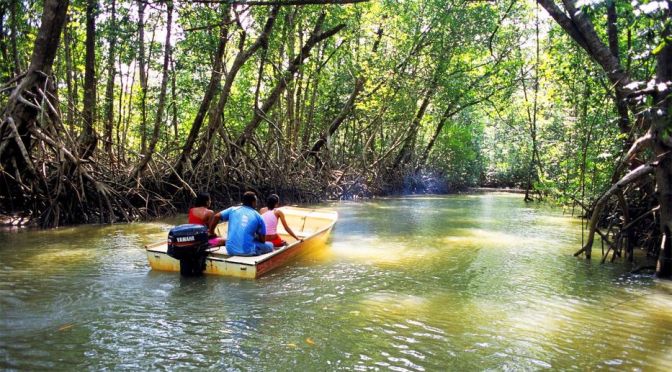
Preservation: Mangroves National Park In Congo
This Wednesday is International Wetlands Day. Worldwide, wetlands cover 12.1 million km². But more than 30 percent have been lost over the past 50 years, despite them playing a crucial role in mitigating the impact of climate change. One example is the Mangroves National Park in the Democratic Republic of Congo. It’s the only marine park in the country and it’s home to a wide variety of plants and rare animals, including sea turtles. But the park is increasingly threatened by poaching and illegal logging. The construction of a deep water port in the vicinity has also sparked controversy. Our correspondents report.
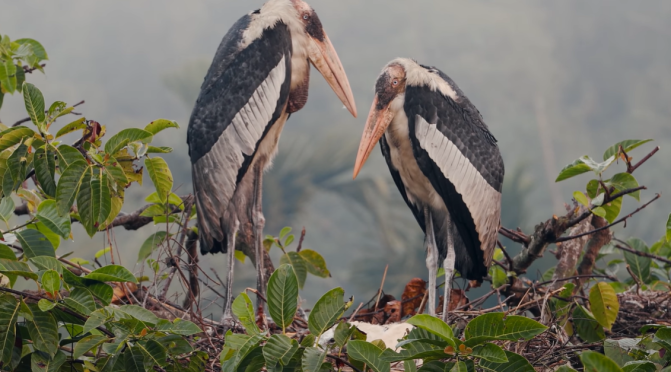
Conservation: Saving The Hargila Stork In India
A wildlife photographer travels to India intent on documenting the rarest stork on earth but soon discovers a conservation hero and her inspiring efforts to rally a community to save it.
The Greater Adjutant is a large scavenging stork that was once widely distributed across India and Southeast Asia but is now confined to a last stronghold in Assam, India, with small populations persisting in Cambodia’s northern plains region. The species is classified as Endangered by the IUCN with a rapidly declining population of around 1,200 individuals. The key threats to the species are direct human persecution, particularly at nesting colonies, habitat destruction, including felling of nest-trees, and drainage, conversion, pollution and degradation of wetlands. Historically, adjutants bred during the dry season, taking advantage of abundant prey steadily trapped by receding water levels, and scavenging the remains of now extirpated megafauna. Today, the last adjutants survive alongside humans, congregating at garbage dumps and nesting colonially in rural villages. The majority world’s remain population lives around the city of Guwahati and relies on a single garbage dump for food and nearby villages for nesting. As the adjutant’s nesting colonies occur outside of state protected areas in Assam, community conservation initiatives are the only hope for saving the bird from extinction. Through the efforts of a remarkable conservation leader, Dr. Purnima Devi Barman, and the movement she has inspired, the birds are now protected, celebrated, and increasing their numbers locally. Despite this success and the momentum to conserve the species, the Greater Adjutant’s existence remains precarious.
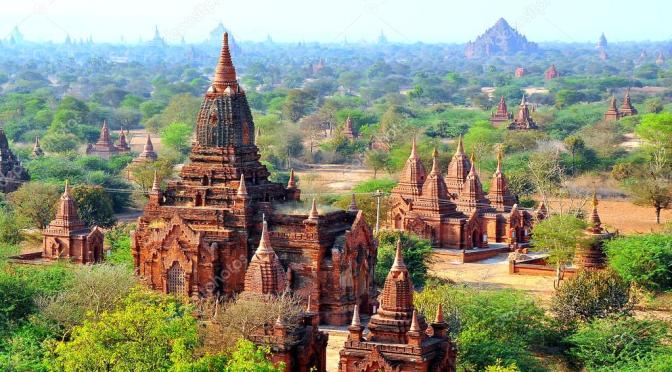
Podcasts: Conserving Ancient Bagan, Myanmar
“Bagan is actually a splendid site. You can imagine in only in this, like, fifty square kilometers, they have more than 3,000 monuments. And then all the monuments have different styles and different architecture”.
The ancient past of Bagan, Myanmar, is still visible today in the more than 3,000 temples, monasteries, and works of art and architecture that remain at the site. Beginning around 1000 CE, Bagan served as the capital city of the Pagan Kingdom. Many of the surviving monuments date from the 11th to 13th centuries. A number of these temples are still used by worshippers and pilgrims today. A 2016 earthquake, which damaged over 400 structures, brought renewed international attention to Bagan and its future.
In February 2020, a team from the Getty Conservation Institute (GCI) returned from doing intensive preparatory work with international and local colleagues in Bagan to launch a long-term conservation project there. Soon after, the worldwide outbreak of COVID-19 closed borders and halted travel. In February 2021, a coup d’état staged by the Burmese Military plunged the country into further uncertainty.
In this episode, Susan Macdonald, head of Buildings and Sites at the GCI, and Ohnmar Myo, the GCI’s consultant in Myanmar, discuss the history of Bagan, the demands and challenges of conservation there, and their hopes for the future of the site. Myo is a former project officer of the Cultural Unit, UNESCO, and was a principal preparator of the report that confirmed Bagan’s World Heritage Site status in 2019. This conversation was recorded in January 2021, under very different circumstances, but it captures the curiosity, ambitions, optimism, and collaborative spirit that guided the project at that time.

Buildings: Repurposing Heritage Sites In France
Every year in France, thousands of heritage sites are put up for sale and get a second life thanks to slightly eccentric owners. We meet some of the people who have decided to make these monuments their home, from an abandoned lighthouse to a deconsecrated chapel.

Nature: Belize Converts Debt To Protect 30% Of Its Coral Atolls, Barrier Reef
The Belize Barrier Reef System features three of four coral atolls in the Atlantic, lush mangrove forests, numerous offshore islands, and one of the most extensive seagrass areas in the Caribbean. It hosts 77 species listed as threatened by the IUCN, including a sizeable population of West Indian Manatees.
Now, Belize has reaffirmed its environmental leadership by becoming the first country in the Americas to finalize a debt conversion for ocean conservation—and one that represents an impact investment for marine protection that’s unprecedented in scale. This commitment will enable Belize to restructure approximately US$550 million of external commercial debt—an amount that represents 30 percent of the country’s GDP—and reduce the national debt by 12 percent.
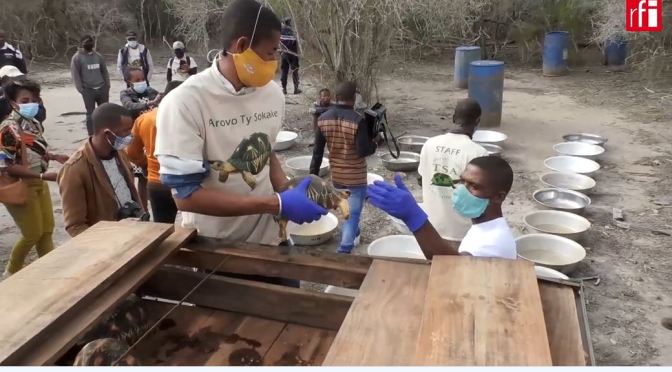
Views: Saving Radiated Tortoises In Madagascar
Madagascar conservationists • RFI English.
The radiated tortoise is a tortoise species in the family Testudinidae. Although this species is native to and most abundant in southern Madagascar, it can also be found in the rest of this island, and has been introduced to the islands of Réunion and Mauritius.
Madagascar, officially the Republic of Madagascar, and previously known as the Malagasy Republic, is an island country in the Indian Ocean, approximately 400 kilometres off the coast of East Africa across the Mozambique Channel.
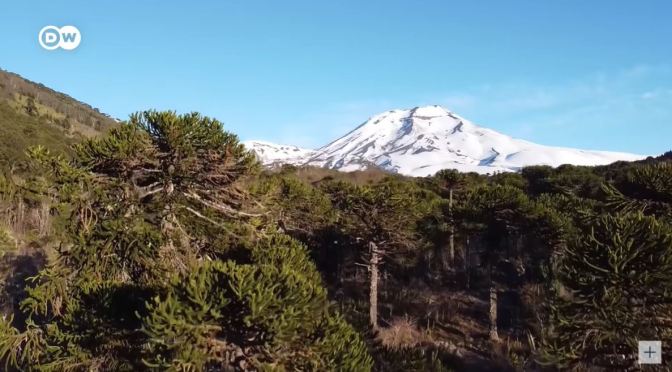
Conservation: Protecting Chile’s Araucaria Forests
The monkey puzzle tree is one of the oldest tree species in the world, dating back to the dinosaur age. Climate change and deforestation endanger them, but in areas inhabited by indigenous peoples in Chile, their numbers are increasing.
Araucaria araucana is an evergreen tree growing to 1–1.5 m in diameter and 30–40 m in height. It is native to central and southern Chile and western Argentina. Araucaria araucana is the hardiest species in the conifer genus Araucaria.

Nature: Report Finds 30% Of Species Face Extinction
Nearly 30 percent of the 138,374 species assessed by the International Union for the Conservation of Nature (IUCN) for its survival watchlist are now at risk of vanishing in the wild forever, as the destructive impact of human activity on the natural world deepens.
 Boomers Daily