Things don’t usually fall apart completely in Britain and the centre holds. In the mid-seventeenth century, however, civil war raged across the islands. Military rule in England was followed by the conquest of Ireland and Scotland, paving the way for the Union. Michael Braddick, reviewing Ian Gentles’s The New Model Army, thinks there are lessons here for our “dysfunctional” democracy. This week the TLS features several meditations on times of civil war.
Times Literary Supplement, May 27, 2022 – @TheTLS, featuring @NshShulman on the Queen; @nclarke14 on Melvyn Bragg; @richardlea on nuclear power; Claire Lowdon on Elif Batuman; @RohanMaitzen on Rosalind Brackenbury; @rinireg on abortion – and more.
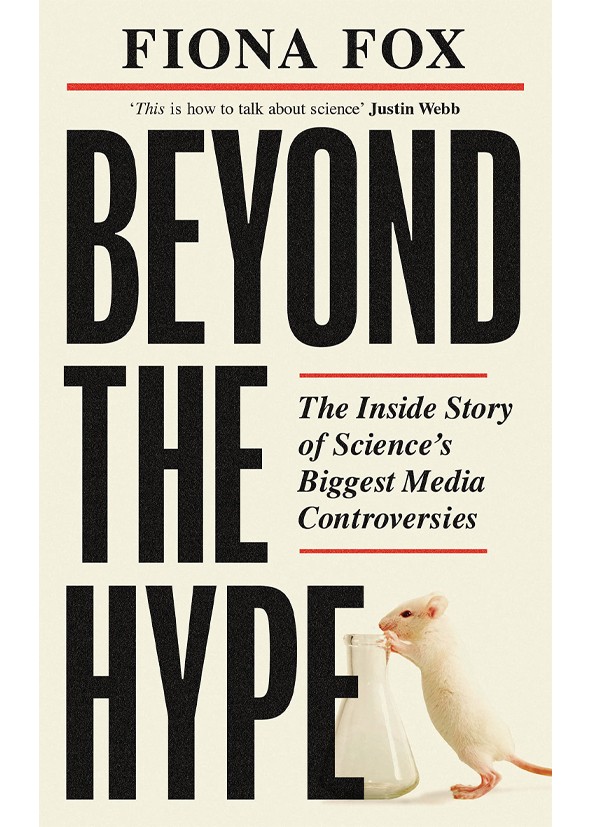
It is 20 years since journalist Fiona Fox set up the influential Science Media Centre in London, to persuade more scientists to engage with the media. This absorbing, detailed book is her memoir of that period — not, as she makes clear, an “objective record”. Separate chapters deal with controversies such as “Climategate”, “Frankenfoods”, the politicization of science, sexism in research and how the current pandemic epitomizes an “age-old dichotomy” between the need for simple public messaging and the messy complexity of science.
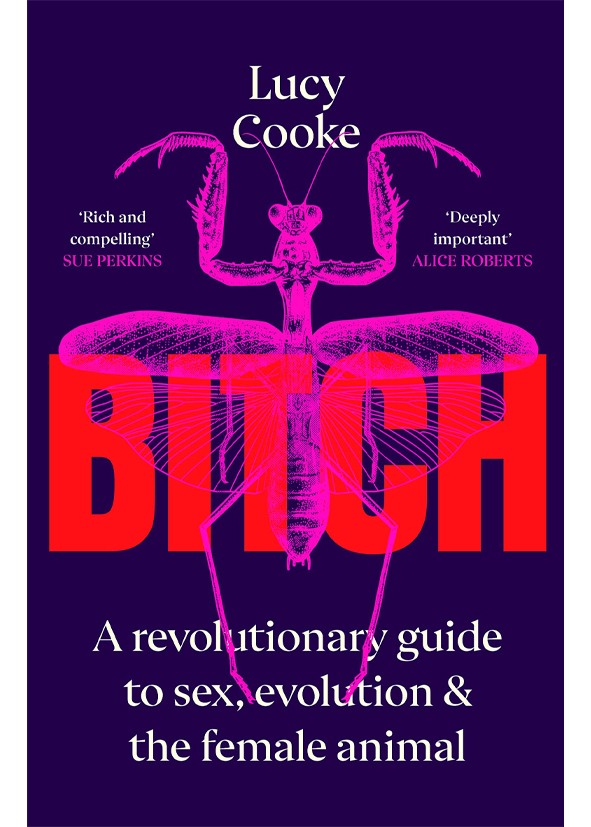
Bitch
Lucy Cooke Doubleday (2022)
“Try explaining the need to be passive” to a female spotted hyena (Crocuta crocuta), writes zoologist and author Lucy Cooke, “and she’ll laugh in your face, after she’s bitten it off”. She is dominant in rough play, scent‑marking and territorial defence. By analysing numerous animals, this sparkling attack on scientific sexism draws on many scientists — of multiple genders — to correct stereotypes of the active male versus passive female. Many such concepts were initiated by Charles Darwin, who is nevertheless Cooke’s “scientific idol”.
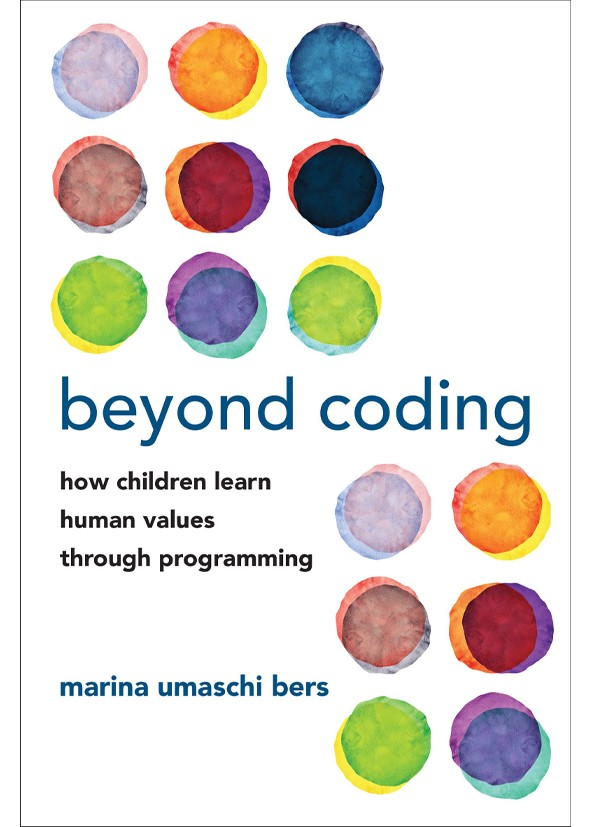
Beyond Coding
Marina Umaschi Bers MIT Press (2022)
Early-childhood technologist Marina Bers developed the KIBO robot, which young children can program with coloured, barcoded wooden blocks to learn computer coding. It is the chief character in her engaging book, which presents four key ways to consider coding for kids: as a “playground”; “another language”; a “palette of virtues”; and a “bridge”. The palette includes infusing ethics and moral education into programming. The bridge involves finding points of connection between diverse cultural, ethnic and religious groups.
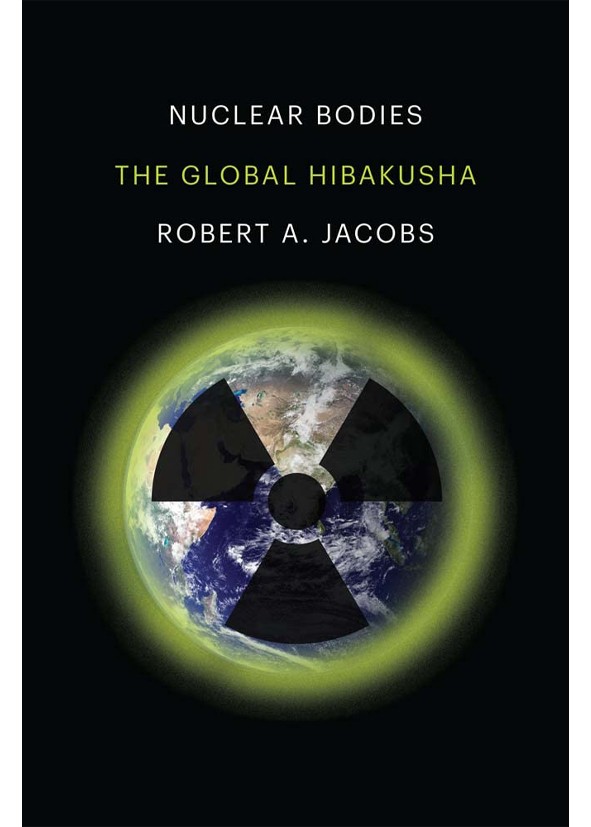
Nuclear Bodies
Robert A. Jacobs Yale Univ. Press (2022)
The Japanese word hibakusha originally described the victims of the atomic bombs dropped on Japan in 1945. Since the 2011 Fukushima nuclear power-plant disaster, the term has been widely extended to denote worldwide victims of radiation exposure. Yet it does not appear in the Oxford English Dictionary: evidence that “these ‘global hibakusha’ have been largely invisible to us”, because of their relative political insignificance, notes Hiroshima-based historian Robert Jacobs in this grimly important analysis of the cold war.
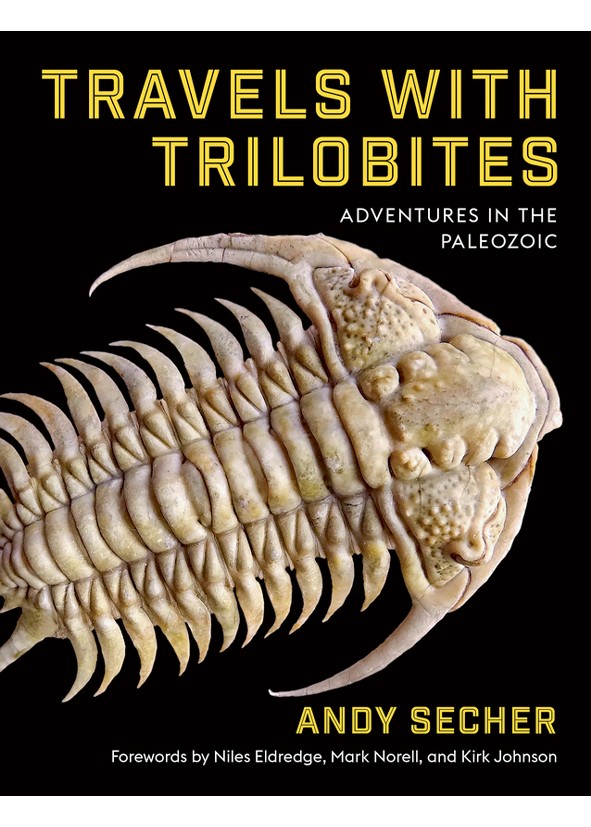
Travels with Trilobites
Andy Secher Columbia Univ. Press (2022)
The fascinating marine invertebrate known as a trilobite belongs to the beginning of complex animal life. It appeared some 521 million years ago, and endured for more than 250 million years, evolving more than 25,000 recognized species. Palaeontologist Andy Secher coedits the trilobite website for the American Museum of Natural History in New York City. He owns more than 4,000 trilobite fossils, many of which are pictured in this paean to “the omnipresent monarchs of the world’s ancient se
Our new issue is now online, ft. @_jamesmeek on civil wars, @HazelCarby on the silencing of indigenous voices, Jan-Werner Müller on Europe after the invasion, Anne Enright on Sandymount Strand and a cover by Helen Napper.https://t.co/lihVxAaGKDpic.twitter.com/7VXNJPpTYE
Times Literary Supplement, May 20, 2022 – This week’s @TheTLS, featuring @wmarybeard on Roman souvenirs; @EdwardDocx on Boris Johnson and contempt; @pwilcken on Operation Car Wash; @AdamSJFoulds on music and conflict; @_Poots_ on Leslie Thomas QC – and more
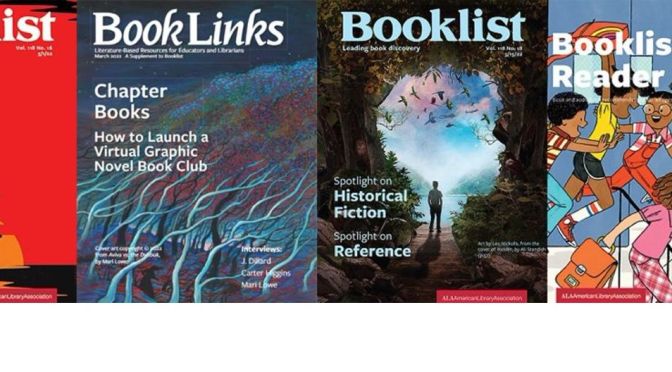
🎶Tra la, it's May–& we have another🌟 issue! Our latest feat. a spotlight on Historical Fiction and Reference: ⏳Top 10 Hist. Fict (Audio, Adult, Youth, Debuts) 🏅Our latest revisit to the #Newbery 🃏A Medevial Times backlist & more! First up: Top 10 HF: https://t.co/rk7JK0SxwKpic.twitter.com/FsslhK5YIh
Booklist Magazine, May 15, 2022 – From a barrier-leaping African American woman in the Gilded Age to a military coup in Guatemala and the woman bookseller who first published James Joyce’s Ulysses a century ago, the most radiant historical novels of the past 12 months illuminate many lives and times.
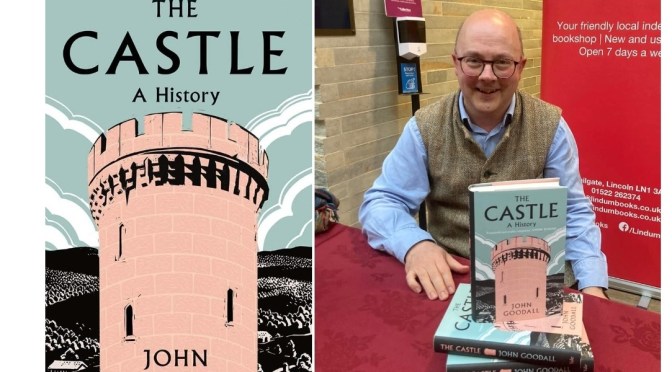
‘Break free from the assumption that castles are primarily medieval buildings designed for the purposes of war and defence, Goodall argues, and the door is opened to a more exciting and surprising understanding.’https://t.co/nVDU8awm3u
John Goodall’s The Castle: A history is the much slimmer companion to his magisterial The English Castle, (2011). Partly an attempt to bring the fruits of his research to a wider audience, Goodall’s new book uses extracts and quotations as the foundation of a historical account: each short chapter features an excerpt from a primary source that seeks to illustrate a particular moment. Rather than offering an architectural or conventional narrative history, Goodall explores the concept of the castle as it has been imagined, remade and contested over time. Important castles such as the Tower of London, Kenilworth and Windsor feature throughout.
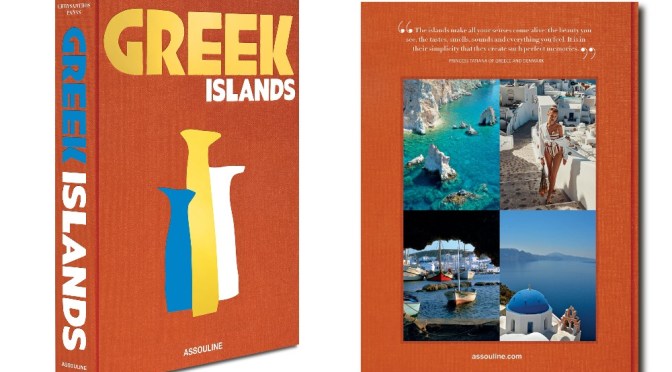
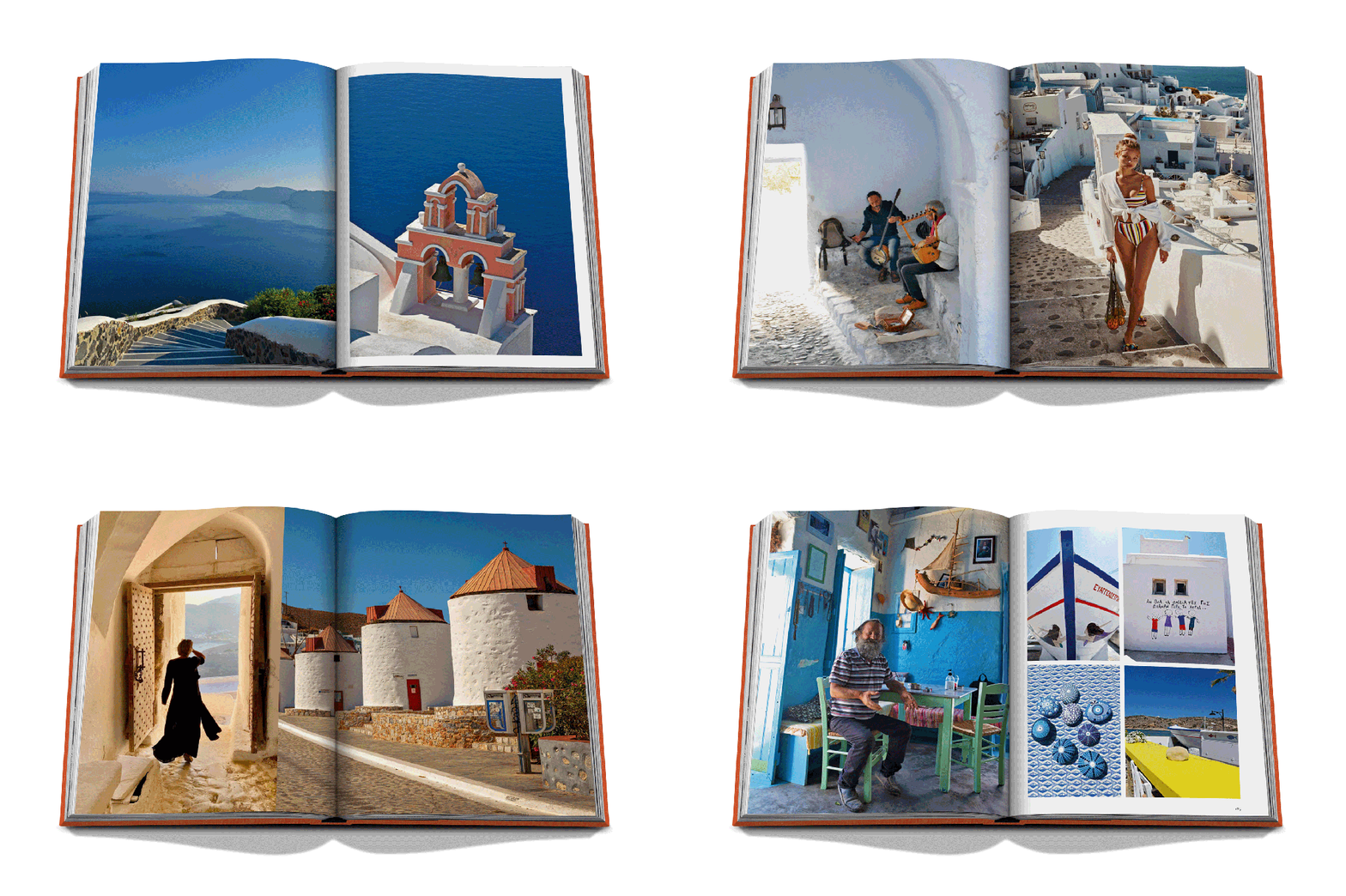
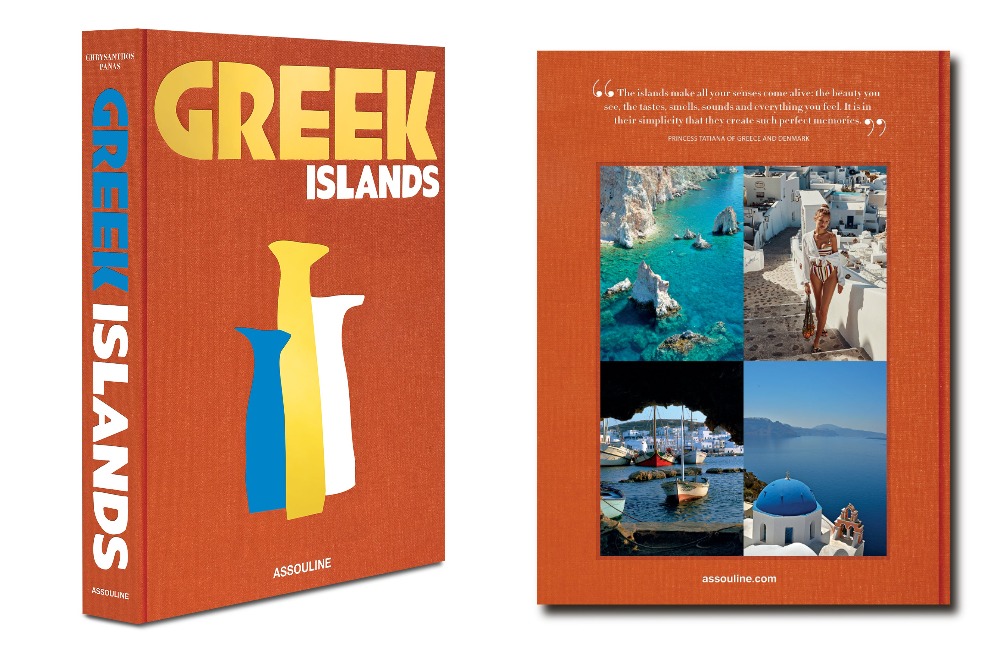
An endless expanse of shimmering waters paired with unmatched Greek hospitality awaits visitors to the islands of the Aegean Sea. Each island is home to a unique spirit and mythology.
From Patmos (a favorite of Aga Khan) to Hydra (which captivated Henry Miller, Leonard Cohen and Sophia Loren), the islands are imbued with a seductive sense of history, tradition and adventure.
Several films over the decades have been filmed on them, including Boy on a Dolphin (1957) on Hydra, The Big Blue (1988) on Amorgos and The Sisterhood of the Traveling Pants (2005) on Santorini.
Sources of inspiration for millennia, the ancient ruins, cliffside monasteries and volcanic rims are all can’t-miss sights. Venturing on an Odyssey of their own, the author and the photographer boarded a traditional Greek sailboat and set out to capture the calming atmosphere, quintessential characters and breathtaking architecture of these gems of the Aegean. A spectacular journey re-created in the pages of Greek Islands.
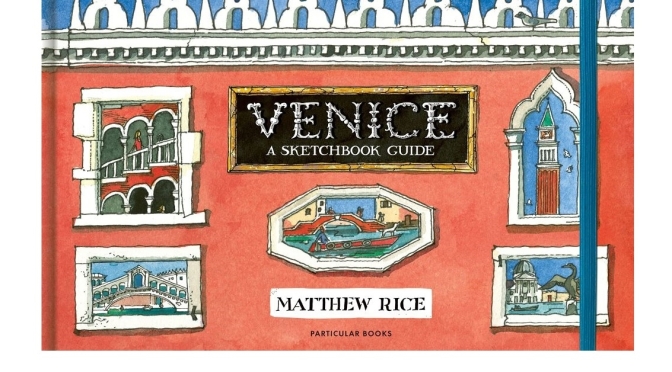
Matthew Rice is a long-time observer and illustrator of cities, buildings and all those who inhabit them, with an uncanny ability to express the energy of a place through a few lines of ink and splashes of paint.
For years, Venice has been a source of deep creative inspiration for him; and now, in Venice: A Sketchbook Guide, he captures the highlights of this most beguiling of Italian cities. Unsurprisingly, given his abiding passion for architecture, Matthew provides a wealth of information about the ‘stones’ of Venice, including an illustrated guide to the main building styles of the city – Byzantine, Gothic, Renaissance, Baroque and Modern – and exemplars of its balconies, bridges and campaniles.
Further sections explore the city’s sestieri – its six residential quarters – as well as its history, paintings, festivals, wildlife and, not least, its cicchetti and aperitivi. Following the same landscape format as Matthew’s real-life sketchbooks, Venice: A Sketchbook Guide will combine enchanting watercolour illustrations with an informed, personal and witty text, and promises to delight all visitors to Venice, armchair or actual.
News, Views and Reviews For The Intellectually Curious


 Boomers Daily