For decades Ayman al-Zawahiri was the chief ideologue of the terrorist group. We ask what his death in Afghanistan means for the broader jihadist movement.
A vote on abortion in Kansas today is a sharp test of the electorate following the gutting of Roe v Wade. And remembering Diane Kennedy, an indefatigable food writer and champion of Mexican cuisine.
Speaker Nancy Pelosi, a longtime China hawk, has not confirmed that she plans to visit Taiwan, but all indications suggest that she will make a stop on the self-governing island without prior announcement.
A selection of three essential articles read aloud from the latest issue of The Economist. This week, what happened to the Ukrainians who fled to Russia, how the sun is both our creator and destroyer (27:56), and how magicians won the attention economy (34:32).
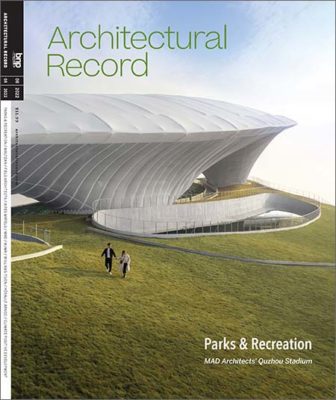
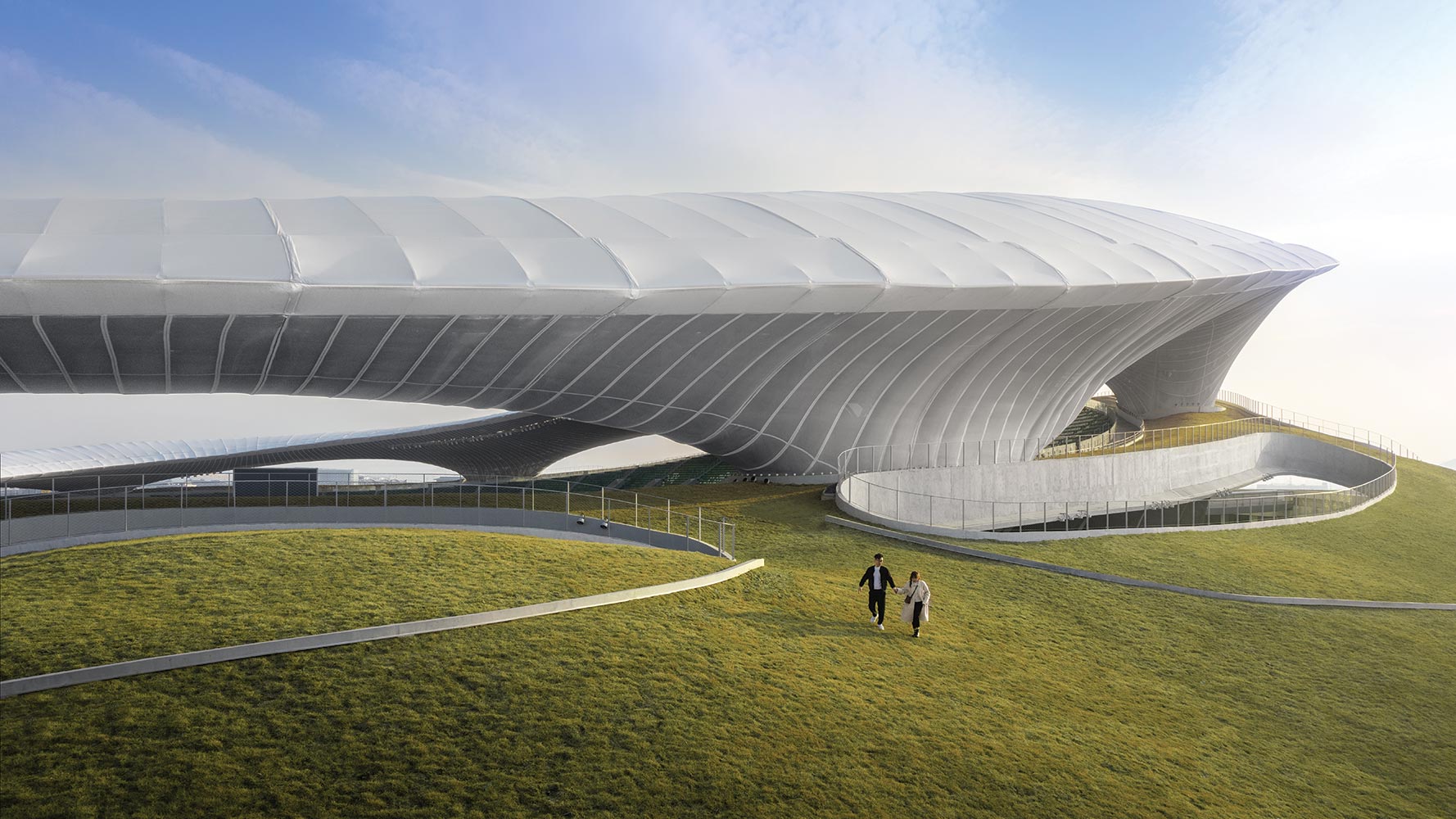
For the past three decades, China has been furiously turning farmland into instant cities, transforming a heavily agrarian society into one with nearly 64 percent of its population now urbanized. In recent years, though, affluent Chinese have started to rediscover their culture’s deep roots in the countryside and the lure of the nation’s often dramatic landscapes. Architects like Ma Yansong, who founded MAD Architects in Beijing in 2004, are now busy exploring new ways of connecting the constructed environment to the natural one. Ma often talks of his notions of shanshui culture, referring to the Chinese words for “mountain” and “water” and to design inspired by a reverence for earth and sky. Yet his approach is anything but traditional. Instead, it aims to reinvent nature—for example, crafting an opera house in Harbin to look as if it were sculpted by wind and water and calling a 5 million-square-foot residential complex in Beihai with rolling roofs Fake Hills.
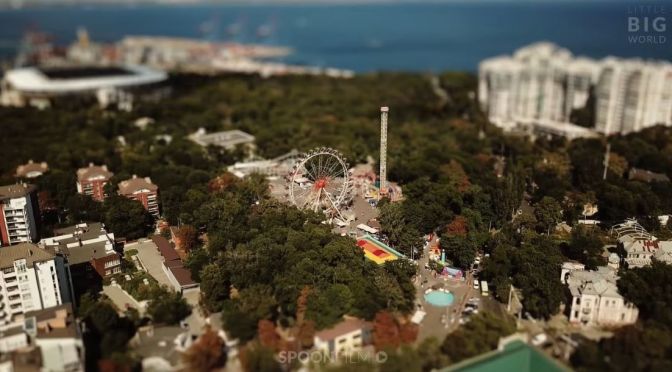
A tilt-shift timelapse short film in Odessa, Ukraine filmed in Summer of 2021 by Little Big World.
Odessa is a port city on the Black Sea in southern Ukraine. It’s known for its beaches and 19th-century architecture, including the Odessa Opera and Ballet Theater. The monumental Potemkin Stairs, immortalized in “The Battleship Potemkin,” lead down to the waterfront with its Vorontsov Lighthouse. Running parallel to the water, the grand Primorsky Boulevard is a popular promenade lined with mansions and monuments.
Finland debates whether to put a stop to Russian tourist visas. Plus: Senegal goes to the polls amid a crackdown on the opposition, a flick through the day’s papers, and a round-up of climate news.
Russia has turned Europe’s largest nuclear power plant into a fortress, stymying Ukraine’s forces and unnerving locals who fear both shelling and a radiation leak.
50 meters wide with a height of 14 meters. Ristafallet is one of Sweden’s most beautiful waterfalls, and famous from the movie “Ronia the Robber’s Daughter”.
In Hålland between Undersåker and Järpen lies the easily accessible Ristafallet. Turn off the E14 from Hålland into Ristafallet’s Camping. Park by the restaurant, then walk through the camping area until you find the waterfall.
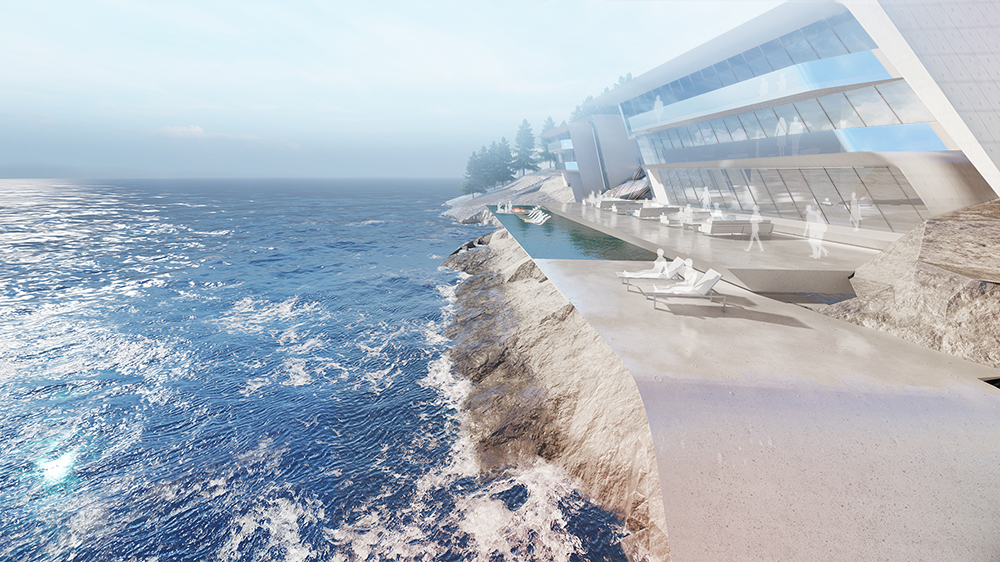
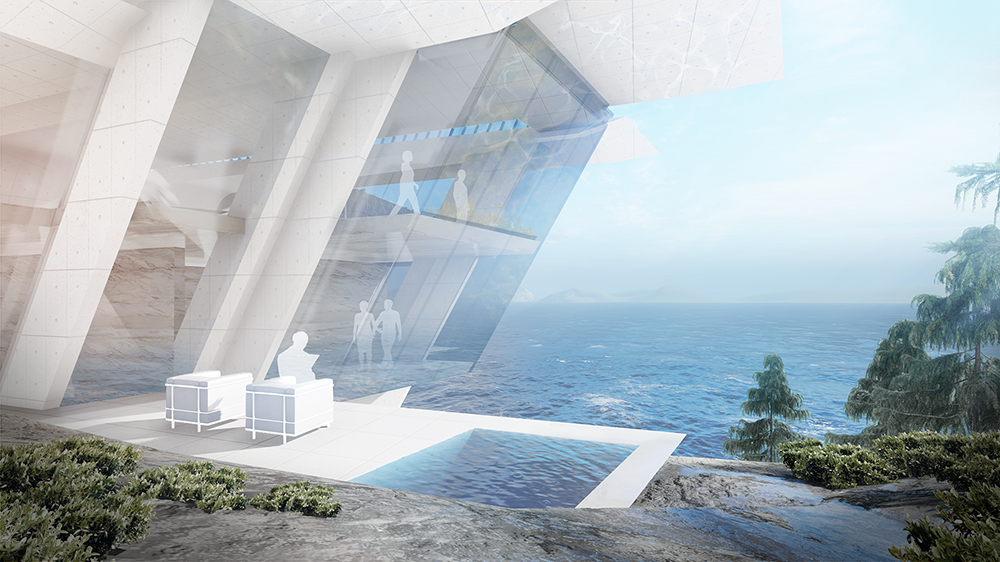
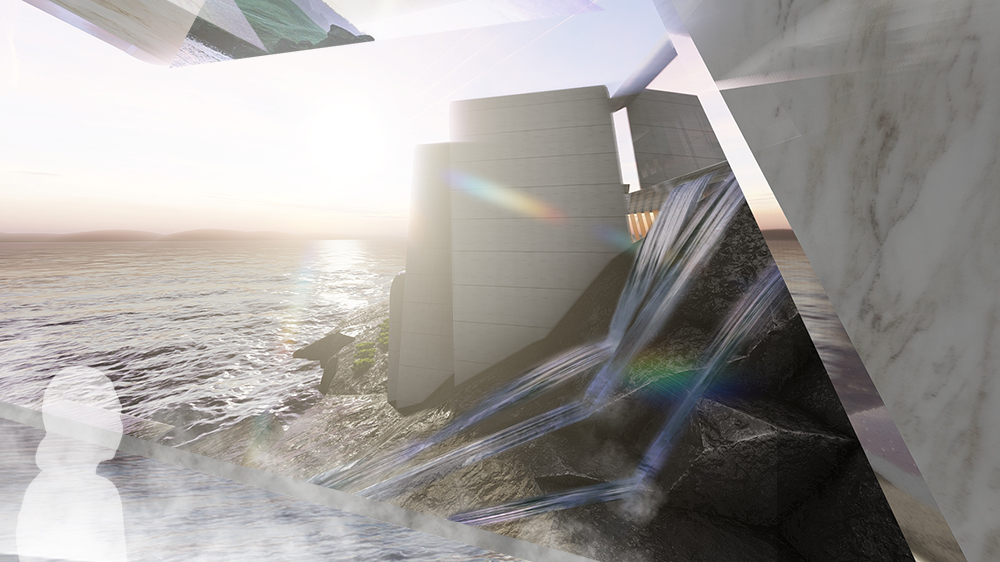
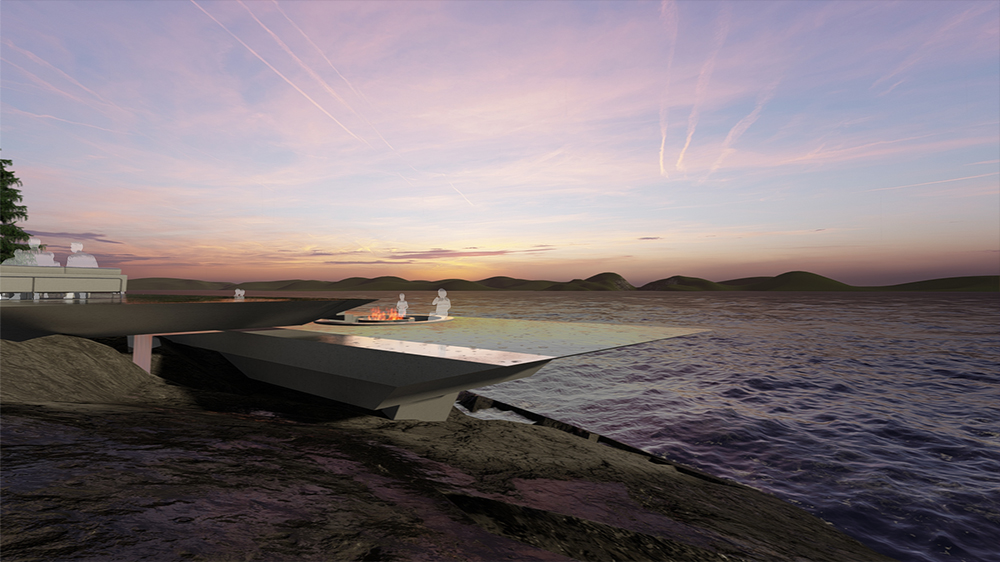
This concrete waterfront residence explores the lines between landscape and architecture; blurring nature and building. In a postmodern world of dislocation, the use of landscape and topography as form-generator is a particularly cogent means to establish a sense of “poetic belonging”.
This rocky, steeply sloping waterfront site was an ideal source of inspiration to create a residence which explores this dialectical tension. The residence is massed in two forms that cascade to the waterfront.
The spaces between the forms, expressed as slip-planes, undulate like the rock formations on the Burrard Inlet shoreline. The juxtaposition of forms are loose and geometries are non-orthogonal and sympathetic to the site contours.













 Boomers Daily