The Economist Magazine (March 21, 2024): The latest issue features ‘Israel Alone’ – At a moment of military might, Israel looks deeply; ‘How To Trade An Election’ – It is getting harder for investors to ignore politics; China, Iran and Russia versus The West – Assessing the economic threat posed by the anti-Western axis…
There is still a narrow path out of the hellscape of Gaza. A temporary ceasefire and hostage release could cause a change of Israel’s government; the rump of Hamas fighters in south Gaza could be contained or fade away; and from the rubble, talks on a two-state solution could begin, underwritten by America and its Gulf allies. It is just as likely, however, that ceasefire talks will fail. That could leave Israel locked in the bleakest trajectory of its 75-year existence, featuring endless occupation, hard-right politics and isolation. Today many Israelis are in denial about this, but a political reckoning will come eventually. It will determine not only the fate of Palestinians, but also whether Israel thrives in the next 75 years.
It is becoming harder for investors to ignore politics
Investors differ in their approach to elections. Some see politics as an edge to exploit; others as noise to block out. Even for those without a financial interest, markets offer a brutally frank perspective on the economic stakes. As elections approach in America and Britain, as well as plenty of other countries, that is especially valuable.
The Globalist (March 21, 2024): We discuss what will be on the agenda at the EU leaders’ summit in Brussels with associate editor at Politico, Suzanne Lynch.
Also in the programme: we get the latest on Vietnam president Vo Van Thuong’s resignation and find out why Canada is stopping future arms shipments to Israel. Plus: we flick through the April issue of Monocle as it hits newsstands.
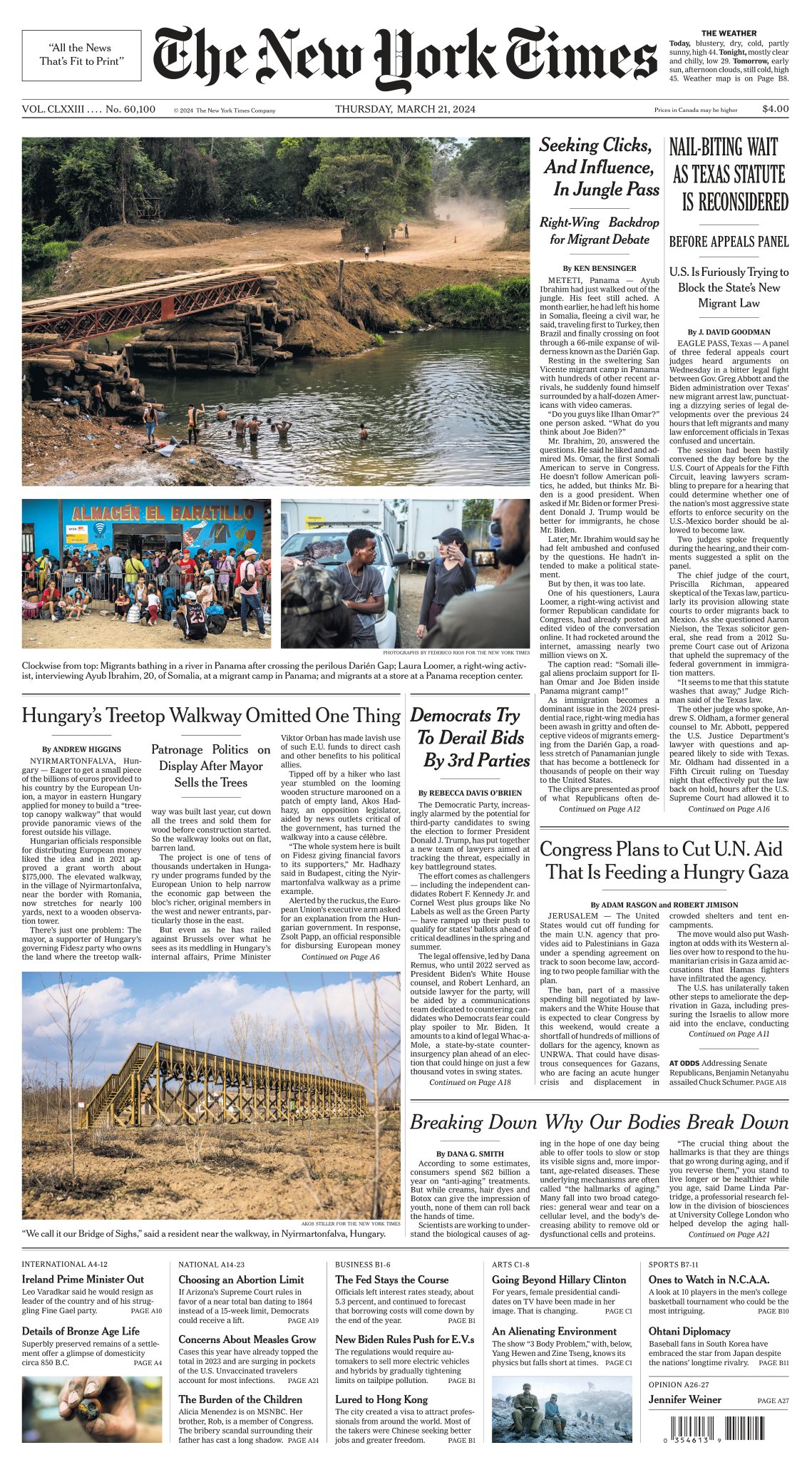
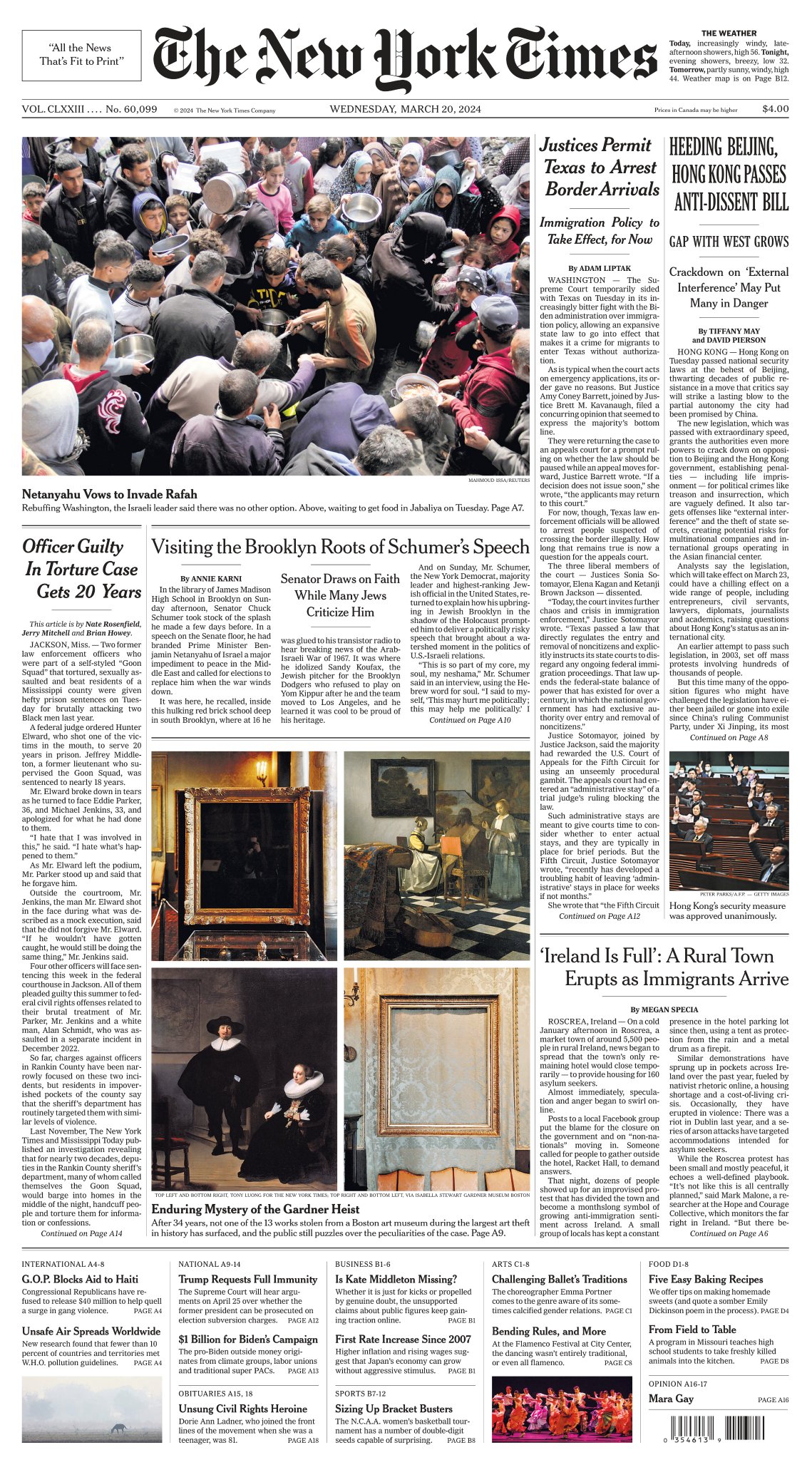
As dizzying legal developments sowed confusion along the border, an appeals court panel appeared split over whether Texas’ migrant arrest law should remain on hold while the court fight continues.
The treacherous migrant crossing in Panama is drawing packs of American activists who are distorting how immigration is perceived, and debated, at home.
A beacon for “anti-woke” conservatives abroad, Prime Minister Viktor Orban keeps his grip at home by doling out cash, critics say. Behold the treeless “treetop canopy walkway.”
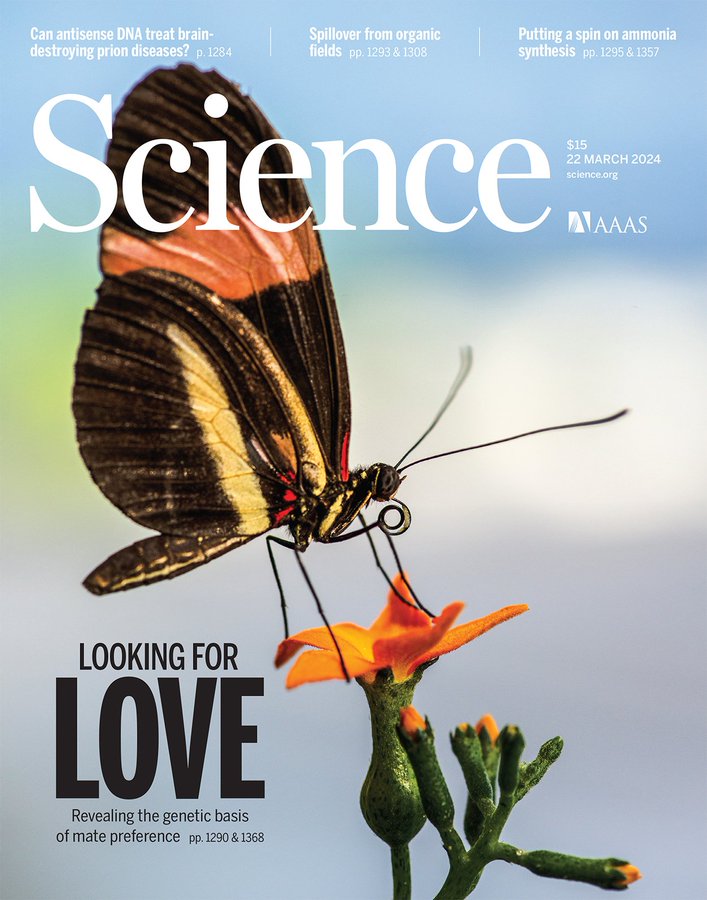
Verbose robots, and why some people love Bach: Books in Brief
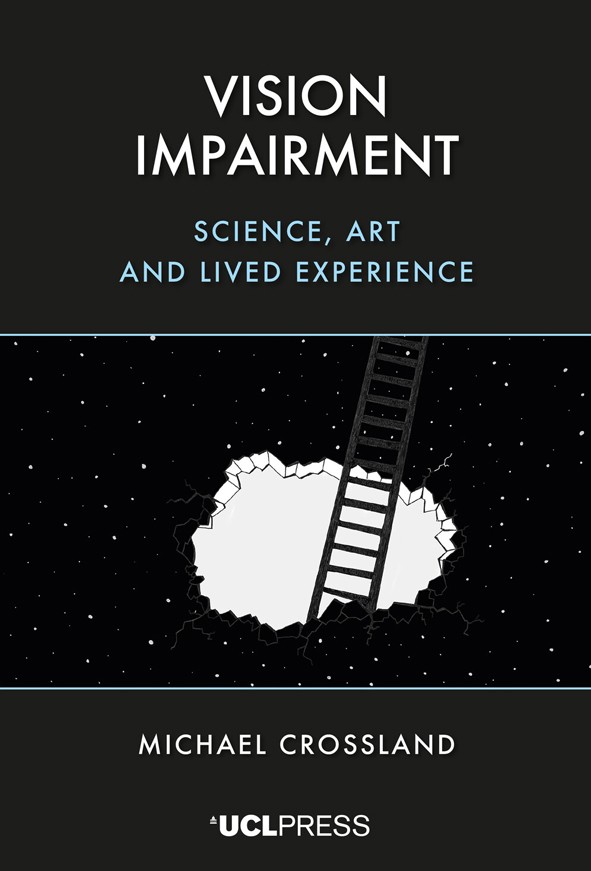
Vision Impairment
Michael Crossland UCL Press (2024)
On a typical day in his clinic, London-based optometrist Michael Crossland assesses both young children and centenarians with low vision. Severe vision impairment affects 350 million people around the world, many of whom in poorer countries lack access to any eye care. His fascinating, sometimes moving, account — mixing ophthalmology with the stories of his patients and many others — reveals that life with vision impairment can be “just as rich and rewarding as life with 20/20 vision”.
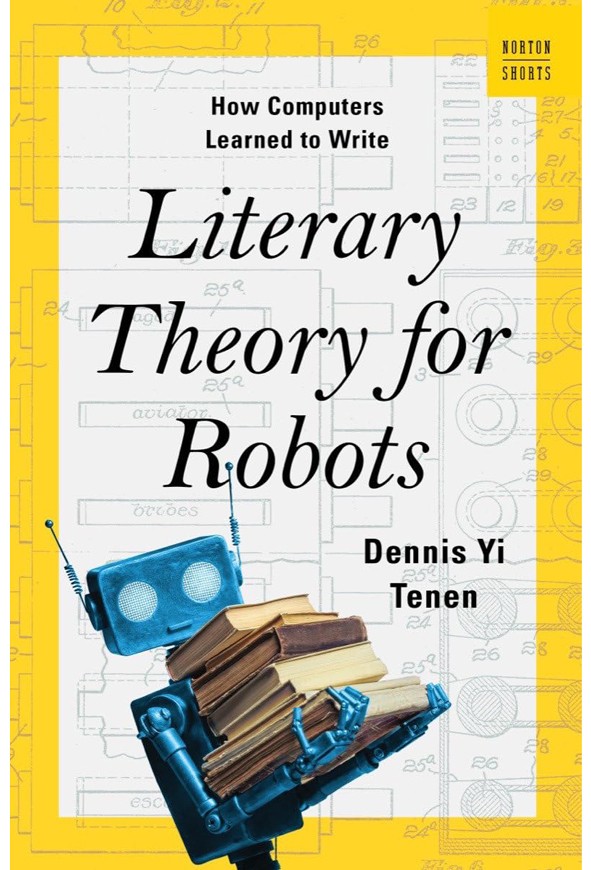
Literary Theory for Robots
Dennis Yi Tenen W. W. Norton (2024)
Artificial intelligence (AI) is rooted in the humanities, argues Dennis Yi Tenen, a comparative-literature professor and former Microsoft engineer. Chatbots are trained using electronic versions of tools such as “dictionaries, style guides, schemas, story plotters [and] thesauruses” that were historically part of the collective activity of writing. Indeed, a statistical model called the Markov chain, crucial to AI, arose from an analysis of vowel distribution in poems by Alexander Pushkin. Tenen’s cogitation is a witty, if challenging, read.
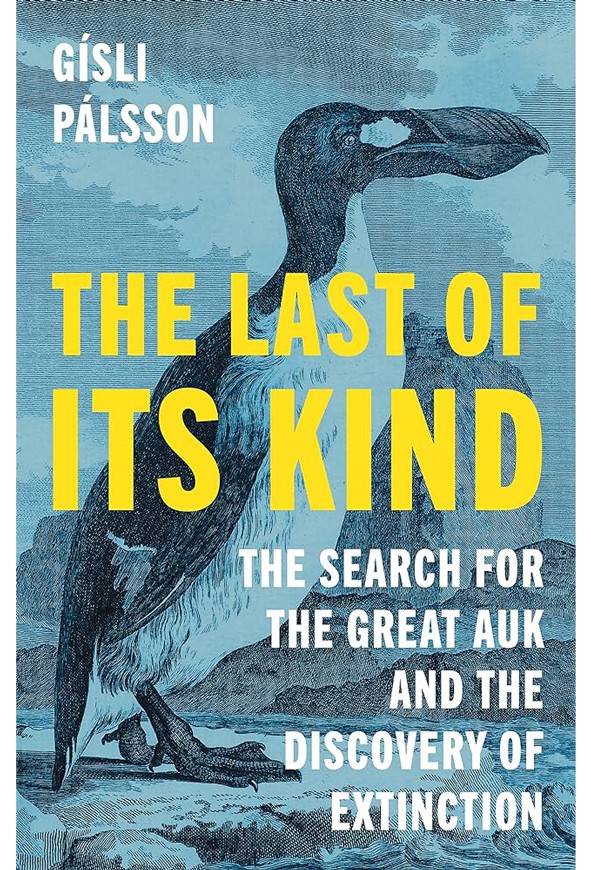
The Last of Its Kind
Gísli Pálsson Princeton Univ. Press (2024)
Living species could never become extinct, thought naturalist Carl Linnaeus. Charles Darwin disagreed, saying extinction was a natural process. Then ornithologists John Wolley and Alfred Newton began studying great auks, flightless birds living on remote islands in the North Atlantic Ocean. They visited Iceland in 1858 to see great auks, but instead met locals who described killing off the birds — revealing how humans could extinguish a species. Anthropologist Gísli Pálsson tells the engaging story of this “key intellectual leap”.
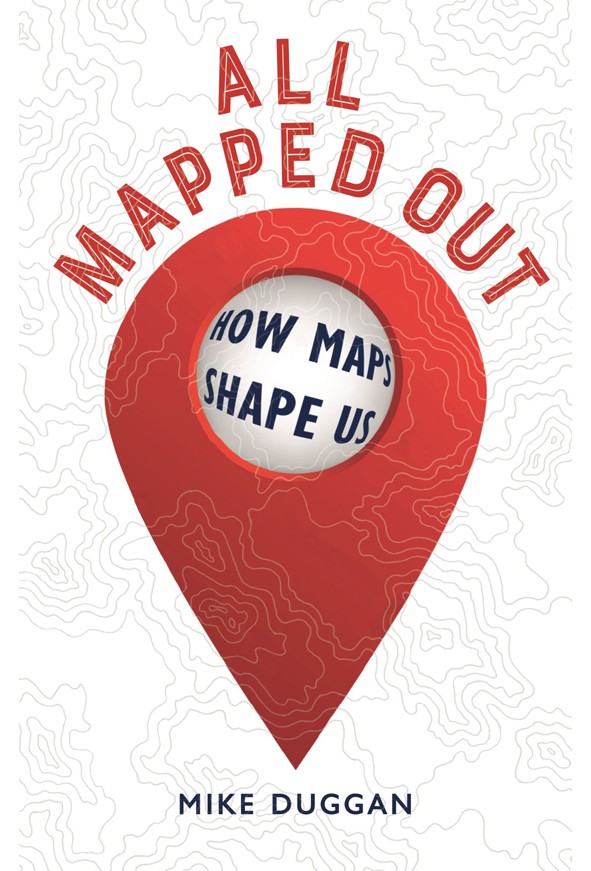
All Mapped Out
Mike Duggan Reaktion (2024)
Cultural geographer Mike Duggan works in partnership with the UK national mapping agency, Ordnance Survey, to study everyday digital-mapping practices. Important as it is, digital mapping is not superseding analogue maps, he observes in his global history of cartography, which begins with Palaeolithic carvings. Sales of Ordnance Survey paper maps are rising, perhaps because of their convenience. “Although digital maps are improving constantly in accuracy and design, they do not always live up to those promises.”
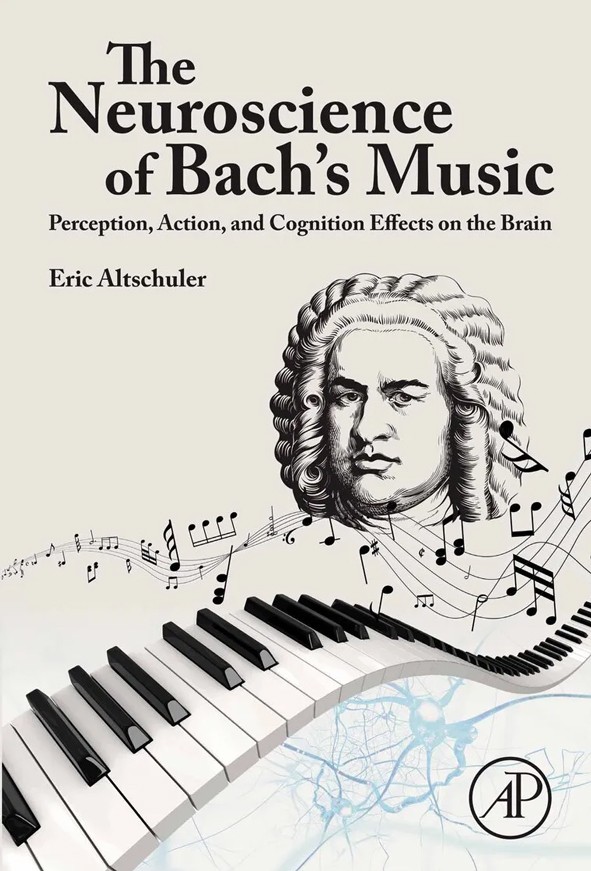
The Neuroscience of Bach’s Music
Eric Altschuler Academic (2024)
Physician and neuroscientist Eric Altschuler regards J. S. Bach as the greatest composer ever, as do many others. Altschuler’s pioneering study — illustrated with numerous musical examples — aims to show how Bach-centred neuroscience “can help us better appreciate perceptual and cognitive affects in Bach” and create better performances of the composer’s work. It also teaches us how music perception is not localized to one region of the brain but occurs throughout it, and varies from person to person.
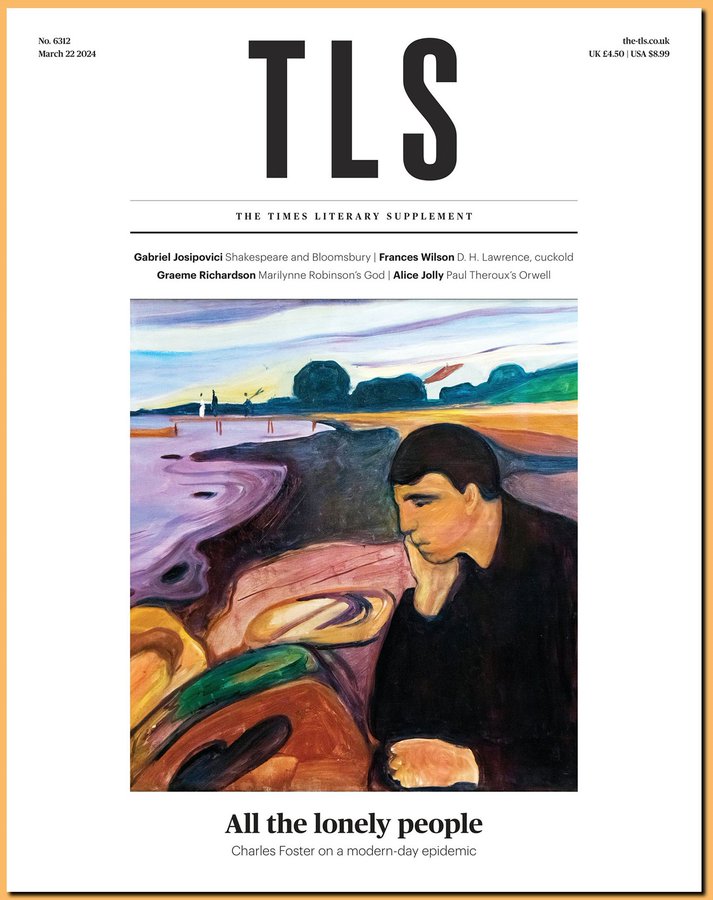
Times Literary Supplement (March 22, 2024): The latest issue features ‘All the Lonely People’ – Charles Foster on a modern-day epidemic; Shakespeare and Bloomsbury; D.H. Lawrence, cuckhold; Marilynne Robinson’s god; Paul Theroux’s Orwell…
This week’s @TheTLS, featuring @tweedpipe on loneliness; Andrew Holter on Helen Keller; Gabriel Josipovici on Shakespeare, Bloombsbury and Beckett; @rwilliamsparis on Annie Ernaux and photography; @JollyAlice on Paul Theroux; Simone Gubler on fatphobia – and much more pic.twitter.com/nlzNR1MW0B
The Globalist (March 20, 2024): As negotiations in Doha resume, we discuss the likelihood of a temporary truce in Gaza after months of devastating war.
Plus: protests in Argentina, US domestic politics and why Slovakia’s forthcoming presidential election is crucial for the EU.
The legislation targets “external interference” and the theft of state secrets, with implications for businesses, journalists, civil servants and others.
The law, which empowers local officials to arrest and deport migrants who enter the country without authorization, was challenged by the Biden administration as an affront to federal power.
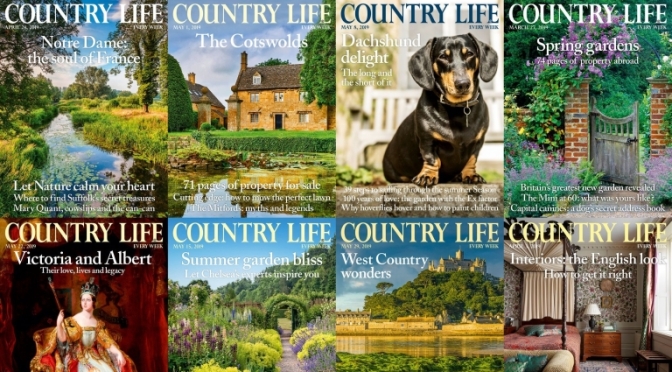
James Alexander-Sinclair hails the remarkable revival of the gardens at Dowdeswell Court, Gloucestershire, the charming Cotswolds home of Jade Holland Cooper and Julian Dunkerton
The cutting-garden diaries
In the second of a series of articles, Oxfordshire flower grower Anna Brown shares her tips on creating a floral spring spectacular
Great nurseries
Growing sweet violets has been a family passion since 1866 at Groves Nursery in Bridport, Dorset, as Tilly Ware discovers
‘After everything they do, we owe them’
Service dogs and horses risk life and limb to keep us safe. Katy Birchall salutes the work of a charity supporting these animal heroes in retirement
Mark Cocker’s favourite painting
The Nature writer lauds a work by a masterful wildlife painter
Where traffic stops for sacred cows
Dairy farmer Jamie Blackett is heartened to witness cattle worship on a trip to Rajasthan
New series: The legacy
In the third instalment of this new series, Kate Green celebrates the Revd John Russell’s role in the emergence of the terrier
The very nature of Middle-earth
James Clarke visits the magical Malvern Hills to explore a land-scape that so inspired Tolkien
Planters punch
Amelia Thorpe picks garden pots that make a sizeable statement
The good stuff
Hetty Lintell ushers in spring with a selection of floral favourites
Interiors
Soak up the style with an array of elegant bathroom fittings and furnishings from Amelia Thorpe
Kitchen garden cook
Fresh spring onions steal the show, says Melanie Johnson
Grandeur in granite
The restored Cluny Castle in Aberdeenshire is equipped for a future as prosperous as its colourful past, finds John Goodall
It’s a kind of dark magic
Whitby jet and mourning go hand in hand, but is it time to reassess this beautiful heritage gemstone, asks Harry Pearson
How to revive a classic
Michael Billington puts himself in the director’s chair as he ponders spectacular remakes of plays by Ibsen and Chekhov
Back to square one
What is it about cryptic crosswords that has kept us racking our brains for the past 100 years? Rob Crossan has all the answers
News, Views and Reviews For The Intellectually Curious
















 Boomers Daily