
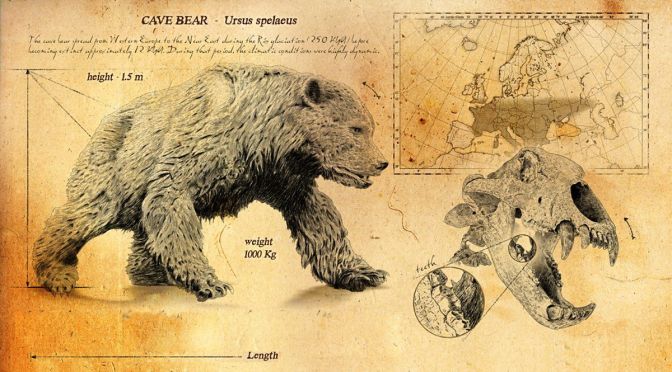
Bears are able to live and sometimes thrive from the North Pole to the tropical rainforests around the equator and although they are largely confined to the forests nowadays, in the not too distant past they dominated grassy plains as well. And in overcoming the challenges of each new habitat they migrated into presented, they have evolved to drastically change diets. Bears evolved from small carnivorous animals and yet have become omnivorous, insect eaters, or have a diet occupied entirely of plant foods. So how have bears been able to evolve to eat almost any food in a very small amount of time.
Tag Archives: Wildlife
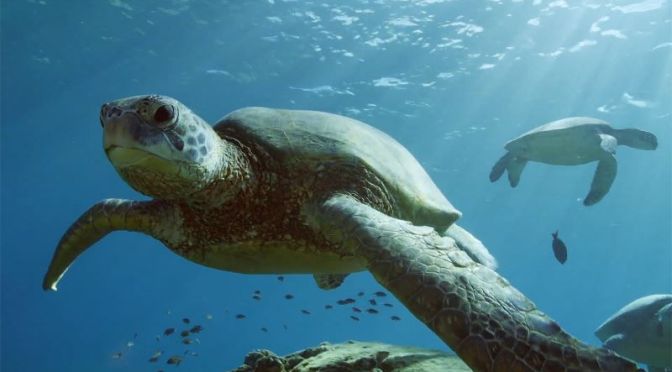
Ocean Wildlife: Green Sea Turtles Of Hawaii (Video)
Hawaii is home to the largest hard-shelled sea turtles in the world.
Hawaiian green sea turtles, or honu, are native to Hawaii. They are the largest hard–shelled sea turtle in the world, reaching lengths of four feet and weights over 300 pounds. Out of the seven types of sea turtle, the Hawaiian green sea turtle is the most common turtle in Hawaii.

Nature Views: Beavers Return To The Wild In U.K. After 400 Years (Video)
After over 400 years, these incredible beavers have made a comeback in the UK.

Wildlife: Water Birds In Northeastern MOntana
“Sunday Morning” takes us this Easter Sunday to northeastern Montana’s Charles M. Russell National Wildlife Refuge, home to some 250 species of birds. Videographer: Derek Reich.
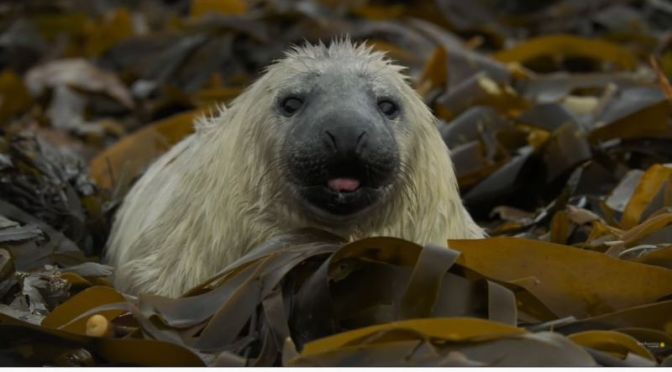
Views: ‘Grey Seal’ Pupping Season In Scotland (Video)
The seal pupping season is an annual autumn occurrence on Scotland’s Monarch Islands, featuring the archipelago’s 35,000 grey seal inhabitants.
The grey seal is found on both shores of the North Atlantic Ocean. It is a large seal of the family Phocidae, which are commonly referred to as “true seals” or “earless seals”. It is the only species classified in the genus Halichoerus.
From Stormborn: http://bit.ly/3qzHDlQ

Morning News Podcast: Covid In India, Poaching & Seeing Around Corners
Case numbers are on the rise—at a more worrying rate even than the first wave. We ask why, and what is being done to slow the spread. As revenues at wildlife-tourism spots have dried up, so has security—and now poaching is even more rampant than before.
And scientists’ increasingly audacious bids to see around corners. For full access to print, digital and audio editions of The Economist, subscribe here http://www.economist.com/intelligenceoffer
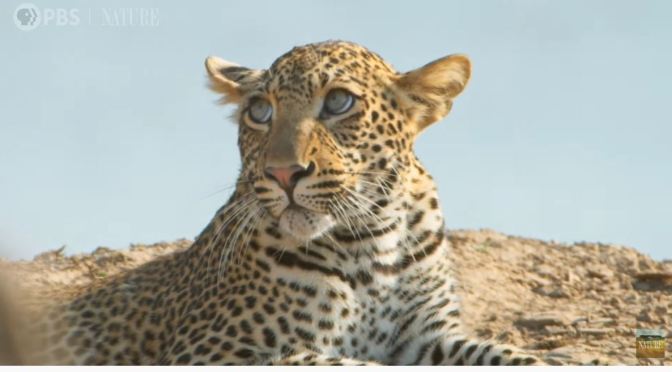
Wildlife Views: A Young Leopard Learns To Hunt
After a number of failed attempts, a young leopard gains the skills needed to catch birds.
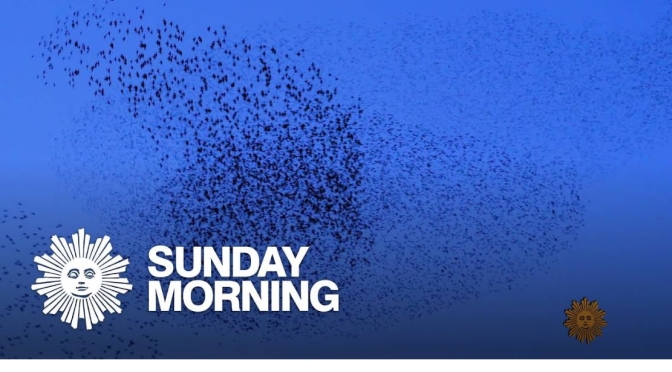
Nature: ‘Murmurations Of Starlings’ In Greenbrae, Northern California
“Sunday Morning” goes sky-gazing at Greenbrae, California, where flocks of starlings are performing aerial acrobatics known as murmurations. Videographer: Lee McEachern.

Coastal Views: ‘Padre Island – Texas’ (Video)
Padre Island is a barrier island along the southern coast of Texas. It’s home to Padre Island National Seashore, a vast protected area with beaches sheltering rare Kemp’s ridley sea turtles. Grasslands Nature Trail winds through the seashore’s bird-rich, marshy terrain. To the north, Padre Balli Park offers surf breaks. Its Bob Hall Pier stretches into the Gulf of Mexico and serves as a recreational fishing hub.
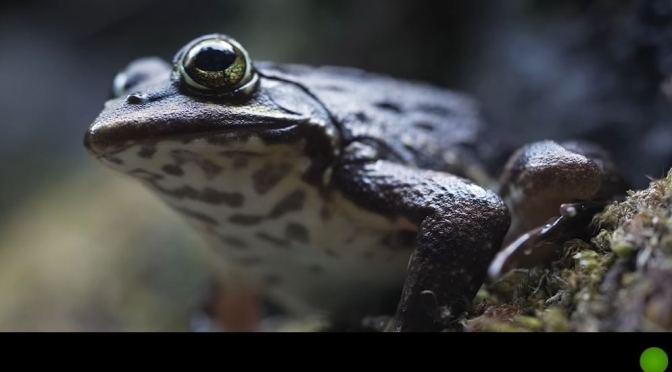
Nature Views: ‘Cape Floral Kingdom, South Africa’
Filmed in the Cape Floral Kingdom, South Africa.
Cape Floral Region Protected Areas
Inscribed on the World Heritage List in 2004, the property is located at the south-western extremity of South Africa. It is one of the world’s great centres of terrestrial biodiversity. The extended property includes national parks, nature reserves, wilderness areas, State forests and mountain catchment areas. These elements add a significant number of endemic species associated with the Fynbos vegetation, a fine-leaved sclerophyllic shrubland adapted to both a Mediterranean climate and periodic fires, which is unique to the Cape Floral Region.
The concrete jungle and the rat race suck up our time and energy. Our lives revolve around paying bills and staring at a computer screen. We feel stressed and anxious, and we don’t know what’s wrong. What we are truly lacking is a connection with the wild world and its rhythms. Grant takes us out into the Cape Floral Kingdom, where we kick off our shoes and walk barefoot on the earth, touch the bark of a tree, watch a spider spin a web, listen to the birds singing in the branches above. We reawaken our senses. So no matter where you live, get out there and be wild every now and then. You’ll find connection again.
Featuring Grant Hine – Ecotherapist and Guide (www.zenguiding.com)
 Boomers Daily