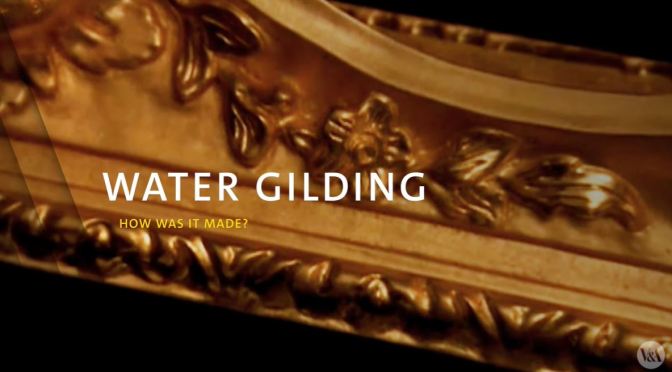
Water gilding is a process which makes wood look like gold. Follow the stages involved in gilding a wooden frame – from brushing on layers of gesso (glue and chalk mixture), to applying and burnishing the gold leaf.
How to make a gilded frame: Glue applied to wood: 00:27 Gesso mixed and applied in layers: 00:34 Gesso smoothed with dried horsetail plant: 00:46 Details cut into the base: 00:58 Yellow ochre pigment applied: 01:07 Bole applied: 01:20 Surface is smoothed with a brush: 01:29 Water is brushed on and gold leaf is applied: 01:56 An animal tooth is used to burnish the surface: 02:15 Frame is coated with glue for an even finish: 02:33
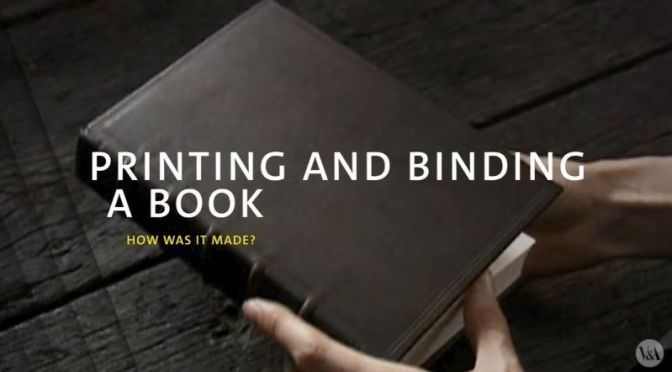
Discover the stages involved in creating a hand-printed and hand-bound book. This is an example of octavo size, meaning it’s made up of pages that were printed eight to a sheet of paper.
Video timeline: Process at the printers: Arranging metal letters: 00:09 Preparing type: 00:25 Applying ink to the type: 00:32 Pressing paper onto the inked type: 00:40 Process at the binders: Sheets folded and cut: 01:07 Folds hammered: 01:24 Sheets sewn onto bands: 01:28 Rounding the spine: 01:43 Attaching cover boards: 01:56 Clamping the book and trimming pages: 02:20 Endbands sewn: 02:29 Leather cover stuck on: 02:41 Decoration added with hot metal tools: 03:11
Bag making is a complex process. From creative sketches and precise technical drawings, to prototypes and catwalk shows, every stage requires careful thought. Historically and globally, bags have been constructed and embellished in an enormous variety of ways.
Originally hand-stitched at home or crafted in small workshops, today’s mass-produced bags are assembled in factories. Each procedure requires special skills, from pattern-making, cutting and dyeing, to sewing, polishing and finishing.
Take a look behind-the-scenes at Mulberry with Development Team Leader, Alice Gouldbourne to discover more about the precision and technical skill required to produce each one of their iconic bags. Find out more: vam.ac.uk/exhibitions/bags
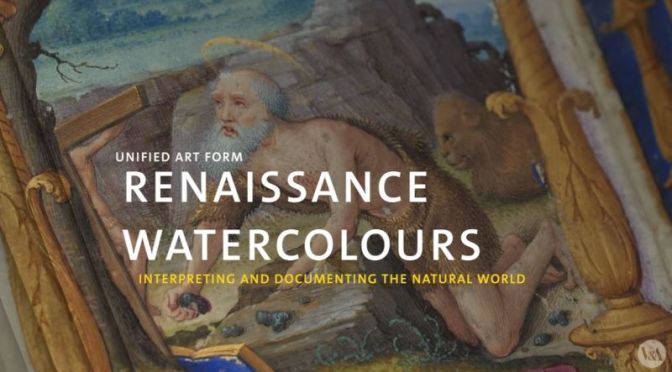
Focussing on the three types of object featured in the V&A display Renaissance Watercolours: illuminated manuscripts, portrait miniatures and coloured drawings, this film showcases the qualities that made watercolour the medium of choice for many artists during the Renaissance.
A modern-day painting of a pomegranate, using traditional watercolour techniques, by artist Lucy Smith, also demonstrates how watercolour painting remains a versatile medium, ideal for capturing life-like details that help us to record our diverse world.
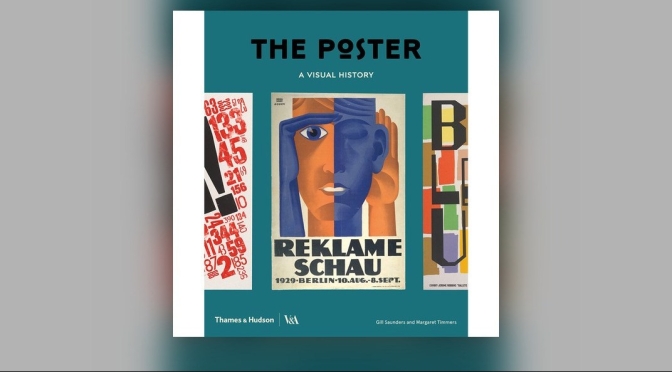
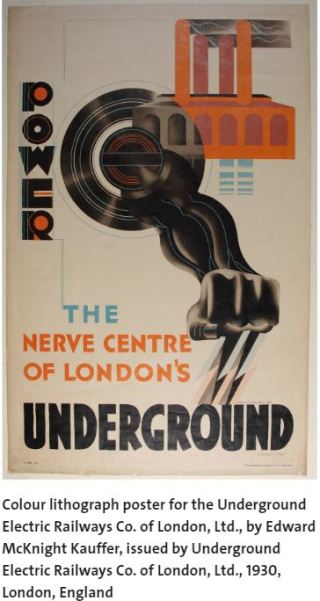
Monocle 24 speaks with Gill Saunders and Margaret Timmers about their upcoming book ‘The Poster’ from Thames & Hudson in partnership with the V&A.
Featuring posters from the world-class collection of the Victoria and Albert Museum, this book is the perfect resource for all those who appreciate one of the most popular art forms.
Even in the digital age, the printed poster has continued to be one of the most influential and well-loved ways of informing and entertaining audiences. A powerful means of mass communication, posters are an invaluable resource for understanding the time periods in which they were produced and distributed and have often played key roles in shaping society.
Organized into seven thematic chapters, The Poster brings together more than 300 examples that offer a comprehensive history of the poster as a medium that has been used to share, sell, or incite political and social change. The text traces the poster through innovations in design, illustration, typography, and printing, as well as movements in art, including Art Nouveau, modernism, Art Deco, psychedelia, and punk.
Featuring works by A. M. Cassandre, Henri de Toulouse-Lautrec, Alphonse Mucha, Milton Glaser, Paula Scher, and Peter Gee, and many more, this book is an essential resource for graphic designers, illustrators, and anyone interested in social and political history.


 Monocle 24 speaks with Gill Saunders and Margaret Timmers about their upcoming book ‘The Poster’ from Thames & Hudson in partnership with the V&A.
 Museum, this book is the perfect resource for all those who appreciate one of the most popular art forms.
 Boomers Daily