Tag Archives: UK

Walks: Exeter Quay In Southwest England (4K)

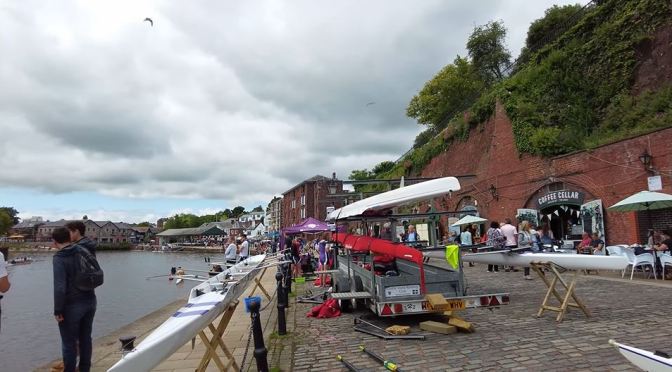
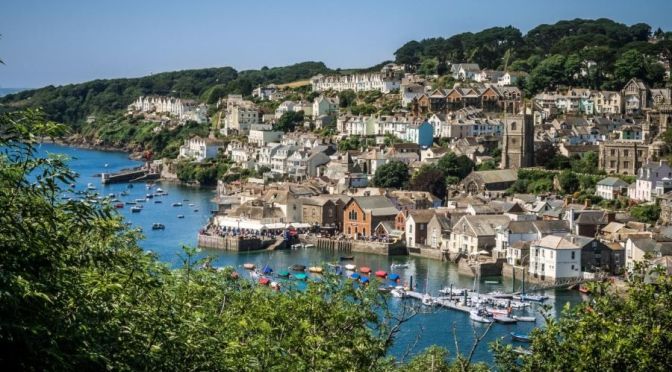
Exeter Quayside , Devon UK Tour – filmed in July 2021.

Exeter Quay, also known as Exeter Quayside, is a part of the city of Exeter next to the River Exe and the Exeter Ship Canal. It was first used as a port in prehistoric times when a sandstone ledge was used to unload the ships of overseas traders.[1] However, by 1381 the Countess Weir had blocked the river to shipping. In 1566 a canal was completed to provide access for ships. Over time the number of ships using the quayside increased and so the quay was expanded in the late 17th century. Further expansion occurred in 1830 when a new canal basin was dug. However, in 1840 the railways reached Exeter and the shipping began to decline. No longer used for shipping, the quayside is now mostly used for leisure included in the links below.
Architecture: ‘Inside-Out House’ In Westminster, UK

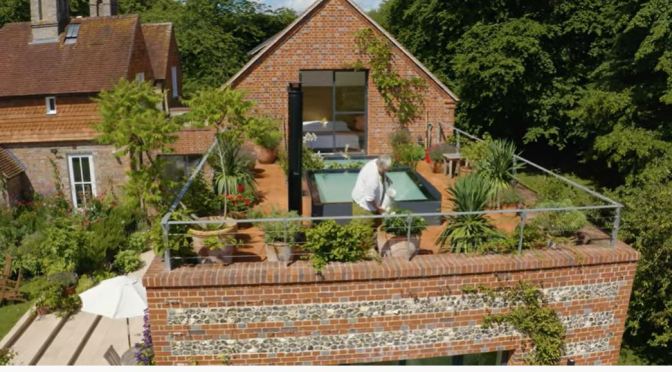
Architect Barbara Weiss likes to do things a little differently. Indeed, the last time we caught up with her was at her upside-down house: a converted pub in Westminster, central London, where she lives on the secluded top floors and sleeps on the lower floors (yes, it’s as brilliant as it sounds). This time, she’s giving us a tour of her latest self-designed home, which she’s aptly titled the inside-out house.

Morning News: Cabinet Shake-Up In Britain, Covid-19 Study & Stargazing

Prime Minister Boris Johnson has re-allocated a number of key government posts. We ask how the changes reflect his political standing and what they mean for his agenda. A first-of-its-kind study that deliberately infected participants with the coronavirus is ending; we examine the many answers such research can provide. And the rural places aiming to capitalise on their dark skies.

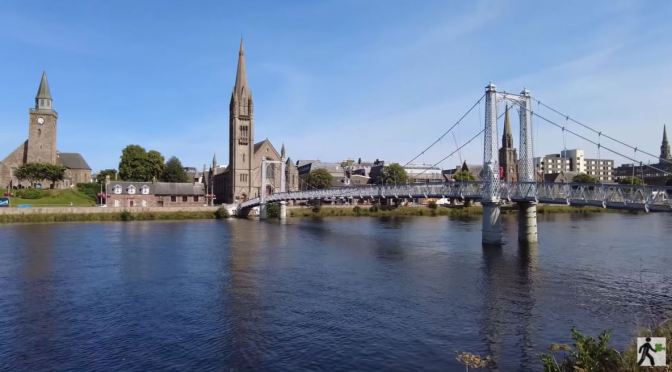
Walking Tour: Inverness – Northern Scotland (4K)

Inverness is a city on Scotland’s northeast coast, where the River Ness meets the Moray Firth. It’s the largest city and the cultural capital of the Scottish Highlands. Its Old Town features 19th-century Inverness Cathedral, the mostly 18th-century Old High Church and an indoor Victorian Market selling food, clothing and crafts. The contemporary Inverness Museum and Art Gallery traces local and Highland history.

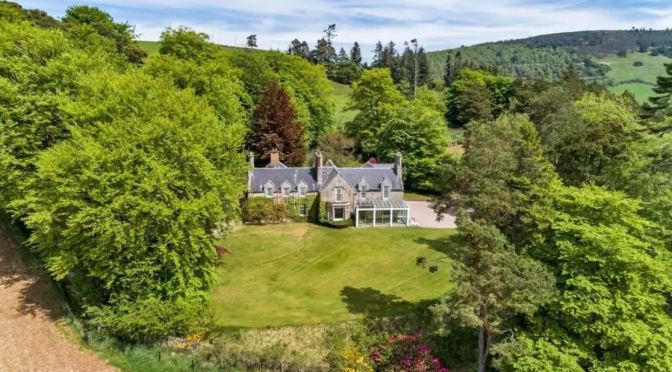
Scottish Country Houses: Ardhuncart In Alford

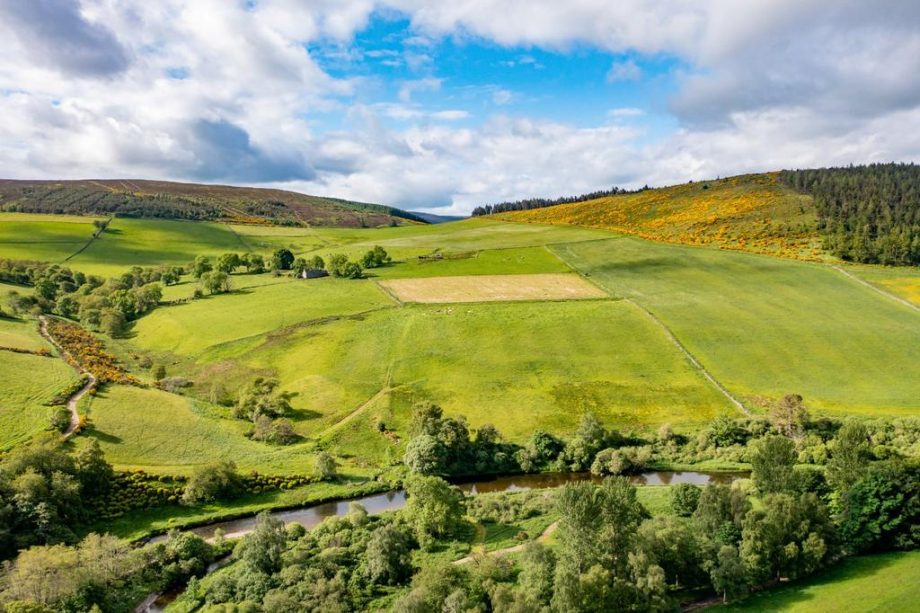
Ardhuncart Estate has been owned since 1952 by Col Harold Phillips, who bought the estate that straddles the River Don in the foothills of the Grampians as a summer retreat for his wife, Georgina (later Lady Kennard), and their five children.

For the Phillips family, Ardhuncart was a much-loved holiday home, where they fished for salmon and sea trout, shot grouse on the Ardhuncart moor, played tennis and hosted parties at Ardhuncart Lodge, a manageable, 5,400sq ft, nine-bedroom country house built in the Arts-and-Crafts style in 1901.

Read more

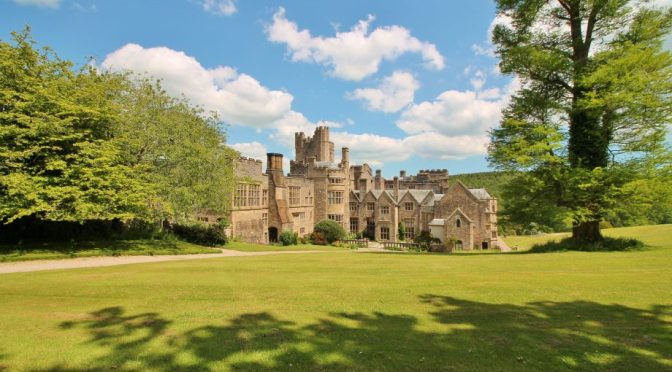
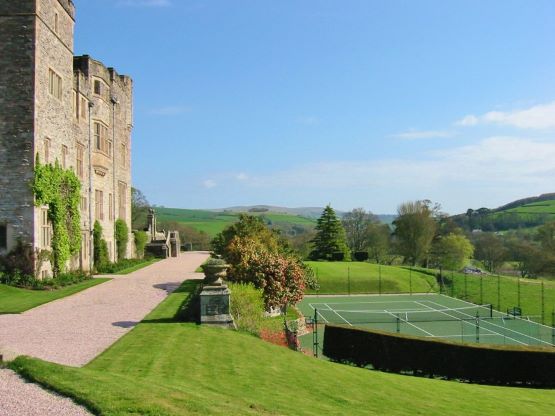
English Country Estates: Flete House In Holbeton

Twelve glorious acres of manicured grounds surround partly Elizabethan Flete House, former seat of the Mildmay family, which overlooks Ermington and Dartmoor, enjoying ‘probably the finest situation in Devonshire’ according to Cornish poet and historian Richard Polwhele (1797).

Lydia Stangroom, August 13, 2021

At Holbeton in the South Hams, not far from Georgian Modbury, it was used as a maternity hospital in the Second World War and has now been converted into 29 apartments, retaining the principal rooms (library, dining, drawing and billiard rooms and others) for communal use, exclusively for over 55s.

Read more

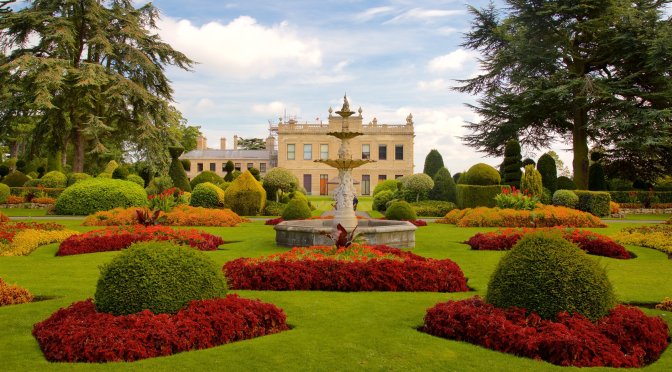
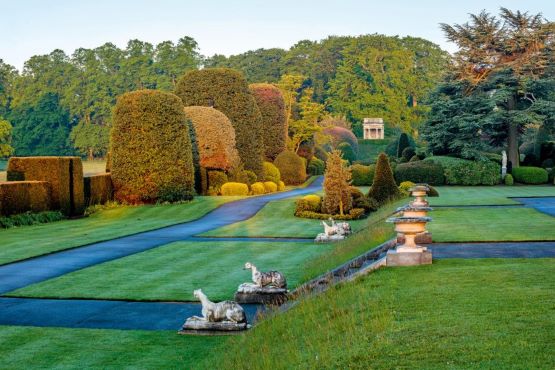
English Gardens: 19th-Century Brodsworth Hall In South Yorkshire

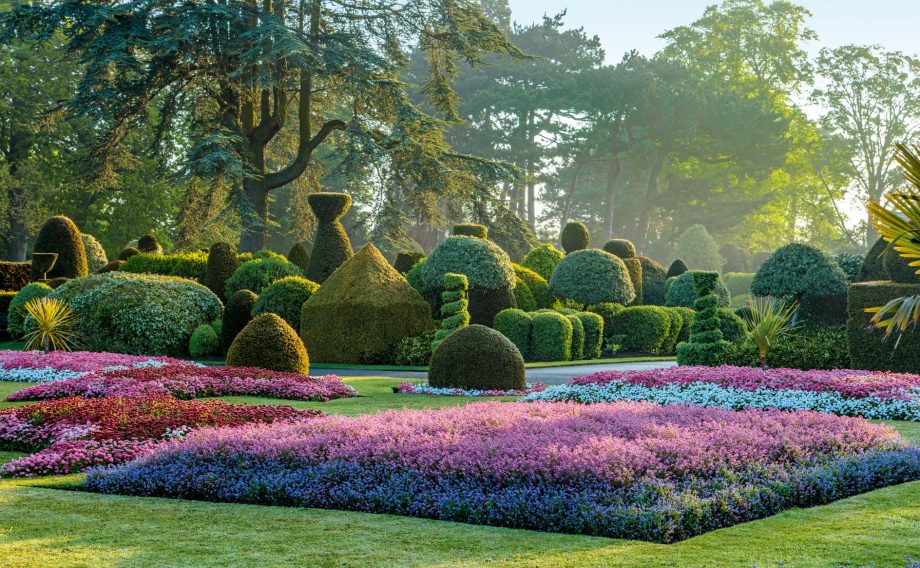
The mid-19th-century Gardens of Brodsworth Hall in South Yorkshire are striking. House and grounds are a perfect complement of Italianate green architecture and are linked by formal terraces with three staircases decorated by marble urns and recumbent — probably Italian — greyhounds acquired by the Italian sculptor Chevalier G. M. Casentini.

Tiffany Daneff, August 14, 2021

If this all feels rather unlikely in Yorkshire, that is because it reflects the taste of one man, Charles Sabine Augustus Thellusson, who came into an extraordinary inheritance in 1858 and devoted much of it to creating the hall and its gardens in his own personal style.

‘Today, he would be an oligarch,’ says Michael Klemperer, senior gardens advisor for the North and Midlands regions at English Heritage (EH), which now looks after house and gardens. ‘The money he received from the will was £700,000, which, with interest, equates to £140 million today.’ With the cash came the estate that had belonged to his great-grandfather Peter Thellusson, a Swiss financier, who had moved to London in 1760 and built up a fortune as a merchant and banker.

Charles Thellusson was an avid traveller, sailor and photographer. ‘He was a big, robust Victorian gentleman, a patrician walrus,’ notes Dr Klemperer, who sees Brodsworth as representing a transition between Continental styles and the Victorian era. ‘It is a garden that is interesting on a number of levels,’ he adds, citing influences as varied as Caspar David Friedrich (1774–1840) and Blackpool pier.

Read more

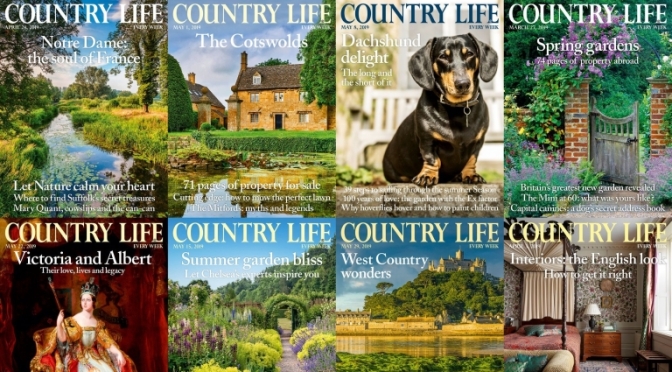
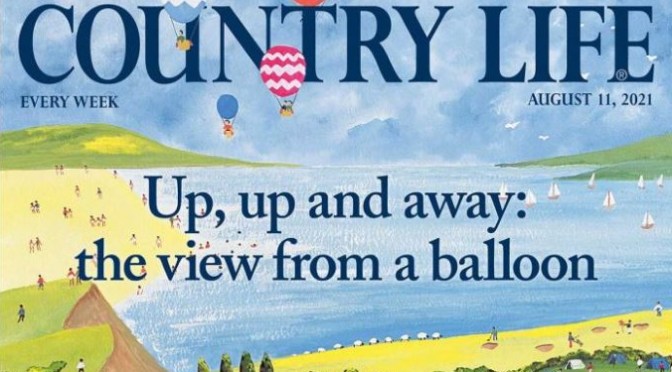
Previews: Country Life Magazine – August 11

SPA TOWNS: A mineral-laced spring could lead to a profitable resort for Georgian landowners. Clive Aslet dips into spa towns.

HOT AIR BALLOONS: Levi jeans, Van Gogh’s head and a dinosaur — they’ve all taken flight through Cameron Balloons in Somerset.

WALTER SCOTT: Despite inventing the historical novel, Walter Scott’s books are often left on the shelf. Why is that, asks Jack Watkins, on the writer’s 250th anniversary.

CARLA CARLISLE: Carla on dogs raging at the dying of the light.

GREEK ARCHITECTURE: Marking the 200th anniversary of the completion of St Pancras Church, Harry Mount considers the 19th-century enthusiasm for Greek architecture.

INTERIORS: Romantic sash windows have their fans and detractors.

LUXURY: Hetty Lintell is by the pool.

CHILLI: Tom Parker Bowles was drawn into the chilli’s fiery embrace from a young age.

ELTON HALL: Tilly Ware visits the transformed historic gardens of Elton Hall in Huntingdonshire, where much of the past is a mystery.

And much more…