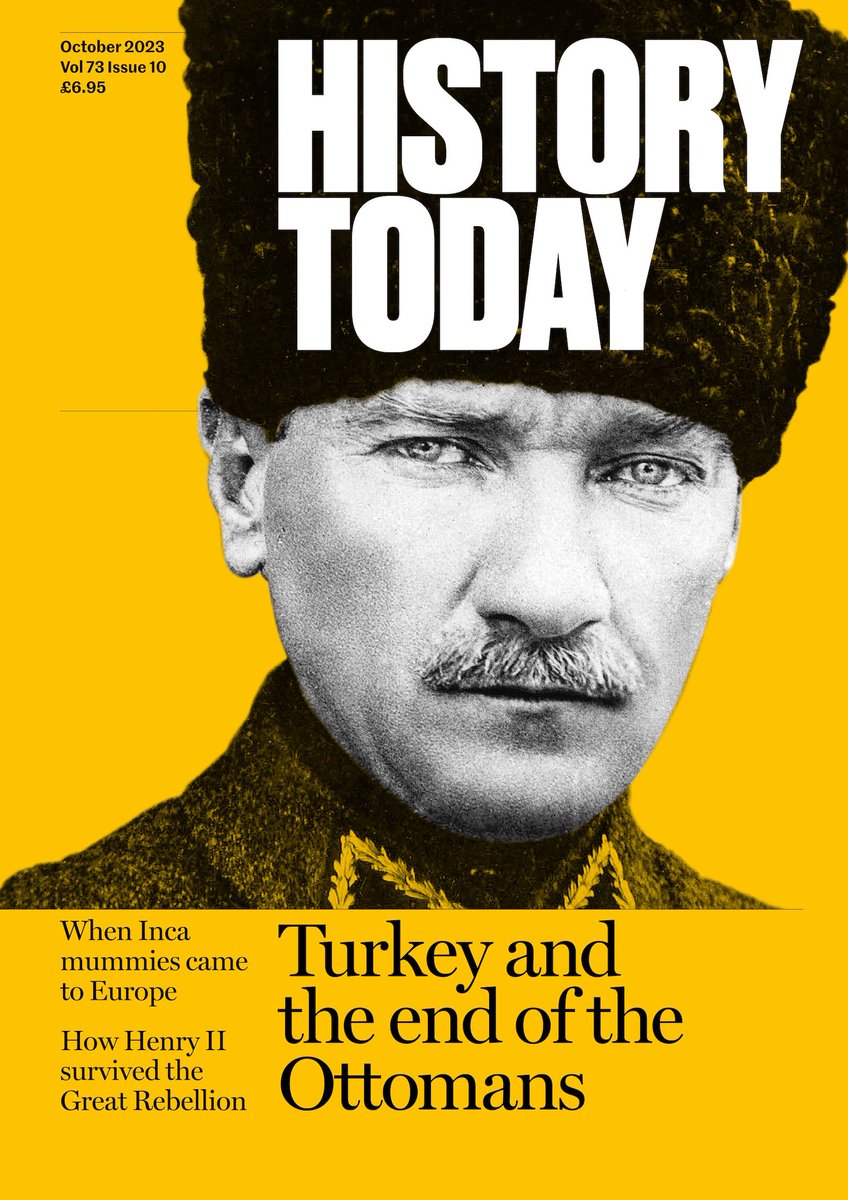
HISTORY TODAY MAGAZINE (OCTOBER 2023) – This issue features Turkey and the end of the Ottomans; When Inca mummies came to Europe; How Henry II survived the Great Rebellion, and more…
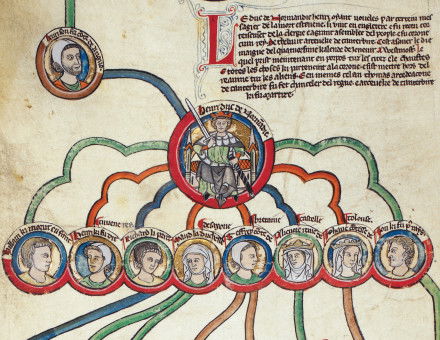
In 1173 the Angevin empire looked set to fall, facing rebellion on all sides. Against incredible odds Henry II won a decisive victory, silencing kings, lords – and his own children.
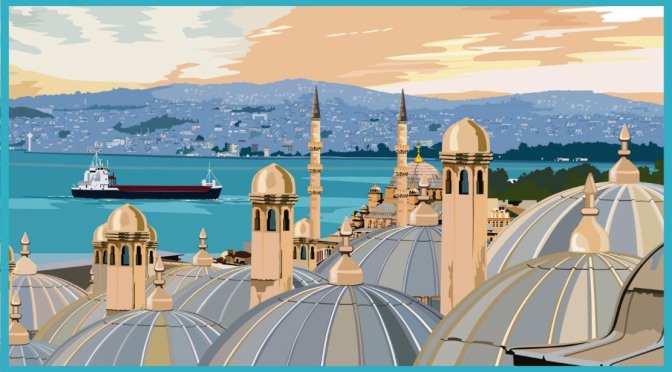
The Times and The Sunday Times (September 11, 2023) – No exaggeration, Turkey’s rambling former capital, unspooling either side of the broad Bosphorus strait, is up there among the friendliest places you could visit for a long Euro-style weekend. Hospitality is in the Turks’ DNA, whatever you might think about the politics. The weather will always deliver too: midwinter has a snowy, Soviet chill that is super atmospheric, while spring and late summer into autumn turn the city into a giant urban resort, with bars, cafés and pool-trimmed hotels lining the endless waterfronts on Asian and European banks.
Karabatak
What to do
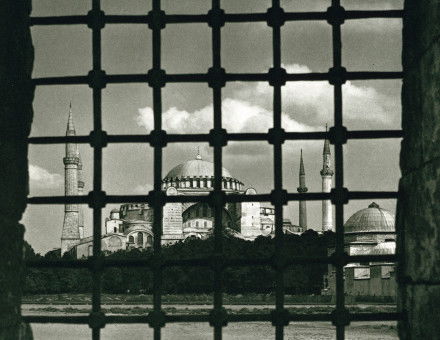
● What was founded as the Byzantine emperor Justinian’s 6th-century church has ballooned over aeons into the Hagia Sophia. Now a mosque, it’s a gargantuan spectacle. Enter and in the spiritual gloom a magnificence develops, daylight angling through windows in the galactic dome light years above. Remarkably there is even runic graffiti, carved by a mercenary from the Viking age (free; muze.gen.tr).
● Allocate a day to explore Topkapi Palace, home of the Ottoman sultans built in 1459 by Mehmet the Conqueror, who grabbed Constantinople from the fading Byzantines. Chamber after chamber reveals military regalia and priceless gifts from dynasties as far away as China. The Bosphorus views are magnificent and the emerald lawns are made for lounging on (£20, includes harem access; muze.gen.tr).
● The Ecumenical Patriarch, spiritual leader of Eastern Orthodox Christians worldwide, resides at the Patriarchate of Constantinople, a serene neoclassical complex in Fener district, above the waters of the Golden Horn creek. Join global pilgrims in the glittery cathedral aisles and witness, perhaps, the divine liturgy or, later, vespers — black-clad, scented and seductively mystic (free; ec-patr.org).
● We associate art nouveau with Paris and Budapest, but in the twilight years of the Ottomans it flourished in Istanbul. Casa Botter (originally Botter Apartmani), built on Istiklal Caddesi at the turn of the 20th century for a tailor to Sultan Abdul Hamid, was the city’s first example. After decades of neglect it’s now a must-visit art gallery and, façade-wise, a real kooky looker, chiselled and Viennese-ornate (free; Instagram @casabotter).
The Globalist Podcast, Thursday, July 20, 2023: MI6 invites dissident Russians to spy for Britain and Putin agrees not to attend the BRICS summit in Johannesburg.
Also in the programme: We discuss the anti-government protests in Peru and look ahead to the Women’s World Cup in Australia and New Zealand.
The Globalist Podcast, Wednesday, July 19, 2023: A US national is detained in North Korea and Washington deploys submarines near Busan, South Korea. Hazel Smith of Soas University of London explains the situation.
Plus: Saudi Arabia signs a major arms deal with Turkey and Germany recommends an unusual solution for extreme heat.
The Globalist Podcast, Wednesday, July 12, 2023: Monocle’s team in Vilnius tells us why Volodymyr Zelensky is critical of NATO.
Plus, the Finnish government’s racism scandal, the latest business news and how the Portuguese government is encouraging young people to pick up more books.
The Globalist Podcast, Friday, July 7, 2023: Monocle’s Istanbul correspondent, Hannah Lucinda Smith, on Ukraine president Volodymyr Zelensky’s visit to Turkey.
Also, the significance of the G7 justice ministers meeting in Tokyo, updates on Wagner leader Yevgeniy Prigozhin and Russia, plus a look at the UAE’s self-driving cars.
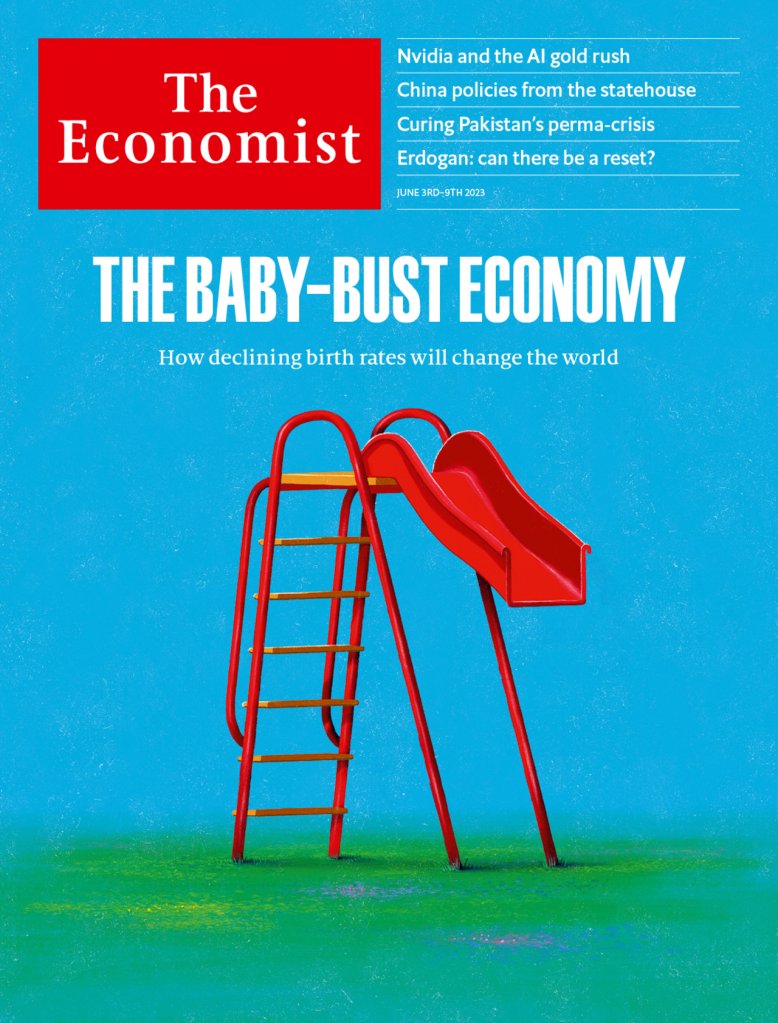
What might change the world’s dire demographic trajectory?
In the roughly 250 years since the Industrial Revolution the world’s population, like its wealth, has exploded. Before the end of this century, however, the number of people on the planet could shrink for the first time since the Black Death. The root cause is not a surge in deaths, but a slump in births. Across much of the world the fertility rate, the average number of births per woman, is collapsing. Although the trend may be familiar, its extent and its consequences are not. Even as artificial intelligence (ai) leads to surging optimism in some quarters, the baby bust hangs over the future of the world economy.
It certainly wasn’t fair. Nor was it entirely free. But, like it or not, the victory on May 28th of Recep Tayyip Erdogan in Turkey’s presidential election is a fact. For the next five years Turkey, Europe and the wider world will have to deal with a prickly and authoritarian populist. That is bad news on many fronts: economically, democratically and regionally. And yet pragmatists have a duty to search for chinks of light in the gloom.
That compounds the problems of shrinking workforces and rising bills for health care and pensions
“Adam is a special child,” says the voice-over, as the camera pans across abandoned classrooms and deserted maternity wards. “He’s the last child born in Italy.” The short film made for Plasmon, an Italian brand of baby food owned by Kraft-Heinz, a giant American firm, is set in 2050. It imagines an Italy where babies are a thing of the past. It is exaggerating for effect, of course, but not by as much as you might imagine. The number of births in Italy peaked at 1m in 1964; by 2050, the un projects, it will have shrunk by almost two-thirds, to 346,000.
News, Views and Reviews For The Intellectually Curious










 Boomers Daily