Tag Archives: Trees

Cinematic Views: ‘Dance Of Shadows In Japan’ (Video)

During a three month journey travelling and working on organic farms in Japan, filmmaker Steve Atkins often found himself distracted by the beauty around him. As sunlight filtered through the trees that towered over him, their silhouette gracing the surface beneath or ahead him, he felt repeatedly drawn and connected with the Natural world — an effect of Komorebi performing itself on the peripheries.

There is a magical quality to the animate expression of Nature; a mutual puppet-show hosted between trees, light and wind. “When I paused long enough to take it all in, to share in a humble celebration of Nature’s playfulness, I was gifted with a potent ease,” Atkins shares…

Continue reading: https://www.nowness.asia/story/komore…
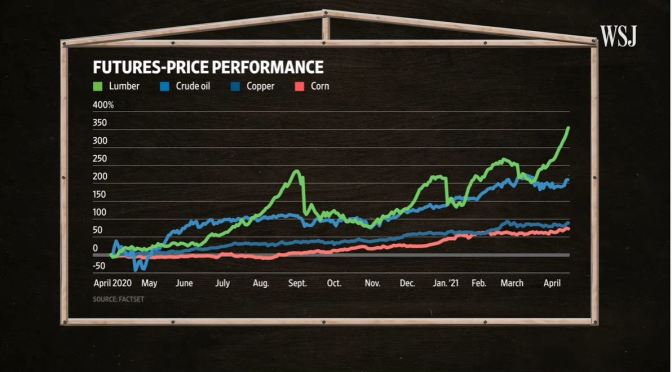
Analysis: Why Lumber Prices Have Boomed (WSJ)

Demand for lumber has skyrocketed during the pandemic, sending prices to all-time highs. This video explains what’s driving the lumber boom, who’s profiting, and why those growing the trees aren’t reaping the benefits. Illustration: Liz Ornitz/WSJ

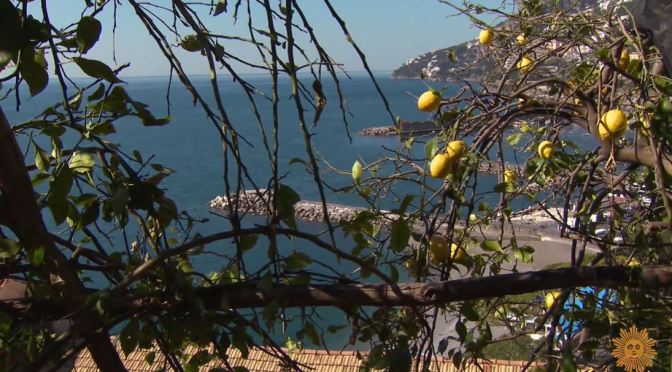
Culinary Landscapes: Growing Lemons On The Amalfi Coast, Italy (Video)

For centuries, lemons have been grown on Italy’s Amalfi Coast, where they thrived on the mountainous terrain and became a key ingredient in the culinary landscape. Correspondent Seth Doane visits the Aceto family, which has been farming lemons for seven generations, and learns about the challenges and rewards of growing the sensorially-delightful fruit.

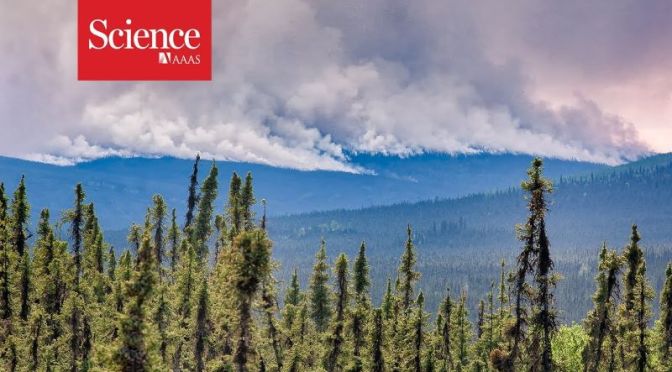
Wildfires: New Forests In Alaska Have Increased Carbon Sequestration

It’s no secret that warming temperatures are transforming landscapes in extreme northern regions. In Alaska, where wildfires have burned through many old-growth spruce forests in the past half decade, deciduous trees—such as aspen and birch—are starting to take over. But little is known about the impact these changes will have on how much carbon the forests release and store.

To find out, researchers trudged through the Alaskan taiga, seeking out wildfire sites where spruce once dominated. They mined these sites for information on carbon and nitrogen stores and forest turnover over time. What they found surprised them: In the long run, their estimates suggest that intensifying heat and more wildfires may lead to more carbon sequestration in Alaskan forests, they report today in Science. It’s impossible to know for sure that the flames will subside, but it’s a bit of good news as the fires burn out the old growth and bring in the new.

Read the research: https://scim.ag/3soUc4e

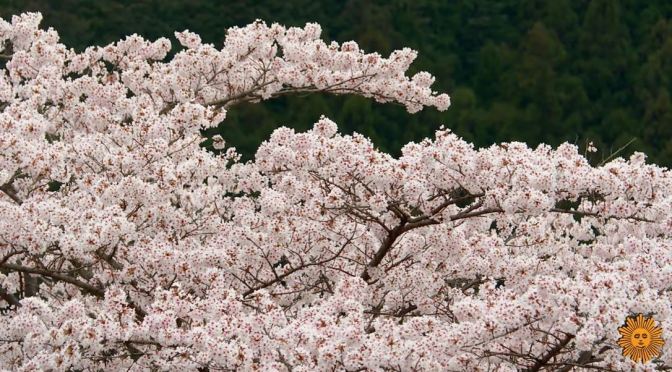
Views: ‘Cherry Blossom Mountain Park’ – Japan

“Sunday Morning” takes us this spring Sunday to a setting known in English as “Cherry Blossom Mountain Park” outside Tokyo, home to some 10,000 cherry trees. Videographer: Jiro Akiba.

The aptly named Sakurayama Park, which translates to Cherry Blossom Mountain Park, has around 10,000 cherry trees. The park has around 7,000 Fuyuzakura cherry trees, which bloom in the winter and the spring, as well as around 3,000 Yoshino cherry trees which bloom in the spring. During the blooming periods, the park is lit up at night, giving it a surreal, fluffy appearance. Tea ceremony events are held in the daytime during peak viewing seasons.

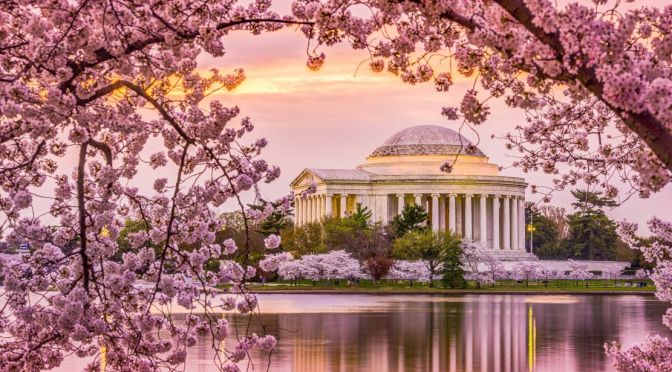
Spring City Views: Cherry Blossom Season (Sakura) Begins In Tokyo (Video)

Date taken: February 27, 2021.

The Japanese cherry blossom, or sakura, has long been adored by people across the globe. It is regarded as a symbol of renewal, vitality, and beauty. During the spring season of each year, thousands travel to Japan to view the wondrous spectacle of these white or pink flowers blooming en masse.

Video timeline: 0:00​ TOKYO SKYTREE https://bit.ly/3sAQ2Xs1:32​ Sakura-Jingu shrine https://bit.ly/2ZVmec1 2:34​ Nihonbashi https://bit.ly/3bOz4OC5:58​ Ueno park https://bit.ly/3kuthBM7:41​ Kanda jinbocho https://bit.ly/3aXUABo

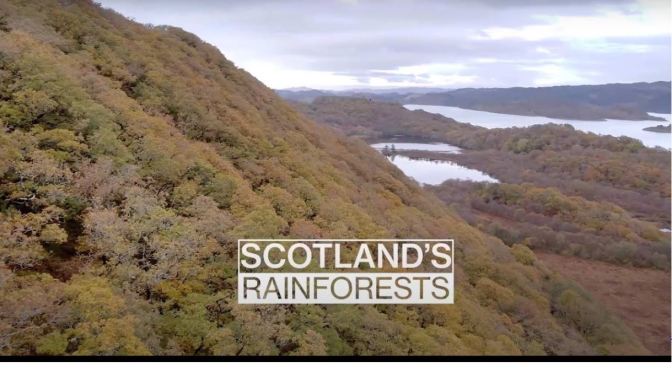
Ecosystems: ‘Scotland’s Rainforest’ (HD Video)

Scotland’s rainforest is one of our most precious habitats. It is as important as tropical rainforest, but even rarer. Yet few people know it exists and fewer still know how globally significant it is. This film was created by the Alliance for Scotland’s Rainforest to inform and inspire better protection for Scotland’s rainforest.

Scotland’s rainforest is made up of the native woodlands found on Scotland’s west coast where consistent levels of rainfall and relatively mild, year-round temperatures provide just the right conditions for some of the world’s rarest mosses, liverworts and lichens.

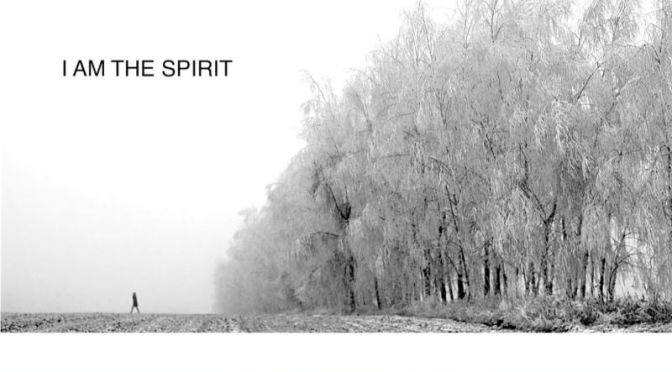
Poetic Nature Films: ‘I Am The Spirit’ – Poland (Video)

“I Am The Spirit” is a Cinematic Poem Short Film Directed by Krystian Artur Bielatowicz.

Filmed, Edited and Directed by: Krystian Artur Bielatowicz

The film “I am the spirit” is the second part of the “I am” trilogy.
Film by Krystian Artur Bielatowicz / Light Keeper.
lightkeeper.pl

“I am”, part I:

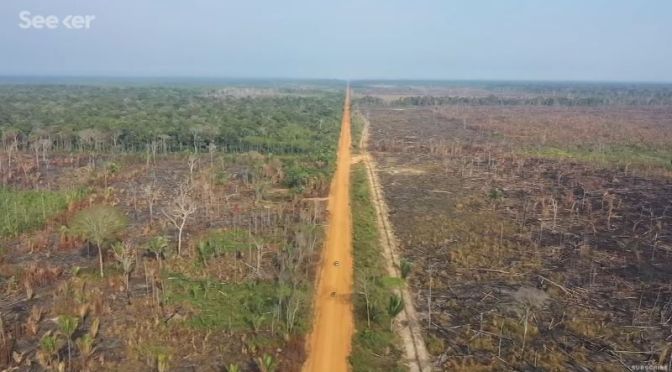
Deforestation: ‘Amazon Rainforest’ – Becoming A Savannah In 15 Yrs? (Video)

New research suggests that if the current rate of deforestation continues, the Amazon rainforest could transform into a savannah within 15 years. Do we have time to stop it?

The Amazon basin spans over 6 million square kilometers, and is home to one-fifth of the world’s land species. In addition, it supports the 30 million people who live and depend on the land as a source of food, medicine, and shelter. That’s not even including the key role it plays in regulating the regional AND global climate.

Trees absorb water through their roots and transport it to their leaves, where it’s released as vapor through small pores in a process called transpiration. As the water vapor rises and condenses, it forms rain clouds over the forest canopy. Basically, the rainforest is making its own weather. For example, one large tree can release 1,000 liters of water into the atmosphere in a single day.

The rainforest recycles this water up to six times before it moves out of the region, but as more trees are cut down, those that remain may not be able to recycle enough water to survive. Less trees means more sunlight will hit the forest floor, exposing the forest to higher temperatures. Since deforestation began accelerating in the 1970’s, 800,000 square kilometers of the Amazon have been lost. And over that same period, the average temperature of the basin has risen by 1 degree Celsius.