

Featured cars have won many of the world’s most iconic races, including Le Mans, the Indianapolis 500, and the Italian Grand Prix, and were loaned to the Museum by internationally recognized collectors from Arizona and across the United States. Legends of Speed offers an unparalleled opportunity for Museum guests to experience and learn about some of the most successful and famous racecars of all time.
Legends of Speed is the first major exhibition of racing cars presented at Phoenix Art Museum. Opening in fall 2019 and featuring more than 20 legendary cars by Maserati, Mercedes, Alfa Romeo, Ford, and more, the landmark exhibition showcases an unprecedented collection of cars driven by some of the greatest drivers in the history of racing, including A.J. Foyt, Dan Gurney, and Stirling Moss.
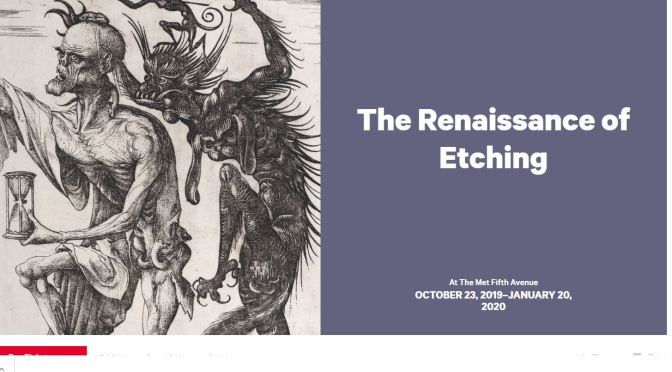
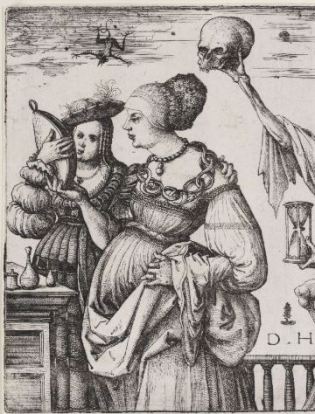 This exhibition traces the first sixty years of the etched print (circa 1490 to circa 1560), from its emergence in the workshop of the German printmaker and armor decorator Daniel Hopfer to the years when a range of artists from Germany, Flanders, Italy, and France began experimenting with etching. Approximately 125 etchings, produced by both renowned and lesser-known artists, are displayed alongside a number of drawings, printing plates, illustrated books, and armor.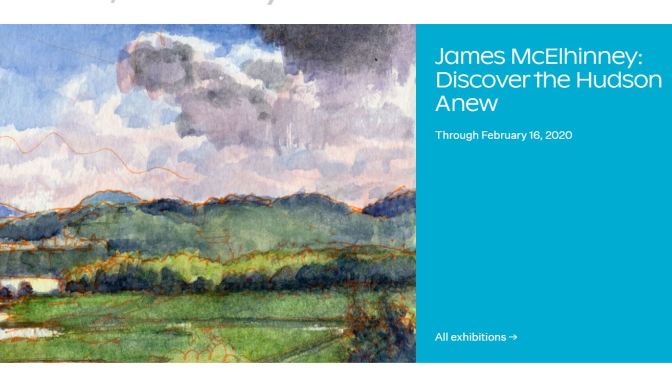
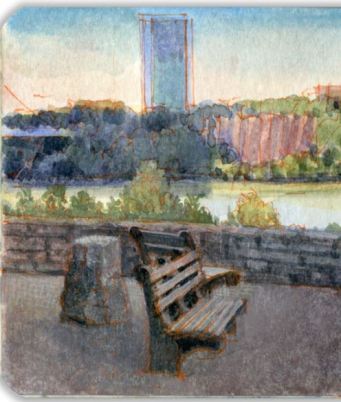 James McElhinney: Discover the Hudson Anew presents the painter’s sketch books and prints related to the River in a comprehensive showing for the first time. A video program, animating turning pages, will allow visitors to see additional sketchbook paintings. McElhinney says he wants his art to demonstrate “that constructive dialogue between humanity and nature is alive and well, while underscoring how art provides durable and dynamic modes of engagement.”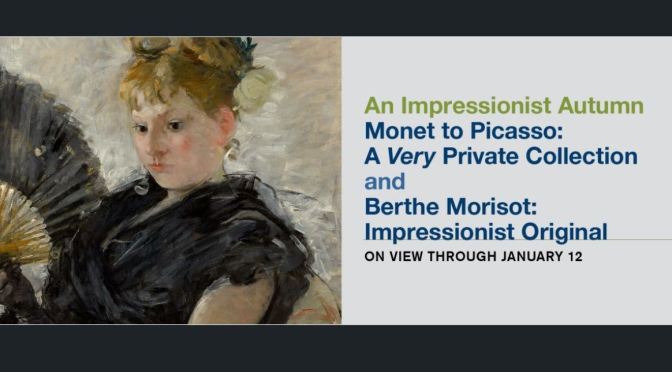
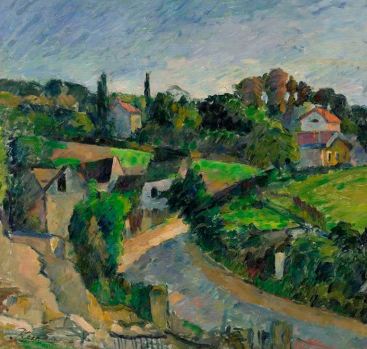 While all of the works on exhibit hold special interest, Aurisch identifies several gems. For example, Van Gogh fans will enjoy his spectacular perspectival rooftop view from the window of his room in The Hague in 1882. Maurice de Vlaminc’s 1906 Dancer at the “Rat Mort” (La danseuse du “Rat Mort”) is a delight with his Fauve treatment of the figure; through color and gestural line, it’s as though we are witnessing a shift into the 20th century. And Henri Matisse’s 1943 still life titled Lemons against a Fleur-de-lis Background (Citrons sur fond rose fleurdelisé) vibrates with lively pink patterned wallpaper and a stacked brick platform, charged with Japonisme energy.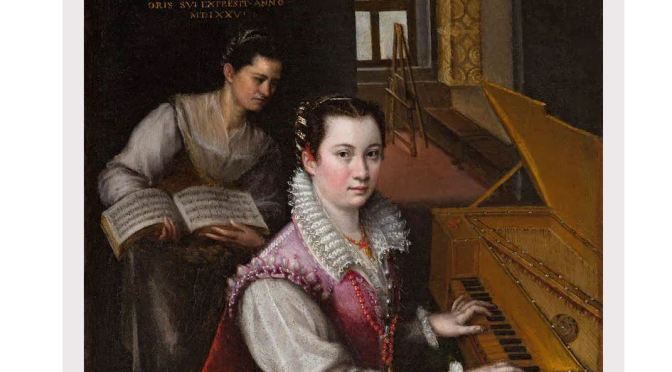
 Born in Bologna in 1552, Lavinia Fontana is often considered to be the first professional woman painter; she was the first to be accepted into the Accademia di San Luca in Rome, and supported her family throughout her life by gaining prestigious commissions for portraits in the city. This self-portrait has been interpreted as a wedding painting; it was completed in the year of Fontana’s marriage to Giovan Paolo Zappi, a fellow artist who became her agent and manager.
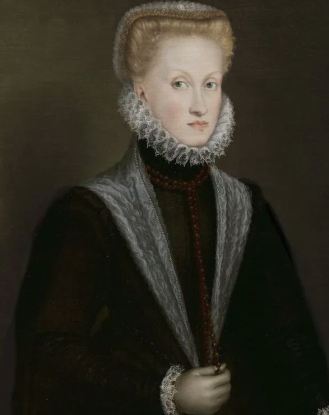
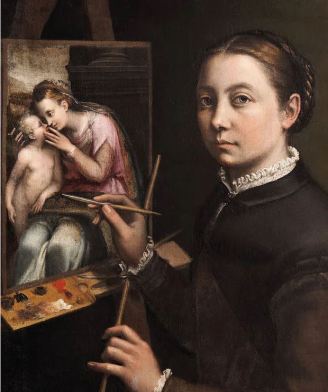 Sofonisba Anguissola was born into an aristocratic family from Cremona in around 1532; she travelled to Rome as a young woman, where her talent was recognised by Michelangelo, and in 1559 became lady-in-waiting to Elisabeth de Valois, Queen of Spain (and a keen amateur painter). She became a court painter to Philip II, and remained at court for some 15 years – at least until her marriage to a Sicilian nobleman after Elisabeth’s death in 1568, for which Philip II provided the dowry. Here she portrays Anna of Austria, who became Queen of Spain after Philip remarried in 1570.
 Part of the Prado’s bicentenary celebrations, this exhibition looks at two of the most significant women artists of the Renaissance. Though born into very different social classes, both Lavinia Fontana and Sofonisba Anguissola rose to heights of prestige that had not previously been scaled by women painters – Fontana at the Vatican, and Anguissola at the Spanish court.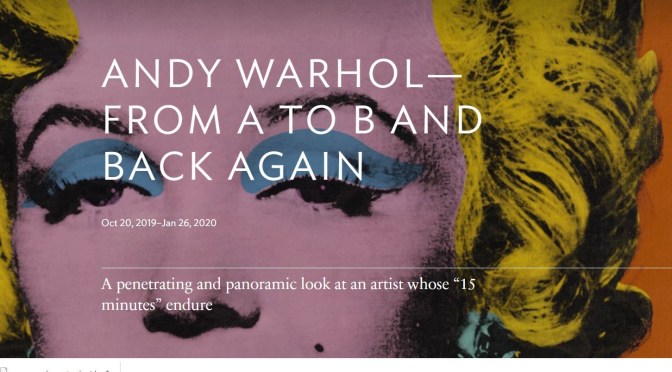
 Warhol, with obvious self-deprecation, described his philosophy as spanning from A to B. As this exhibition decidedly proves, his thinking and artistic production ranged well beyond that, but his true genius lies in his ability to identify cultural patterns and to use repetition, distortion, and recycled images in a way that challenges our faith in images and questions the meaning of our cultural icons.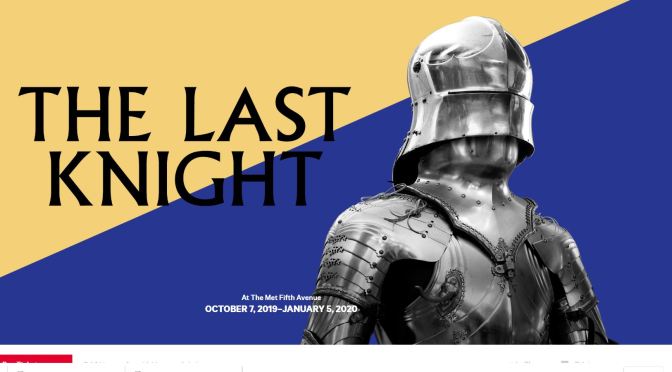
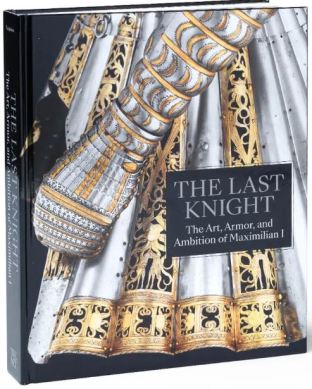 The Last Knight: The Art, Armor, and Ambition of Maximilian I examines the profound significance of European armor at the dawn of the Renaissance, through the lens of Emperor Maximilian I’s (1459–1519) remarkable life. On view only at The Met, The Last Knight coincides with the five-hundredth anniversary of Maximilian’s death, and is the most ambitious North American loan exhibition of European arms and armor in decades. Including 180 objects selected from some thirty public and private collections in Europe, the Middle East, and the United States, The Last Knight will explore how Maximilian’s unparalleled passion for the trappings and ideals of knighthood served his boundless worldly ambitions, imaginative stratagems, and resolute efforts to forge a lasting personal and family legacy.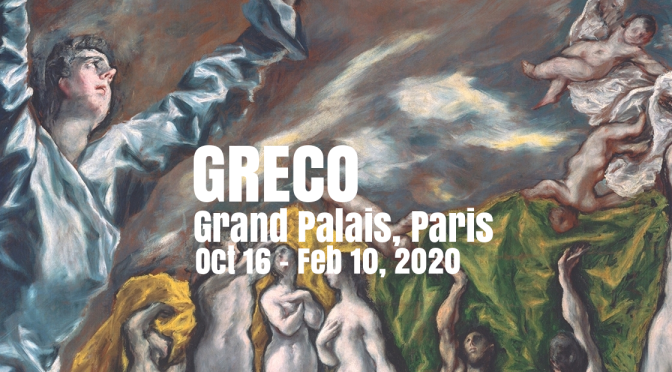
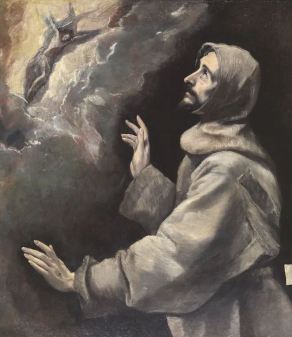 Rediscovered in the late 19th century, celebrated by authors, acknowledged and embraced by the 20th century avant-garde, the artist has enjoyed the dual prestige of tradition and modernity, linking Titian to the Fauvists and Mannerism to Cubism, Expressionism, Vorticism and Abstraction up to the Action painting.
 Édouard Manet was a provocateur and a dandy, the Impressionist generation’s great painter of modern Paris. This first-ever exhibition to explore the last years of Manet’s short life and career reveals a fresh and surprisingly intimate aspect of this celebrated artist’s work. Stylish portraits,
  luscious still lifes, delicate pastels and watercolors, and vivid café and garden scenes convey Manet’s elegant social world and reveal his growing fascination with fashion, flowers, and his view of the parisienne—a feminine embodiment of modern life in all its particular, fleeting beauty.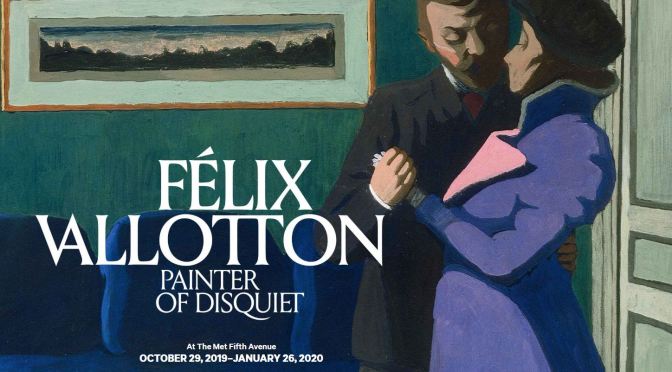
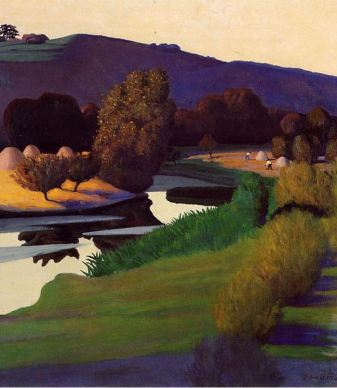 Witness to the radical aesthetics that gripped Paris in the late nineteenth and early twentieth centuries, Vallotton developed his own singular voice. Today we recognize him as a distinctive artist of his generation. His lampooning wit, subversive satire, and wry humor is apparent everywhere in his artistic production. Vallotton’s trenchant woodcuts of the 1890s solidified his reputation as a printmaker of the first rank while boldly messaging his left-wing politics.
 dozen lenders. Swiss-born and Paris-educated, Vallotton (1865–1925) created lasting imagery of fin-de-siècle Paris.
 Boomers Daily