New Scientist (December 5, 2023) – Stonehenge was built between 3000 and 2000 BC and is one of the world’s most famous prehistoric monuments. Each year, the site attracts thousands of visitors during the summer and winter solstices.
Whether used for ceremonial, astronomical or spiritual events, Stonehenge remains a subject of intrigue. Now, using the latest scientific technologies such as radiocarbon dating and 3D laser scanning, archaeologists are understanding how this colossal stone circle was built and what its purpose was, as well as gaining new insight into how our Stone Age human ancestors lived.
New studies even suggest some of the stones could align with the moon during rare lunar events.
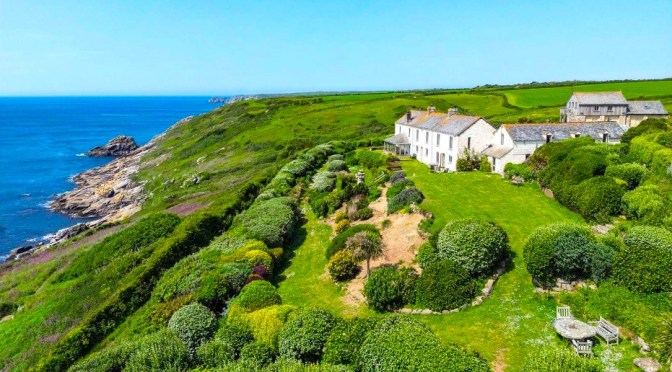
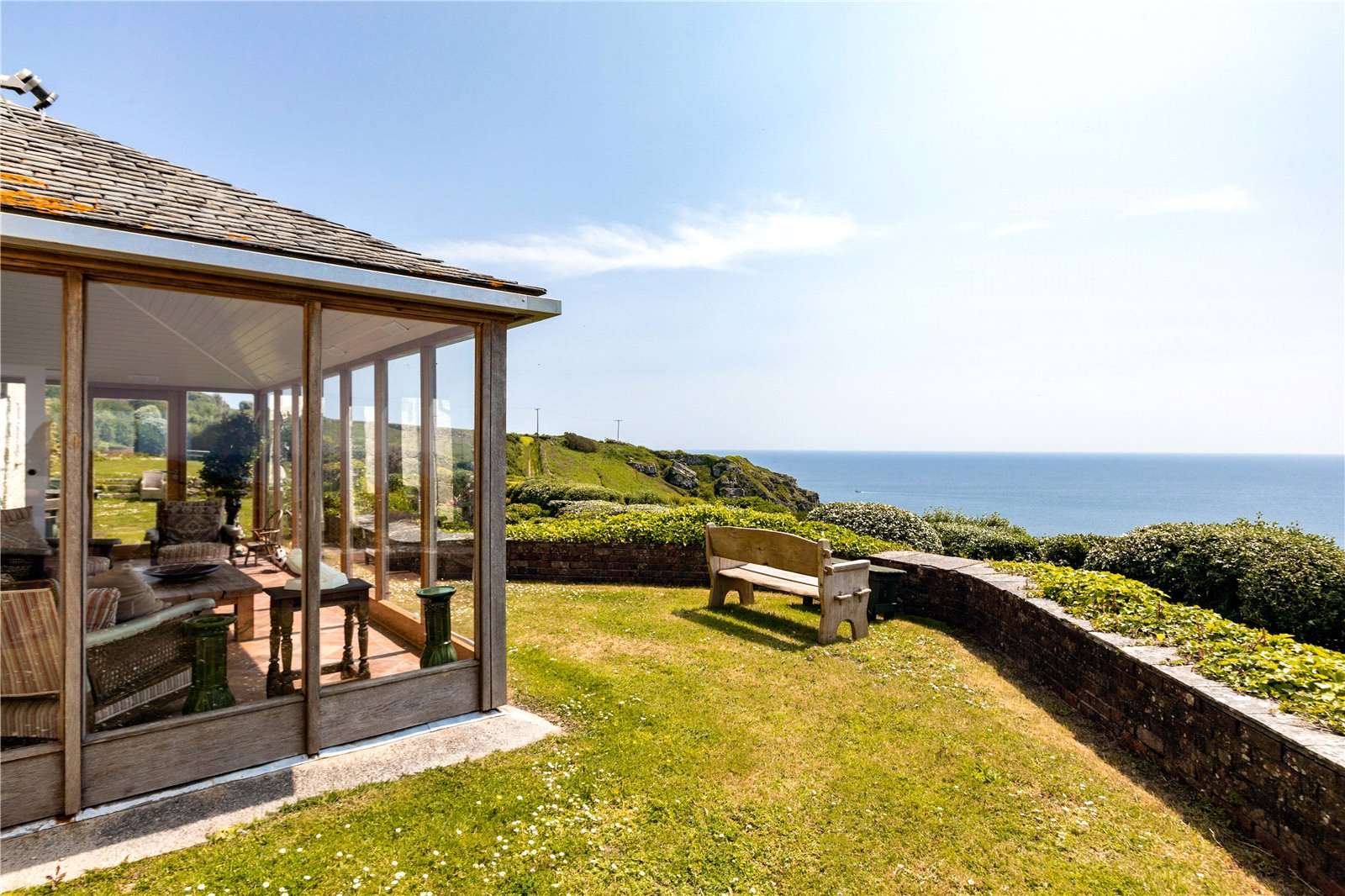
Country Life Magazine (September 15, 2023) – The writer John le Carré‘s impossibly romantic house has come to the market, set in a position as dramatic as anything to be seen in fiction.
In the late 1960s, the author John le Carré (born David Cornwell, but forbidden from writing under his own name when employed by MI5 and MI6) was staying with an old friend, the Cornish artist John Miller. Miller lived in a house in West Penwith in Cornwall’s far west, on a sparsely populated peninsula ringed by high cliffs and surrounded on three sides by the Atlantic Ocean.
One day, when walking along the cliffs at Tregiffian, near the village of St Buryan, le Carré passed three derelict fisherman’s cottages and a barn overlooking the coast between St Loy and Lamorna. He fell in love with the place.
Armed with the proceeds of The Spy Who Came in From The Cold (1963), the second of his bestselling espionage novels set against the backdrop of the Cold War, le Carré tracked down the owner of the property, a local farmer, and bought the cottages, together with 27 acres of land, including a mile of coastline, much of which he later donated to the National Trust.
Over the years, le Carré and his wife, Jane, restored and adapted the cottages and outbuildings into the comfortable, but unpretentious coastal retreat that was to be their family home for more than 40 years, until his death, from pneumonia, in December 2020. Jane died from cancer two months later, in February 2021.
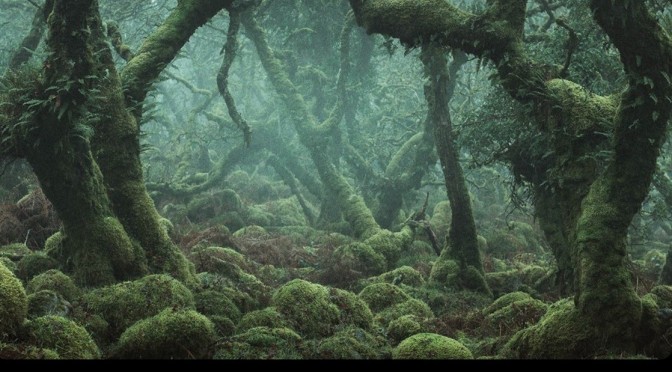
Aeon Video (May 2, 2023) – With a deep view of time, a regenerative forester extracts resources to cultivate growth in an ancient English rainforest.
Living and working in the woodlands of the Teign valley in Devon, England, the regenerative forester John Williamson has cultivated a deep connection to and unique understanding of this rare patch of English rainforest. This includes knowing that a healthy ecosystem means an eclectic variety of landscapes rather than perfect tree cover; that no parcel of land in Great Britain has gone untouched by humans; and that, while storms can mean devastation for people, for woodlands they’re simply another phase in an ancient cycle.
In this short documentary, Williamson explains how, through viewing these woodlands in terms of the deep past, present and future, he’s developed a sustainable method of extracting wood and creating charcoal that actually encourages biodiversity.
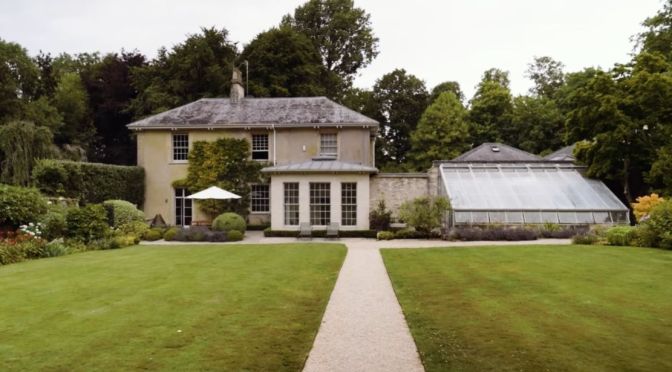
We take a trip to Somerset, where Tim and Emily Swift, who sold their place in Highbury, north London, via The Modern House in 2018, have found their “perfect home” in a Georgian country house they’ve given a modern makeover.
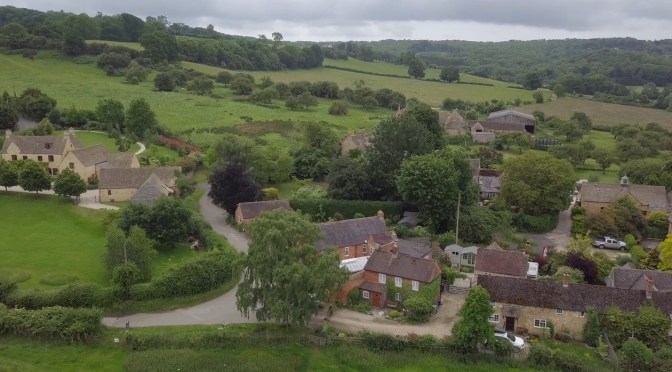
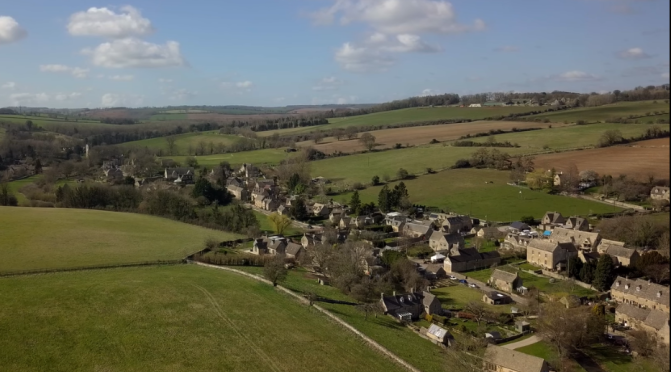
Nestled near Shipston on Stour and just north of Moreton in Marsh, Todenham is a lovely hidden gem, worth visiting in the Cotswolds.
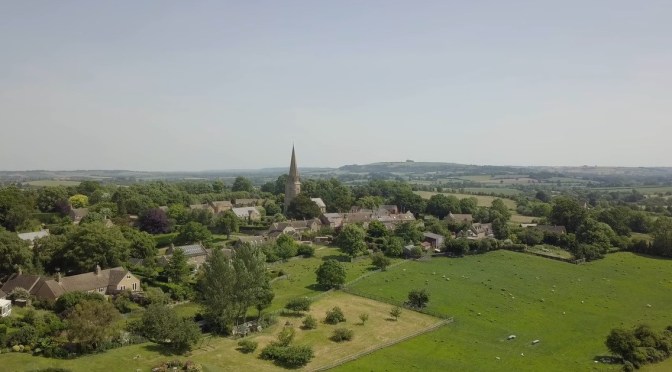
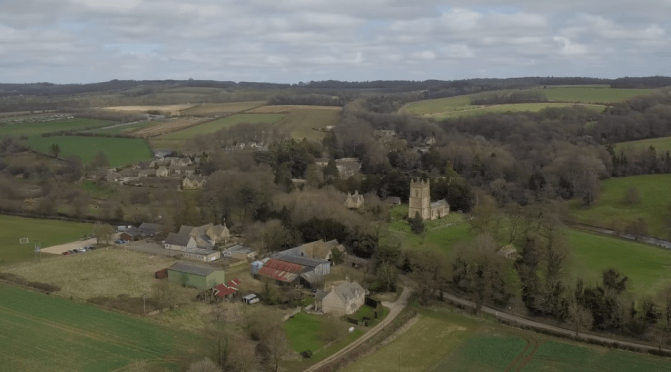
Todenham is a village and civil parish in the Cotswold district of Gloucestershire, England. The village is significant for its Grade I listed 14th-century parish church.
Weston Sub Edge is nestled just off the western escarpment of the Cotswolds, just a couple of miles away from Broadway. It features a lovely church and a wonderful pub, the Seagrave Arms.
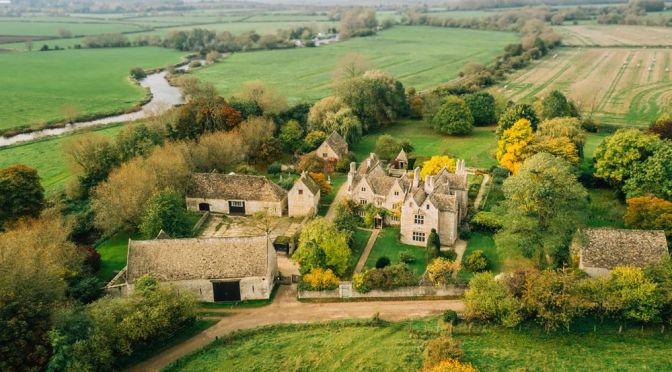
The architecture of Kelmscott Manor is woven into William Morris’s 1890 novel, News from Nowhere, in which a journey exploring utopian ideals in a post-industrial world leads, after much wandering, to a ‘many-gabled old house built by the simple country-folk of the long-past times’. There is no ‘extravagant love of ornament’ here, only a feeling that ‘the house itself and its associations was the ornament of the country life amidst which it had been left stranded from old times’. It is a poignant vision that underlines both a respect for the past and an ideal of a new society based on mutual interest and support.
Today, this old stone-built farm house is best known as the Morrises’ country home, from 1871. First leased as a retreat from busy London life, it became a vital point of reference for Morris, as artist, designer and poet; it was his ‘Heaven on Earth’, and a source of profound emotional and artistic inspiration.
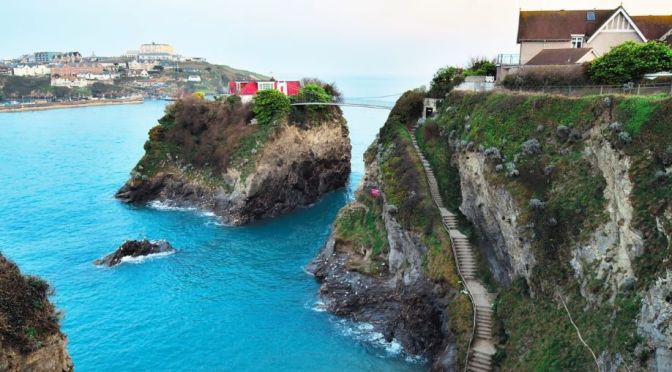
Cornwall is a county on England’s rugged southwestern tip. It forms a peninsula encompassing wild moorland and hundreds of sandy beaches, culminating at the promontory Land’s End. The south coast, dubbed the Cornish Riviera, is home to picturesque harbour villages such as Fowey and Falmouth. The north coast is lined with towering cliffs and seaside resorts like Newquay, known for surfing.
Not far from Stow-on-the-Wold, the village of Naunton sits in a small valley along the river Windrush. Our travelling companion Herbert Evans didn’t have much to say for the place, but we still certainly found it to be a peaceful spot.
Naunton is a village in Gloucestershire, England. It lies on the River Windrush in the Cotswolds, an area of outstanding natural beauty. Stow-on-the-Wold is about 6 miles to the east.
Temple Guiting is a few miles away from Guiting Power, and has a wonderfully grand church with historical connections to the Knights Templar. The Knights Templar were a Holy Order that many associate with the Crusades. The village is another spectacular hidden gem, a classic English village.
News, Views and Reviews For The Intellectually Curious








 Boomers Daily