

This week’s TLS, featuring John Banville on @fotoole’s history of Ireland since 1958; @ScurrRuth on Napoleon and art; @lindseyhilsum on climate change and jihadism; @hunterdukes on the nightingale – and more pic.twitter.com/0xzs1UWjvq
— George Berridge (@George_Berridge) December 15, 2021
Tag Archives: Reviews
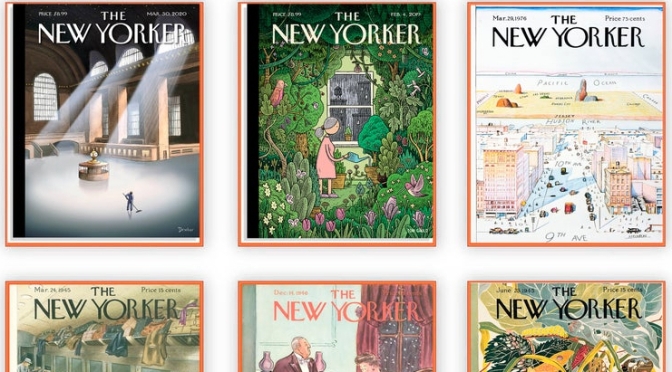
Previews: The New Yorker Magazine – December 20
Politics: What America Will Fight For, British PM Grounded, China Olympics
A selection of three essential articles read aloud from the latest issue of The Economist. This week: what would America fight for? Also, why two years after a famous election victory, Boris Johnson’s would-be radical administration has run into the ground (09:20). And we explore how Beijing’s Winter Olympics may hasten China’s break with the West (17:10).
Science: Fiber Optic Cables Detecting Seismic Activity, The Oil & Water Interface
Geoscientists are turning to fiber optic cables as a means of measuring seismic activity. But rather than connecting them to instruments, the cables are the instruments. Joel Goldberg talks with Staff Writer Paul Voosen about tapping fiber optic cables for science.
Also this week, host Sarah Crespi talks with Sylvie Roke, a physicist and chemist at the Swiss Federal Institute of Technology, Lausanne, and director of its Laboratory for fundamental BioPhotonics, about the place where oil meets water. Despite the importance of the interaction between the hydrophobic and the hydrophilic to biology, and to life, we don’t know much about what happens at the interface of these substances.
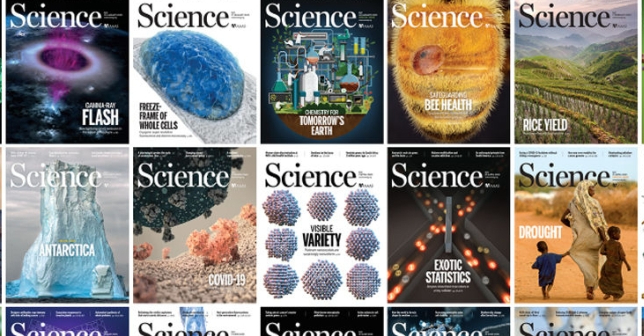
Front Covers: Science Magazine – December 10
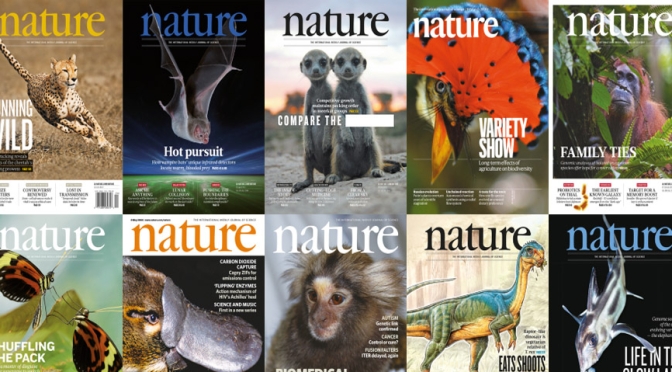
Front Covers: Nature Magazine – December 9
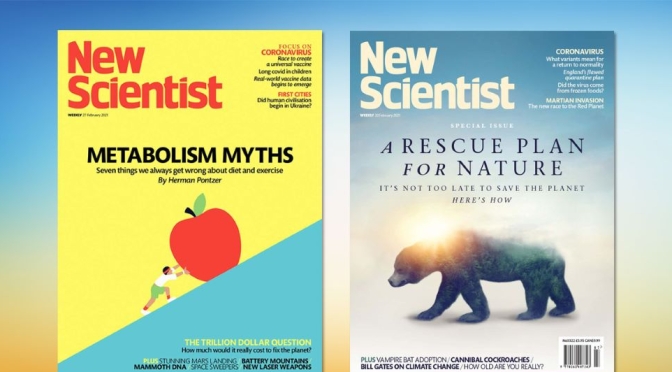
Previews: New Scientist Magazine – December 11
Previews: Times Literary Supplement – December 10
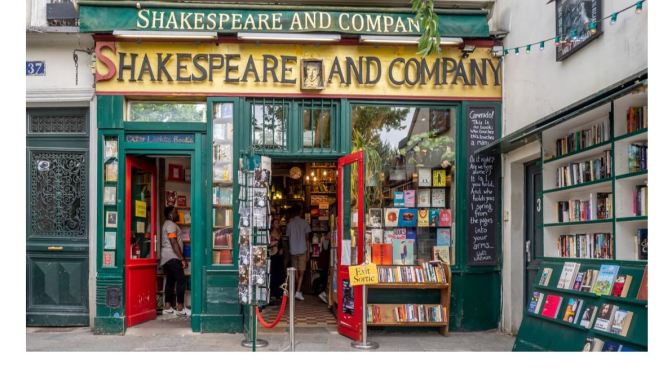
Shakespeare & Company: ‘Matrix’ Author Lauren Groff Interview (Podcast)
Lauren Groff is the author of six books of fiction, the most recent the novel MATRIX (September 2021). Her work has won The Story Prize, the ABA Indies’ Choice Award, and France’s Grand Prix de l’Héroïne, was a three time finalist for the National Book Award for Fiction and twice for the Kirkus Prize, and was shortlisted for the National Book Critics Circle Prize, the Southern Book Prize, and the Los Angeles Times Prize.
She has received fellowships from the Guggenheim Foundation and the Radcliffe Institute for Advanced Study, and was named one of Granta’s Best of Young American Novelists. Her work has been translated into over thirty languages. She lives in Gainesville, Florida.
 Boomers Daily