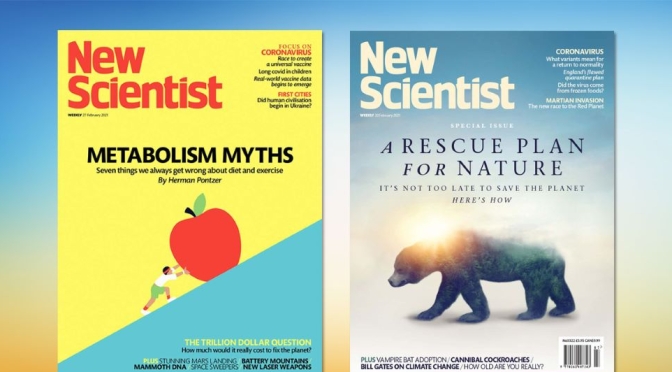
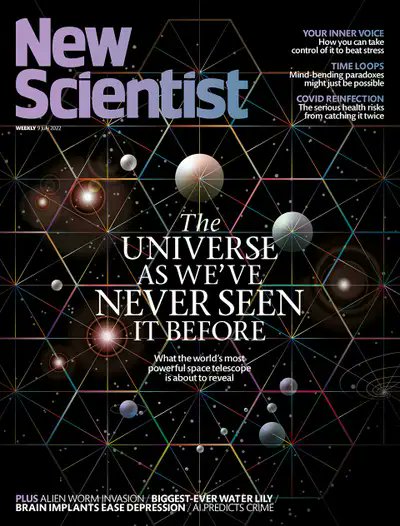
In this week’s issue: What does it mean to be happy and how can you get better at it?
— New Scientist (@newscientist) January 20, 2022
Plus, how and when will the pandemic end, and is it possible to live free of toxic chemicals?
Available at newsstands and via our app for digital and audio editions.https://t.co/BR9CIpxqEz pic.twitter.com/mQfqCKk4wR
Tag Archives: Reviews
Science: Random Genome Mutations, Ancient Peru’s Hallucinogenic Beer
Challenging the dogma of gene evolution, and how chiral nanoparticles could give vaccines a boost.
In this episode:
00:45 Genome mutations may be less random than previously thought
A long-standing doctrine in evolution is that mutations can arise anywhere in a genome with equal probability. However, new research is challenging this idea of randomness, showing that mutations in the genome of the plant Arabidosis thaliana appear to happen less frequently in important regions of the genome.
Research article: Munroe et al.
News and Views: Important genomic regions mutate less often than do other regions
13:45 Research Highlights
How hallucinogenic beer helped cement an ancient superpower’s control, and a surprisingly enormous colony of breeding fish.
Research Highlight: Drug-fuelled parties helped ancient Andean rulers to hold power
Research Highlight: Vast fish breeding colony is more than twice the size of Paris
16:11 How a left-handed nanoparticle could give vaccines a boost
The chirality of a molecule – whether it has a left- or right-handed orientation – can have significant impacts on how it works. This week, a team show that left-handed gold nanoparticles can stimulate the immune system of mice, and boost the activity of a flu vaccine.
Research article: Xu et al.
News and Views: Nanoparticle asymmetry shapes an immune response
23:04 Briefing Chat
We discuss some highlights from the Nature Briefing. This time, Tasmanian devils’ discerning diets break the rules on scavenging, and new techniques uncovering the sex of ancient human remains may rewrite our assumptions.
Cosmos: Tasmanian devils puzzle science with picky eating habits
The Observer: Archaeology’s sexual revolution
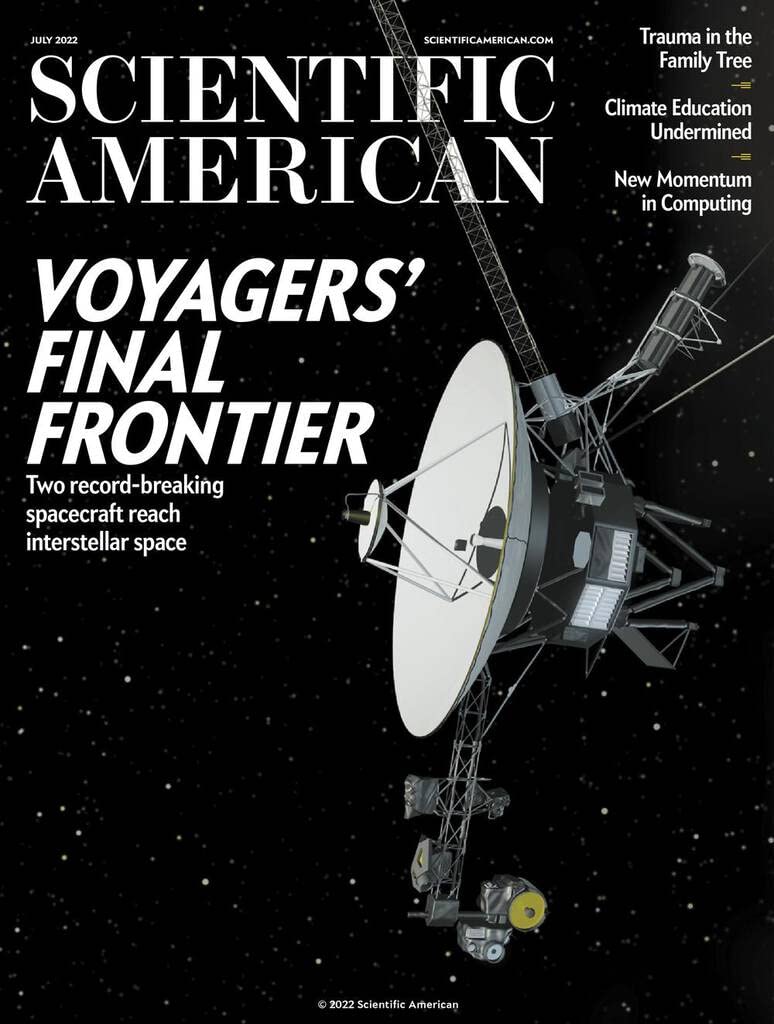
Cover Preview: Scientific American – February 2022
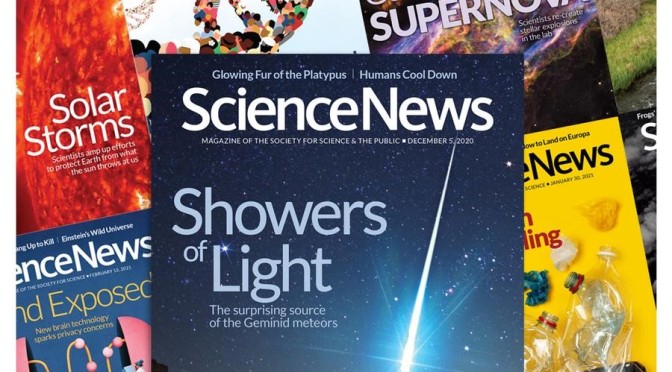
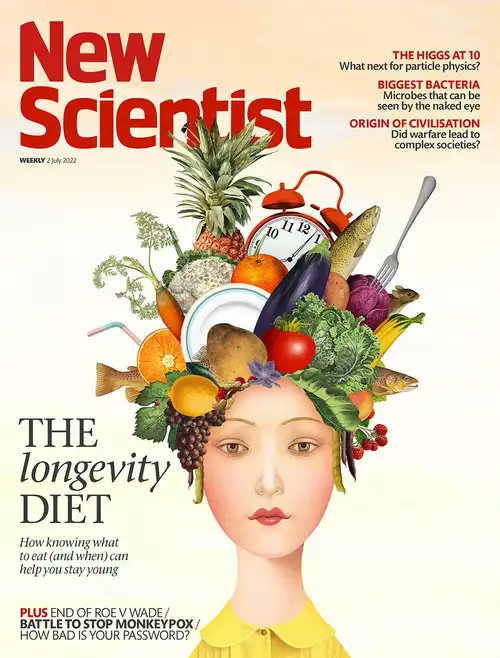
Previews: New Scientist Magazine – January 15
New Books: ‘Literature For A Changing Planet’ By Martin Puchner (2022)
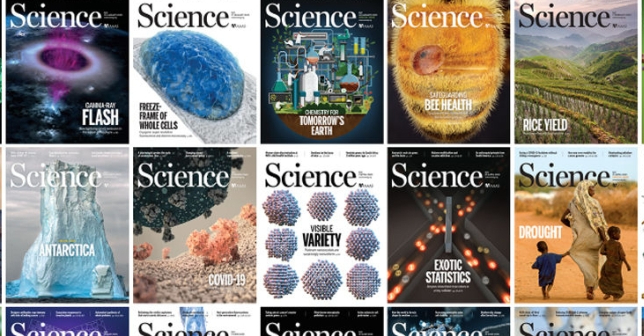
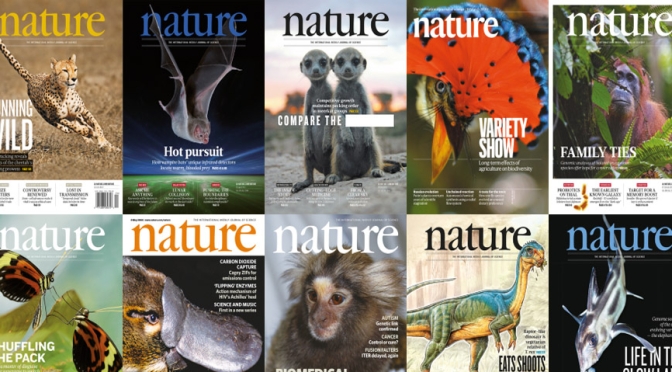
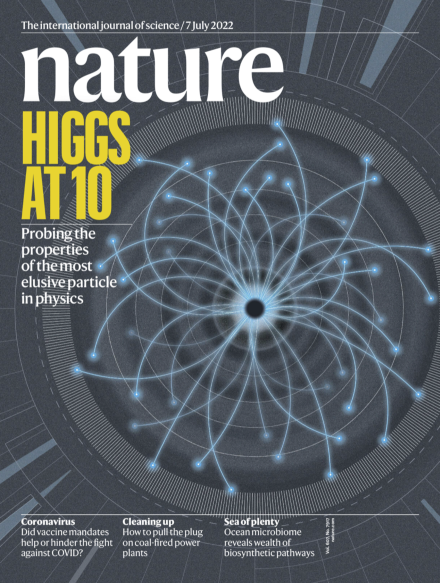
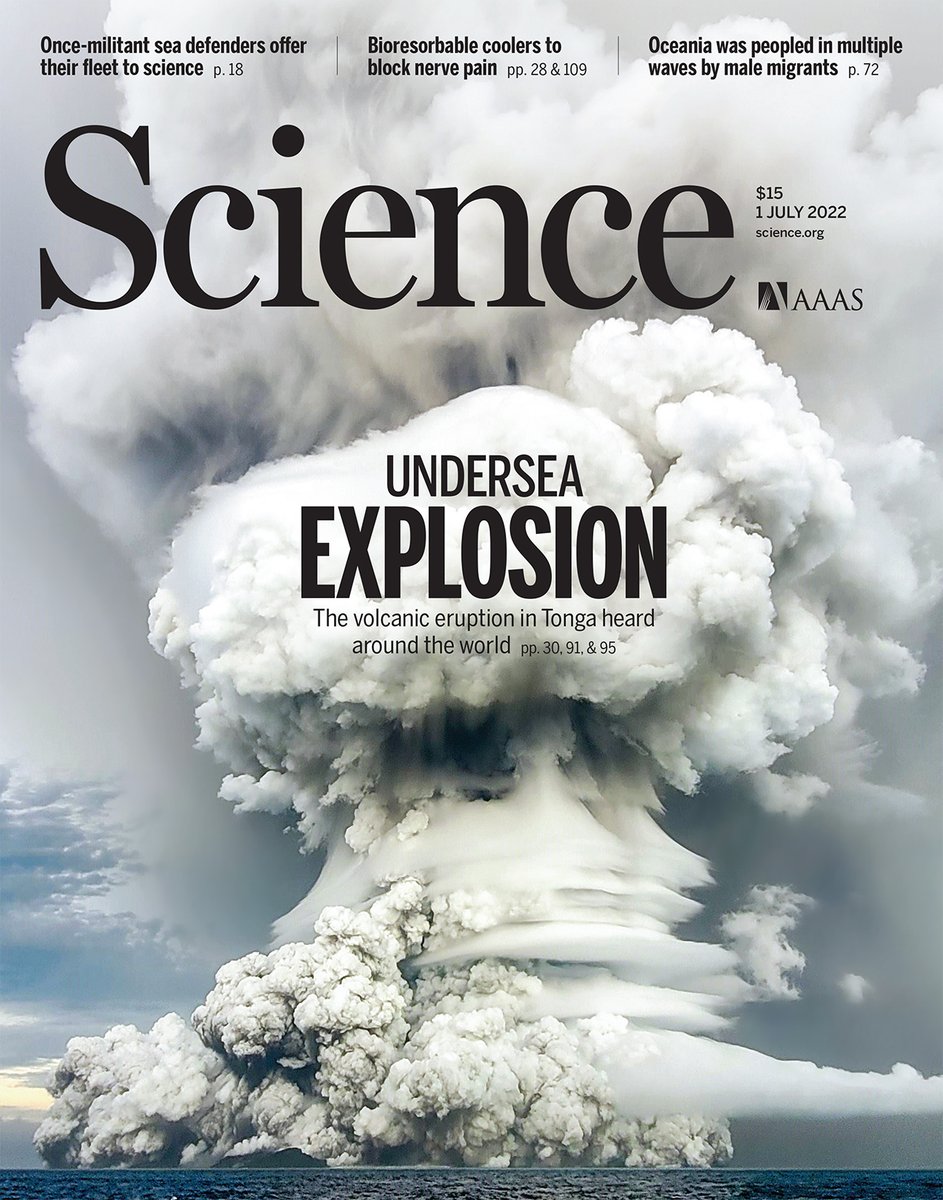
Front Covers: Nature Magazine – January 13
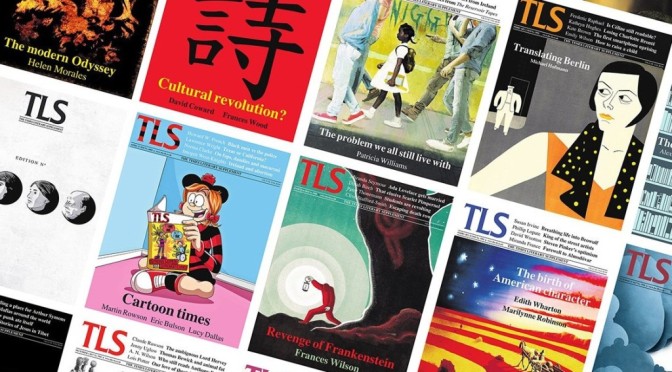
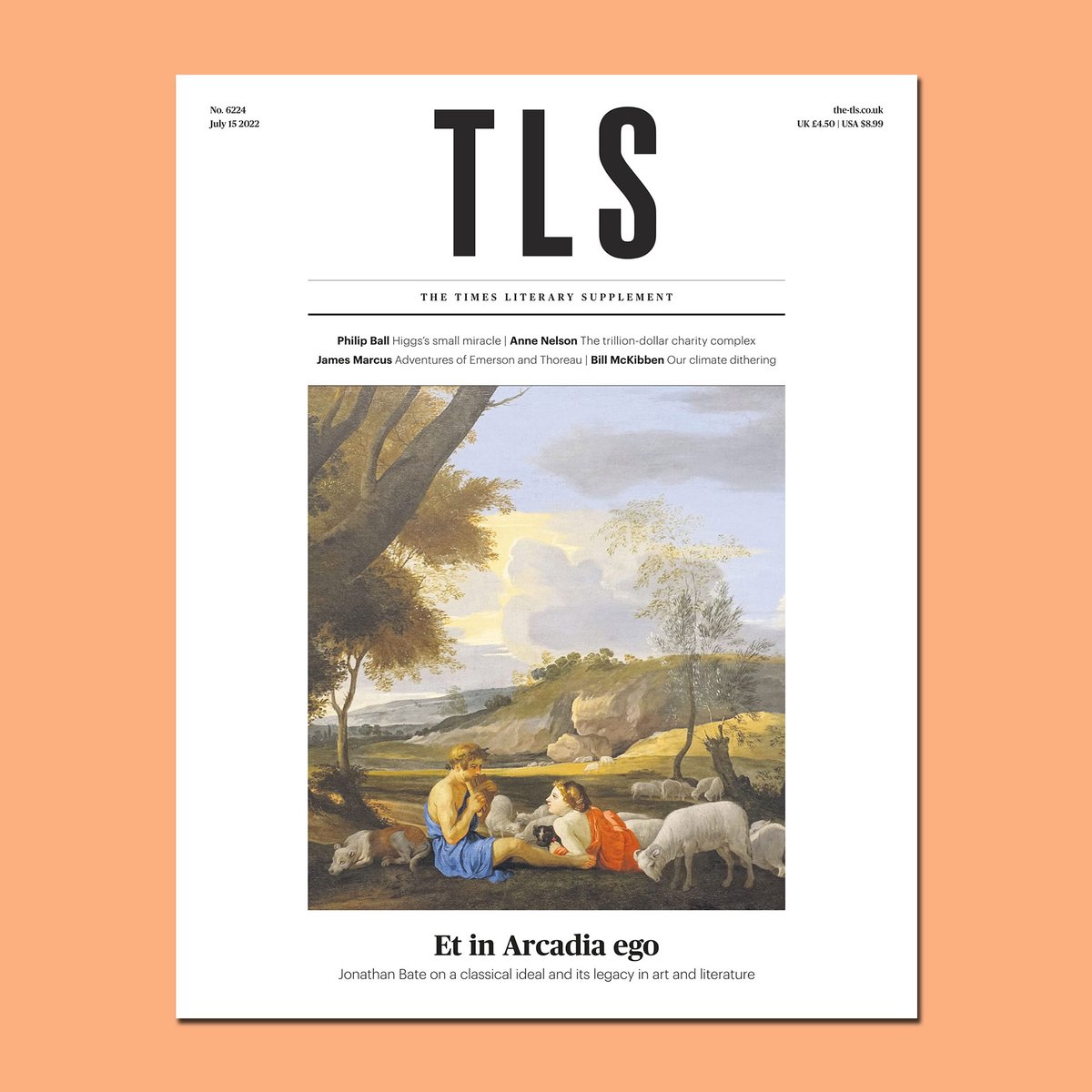
Preview: Times Literary Supplement – January 14
Previews: New Scientist Magazine – January 8
Reviews: ‘Greek Myths’ By Gustav Schwab (Taschen)
This collection of 47 tales from Gustav Schwab’s seminal anthology of Greek myths stages the illustrious exploits of Heracles, Jason, Odysseus, and a host of heroes.

Through the masterful drawings of Clifford Harper and artworks from the leading figures of the Golden Age of Illustration, including Walter Crane, Arthur Rackham, and Virginia Frances Sterrett, the world of Greek mythology is reimagined into life.
The Greek myths are timeless classics, whose scenes and figures have captivated us since ancient times. The gods and heroes of these legends hold up a mirror to the human condition, embodying universal characteristics and truths – whether it be the courage of Perseus, the greed of Midas, the vaulting ambition of Icarus, the vengeance of Medea, or the hubris of Niobe. These traits are the basis for immortal dramas and rich narratives, as profound as they are entertaining, which form the bedrock of our culture and literature today and remain relevant and fascinating for all readers, young and old alike.
Gustav Schwab (1792–1850) was a German author, teacher, and professor. From 1828, Schwab worked at Johann Friedrich Cotta’s eponymous publishing house in Stuttgart, where he was a patron and mentor of young authors. After issuing a collection of his own poetry, he composed the seminal Sagen des klassischen Altertums (Gods and Heroes: Myths and Epics of Ancient Greece, 1838–1840), an indispensable standard work of Greek mythology that has popularized its tales in Germany and across the globe.