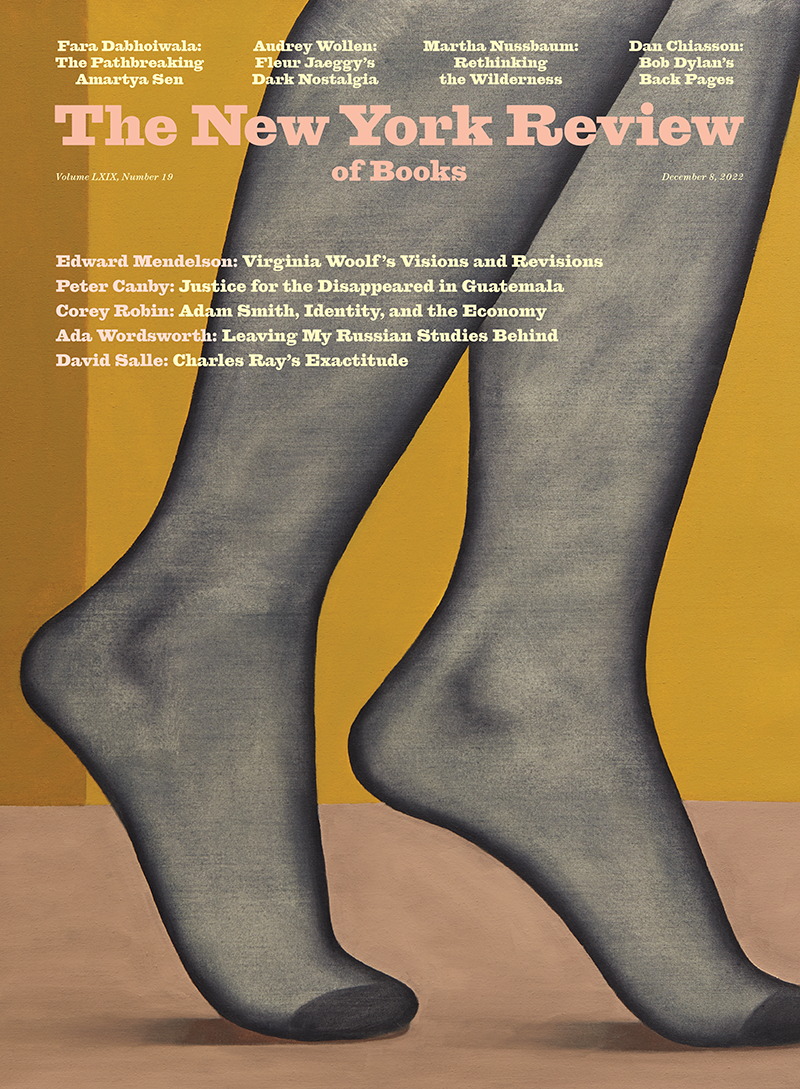
Like most hauntings, Fleur Jaeggy’s books are often quite baroque, but they cast a strange spell that causes everyone to remember them as nothing but austere.
Sweet Days of Discipline by Fleur Jaeggy, translated from the Italian by Tim Parks
The Water Statues by Fleur Jaeggy, translated from the Italian by Gini Alhadeff
I Am the Brother of XX by Fleur Jaeggy, translated from the Italian by Gini Alhadeff
Dezeen – In the first instalment of Dezeen’s new Concrete Icons series produced in collaboration with Holcim, MAD Architects founder Ma Yansong explains how his firm’s sinuous concrete library in Haikou, China encourages visitors to use their imagination.
Yansong is the first participant in Concrete Icons, a new video series profiling the most iconic contemporary concrete buildings by the world’s leading architects. The video focusses on MAD’s Cloudscape of Haikou, a library with a flowing form cast in white concrete located in a waterside park in Haikou on the island of Hainan.
Completed in 2021, the 1,000-square-metre structure houses a library, cafe, restrooms, showers, a nursery room, and bike storage, and acts as a waystation for visitors to the park. Speaking to Dezeen in an exclusive video interview filmed at MAD’s offices in Beining, Yansong explained how the building is designed to put visitors in a contemplative or imaginative state of mind.
MAD Architects, led by Ma Yansong, has announced the opening of the Cloudscape of Haikou is located on the southern tip of China. A unique urban public and cultural space for citizens and visitors to Haikou, this flowing, sculptural concrete form was named as one of the “most anticipated architecture projects of 2021” by The Times of London.
A prominent port city on the southern tip of China, Haikou was once an important stop on the Maritime Silk Road. With the establishment of the Hainan International Tourism Island and Hainan Free Trade Zone, Haikou’s influence has seen a gradual resurgence in modern times. Meanwhile, Haikou’s government is also enriching the city’s cultural importance, through enhancing the social attributes of the city’s public spaces, and strengthening the connection between the city, humanities, and architecture. The Cloudscape of Haikou is one such culmination of this effort.
The Cloudscape of Haikou is the first of sixteen coastal pavilions commissioned by the Haikou Tourism and Culture Investment Holding Group to rejuvenate the historic port city, with the aim of improving public space along the coastline. Known as “Haikou, Pavilions by the Seaside,” the initiative invited teams of internationally recognized architects, artists, and interdisciplinary professionals to create sixteen landmark public stations.
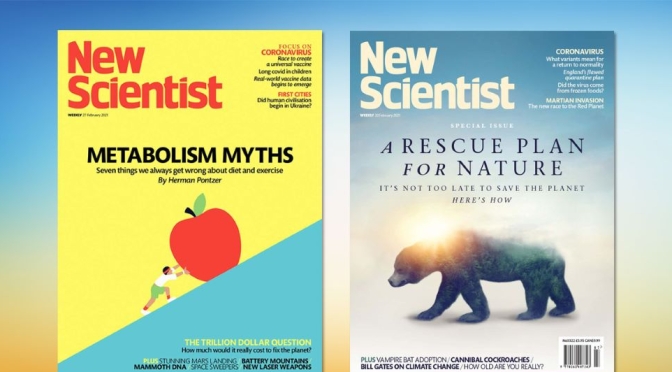
With a growing number of people living with pain, we desperately need to understand it – but we are still unravelling the mysterious mechanisms behind the phenomenon
FEATURES – Roger Penrose: “Consciousness must be beyond computable physics”
FEATURES – Why emotions can feel so painful – and what it means for painkillers
FEATURES – We are only just beginning to understand what causes nociplastic pain
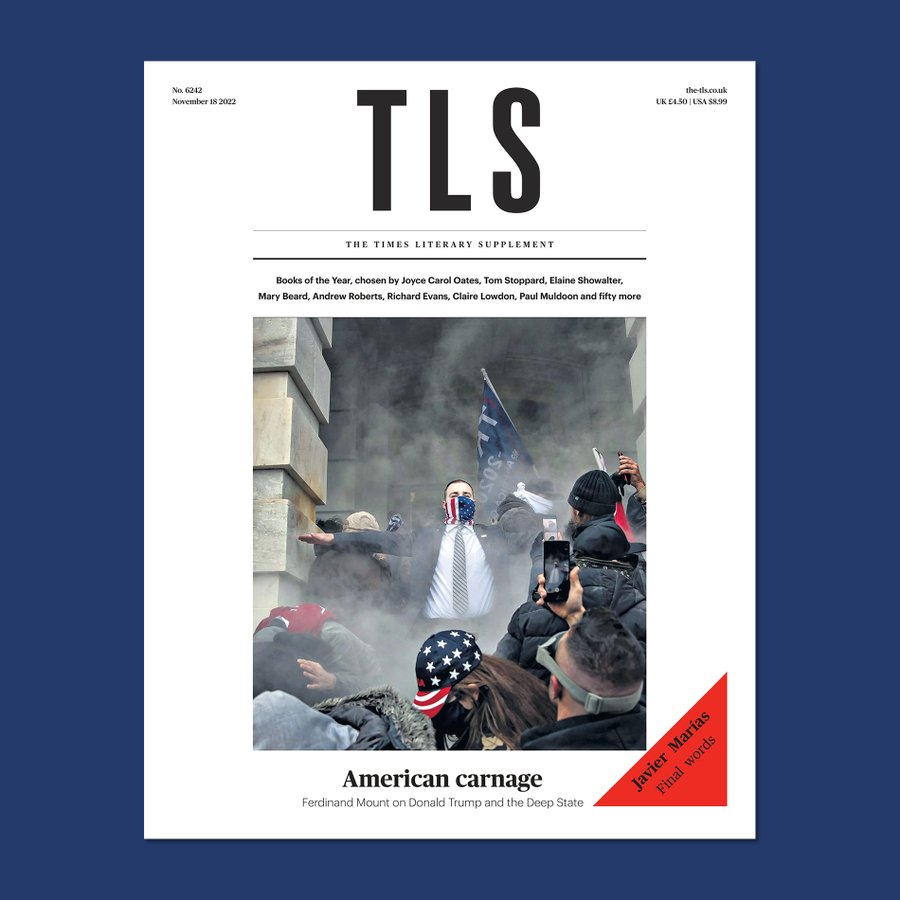
Times Literary Supplement – November 18, 2022 issue of the @TheTLS, featuring Books of the Year; Ferdinand Mount on a second Trump term; @guydammann on opera funding in England; @KieranSetiya on beauty; and Javier Marías’s last column on translation (tr., Margaret Jull Costa) – and more.
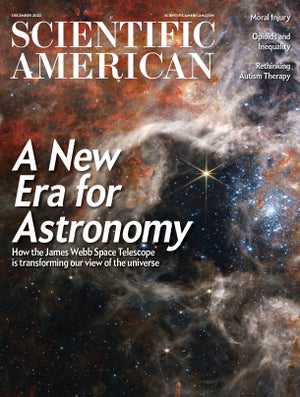
The James Webb Space Telescope’s first images of the distant universe shocked astronomers. Is the discovery of unimaginably distant galaxies a mirage or a revolution?
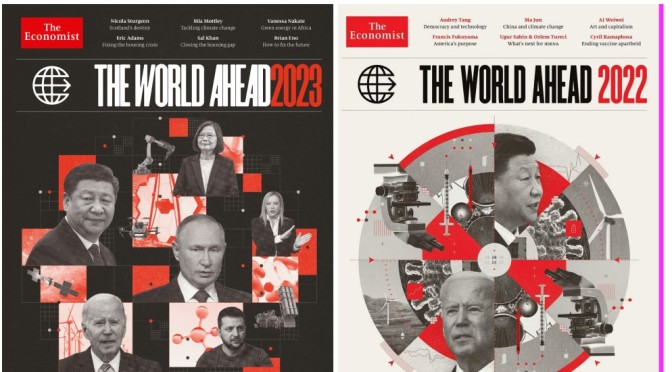
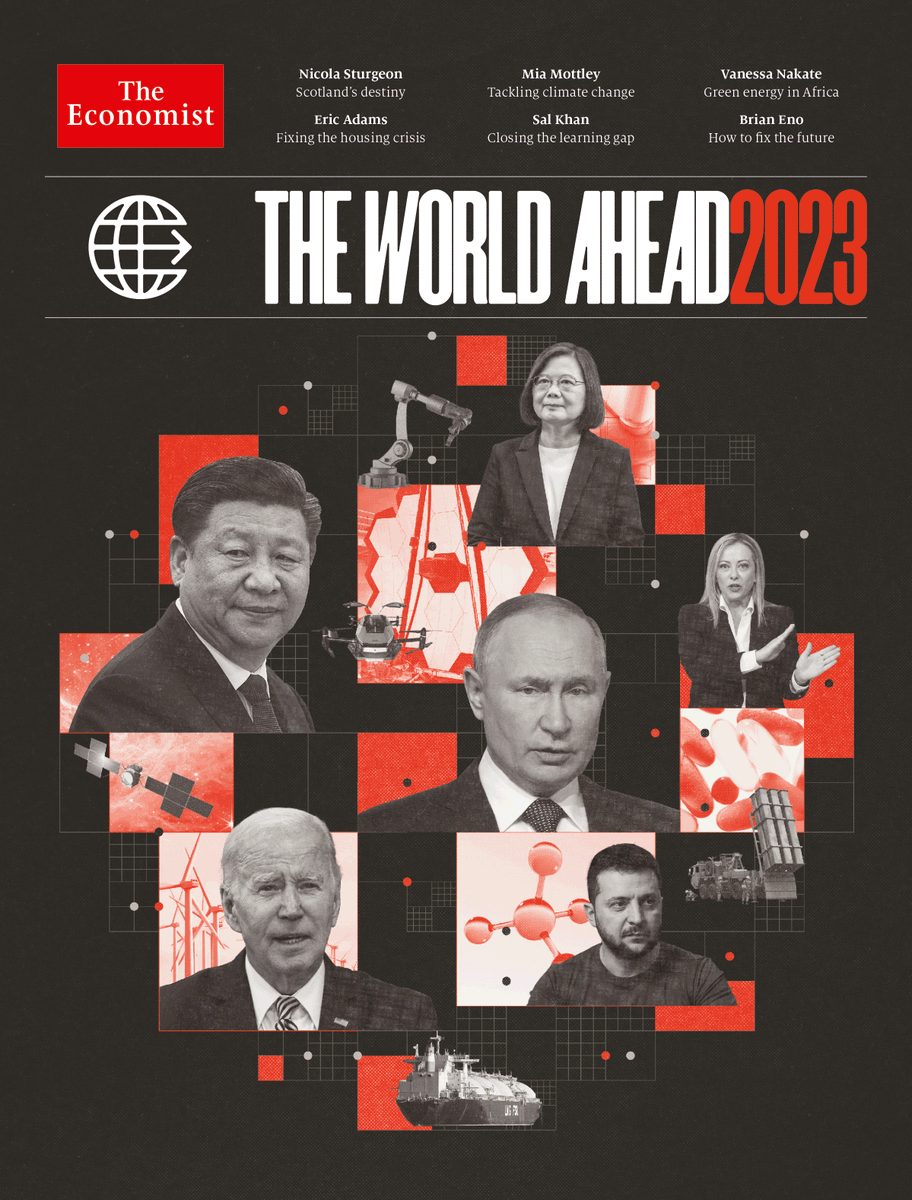
A letter from Tom Standage, editor of “The World Ahead 2023”
1. All eyes on Ukraine. Energy prices, inflation, interest rates, economic growth, food shortages—all depend on how the conflict plays out in the coming months. Rapid progress by Ukraine could threaten Vladimir Putin, but a grinding stalemate seems the most likely outcome. Russia will try to string out the conflict in the hope that energy shortages, and political shifts in America, will undermine Western support for Ukraine.
2. Recessions loom. Major economies will go into recession as central banks raise interest rates to stifle inflation, an after-effect of the pandemic since inflamed by high energy prices. America’s recession should be relatively mild; Europe’s will be more brutal. The pain will be global as the strong dollar hurts poor countries already hit by soaring food prices.
3. Climate silver lining. As countries rush to secure their energy supplies, they are turning back to dirty fossil fuels. But in the medium term the war will accelerate the switch to renewables as a safer alternative to hydrocarbons supplied by autocrats. As well as wind and solar, nuclear and hydrogen will benefit too.
4. Peak China? Some time in April China’s population will be overtaken by India’s, at around 1.43bn. With China’s population in decline, and its economy facing headwinds, expect much discussion of whether China has peaked. Slower growth means its economy may never overtake America’s in size.
5. Divided America. Although Republicans did worse than expected in the midterm elections, social and cultural divides on abortion, guns and other hot-button issues continue to widen after a string of contentious Supreme Court rulings. Donald Trump’s formal entry into the 2024 presidential race will pour fuel on the fire.
6. Flashpoints to watch. The intense focus on the war in Ukraine heightens the risk of conflict elsewhere. With Russia distracted, conflicts are breaking out in its backyard. China may decide that there will never be a better time to make a move on Taiwan. India-China tensions could flare in the Himalayas. And might Turkey try to nab a Greek island in the Aegean?
7. Shifting alliances. Amid geopolitical shifts, alliances are responding. nato, revitalised by the war in Ukraine, will welcome two new members. Will Saudi Arabia join the Abraham accords, an emerging bloc? Other groupings of growing importance include the Quad and aukus (two American-led clubs intended to deal with China’s rise) and i2u2—not a rock band, but a sustainability forum linking India, Israel, the United Arab Emirates and the United States.
8. Revenge tourism. Take that, covid! As travellers engage in post-lockdown “revenge” tourism, traveller spending will almost regain its 2019 level of $1.4trn, but only because inflation has pushed up prices. The actual number of international tourist trips, at 1.6bn, will still be below the pre-pandemic level of 1.8bn in 2019. Business travel will remain weak as firms cut costs.
9. Metaverse reality check. Will the idea of working and playing in virtual worlds catch on beyond video games? 2023 will provide some answers as Apple launches its first headset and Meta decides whether to change its strategy as its share price languishes. Meanwhile, a less complicated and more immediately useful shift may be the rise of “passkeys” to replace passwords.
10. New year, new jargon. Never heard of a passkey? Fear not! Turn to our special section, “Understand This”, which rounds up the vital vocabulary that will be useful to know in 2023. nimbys are out and yimbys are in; cryptocurrencies are uncool and post-quantum cryptography is hot; but can you define a frozen conflict, or synfuel? We’ve got you covered.
News, Views and Reviews For The Intellectually Curious













 Boomers Daily