

Powered by AI and the energy from the sun, the Mayflower Autonomous Ship will be able to spend long durations at sea collecting critical data about the ocean. Working in tandem with human oceanographers and other autonomous vessels, the new-generation Mayflower provides a flexible and cost-effective option for deepening understanding of critical issues such as global warming, ocean plastic pollution and marine mammal conservation. The Mayflower Autonomous Ship is led by marine research organisation Promare, supported by IBM and a global consortium of partners.
Tag Archives: Research

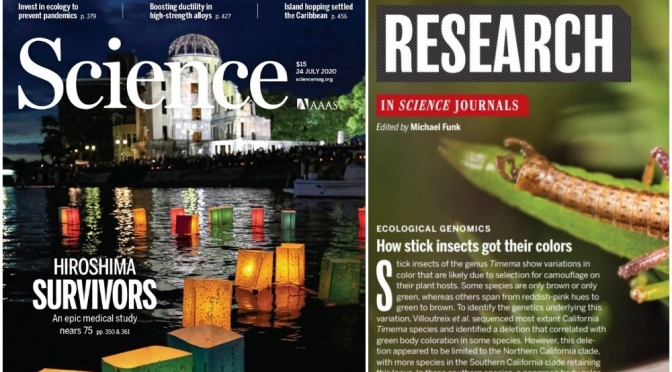
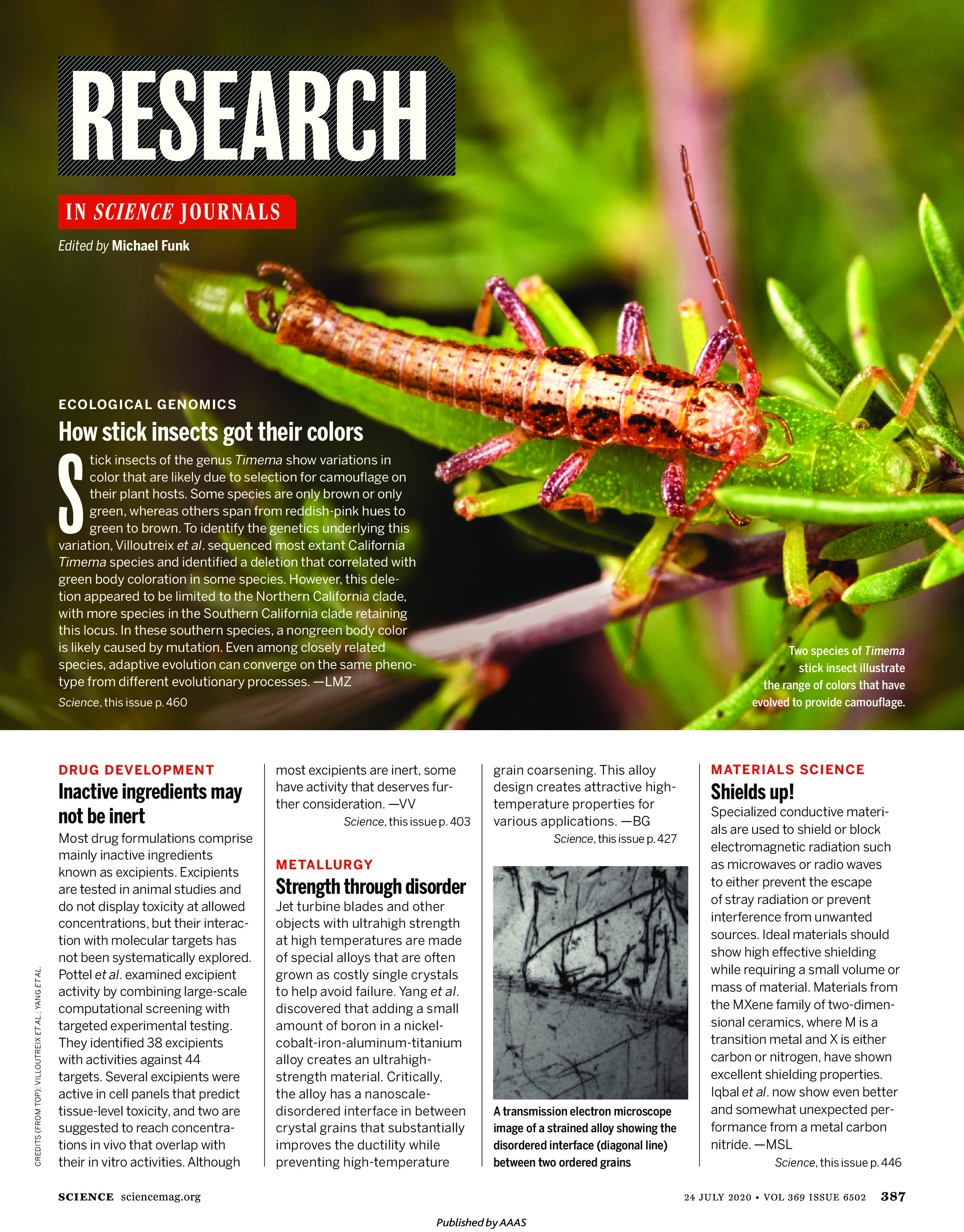
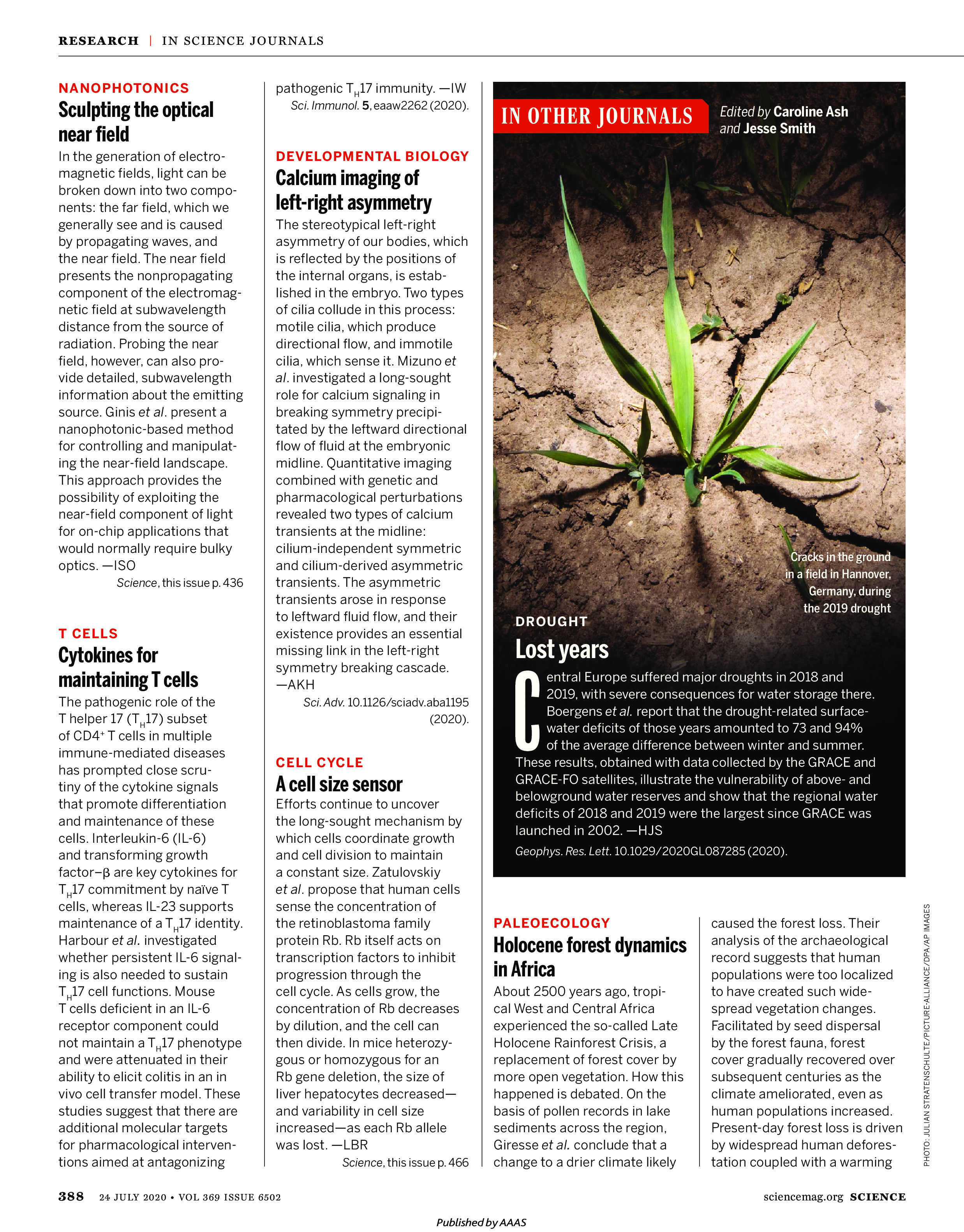
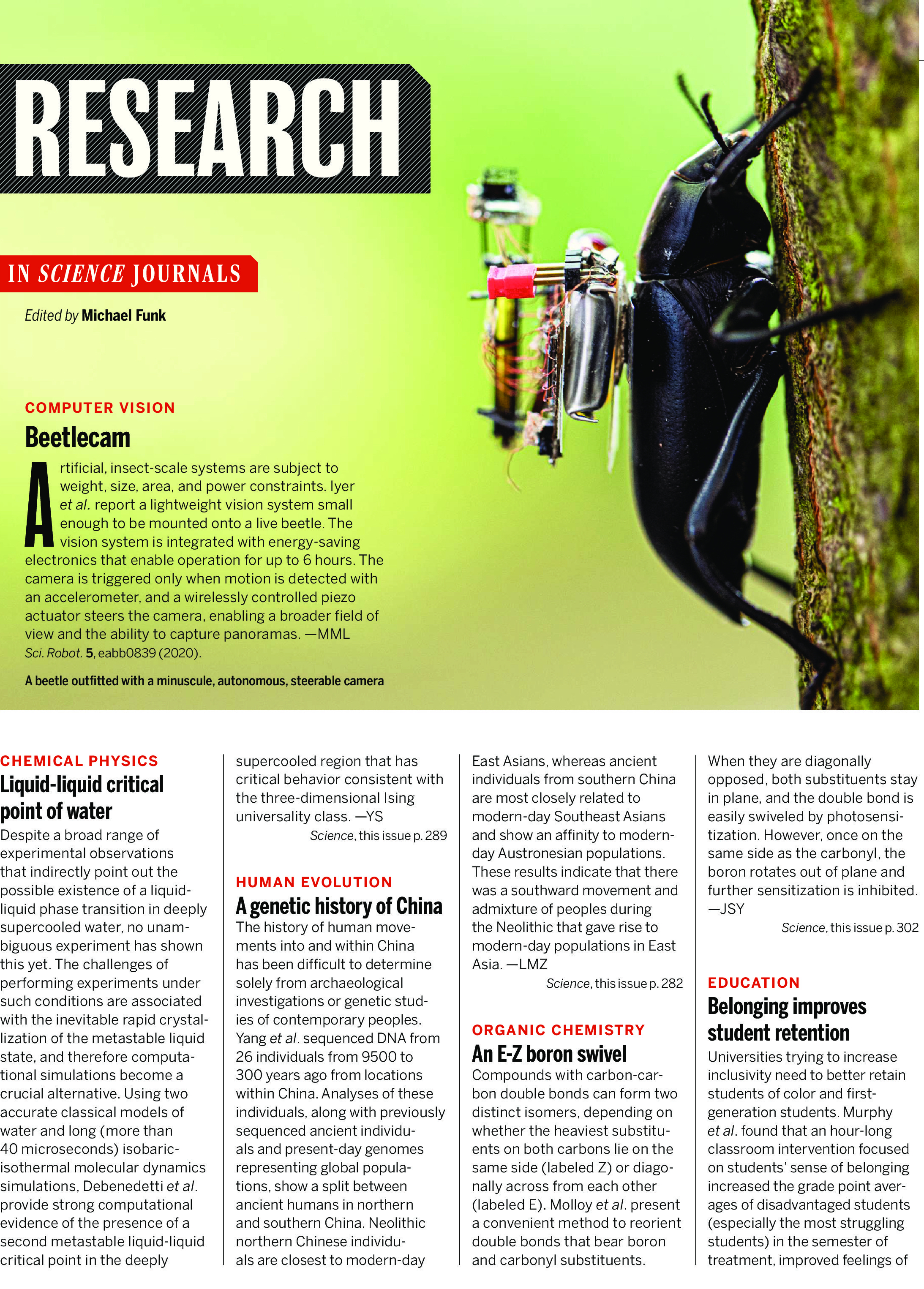
TOP JOURNALS: RESEARCH HIGHLIGHTS FROM SCIENCE MAGAZINE (AUGUST 21, 2020)


Stanford: Researchers Find Way To “Regrow” New Cartilage In Joints

The Stanford researchers figured out how to regrow articular cartilage by first causing slight injury to the joint tissue, then using chemical signals to steer the growth of skeletal stem cells as the injuries heal. The work was published Aug. 17 in the journal Nature Medicine.

“Cartilage has practically zero regenerative potential in adulthood, so once it’s injured or gone, what we can do for patients has been very limited,” said assistant professor of surgery Charles K.F. Chan, PhD. “It’s extremely gratifying to find a way to help the body regrow this important tissue.”
STANFORD MEDICINE (Aug 17, 2020): Researchers at the Stanford University School of Medicine have discovered a way to regenerate, in mice and human tissue, the cushion of cartilage found in joints.
Loss of this slippery and shock-absorbing tissue layer, called articular cartilage, is responsible for many cases of joint pain and arthritis, which afflicts more than 55 million Americans. Nearly 1 in 4 adult Americans suffer from arthritis, and far more are burdened by joint pain and inflammation generally.

TOP JOURNALS: RESEARCH HIGHLIGHTS FROM SCIENCE MAGAZINE (AUGUST 13, 2020)

New Medical Technology: UC Davis Scientists Invent World’s First Total-Body PET Scanner (Video)
UC Davis Health scientists Simon Cherry and Ramsey Badawi spent 15 years developing the world’s first total-body PET scanner, called EXPLORER. This imaging machine scans a patient’s entire body at one time, delivering breathtaking image quality that improves patient diagnoses and disease research.
UC Davis Cultivating Health blog: https://health.ucdavis.edu/cultivatin…

TOP JOURNALS: RESEARCH HIGHLIGHTS FROM SCIENCE MAGAZINE (August 7, 2020)


Brain Research: 40% Of Dementia Cases Prevented With Lifestyle Changes

“We are learning that tactics to avoid dementia begin early and continue throughout life, so it’s never too early or too late to take action,” says commission member and AAIC presenter Lon Schneider, MD, co-director of the USC Alzheimer Disease Research Center‘s clinical core and professor of psychiatry and the behavioral sciences and neurology at the Keck School of Medicine of USC.
LOS ANGELES — Modifying 12 risk factors over a lifetime could delay or prevent 40% of dementia cases, according to an updated report by the Lancet Commission on dementia prevention, intervention and care presented at the Alzheimer’s Association International Conference (AAIC 2020).
Twenty-eight world-leading dementia experts added three new risk factors in the new report — excessive alcohol intake and head injury in mid-life and air pollution in later life. These are in addition to nine factors previously identified by the commission in 2017: less education early in life; mid-life hearing loss, hypertension and obesity; and smoking, depression, social isolation, physical inactivity and diabetes later in life (65 and up).
Schneider and commission members recommend that policymakers and individuals adopt the following interventions:
- Aim to maintain systolic blood pressure of 130 mm Hg or less from the age of 40.
- Encourage use of hearing aids for hearing loss and reduce hearing loss by protecting ears from high noise levels.
- Reduce exposure to air pollution and second-hand tobacco smoke.
- Prevent head injury (particularly by targeting high-risk occupations).
- Limit alcohol intake to no more than 21 units per week (one unit of alcohol equals 10 ml or 8 g pure alcohol).
- Stop smoking and support others to stop smoking.
- Provide all children with primary and secondary education.
- Lead an active life into mid-life and possibly later life.
- Reduce obesity and the linked condition of diabetes.



 Boomers Daily