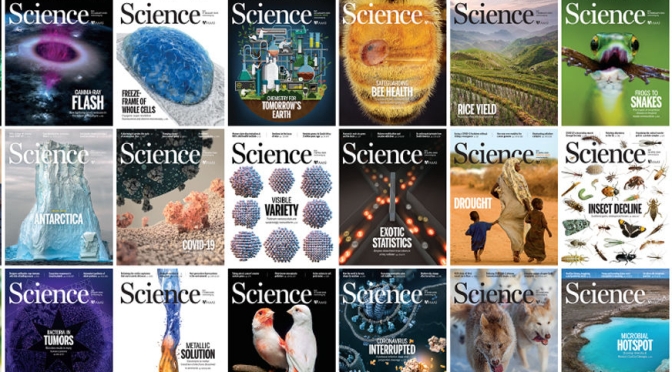
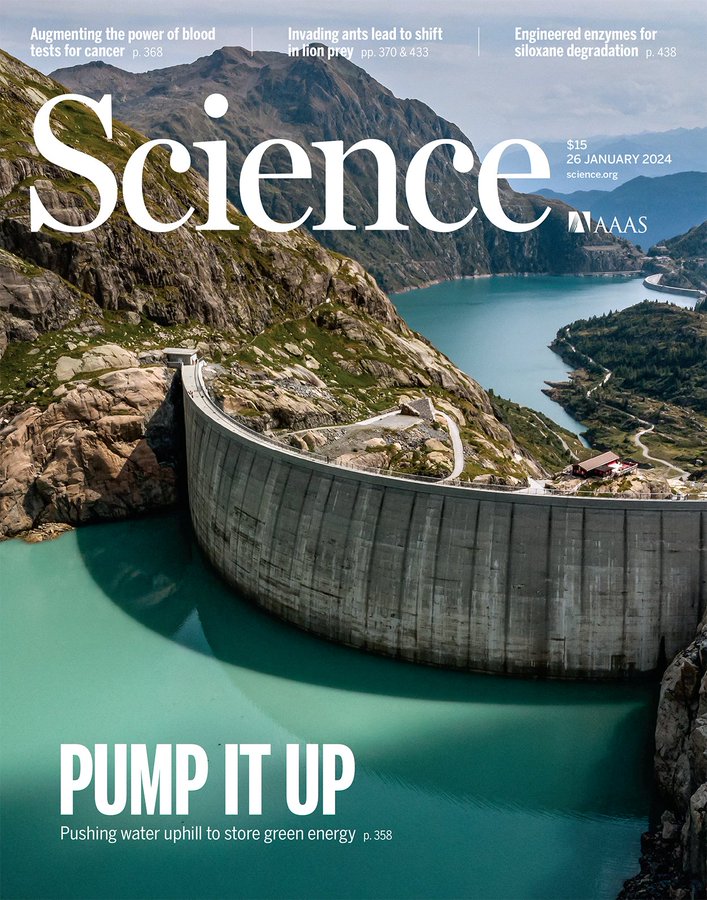
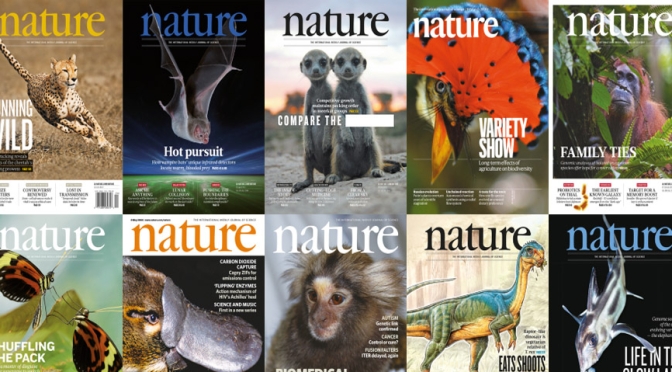
Science Magazine – January 18, 2024: The new issue features‘Plants And People’ – Global Hotspots of Utilized Plants; Long Covid Markers of Immune Dysfunction; A mammoth’s life story, written in tusk, and more…
Country Life Magazine – September 13, 2023:The new issue features the more outlandish and risqué techniques plants have developed to spread their seed, a magical garden restoration at Aldourie Castle in Inverness-shire, the origins of Spetchley Park, Worcestershire, and more…
Fifty shades of green
John Wright investigates some of the more outlandish and risqué techniques plants have developed to spread their seed
A Scottish fairy tale
George Plumptre is spellbound by a magical garden restoration at Aldourie Castle in Inverness-shire
An architectural accident
In the first of two articles, John Goodall explores the origins of Spetchley Park, Worcestershire
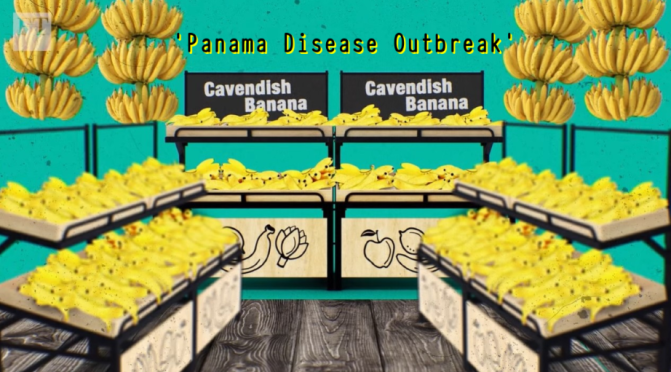
Financial Times (December 14, 2022) – Dire warnings about the banana’s impending extinction have been circulating for some time, but despite that, as the FT’s Clive Cookson explains, global production has expanded in recent years. That growth, however, is at risk from an outbreak of Panama disease, which has spread to at least 22 countries.
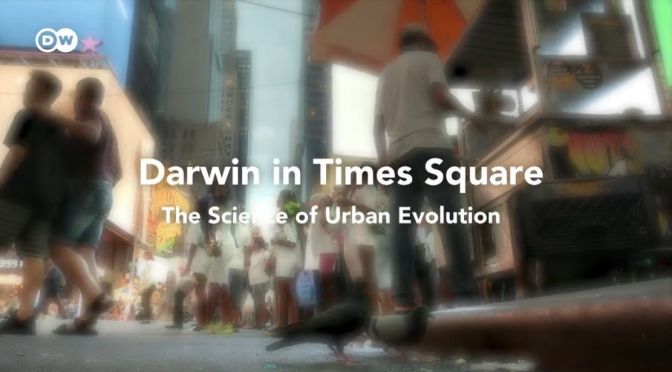
It’s a new and surprising chapter in the theory of evolution. According to recent studies, it’s in our cities, of all places, that animals and plants adapt particularly quickly to changing living conditions.
Nature’s response to the spread of cities is astonishing: Why do catfish in the river of a French city systematically prey on urban pigeons on the banks? Why do female birds on a university campus in California suddenly change their mating behavior? How do mice in New York’s Central Park cope with an altered diet of human food waste? How have killifish in the Atlantic built up resistance to deadly chemical waste?
And, is it possible for moths to adapt to nighttime light pollution? New research provides surprising new insights into Darwin’s theory of evolution. Nowhere else do animals and plants adapt so quickly to new living conditions as in cities. Biologists have long known that animals and plants occupy new habitats in the vicinity of humans.
But now, new genetic analyses show that these adaptations are accompanied by significant changes in DNA. Even more surprising: these evolutionary changes have not occurred over periods of millennia, but within just a few decades. The process has amazed scientists, who watch as nature transforms even our most hostile man-made interventions — pollution, light pollution, noise, garbage and dense development — into creative energy for new adaptations. Some researchers believe that our cities may soon develop their own, brand-new life forms. What are the implications of these developments for the balance between humans and nature on our planet?
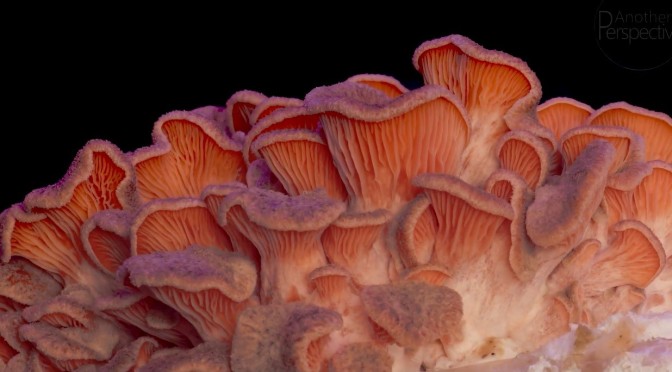
Time Lapse in Macro | Growing Pink Oyster Mushrooms with Laowa 60mm 2X Macro Lens.
Pleurotus djamor, commonly known as the pink oyster mushroom, is a species of fungus in the family Pleurotaceae. It was originally named Agaricus djamor by the German-born botanist Georg Eberhard Rumphius and sanctioned under that name by Elias Magnus Fries in 1821.
These trees look like they’re native to some alien planet or some strange otherworldly place. It’s hard to believe they actually exist in our world. Here are the top 15 most stunning and beautiful looking trees.
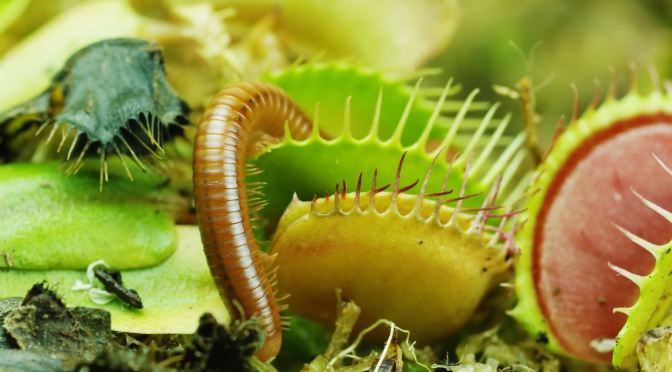
-N- Uprising ‘The Green Reapers’ is an experimental film mixing 8K insect videos and 8K carnivorous plant hatching timelapses. The film presents rare phenomena from the miniature world of insects. A butterfly in the process of being born, plants in the process of growing, Carnivorous plants in the process of hunting. It is a work of 4 months of patience.
All insects captured by the plants have been released.











 Boomers Daily