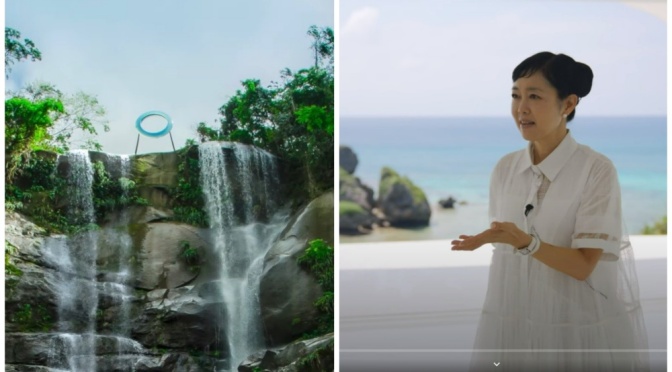
Louisiana Channel (November 7, 2023) – Japanese artist Mariko Mori shares a look into her studio and home as well as her own artistic practice. Mariko Mori was born in Tokyo, Japan, but has lived for several years in both New York and London. Her mother was an art historian, and the young Mori was introduced to art through her.
“It seems to me that a lot of our conceptual ideas are already carried out in the past. And we’re at a point to inherit those ideas to the future.”
“When I was nine years old, I was looking through her collection of postcards of all the Western art,” Mori remembers: “Somehow I found Jackson Pollock’s no. 13 painting. And I was so thrilled. I didn’t know what abstract painting was, but I really felt freedom.” Today, Mariko Mori works in various mediums, from photography and sculpture to installation and architecture. Her studio – and home – was the first architectural project she did. The house is located at Okinawa, a tropical island south of Japan.
Inspired by the surrounding nature Mori wanted “the house to be an extension of that. A part of nature.” The untraditional shape of the house is eye-catching: “Originally, I was thinking of just building an architecture building, but it became more like a sculpture or form,” she says and continues: “The shape tried to accommodate the wind coming from the north.” This explains why the building is smaller in one part and bigger in another.
Mariko Mori is a Japanese multidisciplinary artist. She is known for her photographs and videos of her hybridized future self, often presented in various guises and featuring traditional Japanese motifs. Her work often explores themes of technology, spirituality and transcendence.
“This is going to change the world as we know it.”
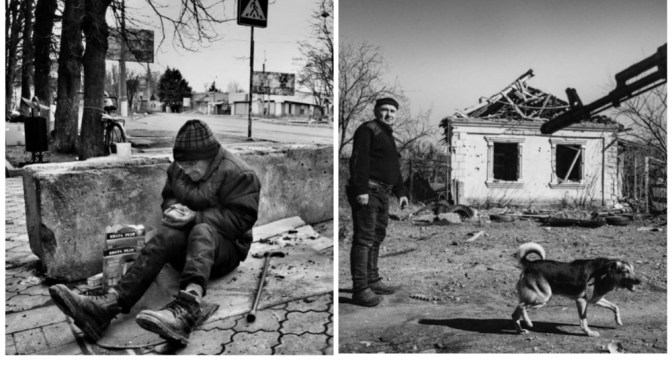
“The pictures are a documentation of the brutality within the conflict itself. It’s about civilians and civilian casualties because they are the ones hit the hardest. “
“The Russians are terrorizing the civilian population. They are hitting civilian infrastructure, may it be water, electricity, or heating. That brutality is extremely important to show. For me, it is about getting as close to these people as possible.”
Grarup is convinced that the ongoing war in Ukraine will mark the beginning of a new area that will isolate Russia from the Western World for generations to come: “I have been covering wars and conflicts for the last 35 years – just about every conflict you can imagine. In many ways, the brutality of the genocide in Rwanda in 1994 is second to none. But the war in Ukraine comes really, really close. It’s basically a country which is desiring democracy and freedom and independence – and because of that, its people are killed.”
Grarups also reflects upon his feelings covering the war, such as his general discomfort with silence as “you can be sure that something is about to happen.” On the other hand, he sees the necessity to document the war for future generations and the possible prosecution of war crimes. “What I like about black-and-white photography is its timelessness. We think in our part of the world that the world has changed, developed, and moved far away from what we have seen historically.
But the fact is: It hasn’t. It’s still the same atrocities. It’s still the same victims.” Jan Grarup was born in Denmark in 1968 and is today regarded as one of the leading and most experienced war photographers globally. Already in 1991, the year of his graduation, he won the prestigious Danish Press Photographer of the Year Award, a prize he would receive on several further occasions. In 1993, he moved to Berlin for a year, working as a freelance photographer for Danish newspapers and magazines. Afterwards, Grarup covered many wars and conflicts worldwide, including the Gulf War, the Rwandan genocide, the siege of Sarajevo and the Palestinian uprising against Israel in 2000.
His coverage of the conflict between Palestine and Israel led to two series: The Boys of Ramallah, which earned him the Pictures of the Year International World Understanding Award in 2002, followed by The Boys from Hebron. His book, Shadowland (2006), presents his work during the 12 years he spent in Kashmir, Sierra Leone, Chechnya, Rwanda, Kosovo, Slovakia, Ramallah, Hebron, Iraq, Iran, and Darfur. In the words of Foto8’s review, it is “intensely personal, deeply felt, and immaculately composed.”
His second book, Darfur: A Silent Genocide, was published in 2009. In 2017 he released the prizewinning bestseller And Then There Was Silence. He is currently working on a follow-up called While We Bleed with Danish author Adam Holm about the war in Ukraine. Jan Grarup has won numerous prizes for his dedicated work, for example eight World Press Awards, the Pictures of the Year International World Understanding Award, the UNICEF Children Photo of the Year Award, Visa d’Or, Leica Oskar Barnack Award, to mention a few of the more prestigious ones. Jan Grarup was interviewed by Marc-Christoph Wagner in Copenhagen, Denmark.
The interview took place at the Danish War Museum in March 2023 on the occasion of Grarup’s exhibition One Year With War. Camera: Jakob Solbakken Edited by: Helle Pagter Produced by: Marc-Christoph Wagner
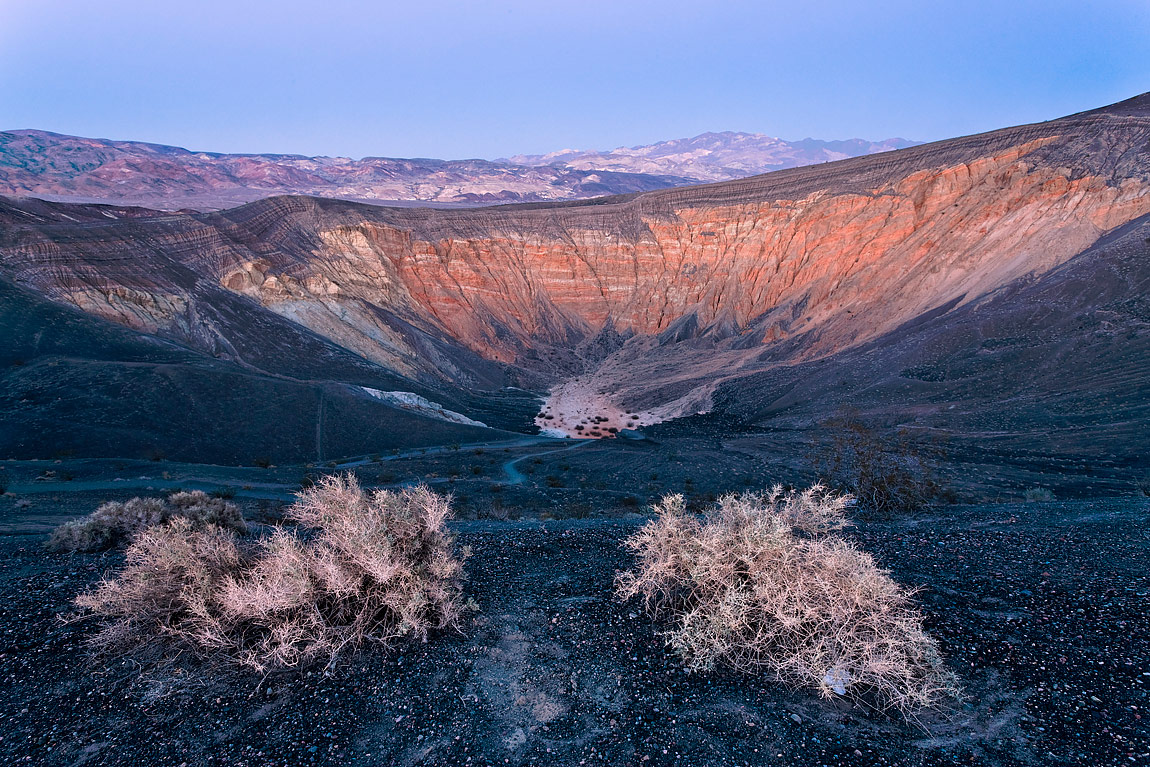
Death Valley is utterly iconic and much photographed. What are the best ways to get to every depth and peak? QT Luong’s guide to the highlights of this extraordinary location will let you in on every secret
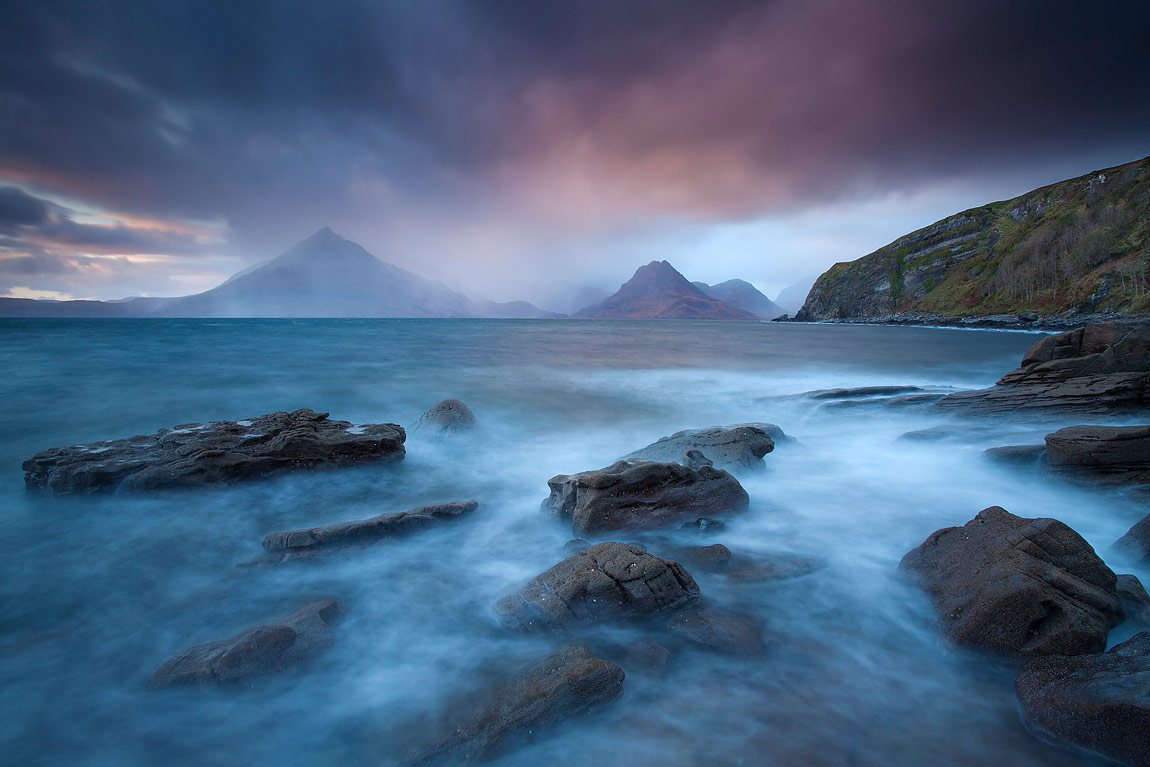
Expand your landscape photography potential by shooting long after sundown and on through the night. As Mark Hamblin explains, photography requires very little light
The photographs in Mary Ellen Bartley’s series Morandi’s Books – meditative still life compositions in muted colors transformed by collage elements – are gently disorienting despite their formal precision.
Cover of Twenty-five Years Ago, by Joan Lyons (Visual Studies Workshop Press, 1998)
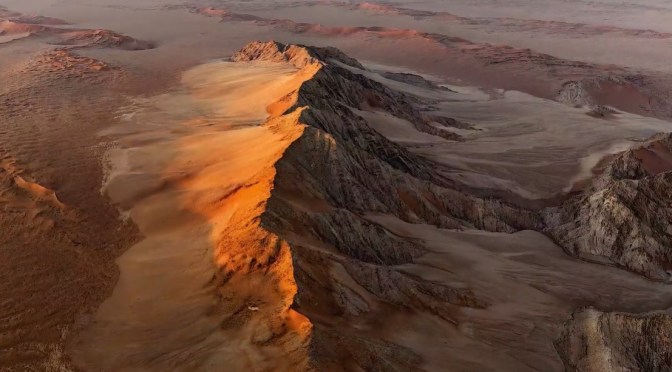
Steidl – In Edward Burtynsky’s recent photographs, produced across the African continent, the patterns and scars of human-altered landscapes initially appear to form an abstract painterly language; they reference the sublime and often surreal qualities of human mark-making.
While chronicling the major themes of terraforming and extraction, urbanization and deforestation, African Studies conveys the unsettling reality of sweeping resource depletion on both a human and industrial scale.
From natural landscapes to artisanal mining and mechanized extraction, several distinct chapters culminate with China in Africa: a series depicting the economic inroads being made by China, including the interiors of gigantic newly built manufacturing plants. This project brings together the work of seven years, presenting the latest installment in Burtynsky’s ongoing œuvre.
The overall winner, by William Davies: ‘Brecon in Winter’, Brecon Beacons National Park, Wales. Dawn sunlight warms up a winter’s morning in the Brecon Beacons.
‘Rough and Tumble’ Photo by Lloyd Lane Photography (www.lloydlane.uk), runner-up in the 2022 Landscape Photographer of the Year.
Tryfan by Aled Lewis. A photo of the iconic Tryfan in Snowdonia National Park.
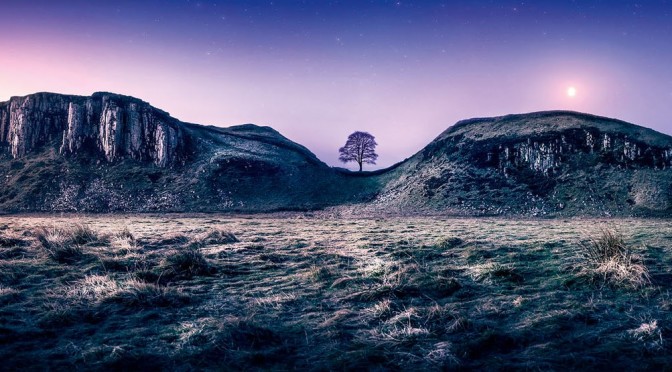
‘Sycamore Gap Sun and Moon’, by Brian Eyler. Sycamore Gap Sun and Moon. Northumberland, England.
Kilian Schönberger – I’m a professional photographer & geographer from Germany; born in 1985. My aspiration was always to cut my path as a photographer with an own creative perspective – despite beeing colourblind. I recognized that I could turn this so-called disadvantage into a strength, too and developed my own unique photographic view: E.g. while getting a picture of a chaotic forest scene, I can’t clearly distinguish the different green and brown tones. Brushing aside this “handicap” I don’t care about those tones and just concentrate on the patterns of the wood to achieve an impressive image structure. Currently I have two residences: One in Cologne and one near Ratisbona in Bavaria. My photographic work concerns the whole range of topics from natural landscapes to cityscapes. Remote rural areas are photographically as interesting as the lifestyle and architecture of urban melting pots. Both worlds fascinate me and so I try to capture my individual view of these changing and challenging environments. For landscape photography I prefer temperate and high latitudes and alpine landscapes. I like the harsh beauty of those areas and the peculiar melancholy that surrounds them. Regions which I am interested in are Norway, Iceland, the Alps, Scotland, the Pacific Northwest, Saxon Switzerland, Kamchatka, Patagonia, New Zealand, the Altai Mountains, Canada and Siberia. After a dozen years in the Rhineland (Bonn & Cologne) I’ve moved to the Bavarian Alps close to Lake Chiemsee in 2021. So large parts of the Alps like the Dolomites, but also my home region in Eastern Bavaria is easier to reach for me now.











 Boomers Daily