
From a New York Times online article:
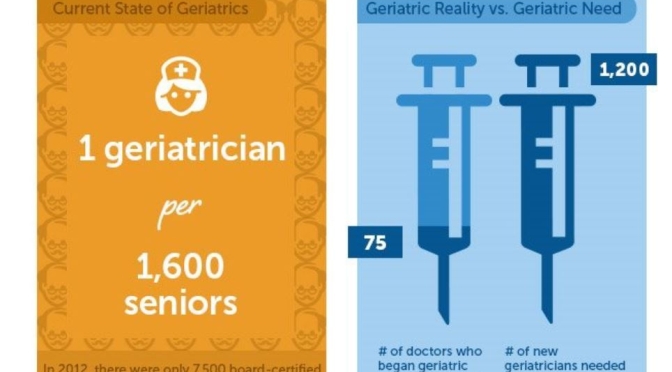
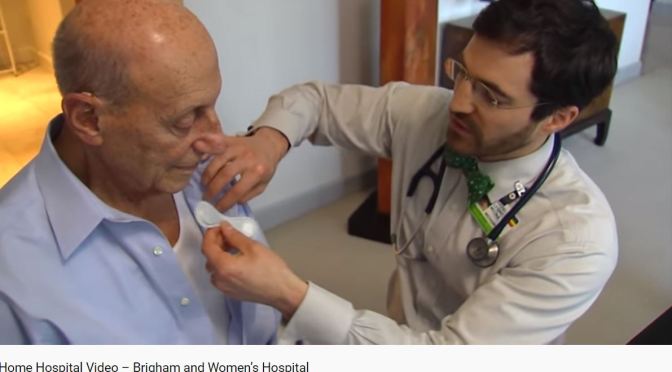
 If one geriatrician can care for 700 patients with complicated medical needs, as a federal model estimates, then the nation will need 33,200 such doctors in 2025. It has about 7,000, only half of them practicing full time. (They’re sometimes confused with gerontologists, who study aging, and may work with older adults, but are not health care providers.)
Geriatrics became a board-certified medical specialty only in 1988. An analysis published in 2018 showed that over 16 years, through academic year 2017-18, the number of graduate fellowship programs that train geriatricians, underwritten by Medicare, increased to 210 from 182. That represents virtually no growth when adjusted for the rising United States population.
“It’s basically stagnation,” said Aldis Petriceks, the study’s lead author, now a medical student at Harvard.
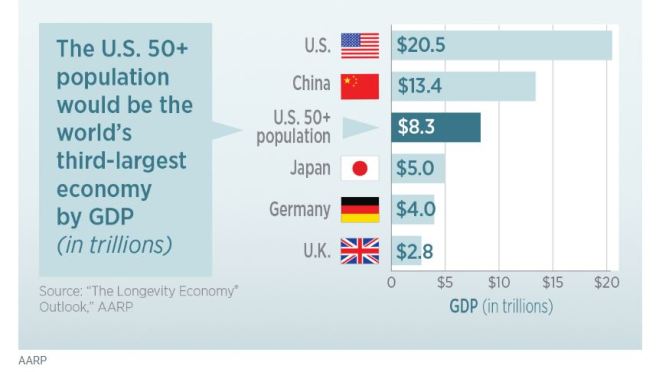
 “As the number of people over 50 grows, that age cohort is transforming markets and sparking new ideas, products and services across our economy,” AARP CEO Jo Ann Jenkins says. “And as people extend their work lives, they are fueling economic growth past the traditional retirement age.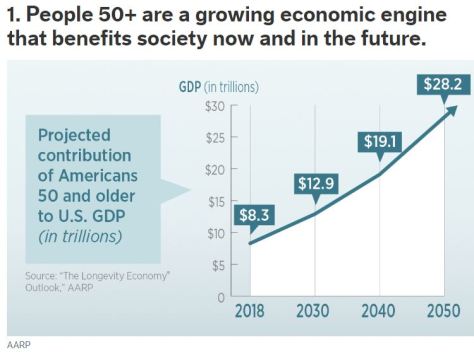

 “Research suggests that as we age, Americans will spend more of our hard-earned retirement assets on health care, such as insurance, prescription drugs, in-home care and other services that help us remain independent,” says NRMLA’s President Steve Irwin. “A retirement plan that includes the responsible use of home equity may be the best option that can help ensure healthcare spending doesn’t become a financial burden for many retired couples.”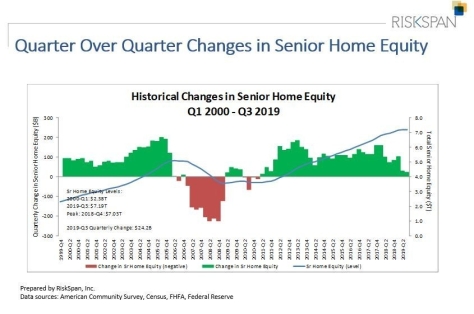

 The Social Security Administration (SSA) scam is the
 This cohort study included 146 152 individuals from the Prostate, Lung, Colorectal, and Ovarian Cancer Screening Trial and found that aspirin use 3 or more times per week was associated with reduced risk of all-cause, cancer, gastrointestinal cancer, and colorectal cancer mortality.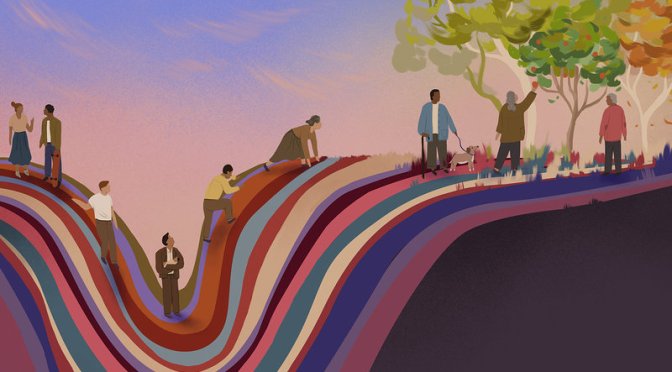
 Contrary to popular opinion, when it comes to well-being, our lives do not represent an inevitable decline from the sunny uplands of youth to the valley of death. Instead, the opposite is true — we can confidently look forward to old age as the happiest time of our lives.
 So why do people grow happier as they age? Is it an absence of stress, or are they able to focus more on what brings them joy?
 “Today, most of the seniors we serve are utilizing easy-to-use mobile phone products and connected devices that are tailored for seniors and come with a range of relevant services,” Best Buy CEO Corie Barry said during an earnings call Nov. 26, according to a transcript from
 Retirements must evolve because everything won’t work out as planned, says Carolyn Taylor, president of Weatherly Asset Management, an investment-management firm in Del Mar, Calif. One of her clients, who worked in the biotech industry and had a very busy family life, trained before retirement to become a master gardener. As she trained, she found that she enjoyed teaching others and finally became a teacher of gardening, Taylor says.
 More than 60% of cancers in the U.S. occur in people older than 65. As the population grows older, so will the rate of cancer among seniors. The cancer incidence in the elderly is expected to rise 67% from 2010 to 2030, according to a 2017 study in the Journal of Clinical Oncology. Yet many oncologists don’t have geriatric training.
 Boomers Daily