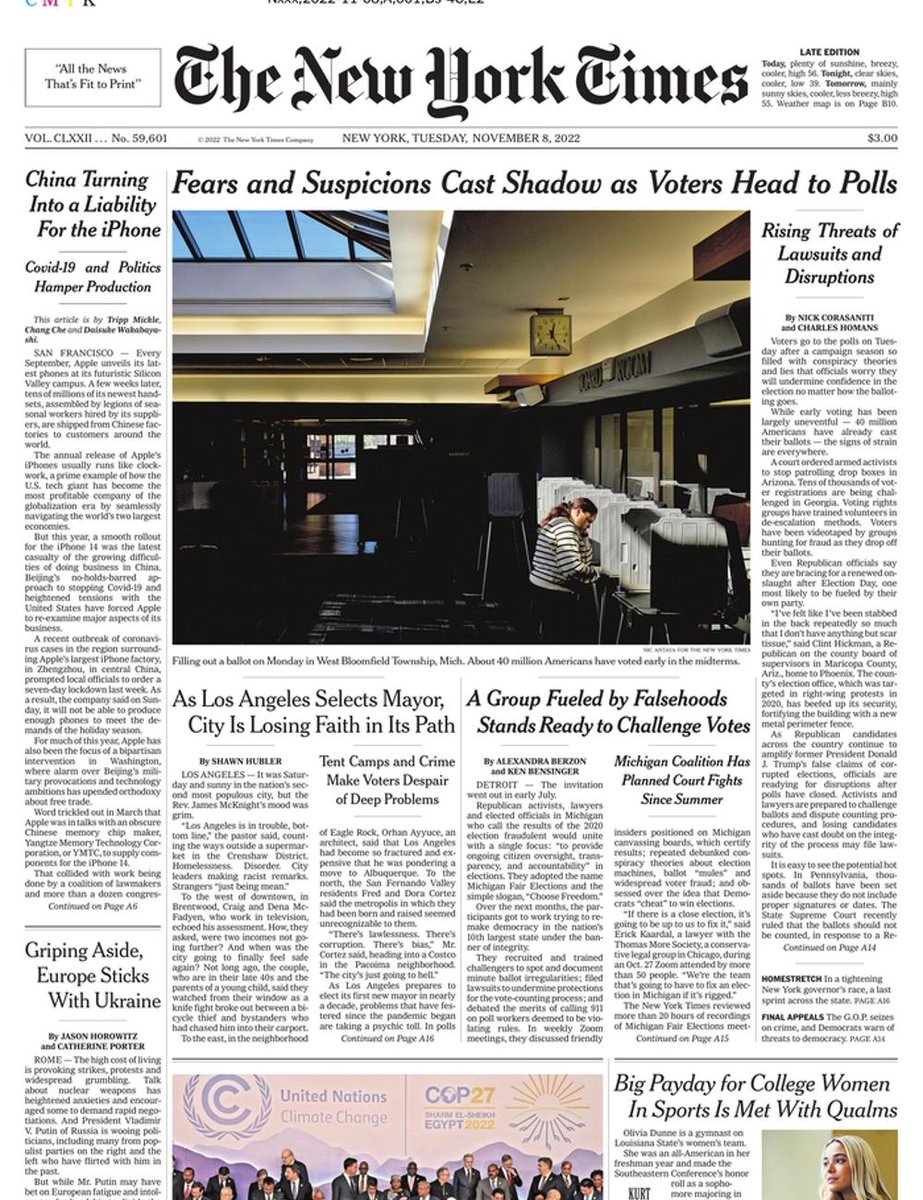
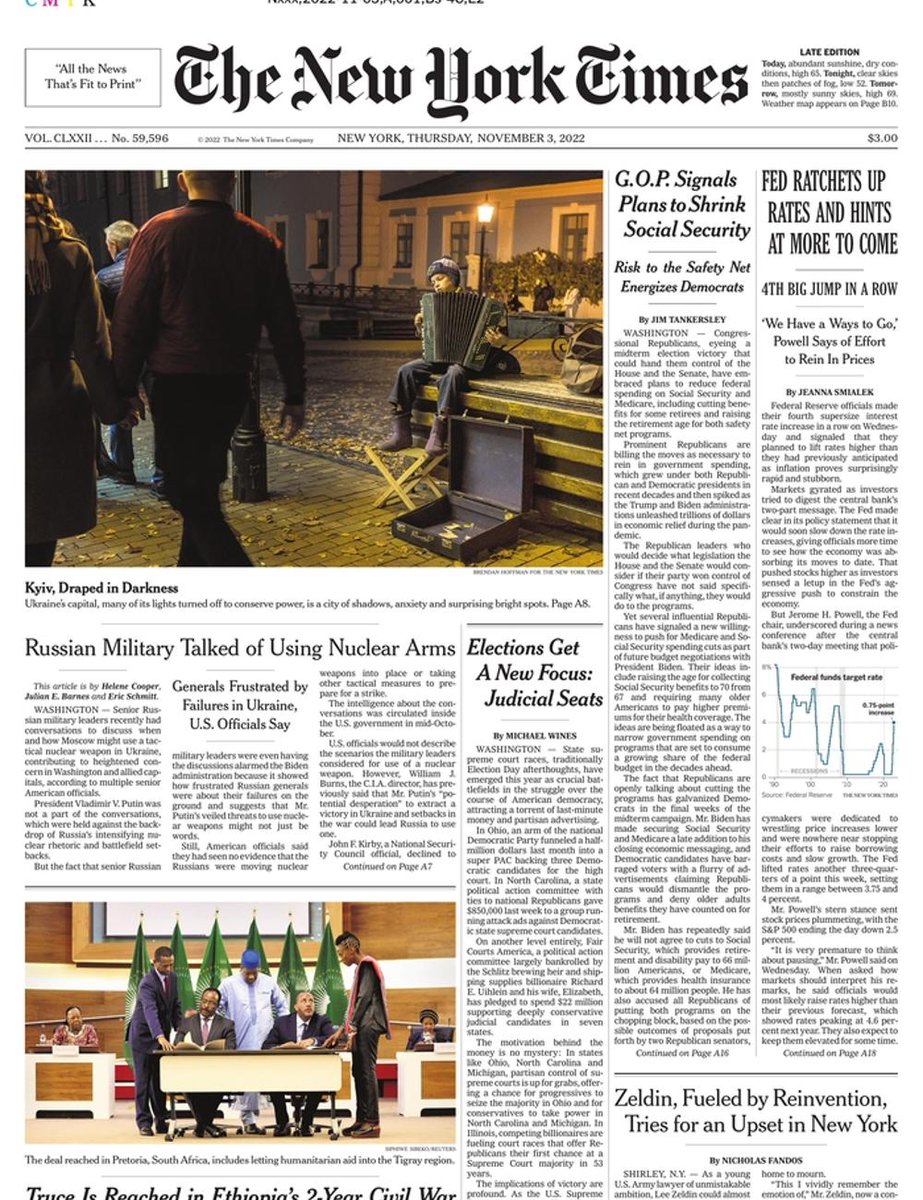
Lawmakers’ objections to an obscure Chinese semiconductor company and tough Covid-19 restrictions are hurting Apple’s ability to make new iPhones in China.
A selection of three essential articles read aloud from the latest issue of The Economist. This week, climate policy is off target, (10:40) Qatar’s World Cup isn’t quite over the goal line and (18:35) why do people who worry about exams do worse?
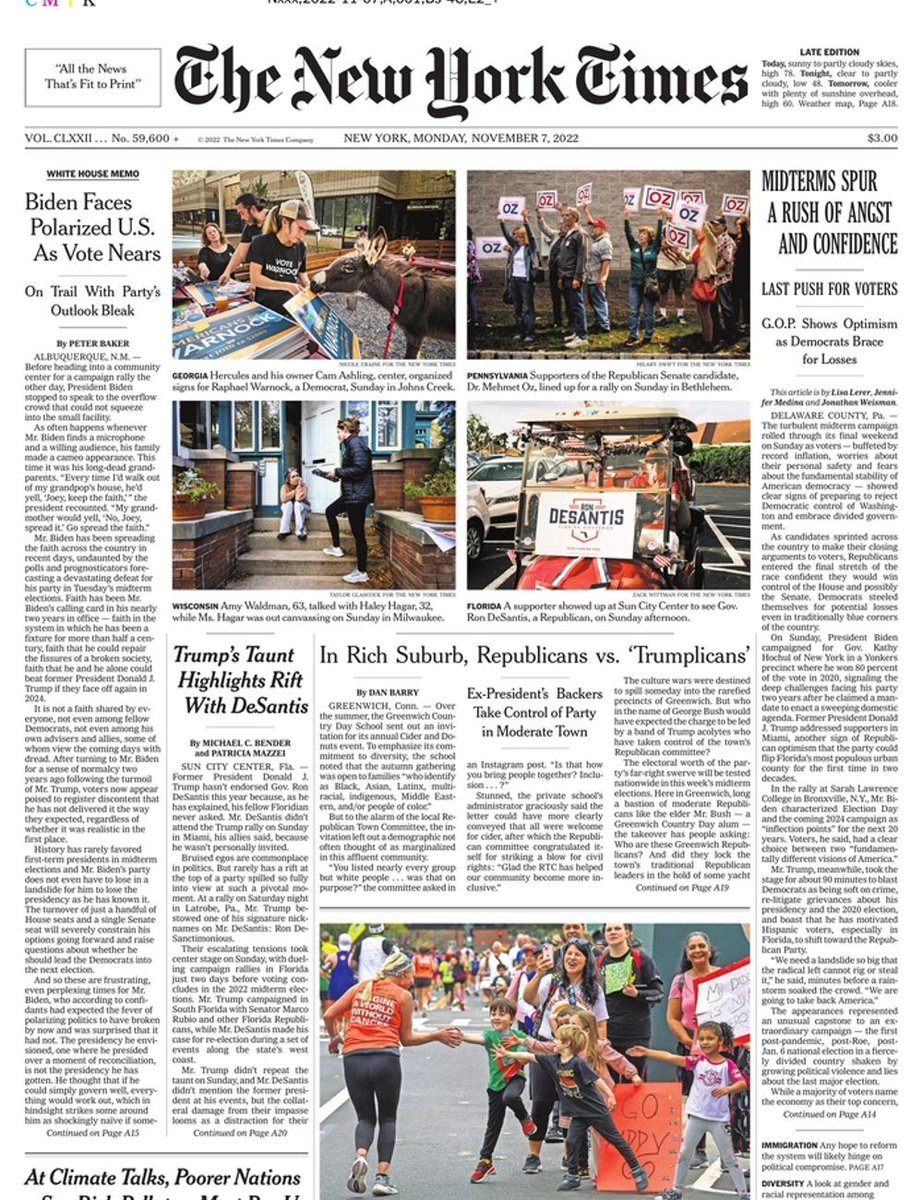
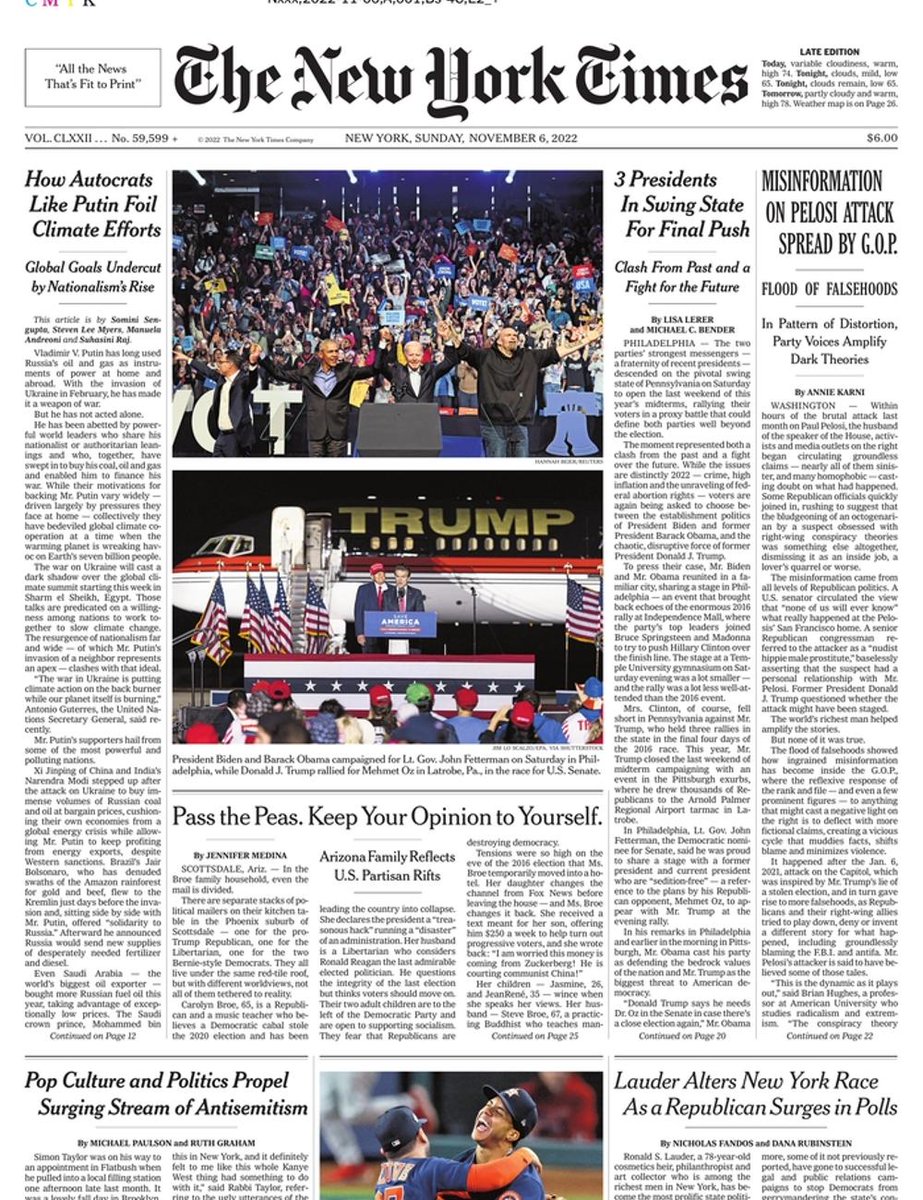
As candidates made their closing arguments on Sunday, Democrats braced for potential losses even in traditionally blue corners of the country while Republicans predicted a red wave.
President Biden had hoped to preside over a moment of reconciliation after the turmoil of the Trump years. But the fever of polarizing politics has not broken ahead of Tuesday’s midterm elections.
Emma Nelson and Julie Norman look ahead to the US midterms. Plus, our panellists Terry Stiastny and Simon Brooke unpack the weekend’s biggest talking points, Monocle’s Guy De Launey brings us news from the Western Balkans and Andrew Mueller orates his week in the newsroom.
Within hours of the brutal attack last week on Paul Pelosi, Republican officials and media figures began circulating groundless claims — nearly all of them sinister, and many homophobic — about what had happened.
As the midterms come to a close, the establishment politics of the two most recent Democratic presidents met the disruptive force of the last Republican one, with control of Congress at stake.
New York Times columnist David Brooks and Washington Post associate editor Jonathan Capehart join Judy Woodruff to discuss the week in politics, including the final hours of the midterm campaign and the factors that could determine the outcome.
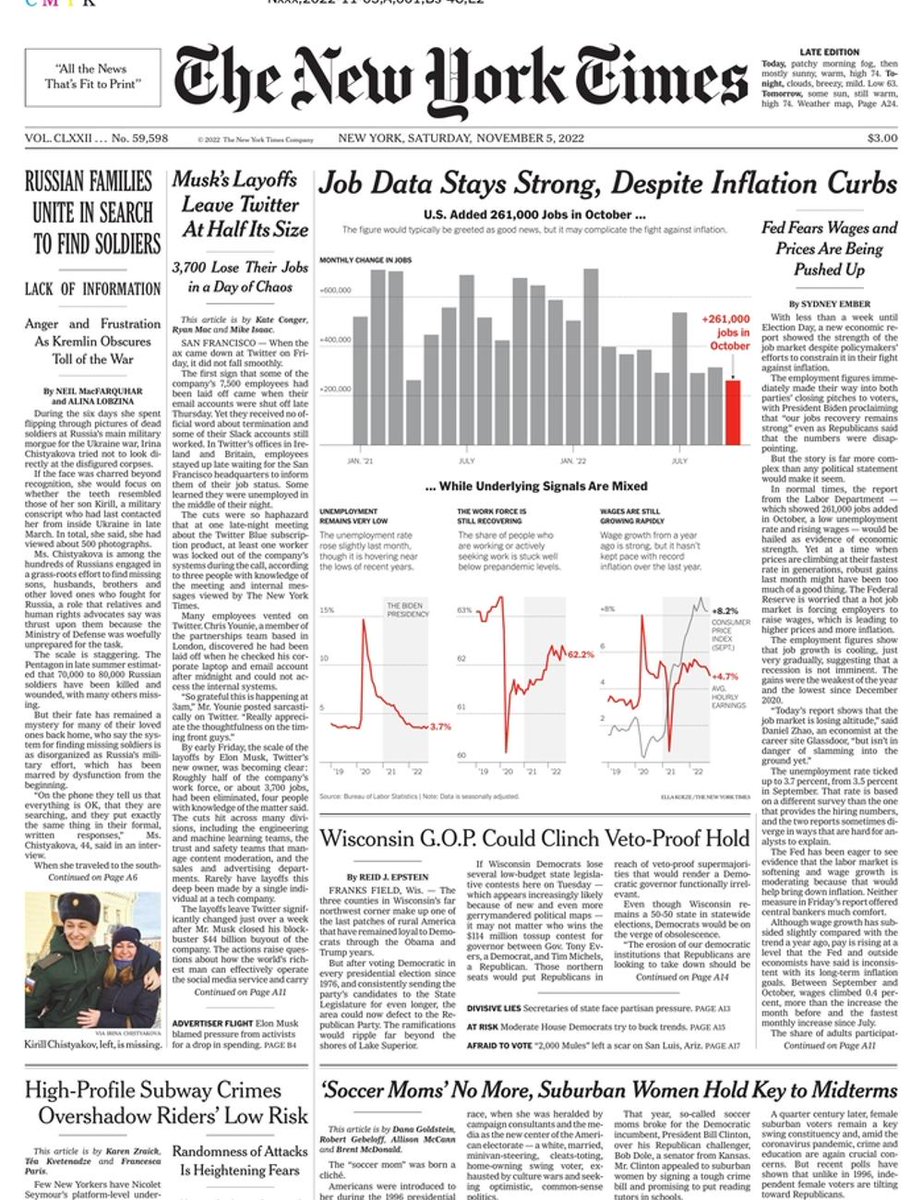
Russian families searching for loved ones say the system for finding missing soldiers is as disorganized as Vladimir Putin’s military effort, which has been marked by dysfunction from the beginning.
The layoffs hit across many divisions, including the engineering and machine learning units, the teams that manage content moderation, and the sales and advertising departments.
Germany’s chancellor Olaf Scholz visits China, the first leader of a liberal democracy to do so since the coronavirus outbreak. Plus: reports that Russian troops are ‘likely’ to abandon a city in Kherson, the business news and Andrew Mueller’s weekly round-up.
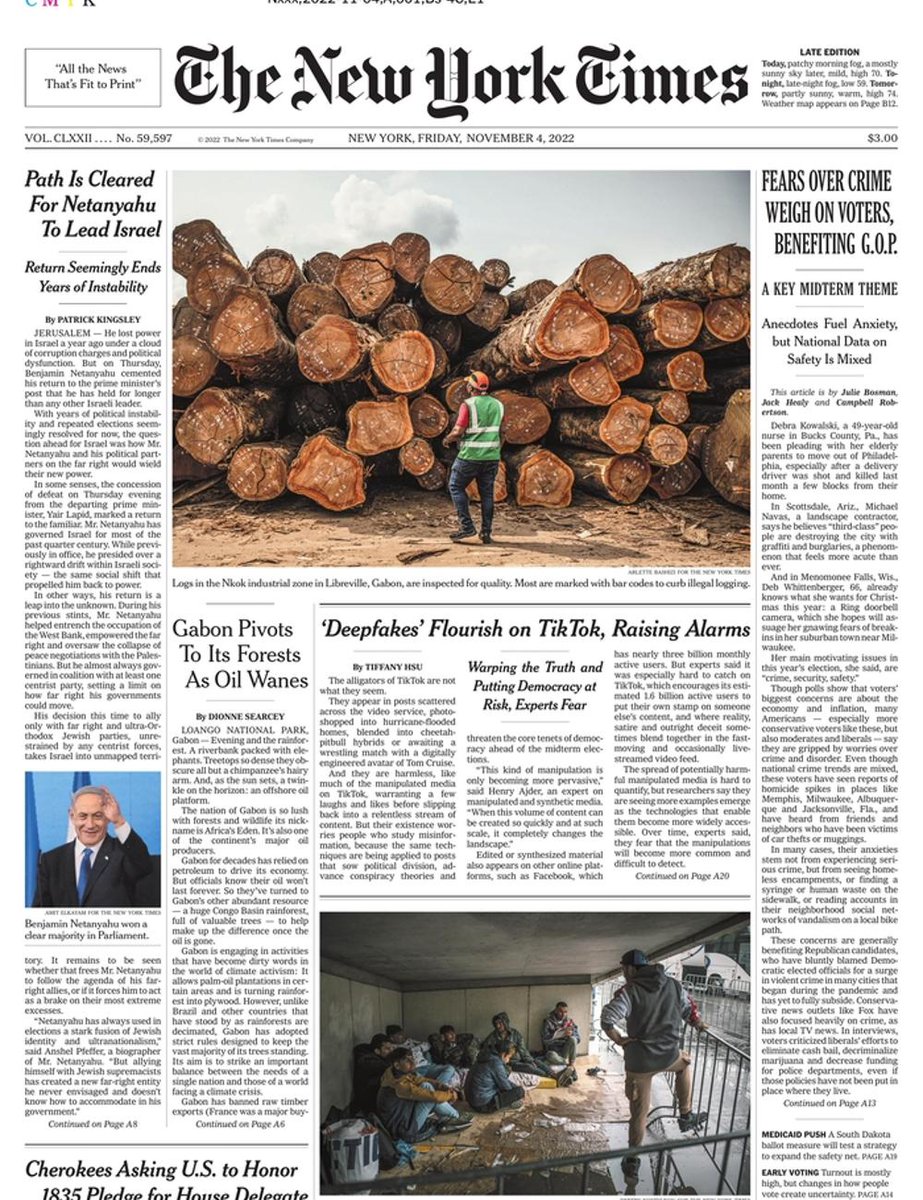
Republican candidates are focusing on crime and public safety, but their message is rooted not so much in data or policy as in voters’ feelings of unease.
After five elections in less than four years, Israel will have a stable government for the first time since 2019. But Benjamin Netanyahu’s coalition could test the constitutional framework and social fabric.
Gabon knows its oil won’t last forever, so officials are turning to the Central African nation’s rainforest for revenue — while also promising to preserve it.








 Boomers Daily