

Monocle’s editorial director, Tyler Brûlé, joins us from Merano, Stephen Dalziel and Latika Bourke are in the studio in London to review the week’s biggest stories and we get an update from Monocle’s Guy De Launey in Lovran, Croatia.
Tag Archives: London

Saturday Morning: News And Stories From London
Monocle’s Georgina Godwin and the political journalist Terry Stiastny explore the day’s weighty papers and we hear from Denmark’s foreign minister, Jeppe Kofod.
Saturday Morning: News And Stories From London
Emma Nelson and the weekend’s biggest discussion topics. Justin Quirk reviews the day’s papers and we visit the Royal College of Art’s new premises in London.

Previews: Times Literary Supplement – June 24, 2022
Times Literary Supplement for June 24, 2022: @TheTLS, featuring our annual Summer Books feature; Michele Pridmore-Brown on transhumanism; @zoesqwilliams on the Oxford chumocracy; a newly discovered response to the Wilde trials by George Egerton; Claire Lowdon on the new Ottessa Moshfegh – and more.

Sunday Morning: Stories From Zurich And London
Monocle’s editorial director, Tyler Brûlé, Benno Zogg and Florian Egli on the weekend’s biggest talking points. Plus: check-ins with our friends and correspondents from around the world.
Saturday Morning: News & Stories From London
Georgina Godwin sets the tone for the weekend. Latika Bourke reviews the day’s papers and we visit the 3 Days of Design festival in Copenhagen.
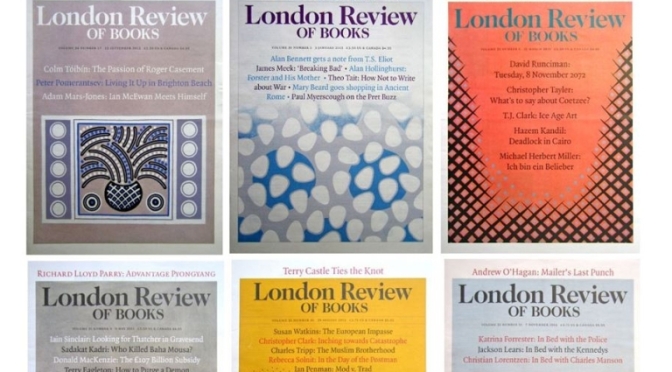
Preview: London Review Of Books – June 23, 2022
In the latest issue – 23 June 2022
Preview: Times Literary Supplement – June 17, 2022
This week’s Times Literary Supplement @TheTLS, featuring @muldoonpoetry on Ulysses at 100; John Fuller on Auden; @MatthewReiszTHE on science reporting; @MalikShushma on elite women in Rome; @majorjonnyd on Yorkshire – and more.
Saturday Morning: News And Stories From London
Georgina Godwin sets the tone for the weekend. Simon Brooke reviews the day’s papers and we revisit the world’s largest furniture fair, Salone del Mobile in Milan.
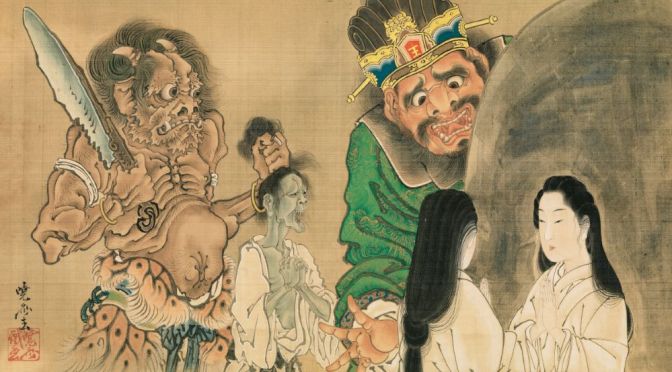
Top Exhibition Tour: 19th Century Japanese Painter Kawanabe Kyōsai, London
The Japanese painter Kawanabe Kyōsai (1831–1889) was one of the most innovative artists of his day. He lived during a turbulent time, experiencing the downfall of the Tokugawa shogunate (the hereditary military government) and the new imperial regime’s reforms to modernise and Westernise the country. Kyōsai’s drive to capture the world with his brush earned him the nickname ‘demon of painting’ – which he lived by.
00:00 Room 1: From Tradition to Innovation
Kyōsai, as a highly trained painter, was proficient in traditional methods and subjects. He broke with convention by blurring the established boundary between ‘serious’ and comic pictures. Traditionally, complex painting techniques were reserved for literary classics, historical and legendary figures, auspicious themes and religious images. Comic pictures were typically produced in a lighter, more fluid style.
Kyōsai often saw humour in ‘serious’ subjects and introduced comic and everyday content in highly finished, detailed paintings. The selection in this room demonstrates Kyōsai’s range and skill across diverse genres. Subjects include animals, monsters, ghosts, protective deities and Buddhist icons. Some paintings display powerful Kano-style ink techniques, others depict humorous creatures – recalling works by his first teacher, Utagawa Kuniyoshi, and referencing medieval picture scrolls. He can be seen exploring Western techniques such as perspective, shading and the study of anatomy, which attests to his insatiable curiosity and desire to push beyond tradition.
04:17 Room 2: Laughing at Modernity
Kyōsai had a keen interest in society, and captured contemporary events in his pictures with humour and piquancy. His satirical prints from the 1860s, the period leading up to the collapse of the shogunate regime, reflect widespread anxiety about the political turmoil, economic instability and foreign presence. He channelled the febrile atmosphere into dynamic images of frog battles, monster parties and wildly dancing tengu (mischievous, semi-human creatures). Under the new Meiji government, the sudden influx of Western-style culture greatly shocked many Japanese, after over 260 years of relative isolation.
Kyōsai’s comic pictures express both the excitement of the new era, with modern technologies such as the telegraph and trains, and a certain scepticism towards those who blindly followed the new trends. The government’s policy of hiring European and American specialists to teach at new institutions in Japan brought the painter a personal benefit. The British architect Josiah Conder (1852–1920) became his pupil around 1881, and remained a student, patron and friend until Kyōsai’s death in 1889.
05:54 Room 3: The Artist Meets His Public
In nineteenth-century Japan, artists often produced works impromptu in front of an audience. The creative process was appreciated as a performance. At commercially organised calligraphy and painting parties called shogakai, attendees would pay for admission, and once inside, could ask the artists to create works for them at no extra charge. These gatherings were frequently a platform for collaboration. Multiple painters would complete a picture together or a calligrapher would inscribe a poem by the painter’s work. Kyōsai often depicted a scene of art viewing, and the artworks within the image would be painted by other artists.
Collaboration has always been an important part of the creative process in Japan, among artist friends or between teacher and pupils, sharing and marking the occasion. Event flyers, newspaper articles and anecdotes attest that Kyōsai was famous for his speedy, skilful and witty performances. The parties involved copious alcohol. Kyōsai loved saké and his brush became even more playful and expressive when intoxicated. Josiah Conder wrote in his master’s obituary: ‘under the influence of BACCHUS some of his strangest fancies, freshest conceptions and boldest touches were inspired.’
 Boomers Daily