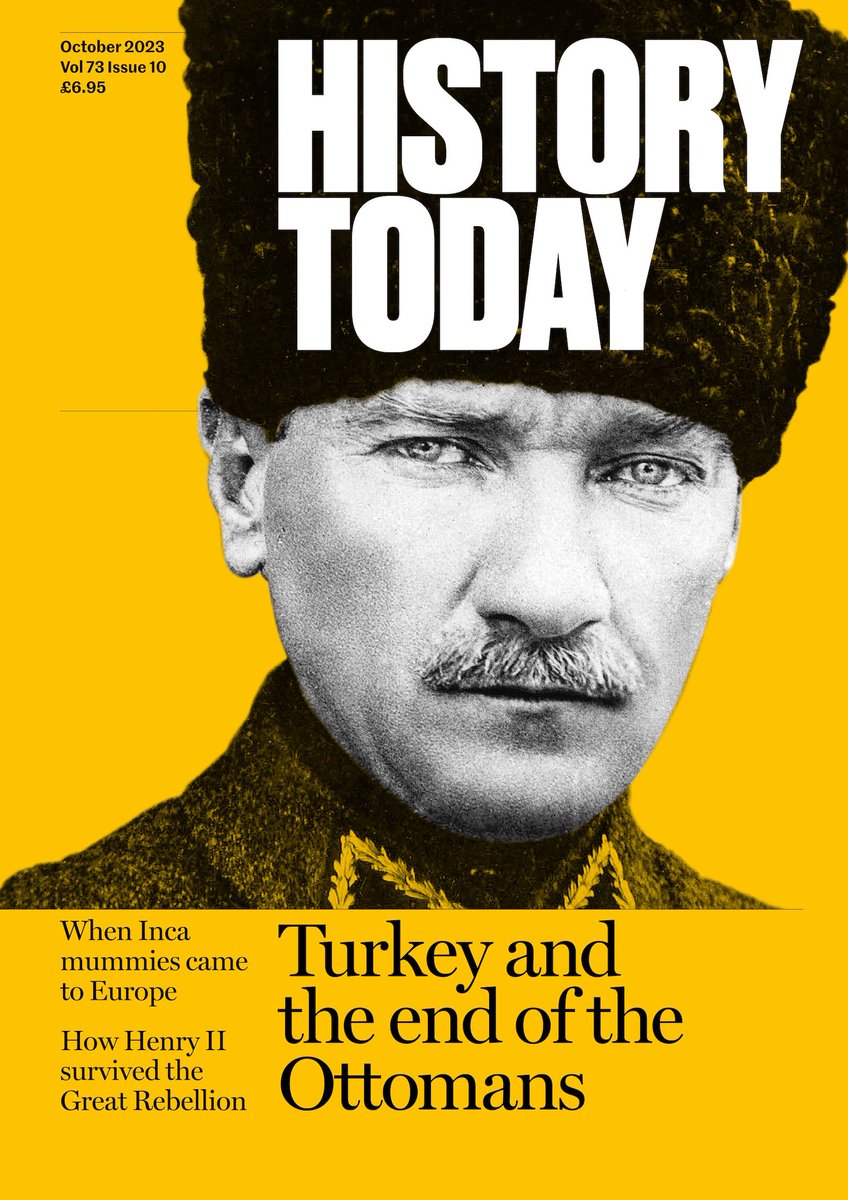
HISTORY TODAY MAGAZINE (OCTOBER 2023) – This issue features Turkey and the end of the Ottomans; When Inca mummies came to Europe; How Henry II survived the Great Rebellion, and more…
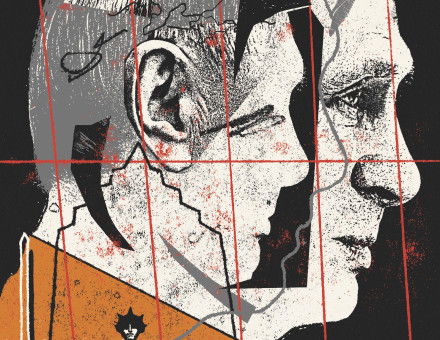
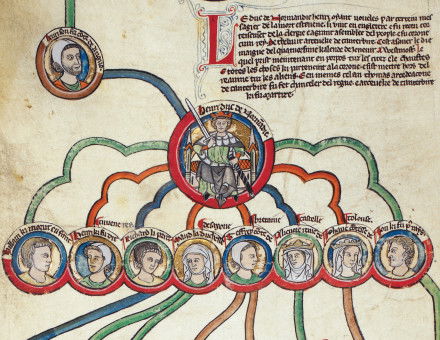
In 1173 the Angevin empire looked set to fall, facing rebellion on all sides. Against incredible odds Henry II won a decisive victory, silencing kings, lords – and his own children.
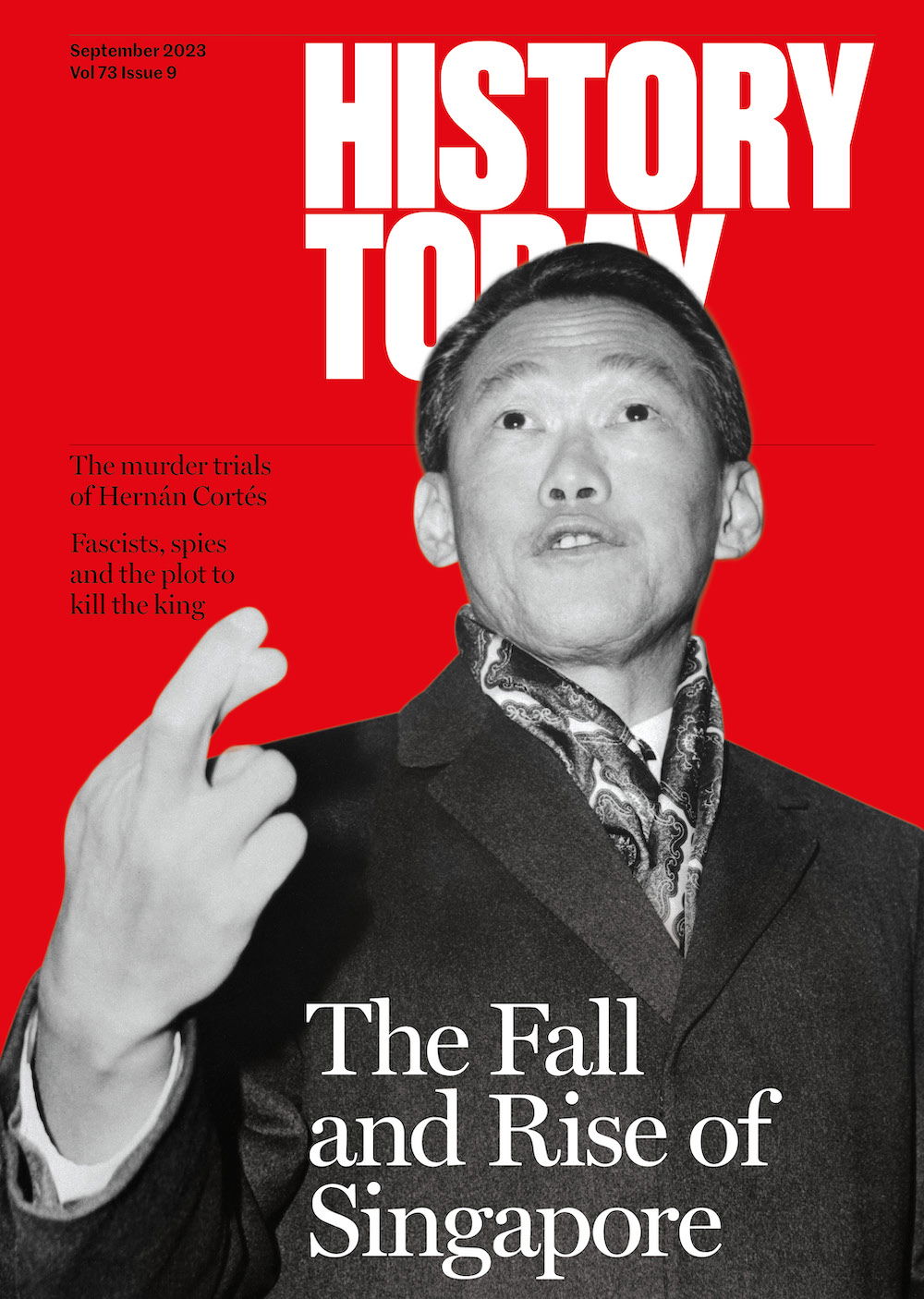
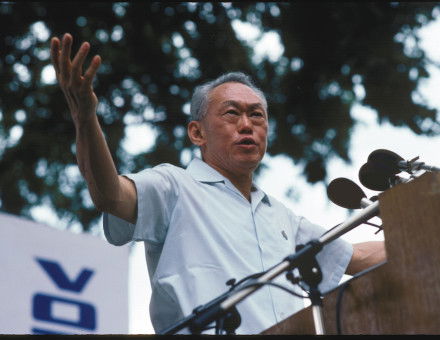
HISTORY TODAY MAGAZINE (SEPTEMBER 2023) – This issue features Lee Kuan Yew’s Singapore story, conquistador Hernán Cortés’ on trial, the fascist plot to kill the king, the fascinating fusion of Old English names, and sharpshooter Marjorie Foster’s battle with the War Office. Plus: reviews, opinion, crossword and much more!
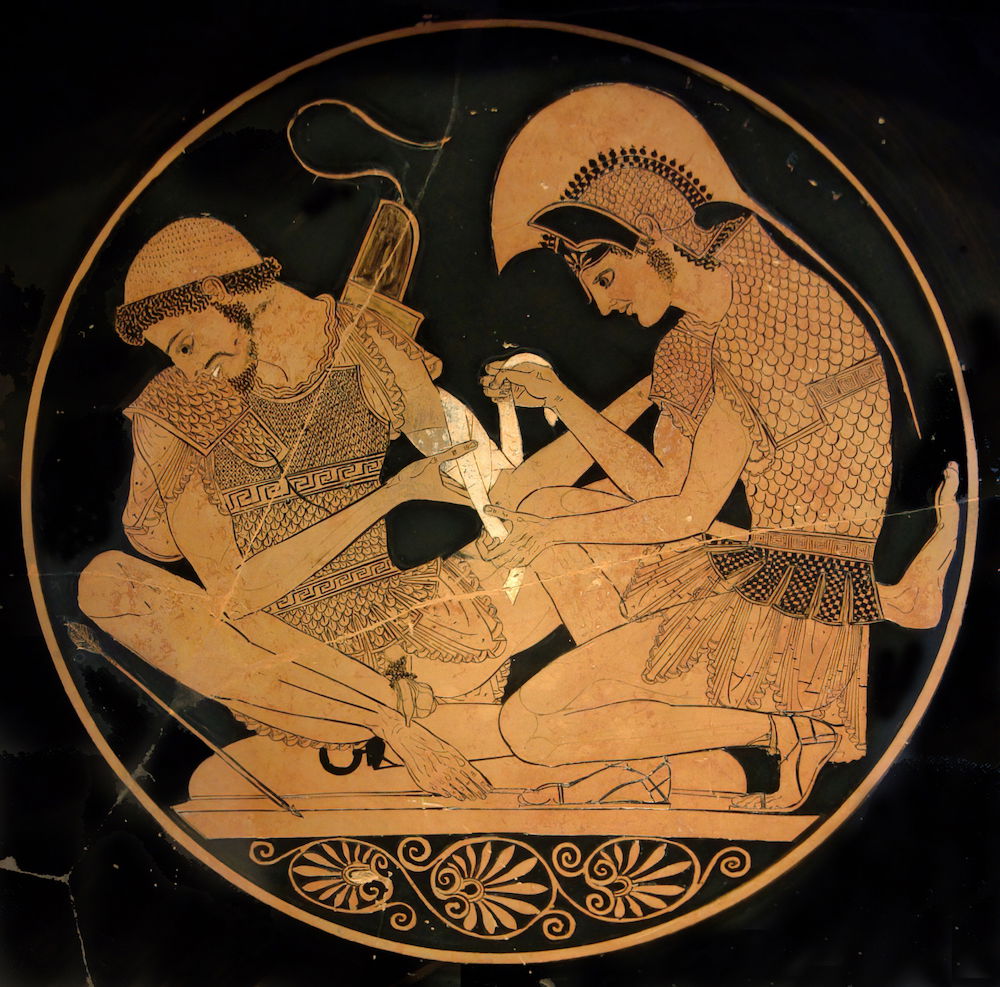
Faced with a jumble of bewildering ruins, modern visitors to Hisarlik in northwest Turkey, the site of ancient Troy, may find themselves perplexed and sometimes disappointed. The wide bay where the Greeks so famously beached 1,000 ships is gone, buried in silt from a local river, while beyond the fine sloping walls, a palimpsest of settlements spanning 4,000 years lies scarred and disfigured by the deep trench gouged by Heinrich Schliemann, its first archaeologist, during two decades of digging in the 19th century. Schliemann had been drawn to Hisarlik, and also to mainland Greece, by his passion for the Homeric poems, the Iliad and Odyssey, and his conviction that they described or reflected real societies and events, not least the decade-long Trojan War.
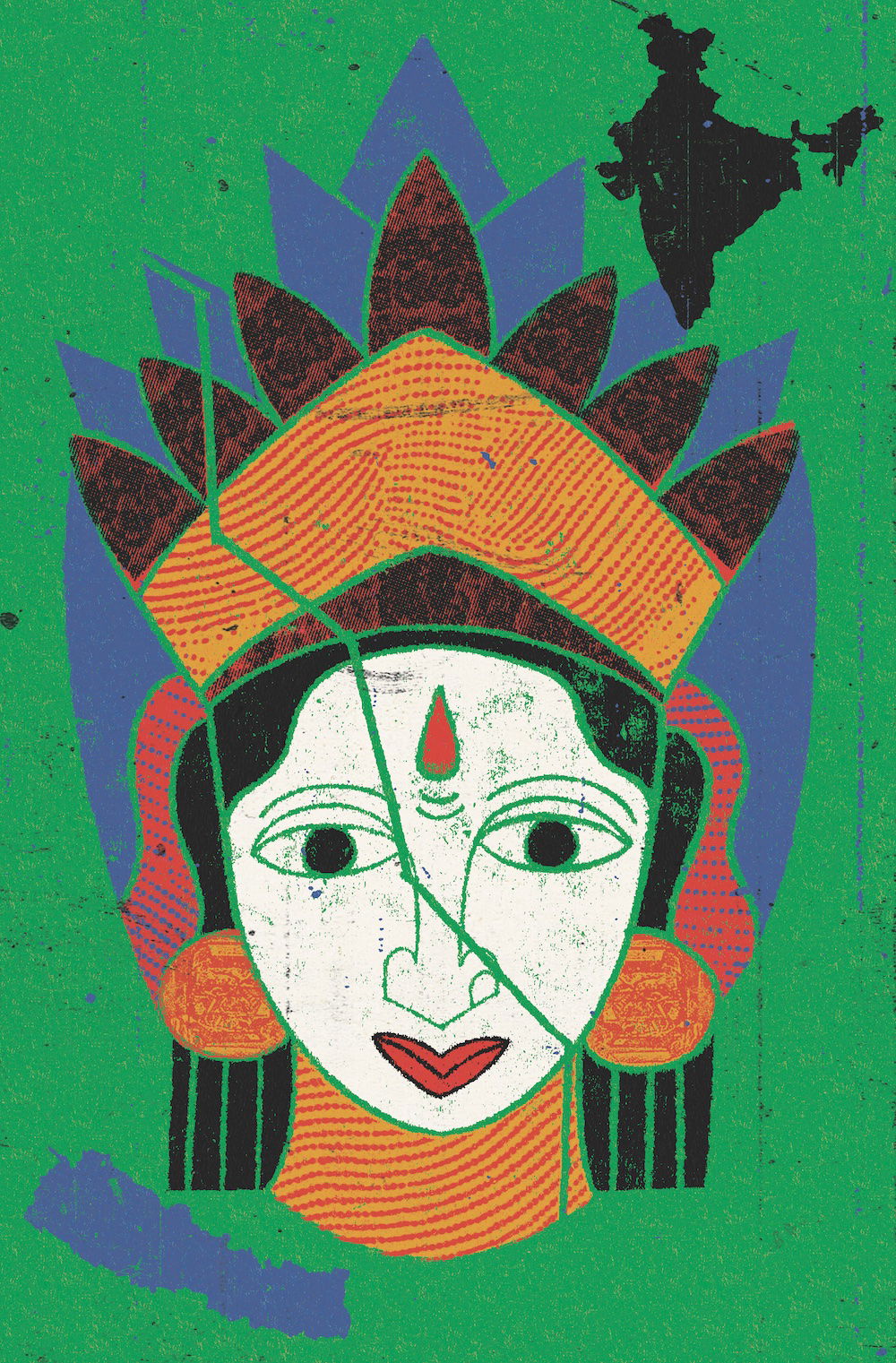
Balen Shah, the 33-year-old rapper and mayor of Kathmandu, is a man on various missions. Since his unlikely victory in 2022, he has waged war on government ministries, landlords, Nepal’s civil aviation authority, roadside hawkers and landless slum dwellers. Now he is taking on Bollywood because of a supposed historical slight.
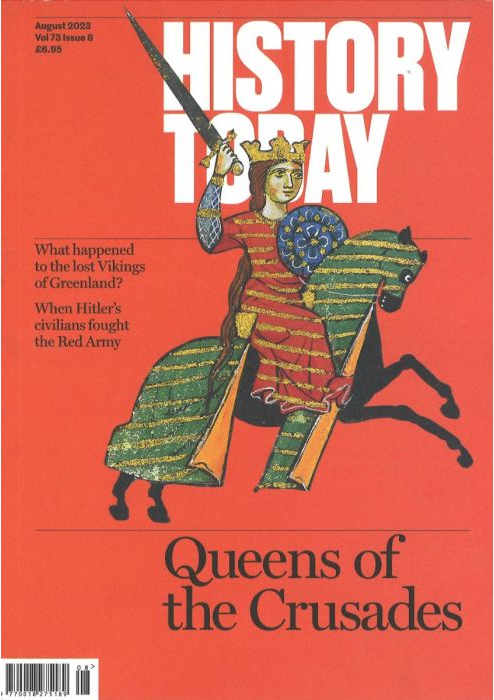
HISTORY TODAY MAGAZINE (AUGUST 2023) – Queens of the Crusades, What happened to the Lost Vikings of Greenland, When Hitler’s civilians fought the Red Army, and more…
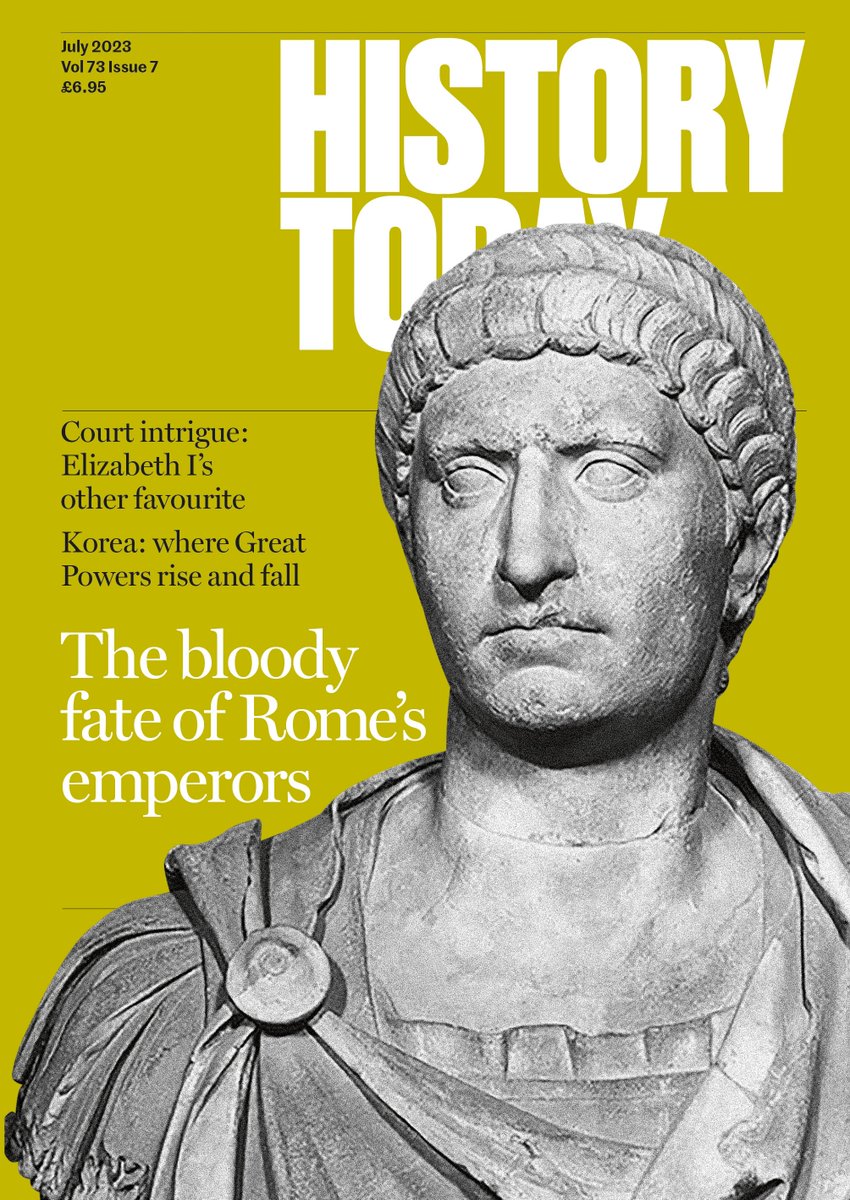
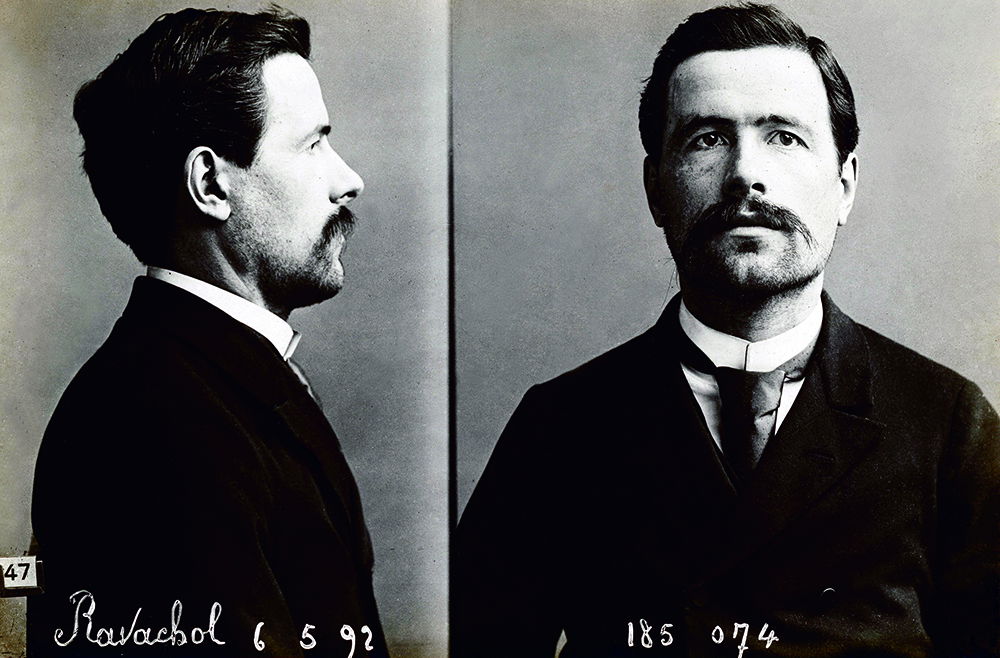
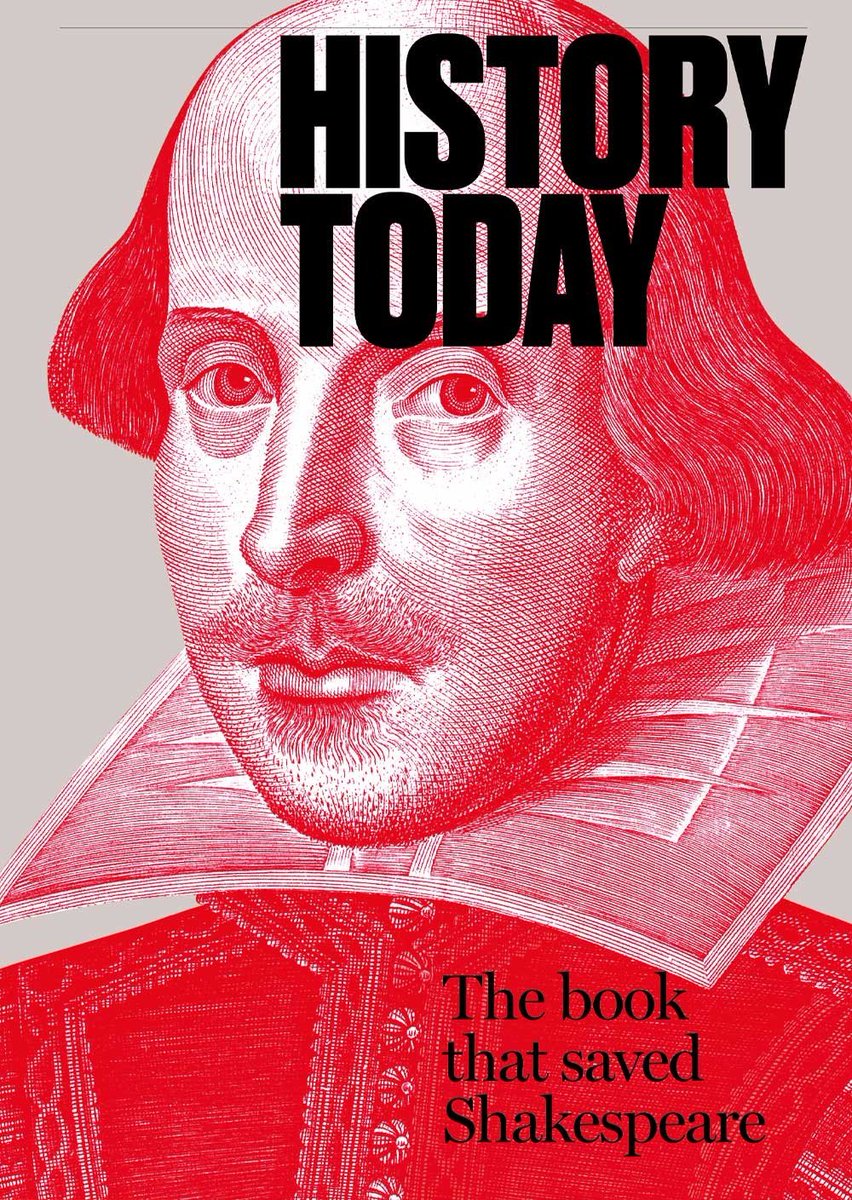
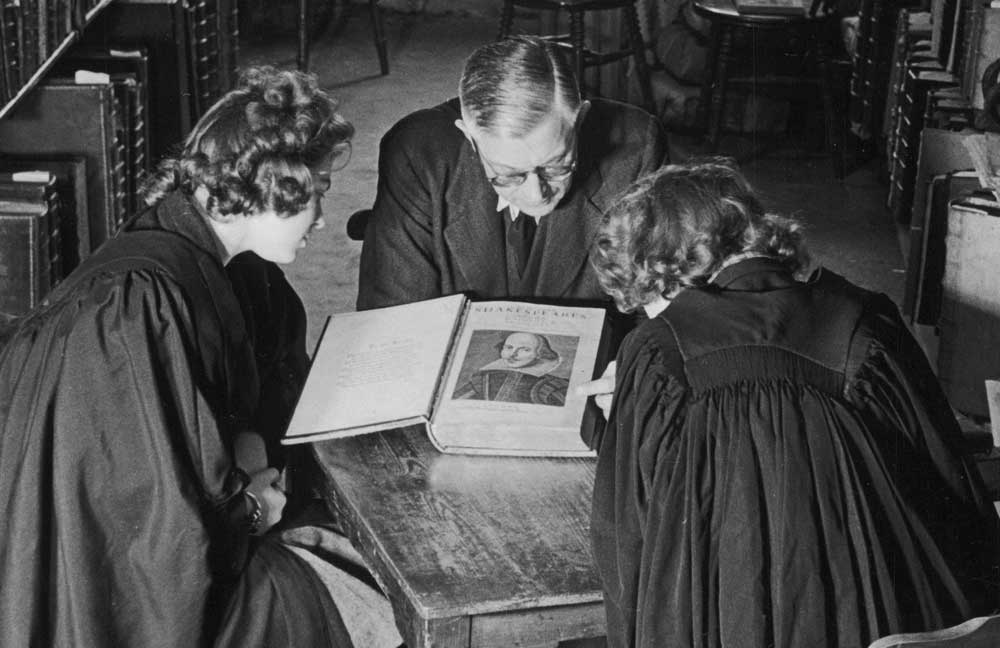
HISTORY TODAY MAGAZINE (JULY 2023) – Civil war in Ancient Rome, England’s most useless charities, agents of anarchy in the fin de siècle, the battle for the Korean peninsula, a Catholic sympathiser at Elizabeth I’s court, Bardolatry, Hong Kong’s floating population.
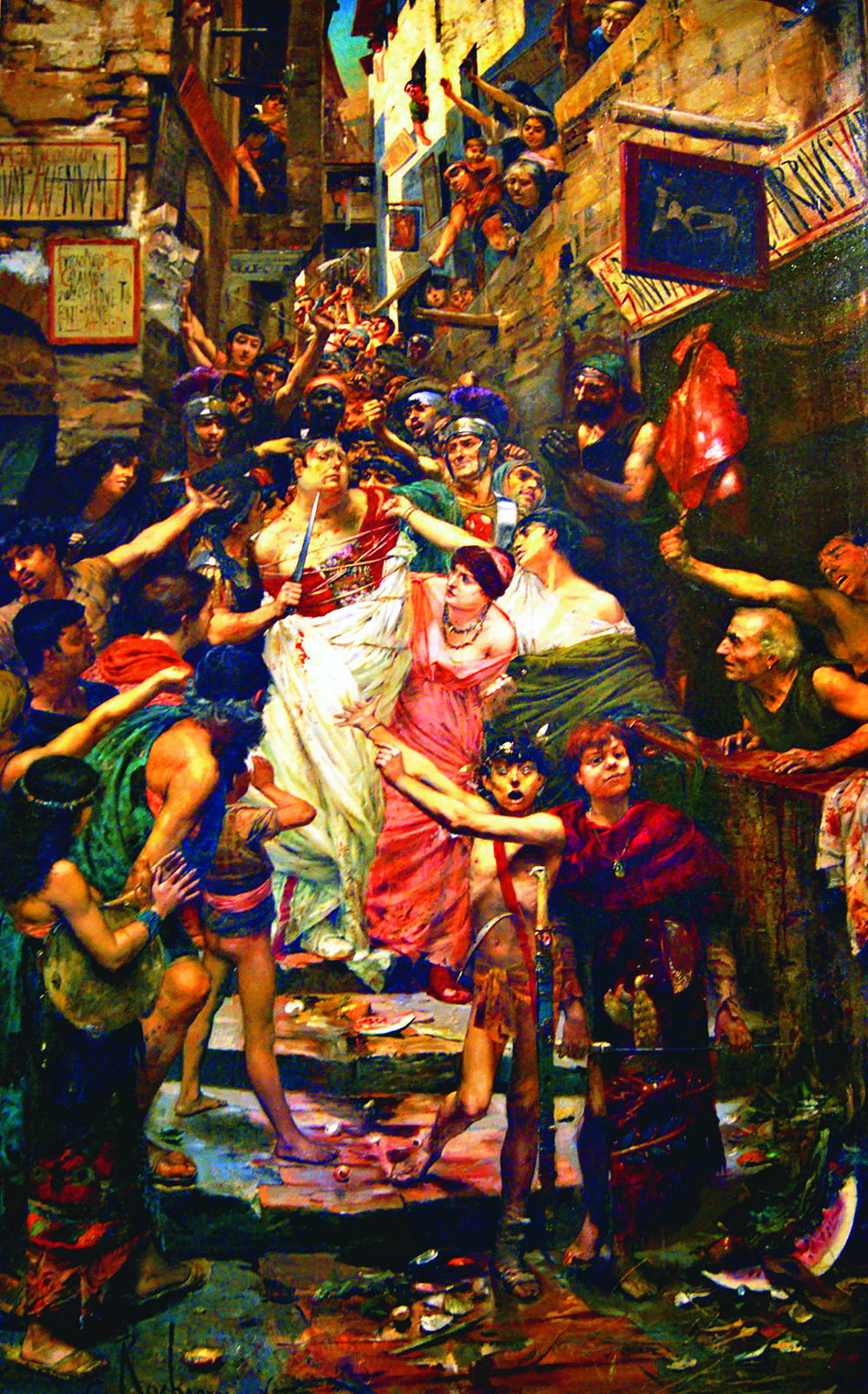
Vitellius led through the streets of Rome by the people, by Georges Rochegrosse, 1883.
For citizens of Ancient Rome, the recurrence of brutal civil war was par for the course. For writers, it was an opportunity.
During the Roman Empire, outbreaks of civil war (and the assassinations which often preceded them) were generally intended to change the emperor, not the imperial system. Even though there was a brief moment after the emperor Caligula’s assassination in AD 41 when a change in the political system might have been triggered, the rudderless and leaderless soldiers quickly reverted to the reassuring default mode of imperial rule after conveniently finding Claudius hiding behind a curtain and making him emperor.
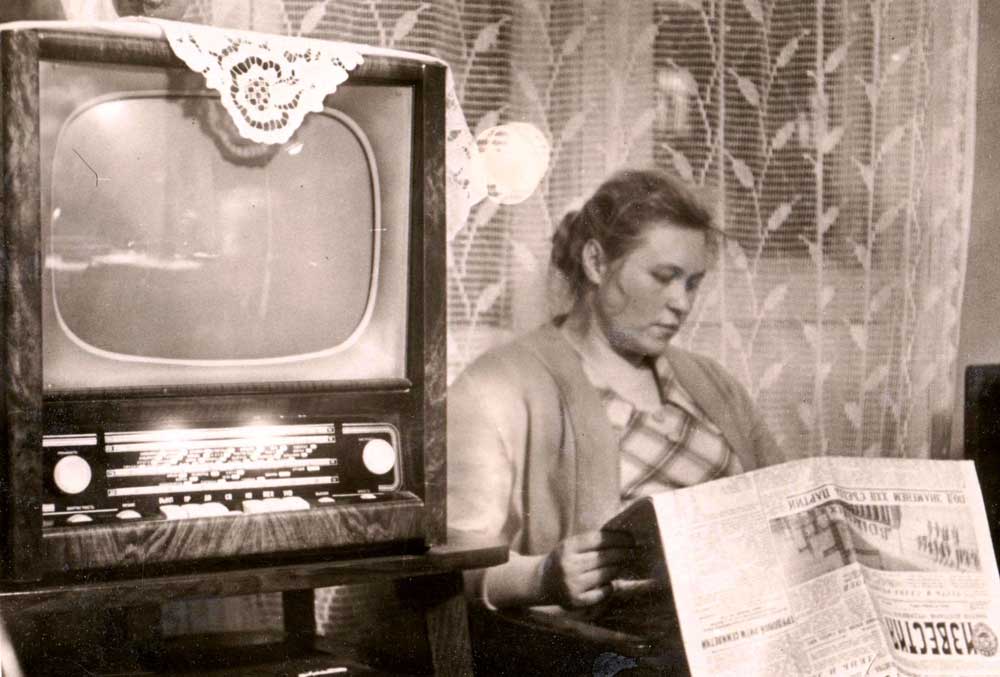
‘The ‘Belarus-5’ in an ordinary Soviet house,’ photographed in the 1960s.
Americanised globalisation and the new world of Russian business in the 1990s.
In the 1990s, a version of the satirical puppet show Spitting Image arrived on Russian television. A Muscovite once told the story of his father, who took great care to record every episode on VHS.
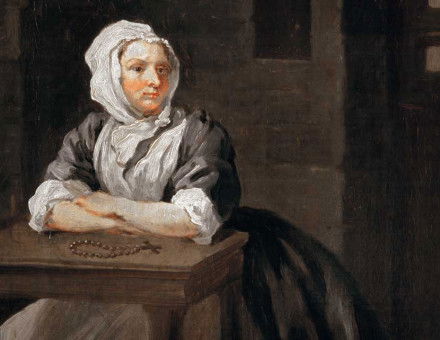
Found guilty of the Temple Murders in 1733, Sarah Malcolm became the most notorious woman in Britain. Did she commit the crime alone? Did she commit it at all?
It was not easy to be the second son. The younger brothers of the French kings could choose either to rebel or reconcile, but neither option was straightforward.
Brazilian democracy is young, hard-won and under threat. As the country goes to the polls, its history reminds us that the right to vote is not a given.


 Boomers Daily