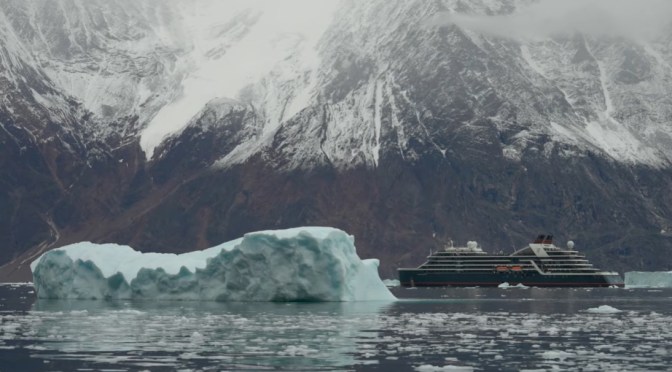
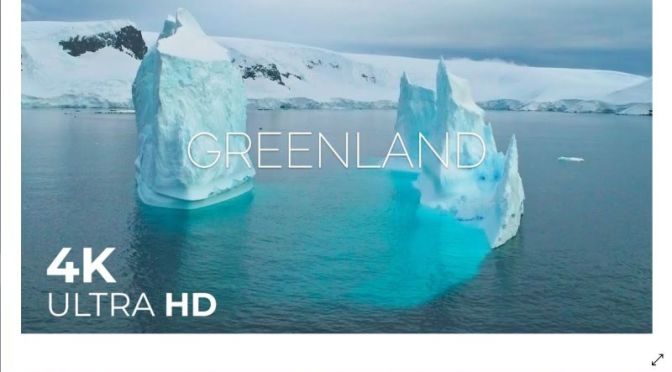
Allison Anderson Films (November 15, 2023) – A three-week cruise aboard the Seabourn Venture from Greenland, through the Canadian Arctic to Nome, Alaska.
Video timeline: 00:00 Intro 00:28 What is the Northwest Passage? 01:17 Ilulissat, Greenland 02:16 Karrat Fjord, Greenland 03:00 The View of a Lifetime 03:45 What are Expedition Voyages? 04:20 Walruses 04:49 Polar Bears 06:32 Arctic History and Culture 07:13 Seasonal Changes 07:43 Life Onboard the Seabourn Venture 08:18 The Northern Lights and Nome, Alaska 09:07 My Thoughts on the Northwest Passage
For centuries the search for the Northwest Passage lured the most intrepid explorers, but it wasn’t until 1906 that Roald Amundsen finally completed the first sea voyage across the Canadian Arctic Archipelago.
The Globalist Podcast, Monday, August 28: Logistics of elections in war torn Ukraine with historian Alex von Tunzelman and Kyiv correspondent Olga Tokariuk, and former Afghan politician Shukria Barakzai brings us up-to-date on the crackdown on women’s rights in Afghanistan.
Plus: Finnair’s new Arctic Express service and the latest business news with Isobel Hamilton.
The Globalist Podcast, Monday, August 28: A vibrant show from Monocle’s Zurich studio presented by Emma Nelson. We’ll discuss the latest from Ukraine, as well as China and the US’s latest trade talks.
Also, journalist Bruno Kaufmann examines Greenland’s geopolitical significance, we talk technology and the latest from the travel industry.
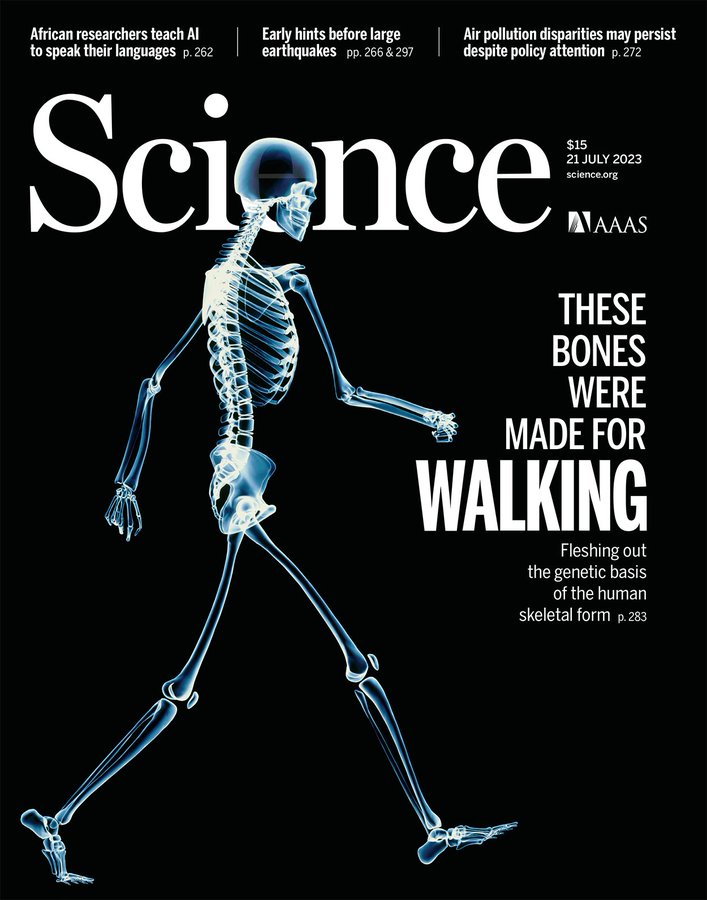
Science Magazine – July 21, 2023 issue: The cover depicts an x-ray of a human skeleton walking. Researchers extracted 23 skeletal proportions from 30,000 individuals using deep learning. Coupled with genetic and biobank data, more than 100 genetic variants associated with these proportions were identified. These analyses shed light on the evolution of the skeletal form, which facilitates bipedalism, and reveal connections to musculoskeletal disorders.
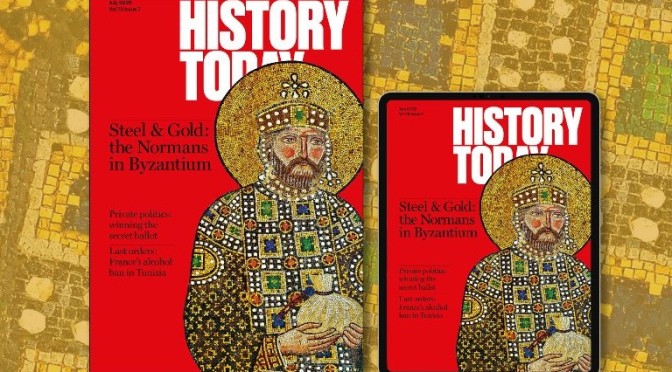
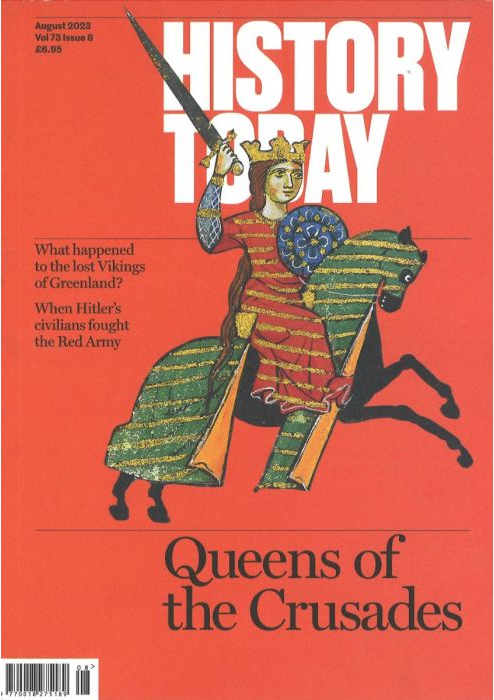
HISTORY TODAY MAGAZINE (AUGUST 2023) – Queens of the Crusades, What happened to the Lost Vikings of Greenland, When Hitler’s civilians fought the Red Army, and more…
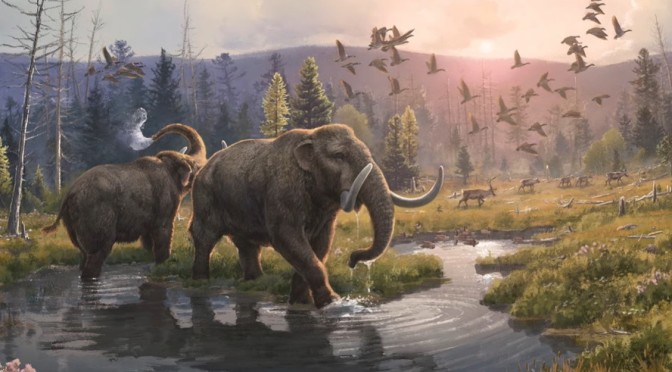
Two million year-old DNA found in frozen soil has been sequenced, revealing a surprising picture of an ancient landscape. Extinct creatures including, unexpectedly, elephant-like mastadons turn out to be among the beasts roaming Greenland. Researcher Eske Willerslev explains how DNA found in the environment can be used to reconstruct the past as so-called ‘eDNA’ becomes a vital tool for palaeontologists.
Researchers debate whether an ancient fossil is the oldest animal yet discovered, and a new way to eavesdrop on glaciers.
In this episode:
01:04 Early sponge
This week in Nature, a researcher claims to have found a fossil sponge from 890-million-years-ago. If confirmed, this would be more than 300-million-years older than the earliest uncontested animal fossils but not all palaeontologists are convinced.
We hear about one researcher’s unorthodox attempt to listen in to the seismic-whisper at the foot of a Greenland glacier – a method that might reveal more about conditions under these enormous blocks of ice.
Greenland is the world’s largest island, located between the Arctic and Atlantic oceans, east of the Canadian Arctic Archipelago. Like the Faroe Islands, it is an autonomous territory within the Kingdom of Denmark.
Two film crews explore the spectacular wilderness of the Arctic. The people who live there face dramatic changes.
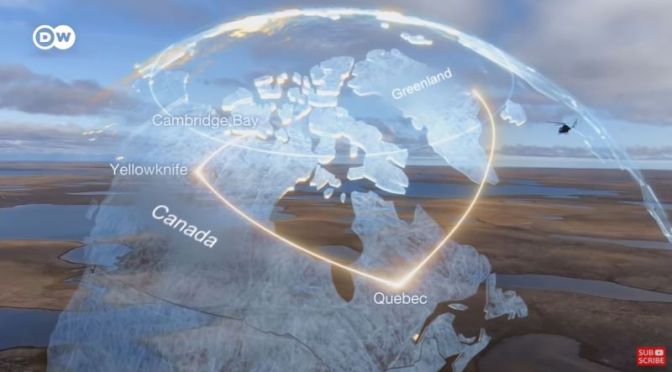
Part two takes viewers from East Greenland to Alaska. The region around the North Pole is one of the greatest and least-known wildernesses in the world – and it’s rapidly changing due to global warming. 350 people, most of them Inuit, live in Ittoqqortoormiit in Greenland. The nearest settlement is on neighboring Iceland. Almost 800 kilometers of Arctic Ocean separate the two islands. The film team accompanies an Inuit family through Scoresby Sound, a fjord system on the eastern coast of Greenland.
They travel hundreds of kilometers in small boats through pack ice, passing icebergs as high as skyscrapers. On the way they meet whalers who are hunting for narwhals in summer. In this Inuit culture, narwhal skin and polar bear goulash have ensured survival for thousands of years. Greenpeace and WWF activists want to stop whaling and polar bear hunting – but this poses a threat to the indigenous way of life on Greenland.
On the expedition through the world’s largest fjord system, the team learns about the consequences of global warming: melting permafrost and a rapid increase in greenhouse gases. The changes are worrying. Some say they have brought benefits to the far north — the ice breaks up earlier and so too does the hunting season. However, the risks outweigh this benefit. The knowledge and way of life that have been passed down from generation to generation may soon be unsustainable.
News, Views and Reviews For The Intellectually Curious







 Boomers Daily