From a Wall Street Journal article (April 18 2020)
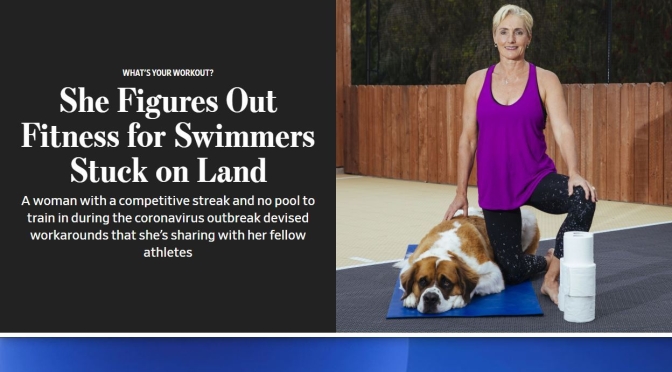
A physical therapist based in Santa Barbara, Calif., Ms. Godges is used to seeing injuries that result when swimmers start training on land. “We are great at cardio, but we aren’t used to pounding our joints. Gravity is not forgiving. We need to give our bodies time to adapt.”
With pools closed over concerns about coronavirus transmission, Arlette Godges is adapting to being a fish on land.
The 55-year-old U.S. Masters swimmer was in the pool five days a week training for the UANA Pan American Masters Championships in Medellín, Colombia. The June competition has been postponed. “I was feeling so strong,” she says. “Now I have to challenge myself with other things so I don’t become a slug and lose motivation.”
As gyms are closed and many of us are stuck at home, it’s an opportune time for home fitness platforms. We speak to Bruce Smith, founder of Hydrow, while Jason de Savary of London’s Core Collective talks about the gym’s new CCTV platform.
Bruce Smith, CEO & Founder
Life-long entrepreneur and rower, Head of the Charles winner, coached the US Lightweight Eight to a Bronze medal at the 2015 World Rowing Championships and former Executive Director of Community Rowing – Boston.
Every aspect of Hydrow is engineered by rowing experts to elevate your experience. From computer-controlled resistance to revolutionary Live Outdoor Reality™ technology, Hydrow delivers an effective and enjoyable workout that brings the river home to you.
From a New York Times online article (Feb 27, 2020):
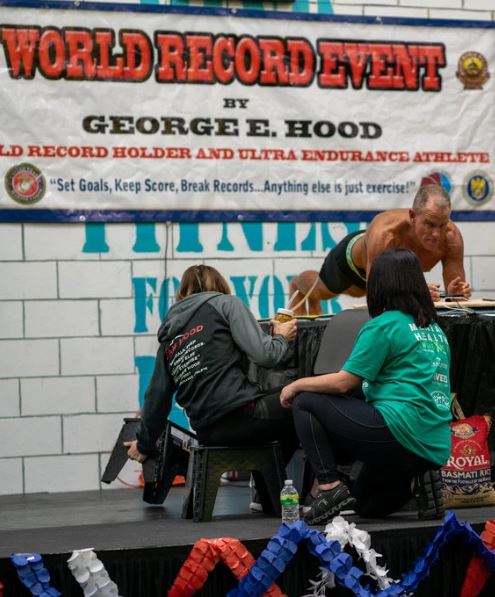
Mr. Hood, a former Marine and Drug Enforcement Administration agent, held a plank for eight hours, 15 minutes and 15 seconds. Photo by Josef Holic
Mr. Hood, a former Marine and Drug Enforcement Administration agent, held the plank on Feb. 15 for more time than an average day’s work.
The plank is a feat of static, but strenuous, exercise. The torso is sustained in a horizontal position, anchored by the toes on one end and the forearms on the other. The abdominal and thigh, back and arm muscles are among those firing away, turning most of the human body into a gravity-defying platform.
George E. Hood, a 62-year-old retiree from Naperville, Ill., strapped a heart monitor band across his chest, attached a catheter to his body, climbed onto a custom-built table covered with a lambskin and dialed up a curated rock ’n’ roll playlist on his phone.
And then he raised himself into a plank — and held the position for eight hours, 15 minutes and 15 seconds to set a Guinness World Record.
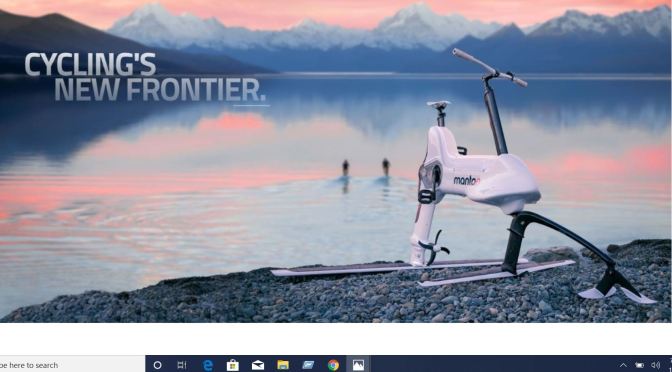
Jan.06 — At CES in Las Vegas, a New Zealand company is showing off a new way to get moving on water. The Manta5 Hydrofoiler XE-1 is a bike with an electric engine that lets the user pedal around on water.
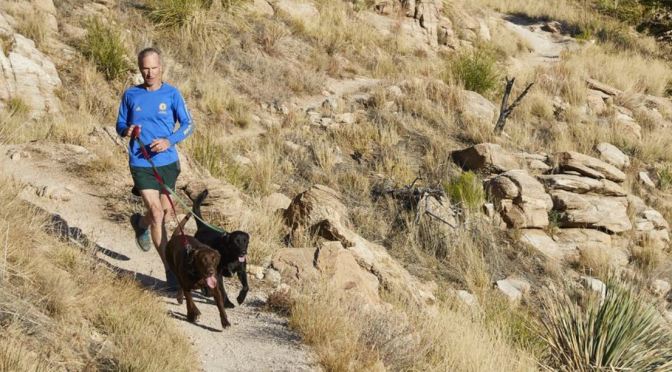
Tuesday, Friday and Sunday, he is out before dawn for a 1.5- to two-hour run with Abby and Finn on one of the many trails accessible from Tucson along the Catalina Highway. The dogs are disciplined enough to run off-leash in a pack with him. The farthest he has taken Abby is a 13-mile, three-hour run. “She came home quite tired, as did I,” he says. When training for a marathon or longer distances, he adds a solo run on Wednesdays. He’ll run up to 23 miles on a network of paths in Tucson called the Loop.
Mr. McLean has had Achilles tendon problems as the result of tight calf muscles, and says he stretches for 15 minutes every night and before his morning run.
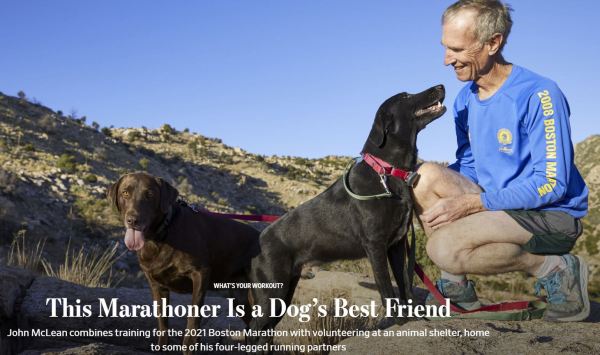
Like many marathoners, John McLean trains with running buddies. But if he isn’t keeping pace, he gets barked out. Mr. McLean is a dog-lover who logs miles with four-legged friends, both his own and rescues.
For years Mr. McLean, 63, ran solo. He and his wife, Barbara McLean, live in Arizona. They worked in the aerospace industry and travel made it tough to look after a dog. The day after Mr. McLean retired in 2014, he came home with Abby, a 10-week-old Chocolate Labrador.
In the spring and summer, he trained two to four hours a day, six days a week, running daily and carrying 60 pounds of water up a 4,000-foot peak near his home in Seattle twice a week. “All the research has shown that 80 percent of training for alpine ascents needs to be long duration and low intensity, to build a huge foundation of endurance,” Swenson says. “There are no shortcuts to this. There’s no thirty-minute-a-day gym workout. You have to have the discipline to put the time in.”
As an older climber, when I go out and train on any particular day, my big goal is to not get injured. In my twenties and thirties, I would push through a tight muscle or minor pain, but now I just stop. It’s not worth it. The most important thing is to be able to come back tomorrow.”
(Steve) Swenson laments the common scenario for many older people, who often work too much, exercise too little, and find themselves unhealthy during their golden years. “Imagine spending all your years looking forward to retirement and you can’t enjoy it,” Swenson says.
Now 63, Mr. Peterson has progressed from bike paths to rugged mountain trails and is known for his caped helmet emblazoned with his nickname, UniGeezer. Based on his GPS and bike computer, he estimates he’s logged nearly 30,000 miles, or 24 million pedal revolutions, since he started.
He thinks there’s a fear factor that prevents more people from trying unicycling. “If you fall, 99% of the time you land on your feet,” Mr. Peterson says. His worst injury was a torn piriformis, a tiny muscle behind the glutes, from overuse.
Unicycling isn’t as trendy as spin class, but Terry Peterson says he sweats just as much and smiles way more.
In 2006, at age 50, Mr. Peterson was 30 pounds overweight and got winded climbing a flight of stairs. His job as a piano tuner in Lomita, Calif., was mostly sedentary.
Popular workouts like running, cycling and boot camp sounded boring. “I needed something that would constantly demand my attention and keep me entertained,” he says. He thought back to his childhood unicycle, googled his old toy and was wowed by online videos of Canadian off-road unicycling pioneer Kris Holm. “This wasn’t the cheap ride I had when I was 11,” he says. “He was on a real, purpose-built unicycle doing unreal tricks.”
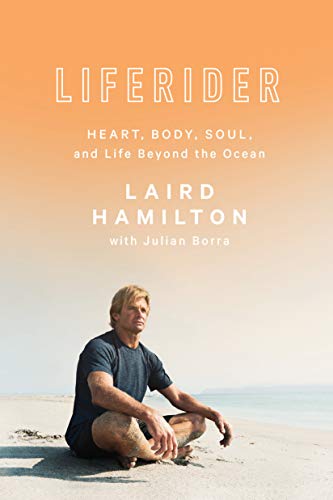
I wake up early and start my day by turning my coffee into a meal. I’ll pull three or four shots of dark-roast espresso and add one scoop of my custom-blend coconut-milk creamer, one scoop of turmeric creamer, a teaspoon of ghee or raw butter, a half-teaspoon of fair-trade red palm oil, a teaspoon of raw coconut, and a mushroom blend that includes shiitake, maitake, lion’s mane, and cordyceps. I emulsify the combination until it’s smooth and drink it before I head out to my morning surf or training session.
Lunch
Midday I usually eat enough for two, because I haven’t had solid food since the evening before. I build my lunch around a serving of high-quality animal protein, like sustainable local fish or chicken. I’ll eat it on a bed of lettuce, cabbage, or kale, topped with avocado or crushed macadamia nuts and dressed with olive oil and vinegar. If it’s available, I’ll add raw-milk cheese to the salad. I try to get my carbs mostly from vegetables. When I’m in Hawaii, I’ll indulge in mashed purple sweet potatoes with coconut milk. While traveling, I do my best to enjoy what’s seasonal or indigenous to that particular location.
Mr. Aiona paddles with his club on Tuesday and Thursday nights and Saturday mornings for 90 minutes to two hours.They alternate between sprints and endurance paddles of up to eight miles in a six-man outrigger canoe. They also work on paddle technique and do huli drills. “Huli is Hawaiian for turn over,” he explains. “If you flip your canoe there is a very precise process for getting everyone safely and efficiently back in. We call out positions to make sure no one is underneath.
Then we work together to flip it, get all of the paddles into the canoe, bail water and get going again.”
On Sundays he paddles seven to 10 miles alone.“Flaws become more apparent as there is no one else to carry your weight,” he says. Sometimes he and another club member train together in a canoe. In winter, lights are added to the canoes for evening practices and Mr. Aiona dons boots and wetsuit -style pants.


 A physical therapist based in Santa Barbara, Calif., Ms. Godges is used to seeing injuries that result when swimmers start training on land. “We are great at cardio, but we aren’t used to pounding our joints. Gravity is not forgiving. We need to give our bodies time to adapt.”
 As gyms are closed and many of us are stuck at home, it’s an opportune time for home fitness platforms. We speak to Bruce Smith, founder of Hydrow, while Jason de Savary of London’s Core Collective talks about the gym’s new CCTV platform.
 Life-long entrepreneur and rower, Head of the Charles winner, coached the US Lightweight Eight to a Bronze medal at the 2015 World Rowing Championships and former Executive Director of Community Rowing – Boston.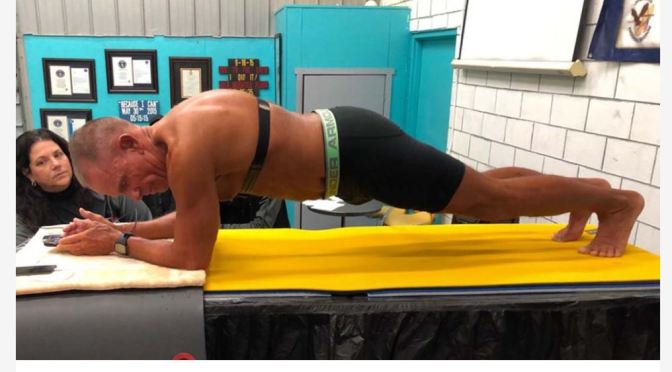
 Tuesday, Friday and Sunday, he is out before dawn for a 1.5- to two-hour run with Abby and Finn on one of the many trails accessible from Tucson along the Catalina Highway. The dogs are disciplined enough to run off-leash in a pack with him. The farthest he has taken Abby is a 13-mile, three-hour run. “She came home quite tired, as did I,” he says. When training for a marathon or longer distances, he adds a solo run on Wednesdays. He’ll run up to 23 miles on a network of paths in Tucson called the Loop.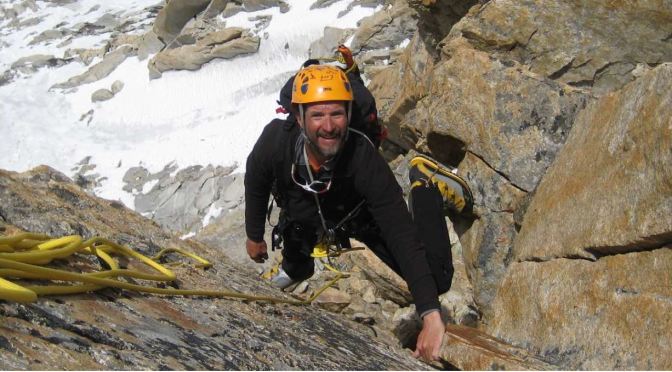
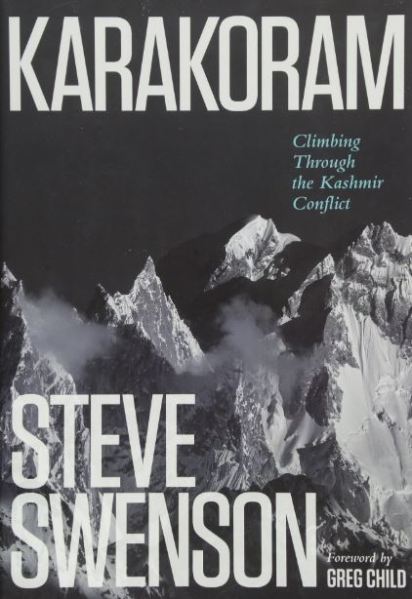 In the spring and summer, he trained two to four hours a day, six days a week, running daily and carrying 60 pounds of water up a 4,000-foot peak near his home in Seattle twice a week. “All the research has shown that 80 percent of training for alpine ascents needs to be long duration and low intensity, to build a huge foundation of endurance,” Swenson says. “There are no shortcuts to this. There’s no thirty-minute-a-day gym workout. You have to have the discipline to put the time in.”
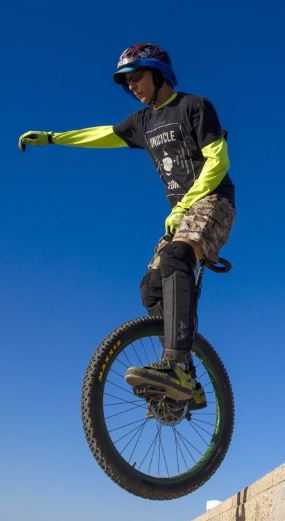 Now 63, Mr. Peterson has progressed from bike paths to rugged mountain trails and is known for his caped helmet emblazoned with his nickname, UniGeezer. Based on his GPS and bike computer, he estimates he’s logged nearly 30,000 miles, or 24 million pedal revolutions, since he started.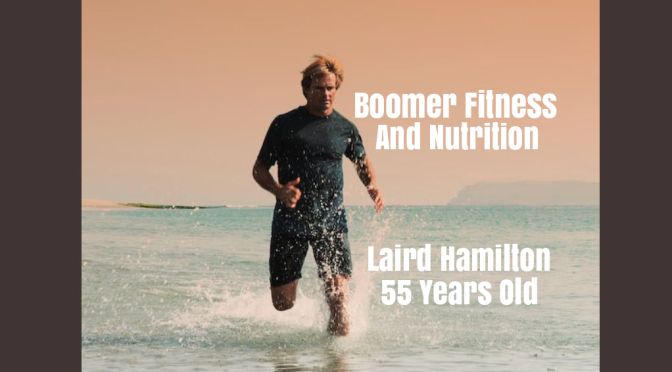
 Breakfast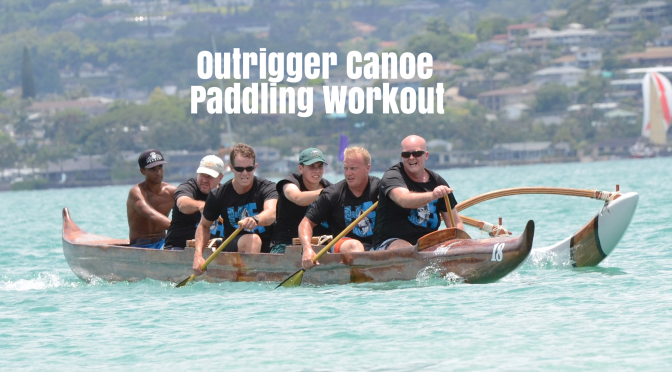
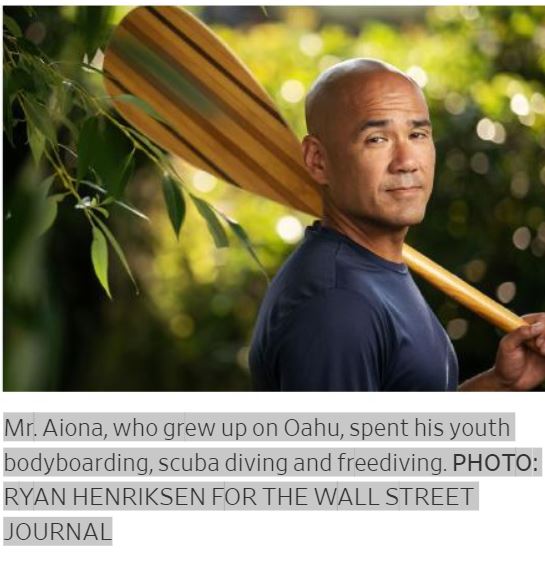 Mr. Aiona paddles with his club on Tuesday and Thursday nights and Saturday mornings for 90 minutes to two hours.They alternate between sprints and endurance paddles of up to eight miles in a six-man outrigger canoe. They also work on paddle technique and do huli drills. “Huli is Hawaiian for turn over,” he explains. “If you flip your canoe there is a very precise process for getting everyone safely and efficiently back in. We call out positions to make sure no one is underneath.
 Boomers Daily