
The Federal Reserve will begin reversing pandemic-era stimulus next month. What comes next is anyone’s guess—including central bankers’. In this issue: pic.twitter.com/4Z90LppGK0
— Barron's (@barronsonline) February 19, 2022
Tag Archives: Federal Reserve
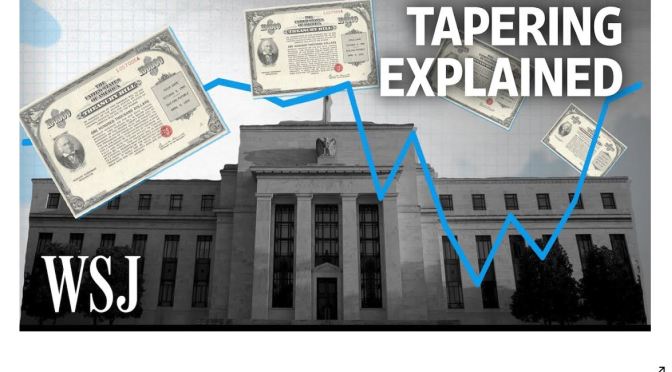
Analysis: Federal Reserve Tapering Explained (WSJ)
The Federal Reserve says it will accelerate the wind-down of its bond-buying program, the biggest step the central bank has taken in reversing its pandemic-era stimulus. Here’s how tapering works, and why it sends markets on edge. Photo illustration: Adele Morgan/WSJ

Morning News: U.S. Fed Fights Inflation, Western Loneliness, Music Charts
America’s central bank plans to pinch off its massive bond-buying programme much faster in a bid to stall inflation; our correspondent says it is perhaps a late-arriving signal—but a promising one.
Loneliness is a growing problem in the rich world but seems particularly acute among American men. And why aged artists are increasingly taking over the December music charts.
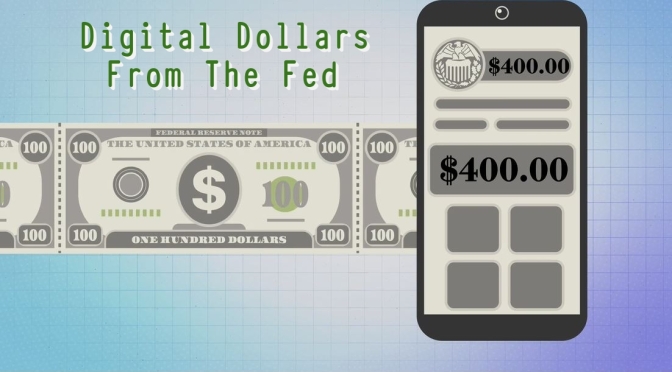
Finance: Why The Fed Will Create A Digital Dollar
The Federal Reserve is trying to figure out how to keep cash relevant in a cashless world. It’s considering digitizing the U.S. dollar, giving people money they can access on their phone and bypassing electronic payments that can be slow and costly for businesses. Illustration: Jacob Reynolds/WSJ

Morning News: The Fed & Interest Rates, Europe’s Drug Use, Remote Work
The merest mention of future interest-rate rises from America’s central bank sent markets into a tizzy. We consider the merits and the effects of signalling early and often.
Europe’s drug use dipped when the pandemic began, but soon rebounded; we examine the rising potency of the continent’s drugs and drug syndicates. And data reveal what makes work-from-home productivity so low.
Morning News: G-7 Summit Concludes, Interest Rates, People Quitting Work
A.M. Edition for June 14. WSJ’s Stephen Fidler discusses the G-7 summit’s conclusion and looks ahead to President Biden’s itinerary in Europe.
The Federal Reserve may raise rates earlier than expected. And, what’s prompting more people to quit their jobs these days? Marc Stewart hosts.

Morning News Podcast: AstraZeneca’s Vaccine, Airlines, U.S. Interest Rates
A.M. Edition for March 16. WSJ’s Jenny Strasburg discusses the broader impact as more European countries suspend use of AstraZeneca’s vaccine.
The Federal Reserve is set to begin its policy meeting this week. Airlines see some growth in bookings, but challenges remain. Marc Stewart hosts.
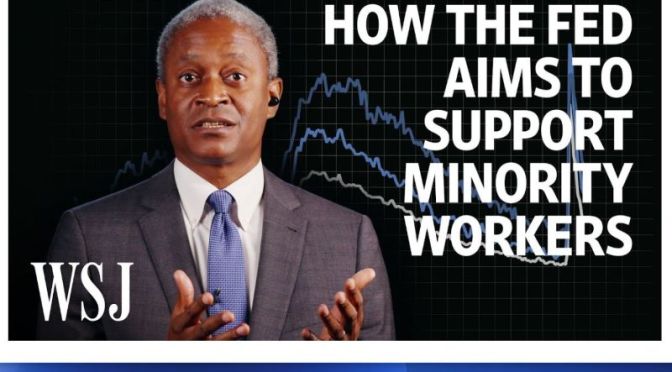
Economics: How The Fed Aims To Support Minority Workers (WSJ Video)
Recent changes to the Federal Reserve’s monetary policy framework could boost prospects for marginalized groups. Raphael Bostic, President of the Federal Reserve Bank of Atlanta, explains.
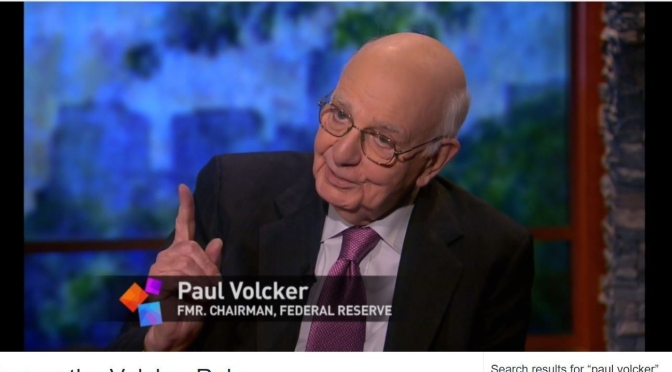
1970’s & 80’s Economics : Former Chairman Of Federal Reservce Paul Volcker Dies At 92
From a Wall Street Journal online article:
He became one of the most unpopular Fed chairmen in history for pushing interest rates as high as 20% to break the soaring inflation that consumed the U.S. economy in the 1970s. But his actions succeeded in bringing inflation, making Mr. Volcker one of the most successful central bankers in history.
 Paul Volcker, who defeated runaway inflation as Federal Reserve chairman in the 1980s, establishing the importance to the economy of an independent central bank, and whose “Volcker Rule” became a controversial element of postcrisis banking regulation in the Obama administration, has died at 92 years old.
Mr. Volcker died Sunday at his home following a long illness, his family said.
Mr. Volcker served in government across Democratic and Republican administrations for almost three decades in roles guiding monetary policy and overseeing the nation’s financial system.
 Boomers Daily