

Tag Archives: Evolution
Magazines: Scientific American – July 2021
Science: Miocene Apes And Human Evolution (Video)
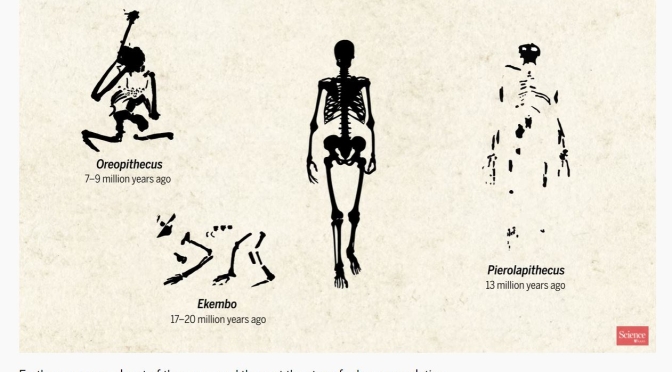
More than ten million years ago, the world was brimming with a wide variety of apes. Scientists studying the ones that are still alive today can learn a lot about human evolution—but they miss out on many clues that can only be found from the apes that went extinct. Watch to learn how fossil apes have strengthened ideas about how humans evolved, and what steps we can take to learn even more about our ancient ancestors. Read the review: https://scim.ag/3hw5PVx
Animals & Wildlife: ‘The Evolution Of Bears’
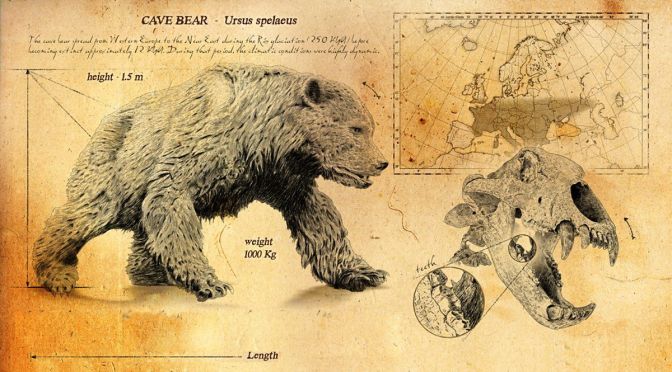
Bears are able to live and sometimes thrive from the North Pole to the tropical rainforests around the equator and although they are largely confined to the forests nowadays, in the not too distant past they dominated grassy plains as well. And in overcoming the challenges of each new habitat they migrated into presented, they have evolved to drastically change diets. Bears evolved from small carnivorous animals and yet have become omnivorous, insect eaters, or have a diet occupied entirely of plant foods. So how have bears been able to evolve to eat almost any food in a very small amount of time.

Science Podcast: Views Of Magnetars, When Human Brains Got Complex
Host Sarah Crespi talks with Contributing Correspondent Joshua Sokol about magnetars—highly magnetized neutron stars. A recent intense outburst of gamma rays from a nearby galaxy has given astronomers a whole new view on these mysterious magnetic monsters.
Also on this week’s show, Christoph Zollikofer, a professor of anthropology at the University of Zurich, talks about the evolution of humanlike brains. His team’s work with brain-case fossils suggests the complex brains we carry around today were not present in the early hominins to leave Africa, but later developed in the cousins they left behind.

Conspiracy Theories: ‘Why People Are So Attracted?’
Belief in conspiracy theories is far more widespread than the stereotypes that dominate pop culture. Recently, QAnon, Covid-19 and 5G theories have gained traction and criticism while less controversial conspiracies like the faked moon landing have persisted for decades. We all share hardwired evolutionary traits that make us vulnerable to them, from the way we assign truth to new information to our tendency to find patterns in unrelated phenomena. But if we’re all potentially susceptible to conspiracy theories, how can we manage these cognitive shortcuts?
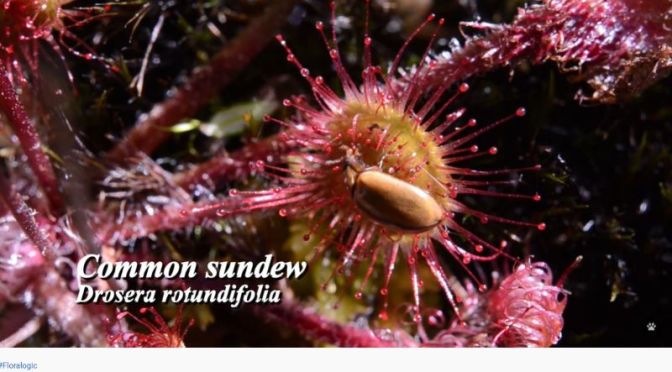
Carnivorous Plants: The Evolutionary Success Of The ‘Sundews’ (Video)
Covered in long, sticky tentacles, the Sundew is a predatory plant that looks like it’s from another planet.
Sundews are “flypaper” plants that trap prey in sticky hairs on their leaves. They make up one of the largest groups of carnivorous plants. Long tentacles protrude from their leaves, each with a sticky gland at the tip. These droplets look like dew glistening in the sun, thus their name.
Drosera, commonly known as the sundews, is one of the largest genera of carnivorous plants, with at least 194 species. These members of the family Droseraceae lure, capture, and digest insects using stalked mucilaginous glands covering their leaf surfaces.
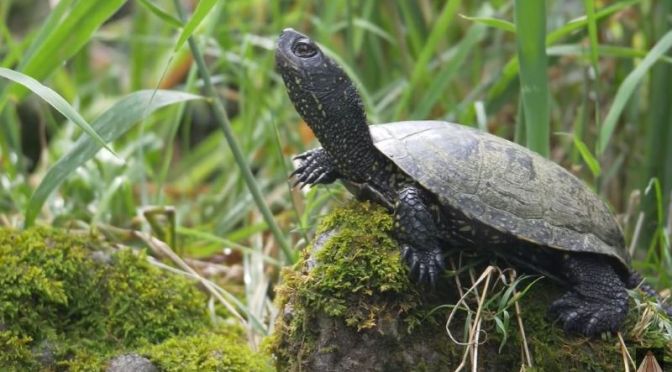
Wildlife: The Uncertain Origins And Evolution Of The Turtle (Video)
Turtle evolution has caused many problems for scientists over the years due to multiple fossil discoveries seeming to contradict each other with different turtle features evolving independently on different turtle ancestors. However, although there is still work to be done this video sets out to explain what is known so far.
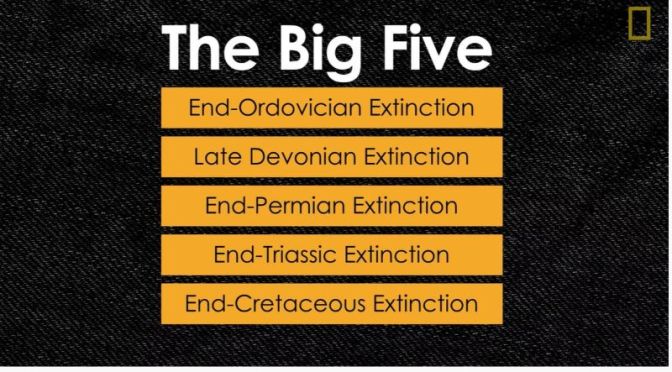
History: “Mass Extinctions Paved Way For Human Evolution” (NatGeo Video)
Everybody thinks mass extinctions are a bad thing. As much as they eliminate life, they also helped trigger the creation of new species. By studying fossils from the Big Five mass extinctions, we can learn how life was able to bounce back and see what this could mean for humans in future mass extinctions.
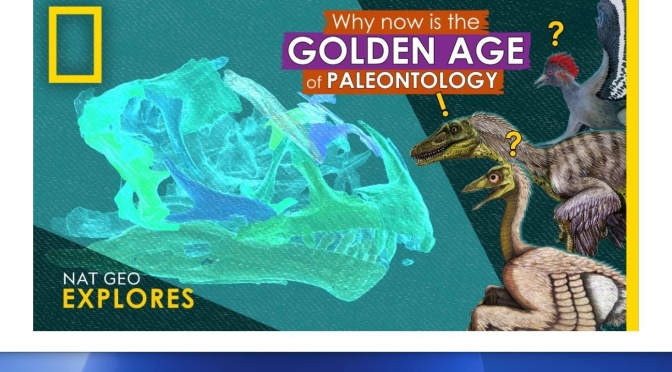
Evolution Of Dinosaurs: “The Golden Age Of Paleontology” (Video)
With advancements in technology and access to areas once considered unreachable, the field of paleontology is experiencing a golden age of discovery. Roughly 50 new dinosaur species are found each year, giving us a closer look at their prehistoric world like never before. Our previous understandings of how dinosaurs looked and evolved are being revolutionized, especially in regards to evidence that modern birds descended from dinosaurs. But while it’s exciting to see how incredibly far paleontology has come from the previous generations, it’s equally as thrilling to imagine what new discoveries lie just ahead.
 Boomers Daily